Stories Beyond Numbers: A pregnant woman killed alongside eight family members in US-Israeli strike
By Humaira Ahad
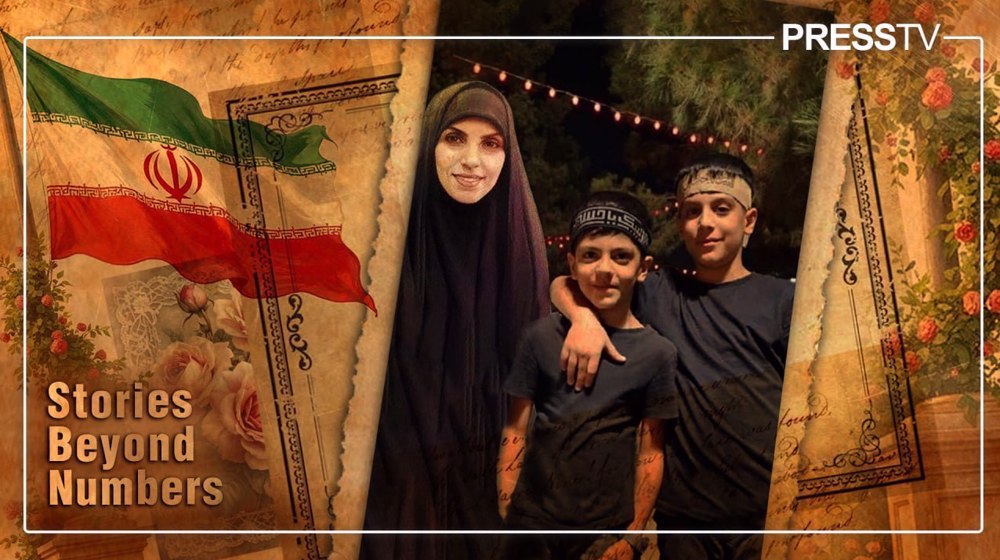
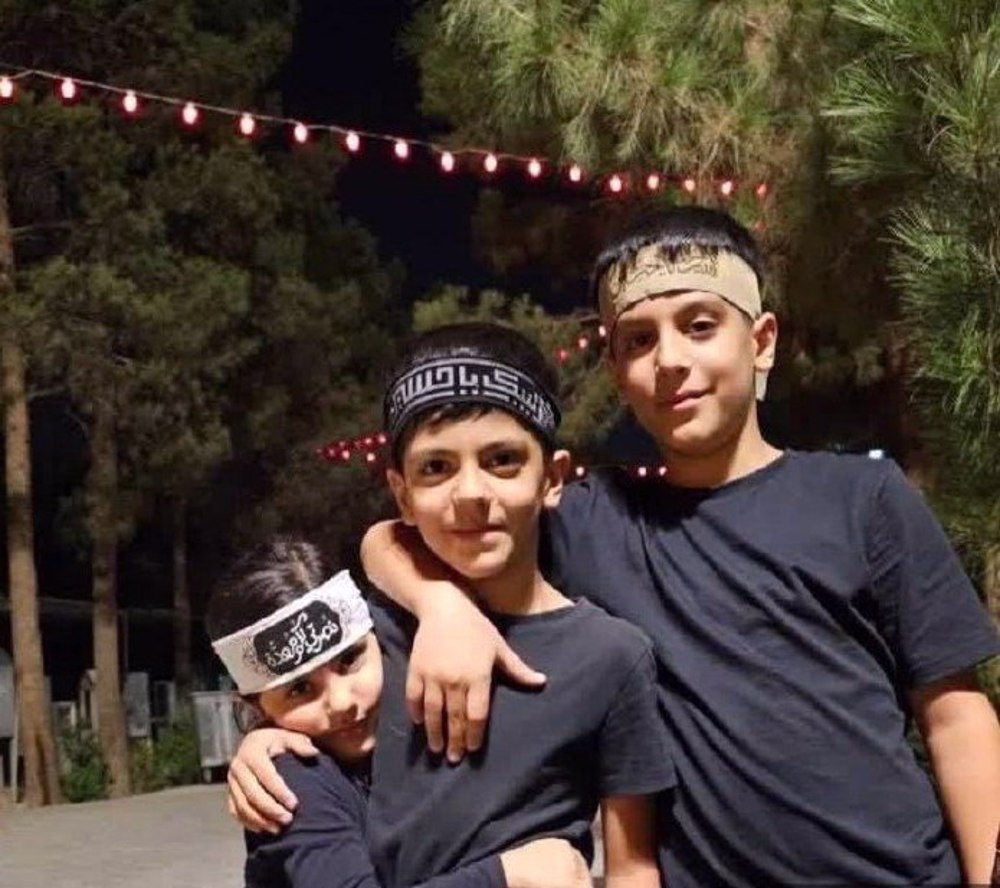
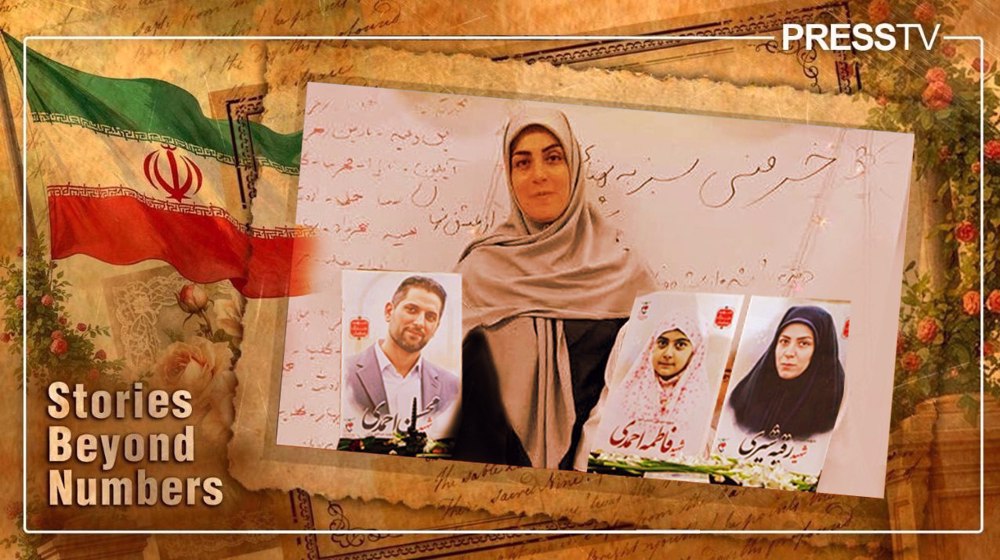
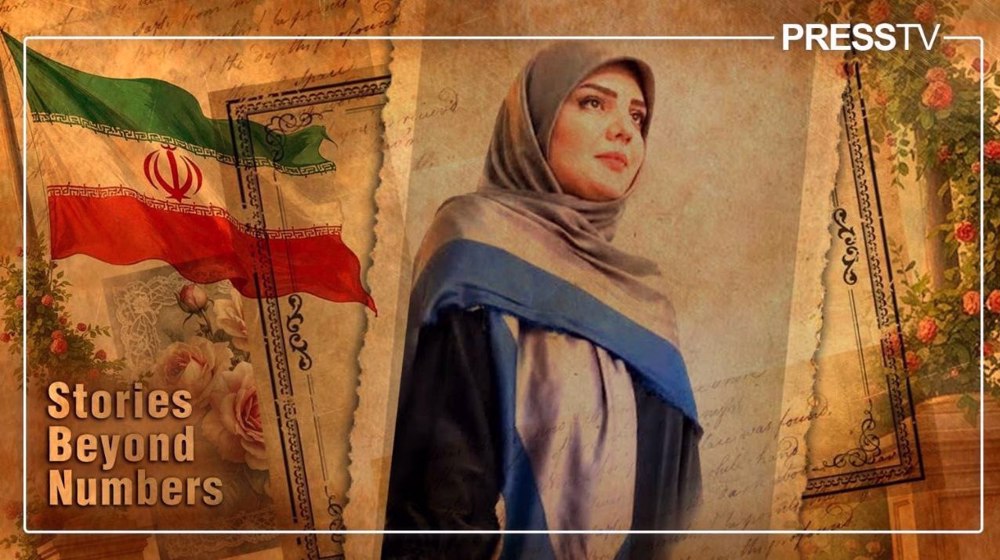
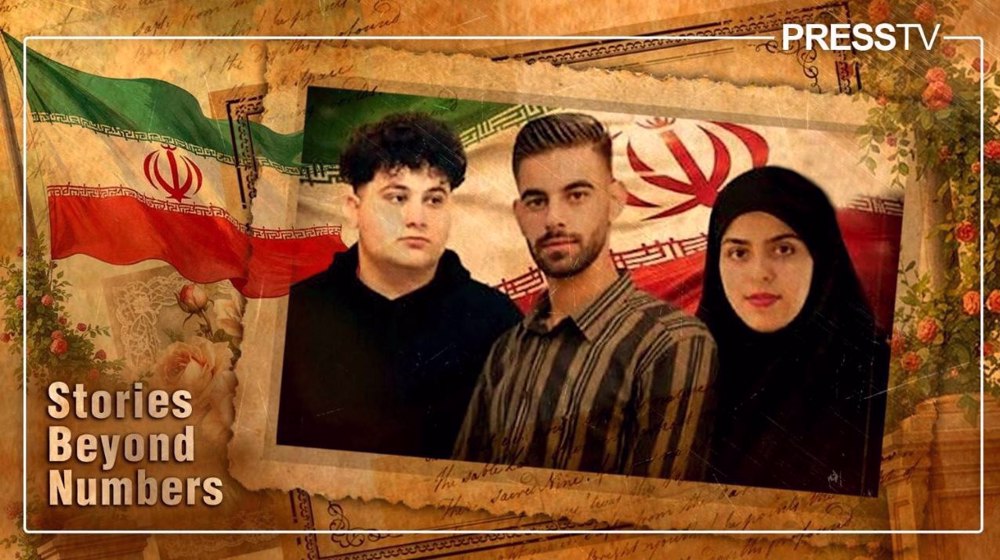
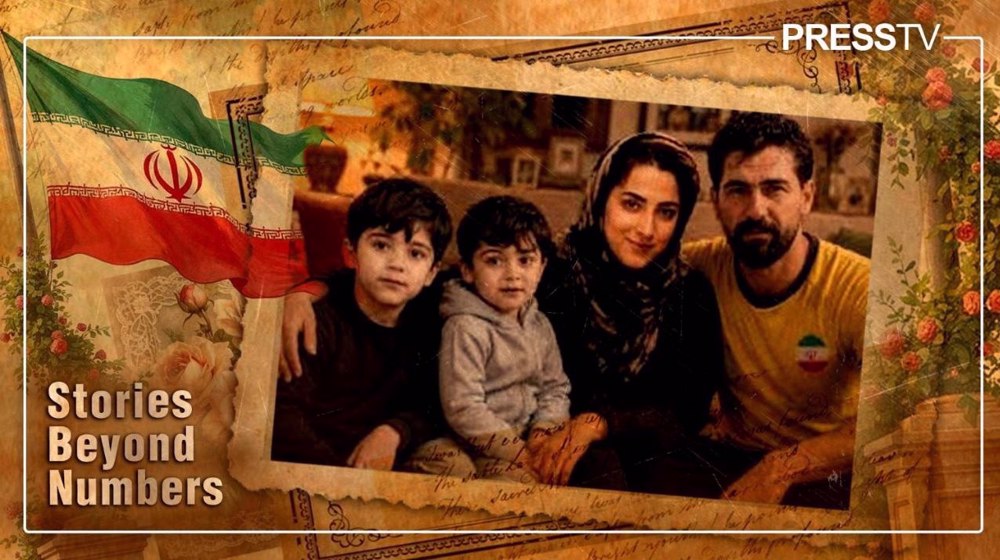
At first, the Asgari family counted eight dead. A US-Israeli missile strike had targeted their home on March 2, killing Zahra Asgari, her parents, Davoud Asgari and Ashraf Khaleqi, and her two brothers, Ali and Hossein, along with her three children: Abbas, 12, the eldest, Ali Akbar, 10 and Noura, just five.
For a family already trying to absorb a loss so devastating, there was another discovery still to come. Zahra Asgari had been pregnant. There was a ninth life lost in the strike, the child she was carrying.
For Hossein Esmailzadeh, Asgari's brother-in-law, the loss evoked the tragedy of Karbala.
“This family had always prayed for martyrdom,” he said to a Persian news website.
“The entire family, even the children, were fasting. They attained martyrdom thirsty, while fasting. To attain martyrdom during the blessed month of Ramadan at the hands of the worst and most vile people in the world is the pinnacle of honor.”
Charity for martyrdom
Tavakoli, a family friend, remembers that Asgari would set aside alms every day for death.
“Isn’t charity meant to keep calamity at bay?” Tavakoli recalled asking the young woman.
“Now I understand. You were giving charity to ward off the calamity of ordinary death.
“As the Leader (Ayatollah Sayyed Ali Khamenei) said, you wished for a ‘profitable death.’ God granted you that wish, Tavakoli said, "and granted it alongside every member of your family.”
For a friend who knew Asgari personally, her story was also one of a woman deeply concerned with the lives of children and families affected by the US-Israeli war of aggression against Iran.
She was a kindergarten teacher who had spent much of her time documenting the lives of families affected by Israeli wars of aggression, from Gaza to Lebanon and Iran.
The friend, who wrote about Asgari for a Persian-language news website but chose not to disclose her identity, had met her a few weeks before her death.
She had met Lebanese families, including children whose families were injured in Israel's 2024 pager terror explosions, the friend recounted.
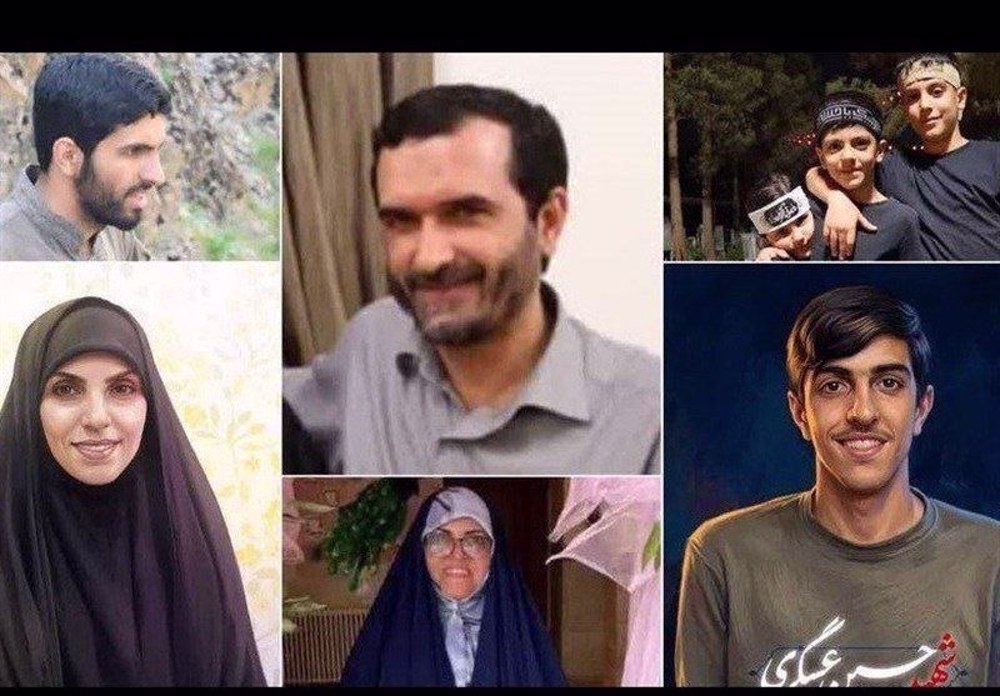
The young woman had recorded their stories on her Telegram page called Marjooleh. She had also begun writing War Diaries, inspired by a 2006 book about the 33-day Israeli war on Lebanon.
Asgari had come to her friend's office to discuss stories she had been collecting from families affected by Israel's war against Iran and other countries in the region, including Lebanon.
During their meeting, Asgari quietly looked around at the books on the shelves, moving her rosary beads through her fingers. They spoke about the families she had met and whether their stories could be developed into a larger work.
"Zahra said she needed time to think about it. The notes she had taken, she explained, belonged to sensitive moments she had spent with the victims of Israeli aggression, her friend wrote.
'I have chosen motherhood'
The conversation eventually turned to her own life.
“Of all the things I can do,” she said, “I have chosen motherhood.”
She was already thinking about returning to her children. Their lessons were being held online that week, and she had promised not to stay long.
“Tea was brought in, but she did not drink it. She picked up a chocolate wrapped in red paper, but did not open it. When I mentioned that the tea had gone cold, she quickly put the chocolate back in the dish and apologized," the friend recalled.
Her reluctance reflected a religious understanding of public property as a trust that should not be taken or used without permission.
According to her friend, Asgari's concern for children affected by Israel’s war extended far beyond her work as a teacher.
She wanted the stories of the war-torn families she met to be preserved and hoped to connect them with people who could document their experiences.
She spoke about Syrian families who had arrived in Iran in the final days before Hay’at Tahrir al-Sham (HTS) regime forces toppled President Bashar al-Assad’s government.
She knew two or three of them personally and said she would ask whether they would agree to be interviewed, Asgari's friend described.
Before they parted, the friend gave Asgari a book about martyred Hezbollah Secretary-General Sayyed Hassan Nasrallah.
Asgari finished reading it within a day. She later messaged her friend to say that she had enjoyed the book and had already recommended it to others.
"Those who know God understand themselves to be only a means, entrusting themselves and everything they have to Him," she wrote to her friend, elaborating about the book.
In her final message to her friend, Asgari reflected on working on behalf of martyrs, describing it as "the privilege of accompanying someone whose hand was more open to God than ours, closer to Him and more receptive to His grace."
'Nothing but beauty'
Her final public post was about wounds. Asgari wrote that almost anything can be made more beautiful through art and sincerity, except a wound.
Yet she said she found beauty in the injuries she had witnessed among survivors of Israel’s brutal pager attacks, “a scarred face, a hand with missing fingers but still raised in prayer, and the pain of someone wounded while striving for what they believed in.”
She ended the post with a line attributed to Hazrat Zainab (AS), the daughter of Imam Ali (AS), who, according to accounts of the aftermath of the Battle of Karbala, said of the martyrdom of her brother, Imam Hussein (AS), and his 72 companions: “I saw nothing but beauty.”
Asgari and her children were buried alongside other members of the family who were killed in the US-Israeli attack.
The stories she had gathered about other victim families, however, remained untold.
Discover Iran: Tabriz’s ‘Mausoleum of Poets,’ where centuries of Persian literary history live on
Discover Iran: Tabriz’s Blue Mosque, where glorious history meets timeless Iranian architecture
200 nights, one resilient nation: Iranian people’s epic in defense of homeland and Revolution



US visa ban on Iranian president’s media team is bid to hide the truth: FM spokesman
US aggression, economic warfare amount to crimes against humanity: Iran's UN envoy
Protests erupt in US as ICE agent shoots Venezuelan driver
US pressure fuels cooperation among Muslim states: Pezeshkian
Major TV networks suspend White House pool coverage after Trump ban
US visa ban on Palestinian UN delegation violates international agreements: Hamas
VIDEO | Press TV's news headlines
Iran calls on France to respect law after suspending French cultural institute in Tehran


 PressTV NEWSLETTER
now
PressTV NEWSLETTER
now
 This makes it easy to access the Press TV website
