Cessation of war in Lebanon central to any agreement with US: Senior Iranian MP
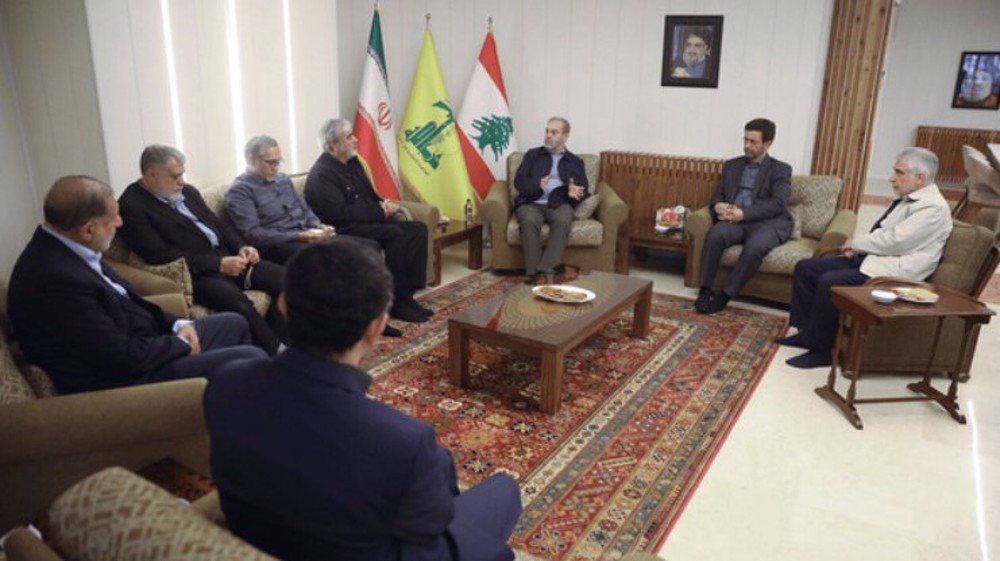
A senior Iranian lawmaker has said that an end to regional war, particularly in Lebanon, is a central condition in any agreement with the United States.
Ebrahim Azizi, chairman of the Iranian Parliament’s National Security and Foreign Policy Committee, made the remarks during a meeting on Wednesday with Sayyed Abdullah Safi al-Din, Hezbollah’s representative in Iran.
“The cessation of war on all fronts, especially Lebanon, is at the top of our agreement with the United States, and we believe in the victory of the resistance and believe that with common understanding and effort, the ultimate goal, which is the destruction of Israel, will be achieved,” Azizi said.
Referring to the recent war, Azizi said the resistance front had demonstrated its capabilities “in all areas,” adding that its performance had gone “beyond the enemy’s imagination.”
He rejected descriptions of regional resistance movements as Iran’s “proxies,” saying groups in Lebanon, Yemen, Iraq, and Palestine operate independently.
“These movements have independently proven that they have stood against oppression,” he said, adding that Iran supports the resistance front, Lebanon’s unity, its territorial integrity, and the right of the Lebanese people to determine their own future.
Azizi added that the Islamic Republic would not allow the United States or Israel to undermine ties between Tehran and the resistance movements.
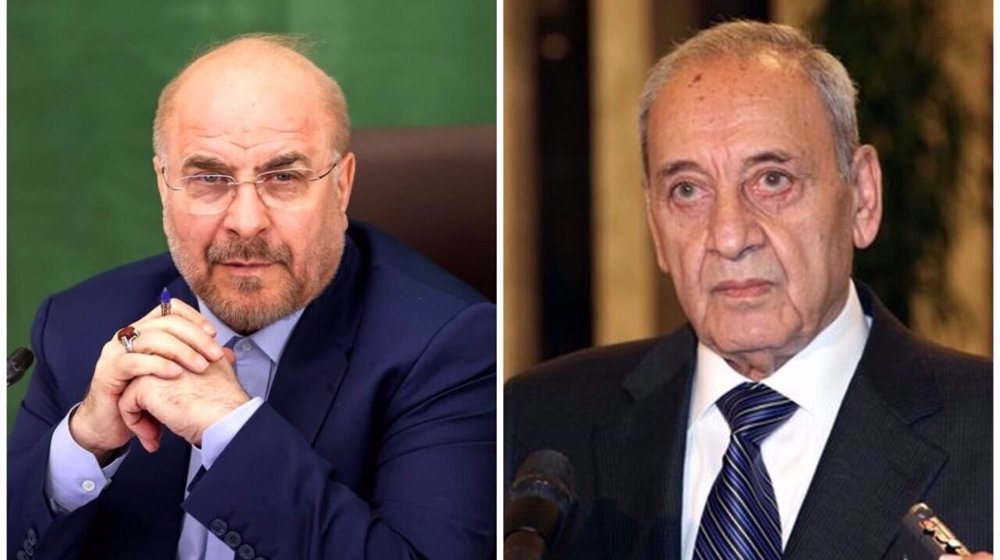
For his part, Safi al-Din said Lebanese resistance fighters had inflicted “unprecedented” losses on Israeli forces.
“Despite the severe censorship of information by the Israeli regime, more than a thousand deaths and injuries have been inflicted on the enemy during this period, which is unprecedented in its kind,” he said, adding that in some cases up to 40 operations were carried out daily deep inside the occupied territories.
Praising the political and military pressure exerted by Iran, Safi al-Din said it had contributed to forcing Israel into retreat, adding that “the enemy is collapsing due to the exhaustion of the army.”
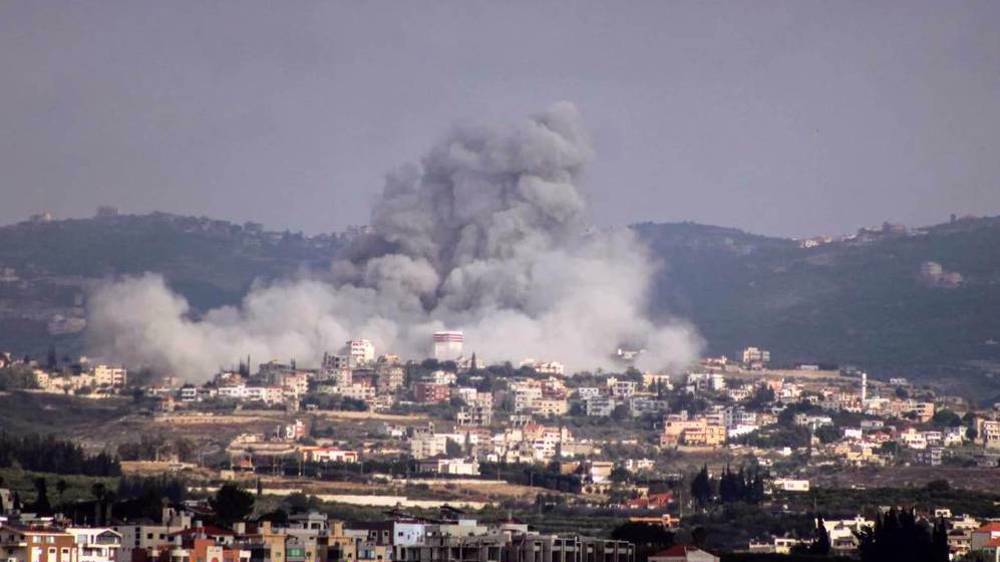
On Monday, Israeli prime minister Benjamin Netanyahu said he had ordered strikes on the Dahiyeh area, a predominantly Shia district in Beirut’s southern suburbs, and issued evacuation orders covering the entire area.
In response, Iran’s central military command warned that if Israel carried out its threat to bomb southern Beirut, Iranian forces would retaliate against the northern occupied territories.
Iran’s Foreign Ministry also said Tehran was ready to help Lebanon resist the “illegal aggression,” adding that a Lebanon ceasefire is “an integral part of any ceasefire and any final agreement” with the United States.
Shortly after Iran’s warning, US President Donald Trump said on social media that he had intervened, claiming he had held a “very productive conversation” with prime minister Benjamin Netanyahu that prevented further escalation.
He also said he had reached an understanding with Hezbollah through senior representatives, stating that the resistance group had agreed to halt attacks in exchange for Israel refraining from strikes.
A Pakistan-brokered ceasefire between Tehran and Washington, which also covers Lebanon, has been in place since early April, though Israel has continued carrying out daily attacks on the Arab country in violation of the truce.
Iran has repeatedly said that any ceasefire must be comprehensive, covering all fronts, including Lebanon, and has warned it will not tolerate continued Israeli attacks on the country.
Baghaei: ‘Crude’ US propaganda reveals ‘naivety’ behind ‘unlawful war of choice’ against Iran
Iran: US cannot evade responsibility for war crimes by leaving UN rights council
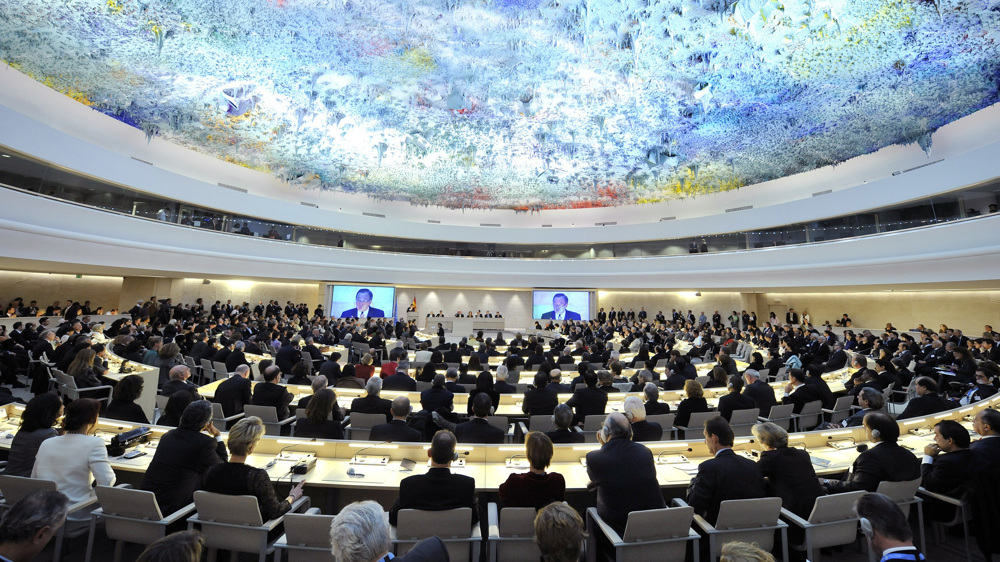
US leaves UN Human Rights Council after probe finds possible American war crimes in Iran



Iran, Pakistan FMs discuss regional developments, energy supplies
VIDEO | Black smoke, flames rise near Riyadh airport amid Yemen strikes
VIDEO | Hundreds of thousands of people in Tehran attend rally, parade dubbed 'Sacrifice for Iran'
Remembering Sabra and Shatila massacre: Why memory is the ultimate shield against erasure
Syria’s HTS declines Saudi bid for militants against Yemeni forces: Report
VIDEO | Pentagon criticized for failing to release real number of US troops casualties
Araghchi: Military intervention cannot create security; coercion cannot bring peace
VIDEO | US president using Greenland as foreign policy success


 PressTV NEWSLETTER
now
PressTV NEWSLETTER
now
 This makes it easy to access the Press TV website
