US slaps 'unjustified' new tariffs on dozens of trade partners
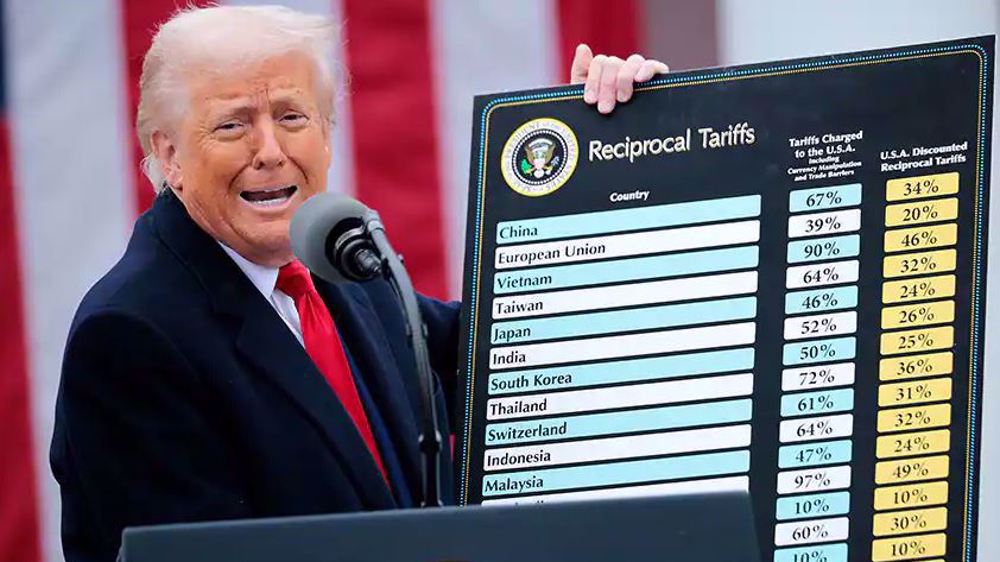
The United States has hit dozens of its trade partners with "unjustified" new tariffs, replacing an expiring global duty rolled out by President Donald Trump earlier this year.
Sixty US trading partners will now see new tariffs imposed on them, ranging from 10 percent to 12.5 percent, and taking effect on Friday.
The Trump administration said the new tariffs, which were announced on Thursday, followed months-long investigations into the trading practices of US trading partners.
It said the new tariffs will be enacted under Section 301 of the Trade Act of 1974, a different statute from how most US duties have been authorized in the past.
The US Supreme Court struck down in February most of Trump’s "illegal" tariffs that had been imposed on US trading partners under the International Emergency Economic Powers Act.
The Supreme Court ruled that the Trump administration had exceeded its authority by imposing heavy tariffs on US trading partners.
However, after the Supreme Court struck down a host of Trump's tariffs, the administration quickly began to reinstate the president's tariff wall by using another statute. The move renewed Trump's ability to unleash steep levies at will.

Now, the Trump administration claims that under Section 301 of the Trade Act of 1974, it found that the 60 economies have failed “to impose and effectively enforce a prohibition on the importation of goods produced with forced labor.”
“The United States has had a forced labor import ban for nearly a century, and rigorously enforces it; it’s well past time for our trading partners to do the same,” said US Trade Representative Jamieson Greer in a news release.
Greer earlier said that the targeted countries represented the majority of US trade partners.
The countries targeted in the new tariffs cover a wide swath of main US trade partners, including Australia, Canada, Mexico, India, the United Kingdom, Chinese Taipei and the European Union.
The "forced labor" cited by the Trump administration in the statute was rejected by EU foreign policy chief Kaja Kallas.
Kallas claimed the statute did not apply to the EU. “If you compare our labor laws to the ones of the United States, I mean, we have paid vacations, we have very good labor conditions for our employees, so it’s not really grounded.”
However, according to the Trump administration, countries that have implemented a forced labor import prohibition or committed to do so were hit with the lower 10-percent tariff rate. They included Canada, the EU, India and the United Kingdom.
Others were deemed to deserve the higher 12.5 percent tariff for not implementing a forced labor import prohibition. These include China, Japan, South Korea and dozens more of US trade partners.
The countries targeted by the new tariffs swiftly denounced the move, with Japan saying it "regrets" the move and Australia's trade minister calling the tariffs "unjustified."
China's foreign ministry spokesperson warned the Trump administration against the move, reminding the US leadership that a trade war was "not in the interests of any party."
Former US trade official Ryan Majerus said the Trump administration is looking for excuses to impose its new tariffs on other countries aggressively.
Majerus pointed out that Section 301 of the Trade Act of 1974, which Greer plugged into for the latest tariffs, gives the Trump administration "more flexibility than people realize" to impose new tariffs on more countries.
US officials warned that 16 countries were still being investigated for excess economic trade.
The investigations could lead to additional duties, it added, signaling that the US tariffs were still fragile.
In the meantime, the EU expressed relief after the announcement of the new US tariffs, saying the new levies were "in line with the US tariff commitments agreed under the EU-US Joint Statement."
Items already facing sector-specific tariffs like steel and aluminum will not be impacted by the new tariffs and certain energy products and fertilizers will also be exempt.
Products covered by the US-Mexico-Canada free trade pact are also exempt, a US official told media.
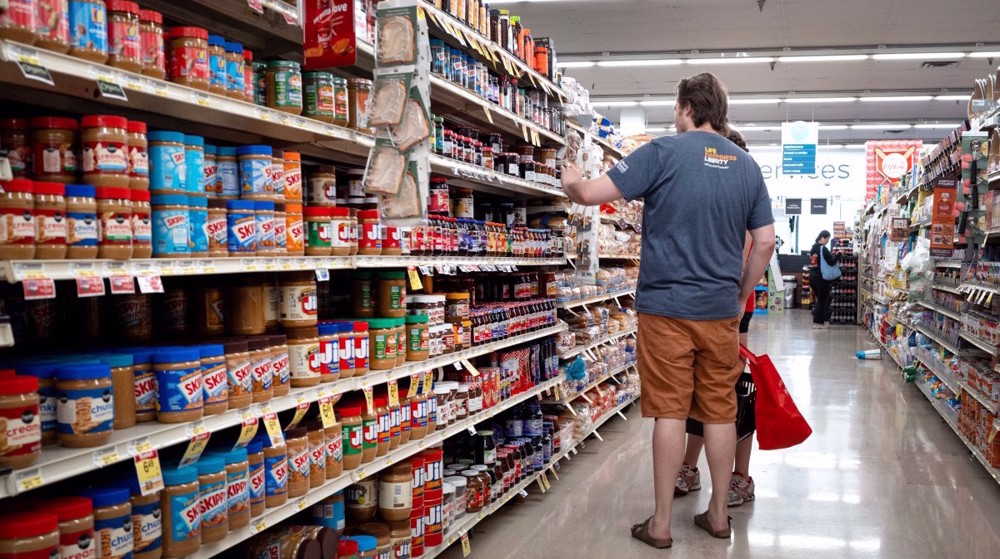
In the meantime, American economists warn that the new tariffs on main US trade partners would impact the economy negatively, increasing the cost of living for Americans from all walks of life, particularly hitting harder on the lower stratum of society, already struggling to make ends meet.

War on Iran hits back: JPMorgan can’t predict oil prices after US crossed ‘red lines’
Skyrocketing US inflation

World losing faith in US financial system says Araghchi amid US debt meltdown



Hamas condemns Netanyahu’s illegal entry into Al-Aqsa Mosque
Iran dismantles terrorist cells in three provinces
VIDEO | Claim that new deal won’t undermine Greenland sovereignty is a lie: Author
VIDEO | Press TV's news headlines
Iranian lawmakers push for NPT withdrawal, submit bill to Parliament's Presiding Board
Persian Gulf markets plunge as Yemeni forces strike Riyadh
VIDEO | Iran war will break America
Iran Open RoboCup brings together 700 teams and around 2,000 young robotics innovators


 PressTV NEWSLETTER
now
PressTV NEWSLETTER
now
 This makes it easy to access the Press TV website
