Persian Gulf markets plunge as Yemeni forces strike Riyadh
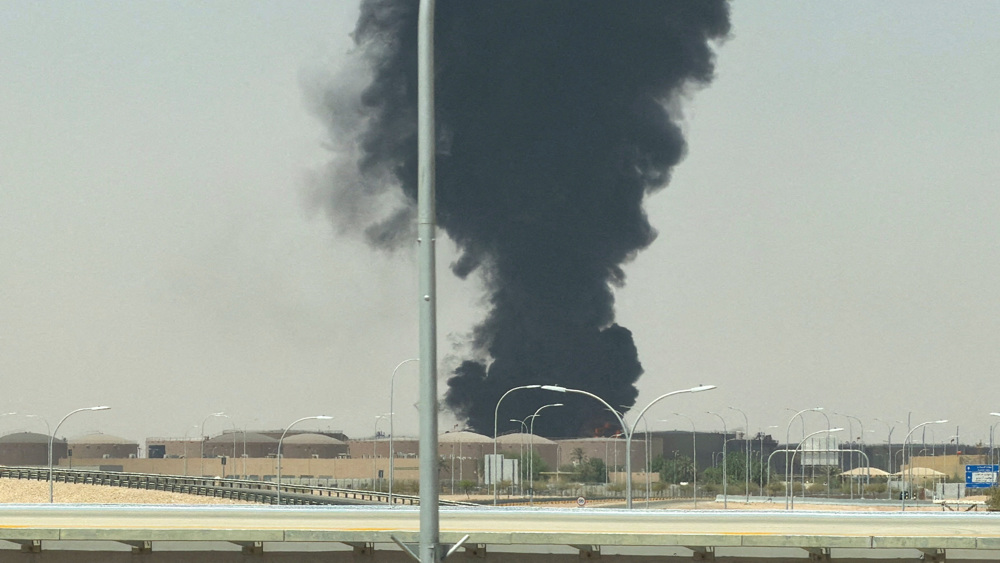
Saudi Arabia’s stock market opened sharply lower on Sunday as a massive aerial assault by the Yemeni Armed Forces on targets in Riyadh sent shockwaves through financial hubs across the Persian Gulf region.
Flames and thick plumes of smoke were seen rising near the Saudi capital's main airport following the barrage of missiles and drones.
The economic impact of the strikes quickly spread across regional bourses.
Saudi Arabia's benchmark Tadawul index fell 0.5%, dragged down by a 0.6% decline in state oil giant Saudi Aramco and a 0.5% drop in the kingdom's largest lender by assets, Saudi National Bank.
The subdued sentiment was not contained to Riyadh. In Qatar, the main index tumbled 0.9%, pressured heavily by a 3.7% plunge in petrochemical producer industries, reflecting deep investor anxiety over the security of energy infrastructure across the Persian Gulf.
Operating under "an escalation for an escalation and a siege for a siege" doctrine, the Yemeni Armed Forces have repeatedly targeted Saudi positions in response to Riyadh’s complicity in the blockade and bombing of Yemen.
Saudi Aramco halted crude oil deliveries to at least two European customers for October in the wake of the shutdown of Saudi Arabia’s East-West pipeline after an attack damaged sections of the route last week.
The state-owned oil giant informed at least two European refiners that they would receive no crude next month, Bloomberg reported on Friday, citing people familiar with the matter.
The pipeline carries crude from oil fields in eastern Saudi Arabia to the Red Sea port of Yanbu, providing the kingdom with an alternative export route that bypasses the Strait of Hormuz.
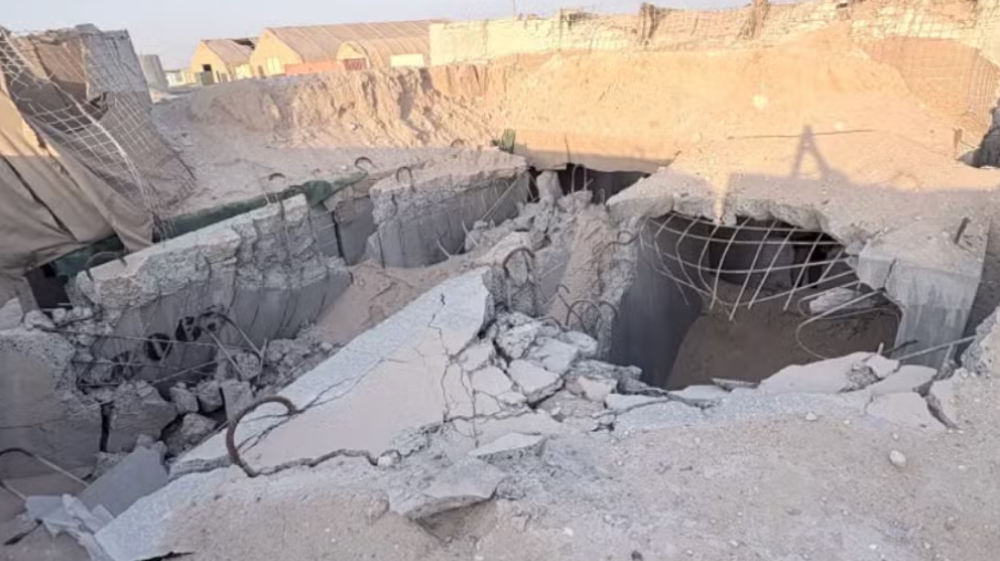
New images reveal severe destruction at US base in Kuwait after Iranian strikes
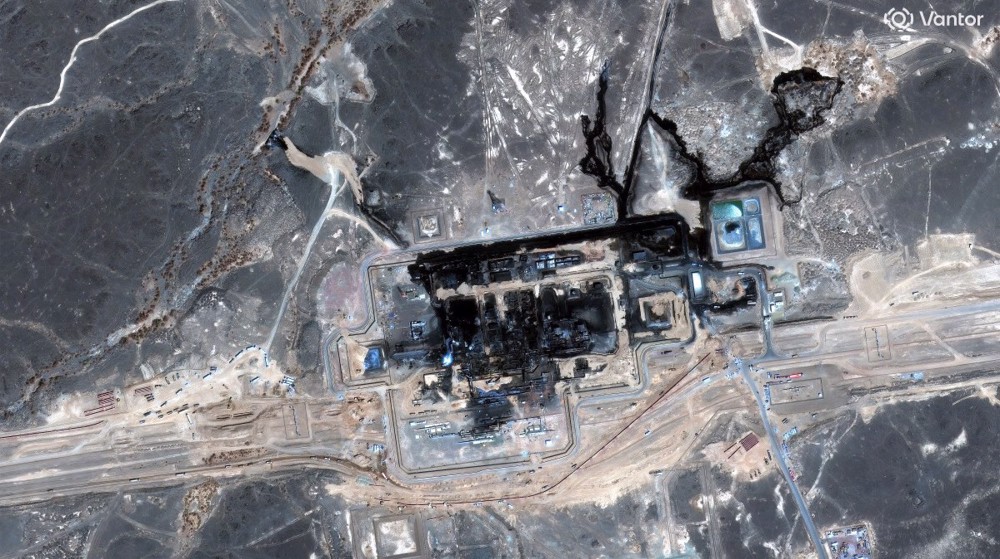
Saudi Aramco halts European crude supplies amid disruption to key oil route
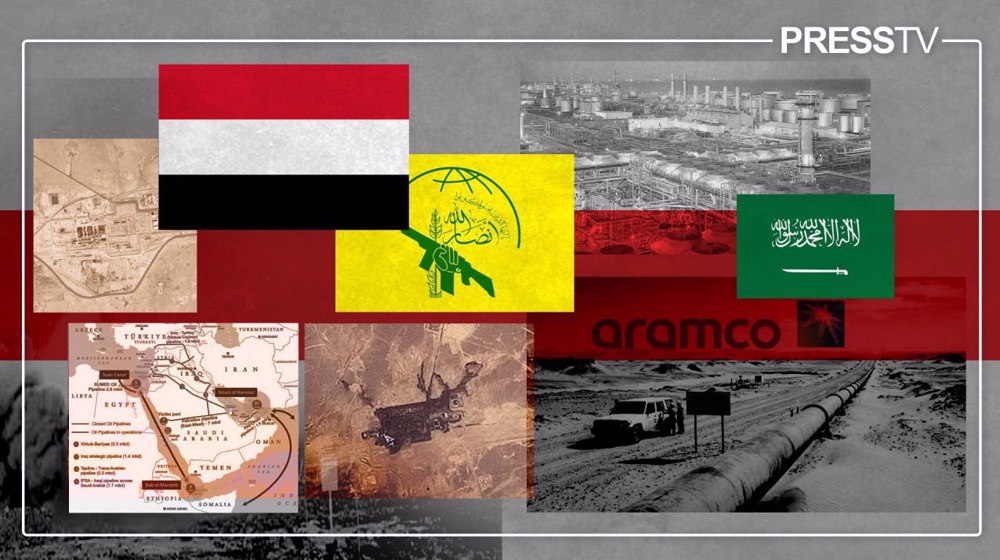
How Yemeni retaliatory strike on Saudi East-West pipeline exposed limits of bypassing Hormuz



Persian Gulf markets plunge as Yemeni forces strike Riyadh
VIDEO | Iran war will break America
Iran Open RoboCup brings together 700 teams and around 2,000 young robotics innovators
VIDEO | News Review: Trump’s move to ban several media outlets from WH draws condemnation
VIDEO | US uses threat of drug cartels to justify Venezuela invasion: Commentator
VIDEO | Police clash with far-right protesters in The Hague
How Iran turned US military and economic aggression into strategic leverage to dictate terms
‘No restraint’ against any aggression: Iran's top military command warns US, its regional allies


 PressTV NEWSLETTER
now
PressTV NEWSLETTER
now
 This makes it easy to access the Press TV website
