Iran Cancer Institute: West Asia's largest cancer hospital marks a giant leap in advanced oncology care
By Ivan Kesic
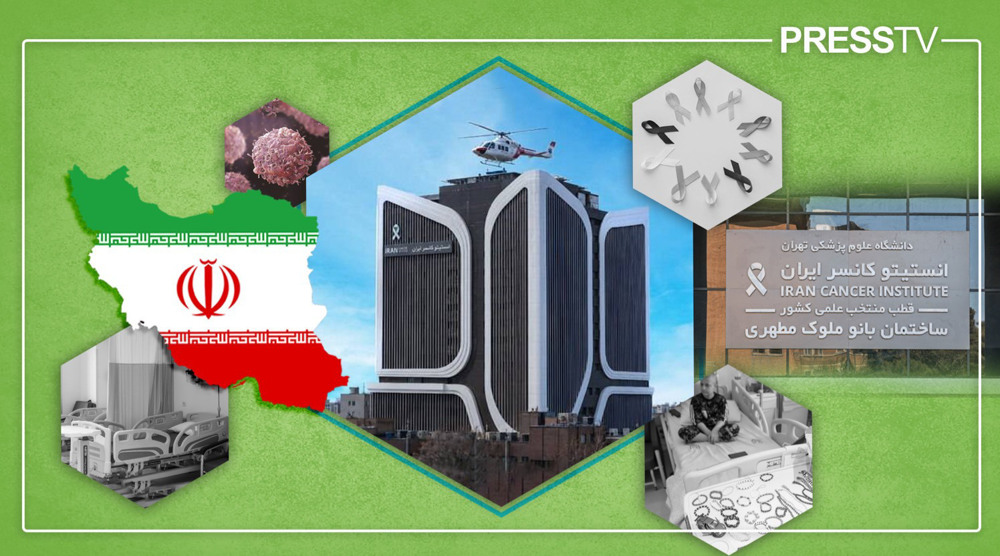
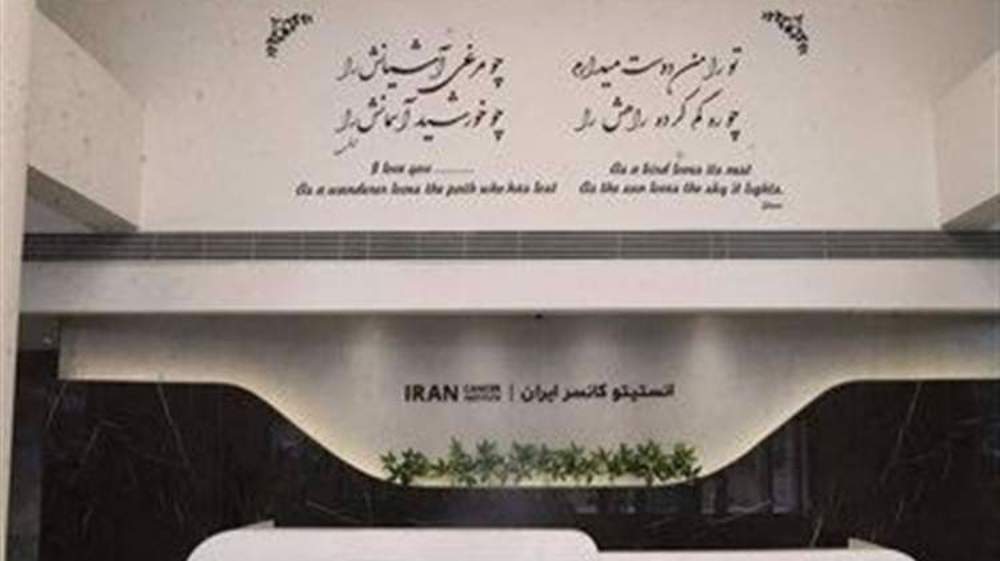
With the official inauguration of its new 18-story, 60,000-square-meter facility, the Iran Cancer Institute in Tehran is the largest cancer treatment hospital in West Asia, marking a historic milestone in the country’s commitment to advanced oncology care.
For nearly eight decades, the Iran Cancer Institute has remained Iran’s leading institution in the fight against cancer, evolving from a modest hospital established through a joint initiative between Tehran University Medical School and the Red Crescent Society into a comprehensive academic medical center of regional prominence.
On June 2, that enduring legacy entered a new chapter with the opening of a state-of-the-art building within Tehran’s Imam Khomeini Hospital Complex, replacing the aging facility that had served generations of patients.
The new complex includes 18 floors, spans 60,000 square meters, and has more than 610 inpatient beds, 19 operating rooms, 103 intensive care unit beds, and a national cell therapy laboratory, placing Iran among a select group of countries capable of delivering advanced cellular cancer treatments.
Completed in less than six years despite the challenges posed by three imposed wars, sanctions, and a global pandemic, the facility stands as the largest dedicated cancer treatment center not only in Iran but across the West Asia region.
It integrates surgical oncology, radiation therapy, chemotherapy, immunotherapy, cell therapy, and gene therapy under one roof, while the former building will continue serving as a center for research and medical education.
Legacy of nearly eight decades
The roots of the Iran Cancer Institute trace deep into the country’s modern medical history. In 1949, a joint initiative between Tehran University Medical School and the Red Crescent Society led to the establishment of a cancer hospital that provided surgical, pathological, and outpatient services to referred patients from across the country.
A radiotherapy unit was added the following year, and in 1951, under an agreement with the World Health Organization, Iran’s first cobalt therapy unit was installed, introducing radiotherapeutic services that had previously been unavailable in the country.
By 1970, the facility had been renamed the Iran Cancer Institute and evolved into a fully equipped center encompassing pathology, surgery, radiotherapy, chemotherapy, medical genetics, and an experimental research laboratory.
Over the following decades, the institute developed into a national referral center, receiving patients from every province and even from neighboring countries and becoming one of Iran’s leading sources of cancer epidemiology data.
The establishment of the Tehran Cancer Institute Data System Registry laid a critical foundation for epidemiological research, while the launch of one of Iran’s earliest academic telepathology programs in the early 2000s underscored the institute’s commitment to scientific innovation and advanced care.
By 2012, academic literature had identified the Cancer Institute of Tehran University of Medical Sciences as the country’s oldest and only comprehensive cancer treatment center at the time.
Today, the institute comprises 14 departments, including surgical oncology, medical oncology, radiotherapy, cancer research, radiology, pathology, genetic counseling, specialized laboratories, rehabilitation, and palliative care.
Three specialized research centers operate under its umbrella: the Cancer Research Center, established in 2003; the Cancer Biology Research Center, founded in 2014; and the Radiation Oncology Research Center, launched in 2015. Together, they coordinate research spanning basic science, epidemiology, and clinical medicine.
Historically, the institute has provided inpatient and outpatient care to approximately 10,000 cancer patients annually, a figure expected to increase significantly with the expanded capacity of the new facility.
Old building: service under constraint
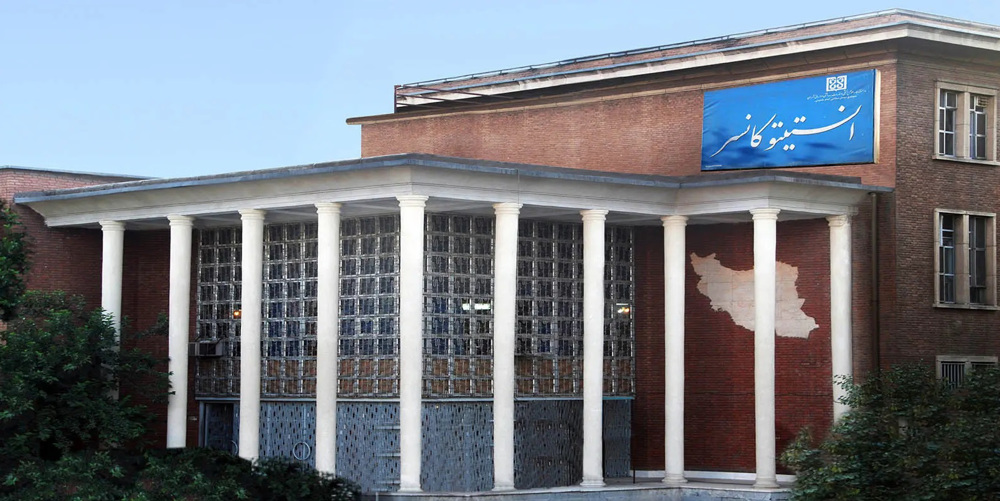
Before the inauguration of the new facility, the Iran Cancer Institute operated from a building on the eastern side of the Imam Khomeini Hospital Complex that had served patients for decades but struggled under mounting capacity constraints.
The aging facility housed approximately 200 inpatient beds, seven active operating rooms, and basic diagnostic and therapeutic equipment that, while sufficient for many years, could no longer keep pace with the rising cancer burden in a nation of more than 85 million people.
The surgery unit functioned through three departments spread across four inpatient wards, but waiting lists for essential cancer operations had, in some cases, stretched to four months, delaying critical interventions and intensifying patient hardship.
The radiotherapy and chemotherapy departments, staffed by highly dedicated specialists, operated at full capacity, while research centers and educational programs continued their work in facilities that had seen little significant expansion since the 1970s.
Despite these limitations, the old building remained a place of hope and healing, saving thousands of lives and reuniting countless patients with their families.
Multidisciplinary tumor boards covering general oncology, head and neck cancers, gastrointestinal malignancies, breast cancer, and sarcoma continued providing expert consultation for complex cases, while residency and fellowship programs in pathology, radiation oncology, medical oncology, cancer surgery, and palliative care trained successive generations of Iranian oncologists.
Over time, however, the old facility became increasingly inadequate for the scale and complexity of the country’s growing needs, making the construction of the new center not simply an upgrade, but an urgent necessity.
New building: West Asia’s largest cancer hospital
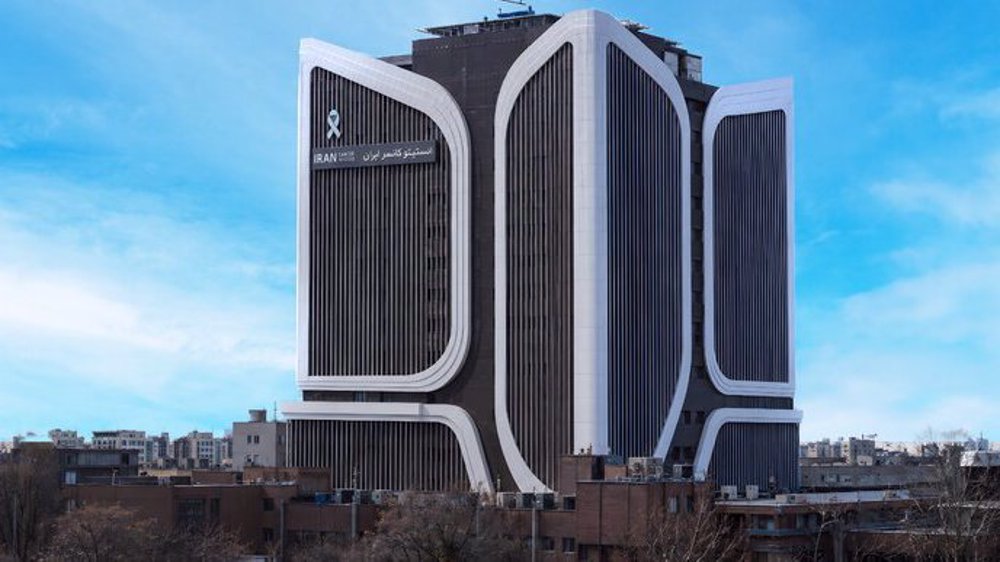
The new Iran Cancer Institute building, inaugurated on June 2 during an impressive ceremony attended by the Minister of Health and other senior officials, represents a transformative leap in the country’s oncology infrastructure.
Rising 18 stories and spanning 60,000 square meters, the facility was completed in less than six years, an achievement made even more remarkable by the challenges posed during that period, including the coronavirus pandemic, three imposed wars, and severe economic pressure and inflation caused by illegal Western sanctions.
The project was supported by charitable contributions, most notably from Gholam Hossein Motahari, who funded the construction in memory of his late mother, Najmolmouk Motahari. The hospital now bears the name Khairsaz Cancer Institute Hospital.
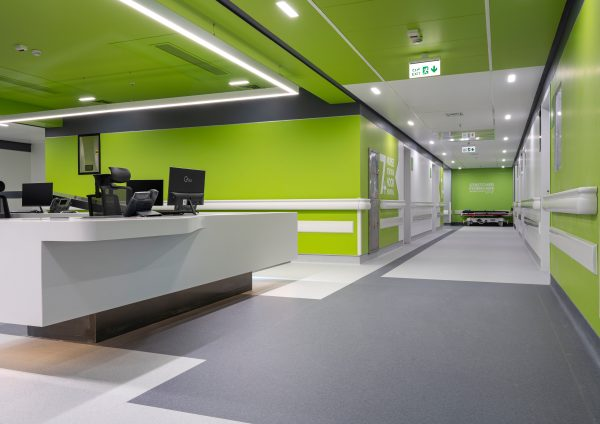
By any regional measure, the scale of the facility is extraordinary. It includes more than 610 inpatient beds dedicated exclusively to oncology care, among them 103 intensive care unit beds, 12 emergency beds, and six home care beds for patients requiring long-term or specialized support.
Its surgical capacity has expanded to 19 operating rooms, alongside six endoscopy suites and 96 dedicated chemotherapy beds. The hospital encompasses 37 specialized departments covering every major area of cancer treatment, including pediatric oncology, geriatric malignancies, hematologic cancers, bone marrow transplantation, head and neck cancers, and other complex diseases.
The intensive care capacity has increased tenfold compared to the previous facility, while bone marrow transplant capacity has doubled, marking a major advancement for patients suffering from hematologic malignancies.
The technological infrastructure of the new complex is equally sophisticated. The hospital is equipped with 11 advanced imaging and radiotherapy systems, including the first CyberKnife unit installed in a government medical center in Iran.
This state-of-the-art robotic radiosurgery system delivers highly precise radiation to tumors while minimizing damage to surrounding healthy tissue, allowing physicians to treat previously inoperable or difficult-to-access lesions.
The facility also includes advanced MRI systems, linear accelerators, and comprehensive diagnostic imaging services, including radiology, sonography, and mammography. A national cell therapy laboratory has likewise been established within the complex, with equipment procured through support from the Presidential Vice Presidency for Science and Technology.
The laboratory places Iran among a select group of countries capable of delivering advanced cellular cancer treatments such as CAR-T cell therapy, which genetically engineers a patient’s own immune cells to target and destroy cancer.
Beyond clinical treatment, the new building addresses the broader supportive care needs of cancer patients, recognizing that effective oncology care extends far beyond surgery and medication alone. The facility includes nutrition clinics, genetic counseling services, palliative medicine units, and rehabilitation centers.
The hospital has also adopted a health-promoting approach with a strong emphasis on tobacco control, given that tobacco use accounts for nearly 35 percent of Iran’s cancer burden.
Meanwhile, the old building has been preserved as a dedicated education and research center, ensuring the institute’s longstanding academic mission continues uninterrupted while the new complex focuses primarily on advanced clinical care.
Regional and global standing
With the inauguration of its new facility, the Iran Cancer Institute has emerged as the largest cancer treatment hospital in West Asia, a region home to more than 350 million people.
Among comparable regional institutions, the King Hussein Cancer Center in Amman, Jordan, is internationally recognized for its accreditation and research profile but operates with approximately 350 beds.
Türkiye’s Hacettepe Cancer Institute in Ankara and Anadolu Medical Center in Istanbul provide comprehensive oncology services, though on a smaller scale than the newly expanded Tehran complex.
Likewise, the National Center for Cancer Care and Research in Doha, Qatar, serves a significantly smaller population base. With more than 610 dedicated oncology beds, the Iran Cancer Institute now ranks as the region’s largest specialized cancer treatment center by capacity.
Globally, some of the world’s leading cancer hospitals include the University of Texas MD Anderson Cancer Center in Houston, which operates roughly 750 inpatient beds within a vast network of research and outpatient facilities.
Memorial Sloan Kettering Cancer Center in New York with approximately 500 beds; the China National Cancer Center in Beijing with more than 1,500 beds spread across multiple campuses; and the National Cancer Center Hospital in Tokyo with nearly 600 beds.
Although the Iran Cancer Institute does not claim to exceed the largest global institutions in overall scale, its new facility is comparable in size and capability to major cancer centers across Europe, Japan, and North America. Its emergence as the largest cancer hospital in West Asia, therefore, represents a major medical and scientific achievement.
The institute has also developed extensive international collaborations with organizations and universities including the International Agency for Research on Cancer, the International Union for Cancer Control, the US National Cancer Institute, Sweden’s Karolinska Institutet, the University of Toronto in Canada, Maastricht University in the Netherlands, Cancer Registry Norway, the University of Greifswald in Germany, Morgan State University in the United States, and the University of Pavia in Italy.
These partnerships facilitate scientific cooperation, data sharing, professional training, and capacity building across multiple fields of cancer prevention, diagnosis, treatment, and research.
Service capacity and academic mission
The new building began operations nearly two months before its formal inauguration, with approximately 300 patients already hospitalized at the time of the official ceremony.
The hospital receives patients from across Iran and is also positioned to attract international patients through medical tourism programs, offering advanced oncology services at costs estimated to be nearly one-tenth of those charged by centers in Europe or North America.
The facility is designed to treat all forms of cancer in both children and adults, with many of the country’s leading specialists delivering care across surgical, medical, and radiation oncology disciplines.
Despite its major clinical expansion, the academic mission of the Iran Cancer Institute remains central to its identity. The institute continues to offer residency and fellowship programs in pathology, radiation oncology, medical oncology, cancer surgery, and palliative care. Each year, it accepts three fellows in cancer surgery, one breast surgery fellow, one head and neck surgery fellow, and one oral and maxillofacial surgery fellow.
The surgery department also hosts general surgery residents from all Tehran University of Medical Sciences centers on a rotating basis, while residents from other universities participate as observers or active trainees.
Its weekly multidisciplinary tumor boards function as specialized forums for collective decision-making on complex cancer cases while simultaneously providing valuable educational opportunities for fellows and residents across multiple subspecialties.
Meanwhile, the institute’s three major research centers continue their work within the preserved old building. The Cancer Research Center, established in 2002, serves as the secretariat of the National Cancer Research Network, linking and coordinating more than 40 cancer-related research centers throughout the country.
The Cancer Biology Research Center focuses on preclinical research, including in vitro cell culture, molecular oncology studies, in vivo animal models using conventional and immune-deficient mice, and patient-derived xenograft tumor models.
The Radiation Oncology Research Center conducts research into ionizing radiation in cancer treatment, radiation health effects, radiobiology, dosimetry, and clinical oncology.
The institute’s Hospital-Based Cancer Registry, established in 1996 as Iran’s first hospital-based cancer registry, continues collecting demographic and medical data on cancer patients for submission to the Ministry of Health as part of the National Cancer Registry Program.

Iran Open RoboCup brings together 700 teams and around 2,000 young robotics innovators
Iranian CO2 recovery project named a finalist of 2026 WPC Energy Excellence Awards
Meet the 7-year-old Iranian prodigy who won gold at 2026 International Junior Informatics Olympiad



US aggression, economic warfare amount to crimes against humanity: Iran's UN envoy
Protests erupt in US as ICE agent shoots Venezuelan driver
US pressure fuels cooperation among Muslim states: Pezeshkian
Major TV networks suspend White House pool coverage after Trump ban
US visa ban on Palestinian UN delegation violates international agreements: Hamas
VIDEO | Press TV's news headlines
Iran calls on France to respect law after suspending French cultural institute in Tehran
Israel lobby no longer shy about its grip on US policy on Iran: Araghchi



 PressTV NEWSLETTER
now
PressTV NEWSLETTER
now
 This makes it easy to access the Press TV website
