Scientific excellence amid war: Iran’s Olympiad students win maths championship, five physics medals
By Ivan Kesic
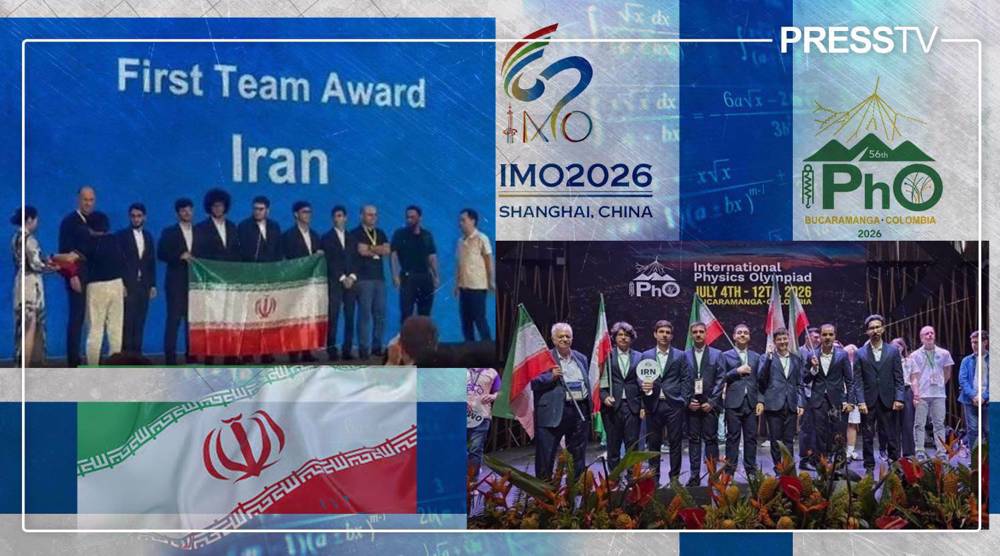
In the last few weeks, Iranian students once again showcased the nation's scientific excellence, winning first place at the International Mathematics Competition of Shanghai and pocketing five medals at the 56th International Physics Olympiad, reinforcing the Islamic Republic's standing among the world's leading Olympiad-performing countries.
These latest achievements add to Iran's longstanding tradition of success in international science competitions. Competing against some of the world's brightest young minds, Iranian students ter again delivered exceptional performances in both mathematics and physics, securing top team honors and multiple individual gold medals.
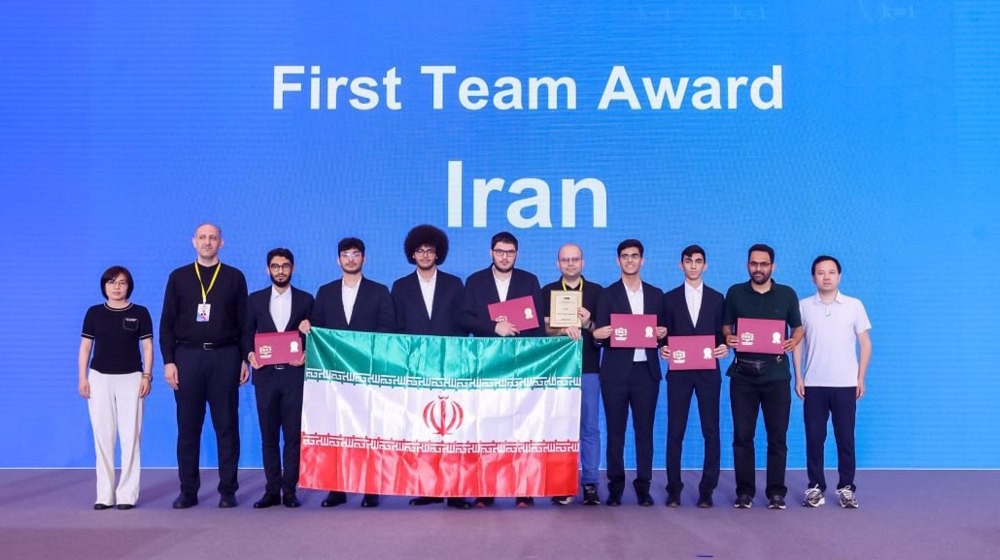
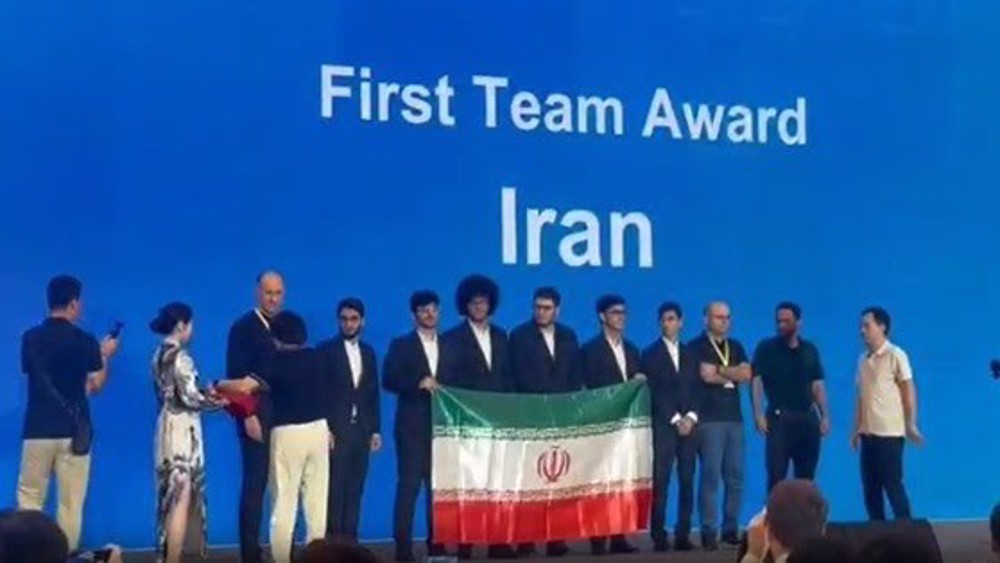
At the International Mathematics Competition of Shanghai, Iran claimed the overall championship title among 49 participating countries, earning four gold medals and two silver medals to finish at the top of the standings.
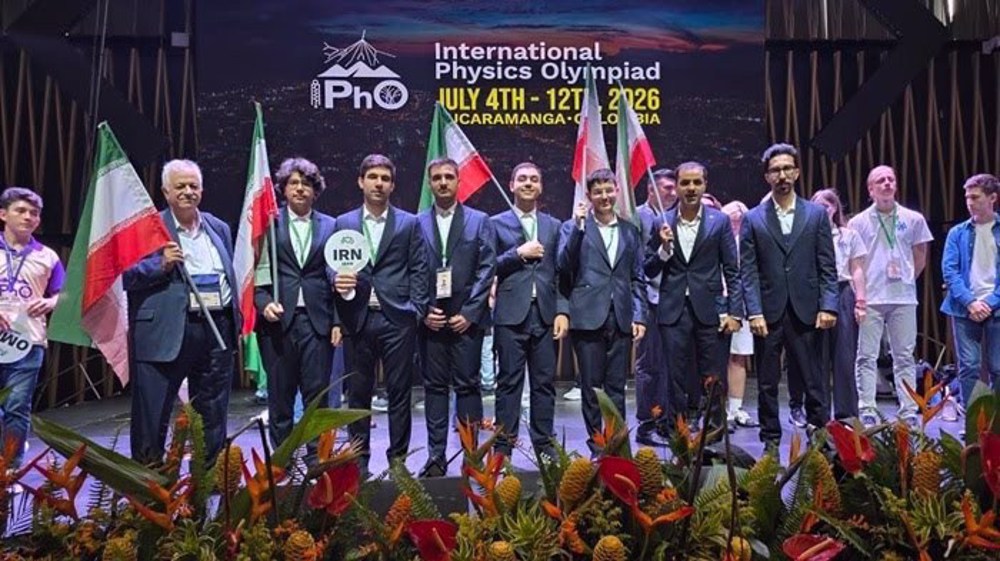
In Bucaramanga, Colombia, Iran's physics team grabbed three gold medals and two silver medals at the 56th International Physics Olympiad. One Iranian student achieved the highest overall score in the competition, underscoring the team's exceptional performance.
Quite notably, these accomplishments came amid the US-Israeli military aggression that began on February 28, 2026 and continues unabated despite a ceasefire in place.
Against this backdrop, Iran's success in international academic competitions has been presented as evidence that scientific advancement and intellectual achievement continue despite imposed wars, external pressure, and economic sanctions.
These successes on the international stage are the product of decades of sustained investment in education, rigorous talent development, and a national culture that places a high value on scientific inquiry and academic excellence, ensuring that each new generation continues to build upon the achievements of those who came before.
Mathematics: championship victory in Shanghai
Iran's national mathematics Olympiad team delivered a commanding performance at the fourth International Mathematics Competition of Shanghai, securing first place among 49 participating teams from across the globe.
The six-member delegation – Aryan Zandi, Arsha Azizoddin, Seyed Amirhossein Tayeb, Alireza Sharifi, Radin Nik Eghbali, and Ali Joonbakhsh Najafabadi – earned four gold medals and two silver medals, placing Iran ahead of traditionally strong mathematics countries, including Poland and Brazil.
The victory is particularly significant as it reinforces Iran's longstanding reputation for excellence in advanced secondary-school mathematics.
Although separate from the International Mathematical Olympiad (IMO), the Shanghai competition has rapidly established itself as a highly competitive international event, attracting many of the world's top national Olympiad teams. Iran's first-place finish is therefore widely viewed as further evidence of the country's enduring strength in mathematics education.
Mathematics has long been Iran's most successful Olympiad discipline. Since making its debut at the International Mathematical Olympiad in 1985, Iranian students have amassed an impressive record of 53 gold medals, 116 silver medals, 51 bronze medals, five honourable mentions, and four perfect scores.
Over the past four decades, Iran has finished among the world's top ten teams on nineteen occasions, including a historic overall championship in 1998.
Iran's rich mathematical tradition has also produced internationally renowned scholars, most notably Maryam Mirzakhani. After winning two consecutive IMO gold medals with perfect scores, Mirzakhani went on to become the first woman in history to receive the Fields Medal, widely regarded as the highest honour in mathematics.
Meanwhile, the 67th International Mathematical Olympiad is being held in Shanghai, China, from July 10 to 21, 2026. At the time of writing, the competition remains underway, with the official results yet to be announced.
Physics: gold and silver in Colombia
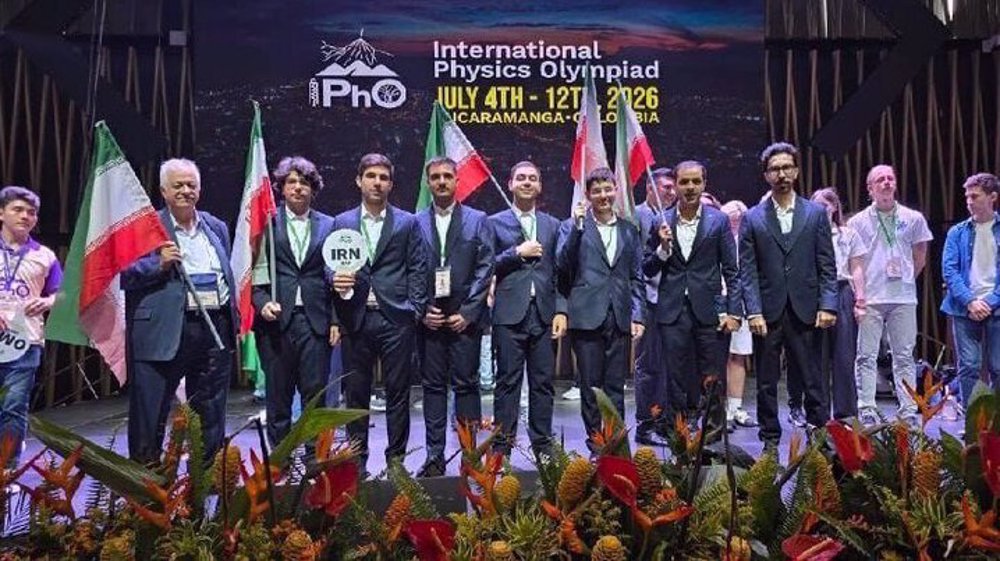
Iran's national physics Olympiad team also delivered an exceptional performance at the 56th International Physics Olympiad (IPhO), held in Bucaramanga, Colombia, from July 4 to 12.
The five-member delegation – Hirbod Foudazi, Kian Zarrabian, Nima Koushki, Amirsam Goharpi, and Mohammad Mirmohammadi – won three gold medals and two silver medals, ensuring that every member of the team returned home with a medal from one of the world's most prestigious and demanding secondary-school science competitions.
Hirbod Foudazi emerged as the Olympiad's highest-scoring contestant, earning first place overall after achieving the top score in the theoretical examinations.
Kian Zarrabian also distinguished himself by finishing first in the experimental physics test, while the Iranian team collectively secured the highest overall ranking in the experimental section, underscoring the country's strength in both theoretical and practical physics.
The results extend Iran's long-standing record of excellence at the International Physics Olympiad. Although countries such as China, South Korea, Taiwan, Russia, and the United States have traditionally dominated the competition, Iran has consistently ranked among the world's leading physics nations.
Since making its debut at the IPhO in 1990, Iran has amassed an impressive total of 153 medals, including 37 gold, 77 silver, and 39 bronze. The country reached a historic milestone in 2010 by finishing third overall.
More recently, at the 2024 Olympiad hosted in Isfahan, Iran earned three gold medals, two silver medals, and one bronze medal to place fourth among 86 participating countries, further cementing its reputation as a global leader in physics education.
System behind the success
The success of both teams is the product of a national Olympiad system that has been refined over several decades. Iran's most gifted students are selected through an exceptionally rigorous, multi-stage examination process administered by the National Organization for the Development of Exceptional Talents (NODET) and affiliated scientific institutions.
Those who advance through successive rounds of national examinations enter intensive residential training camps, where they receive advanced instruction from former Olympiad medalists, university professors, and leading researchers.
Many of the instructors are themselves past medalists, creating a cycle of mentorship and institutional continuity that has become one of the defining strengths of Iran's Olympiad program.
Iran's sustained success in international science competitions has drawn the attention of education researchers, particularly because it has been achieved despite prolonged economic pressures and crippling sanctions.
Analysts often attribute the country's performance to a combination of rigorous nationwide talent identification from an early age, specialized schools for exceptionally gifted students, highly structured training camps, close collaboration with leading universities, and a culture that places a high value on achievement in mathematics, physics, and engineering.
A key feature of the system is the continued involvement of former Olympiad medalists, many of whom return as mentors and instructors. Their participation helps preserve institutional knowledge, pass on proven training methods, and maintain the exceptionally high standards that have characterized Iran's Olympiad teams for decades.
The achievements of Iran's mathematics and physics teams have also drawn praise from participants and observers around the world, with competitors and educators recognizing the high standard of the country's scientific training.
Watch: Iranian princess of #mathematics and a role model for women around the world! (WATCH WITH THE SOUND ON)
— Press TV 🔻 (@PressTV) July 14, 2019
More in: https://t.co/kCVRzvGVIY#math #womeninmath #mathematicians #Mirzakhani #میرزاخانی pic.twitter.com/myWLpAXKQH
National legacy of scientific excellence
The achievements of July 2026 are the latest chapter in Iran's decades-long record of excellence in international science Olympiads. Since the late 1980s, the country has established itself as one of the world's most consistent performers in elite academic competitions, producing generations of medal-winning students across a wide range of scientific disciplines.
Despite years of illegal economic sanctions and geopolitical pressures, Iranian students have amassed more than 600 medals in international Olympiads, refusing to be sidelined. In recent years, the country has averaged between 10 and 15 gold medals annually, while consistently ranking among the world's top-performing nations in mathematics, physics, chemistry, and informatics, often finishing among top performers.
Iran has been particularly dominant in astronomy and astrophysics. In 2025, it secured first place at the World Astronomy Olympiad for a second consecutive year, and over the previous four editions emerged as the overall champion three times, underscoring the depth and breadth of its scientific talent.
The significance of these competitions extends far beyond the medals themselves. Many of Iran's leading mathematicians, physicists, computer scientists, and engineers first distinguished themselves through the Olympiad system before pursuing advanced studies at some of the world's leading universities.
Today, many serve as professors, researchers, and innovators in Iran and at academic institutions across Europe and North America, giving the country's Olympiad program an influence that reaches well beyond secondary education.
For many in Iran, these accomplishments symbolize more than academic success. At a time when scientific and technological capability has become a key measure of national strength, the achievements of Iranian students on the international stage are widely seen as evidence of the country's resilience, demonstrating that sustained investment in education and scientific excellence can endure despite external pressures, sanctions, and imposed wars.
Iran details satellite constellation, radar satellite plans through 2026

Iranian scientists develop first-of-its-kind device to prevent costly oil pipeline-clogging deposits
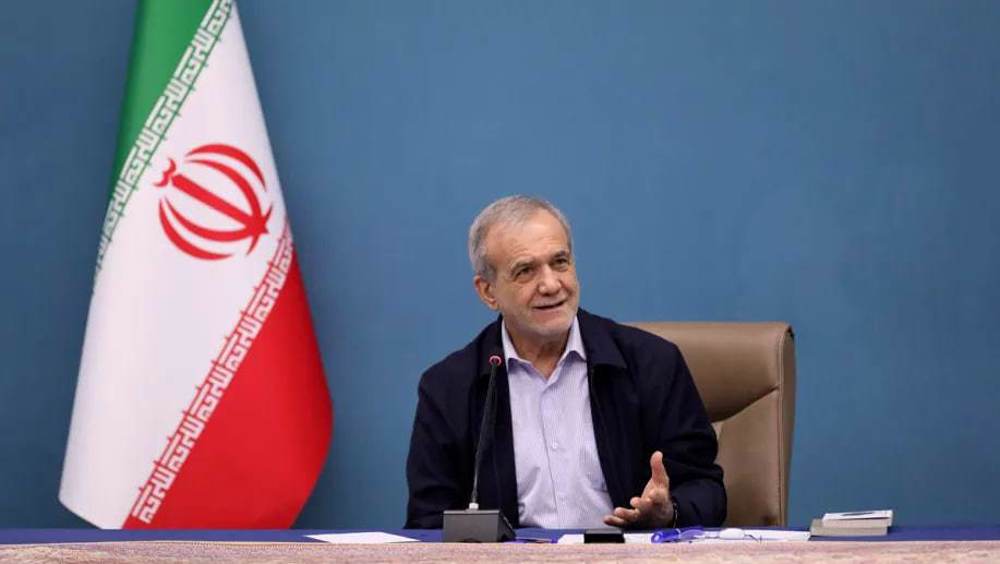
Pezeshkian hails Iran’s physics prodigies for another glory at international Olympiad



VIDEO | Farewell to the Imam
Lebanon arrests man over spying for Mossad, aiding murder of Hezbollah officials
VIDEO | Unfolding media truths
Iran military now stronger than during 12-day war: Senior commander
Resistance front will drag US, Israel into 'quagmire': Iranian military advisor
IRGC fires warning shots at two ships trying to illegally pass Strait of Hormuz
Scientific excellence amid war: Iran’s Olympiad students win maths championship, five physics medals
How Bab el-Mandeb closure could send oil to $200 and trigger a global economic shock


 PressTV NEWSLETTER
now
PressTV NEWSLETTER
now
 This makes it easy to access the Press TV website
