Production lines more active than ever: Iran’s acting defense minister
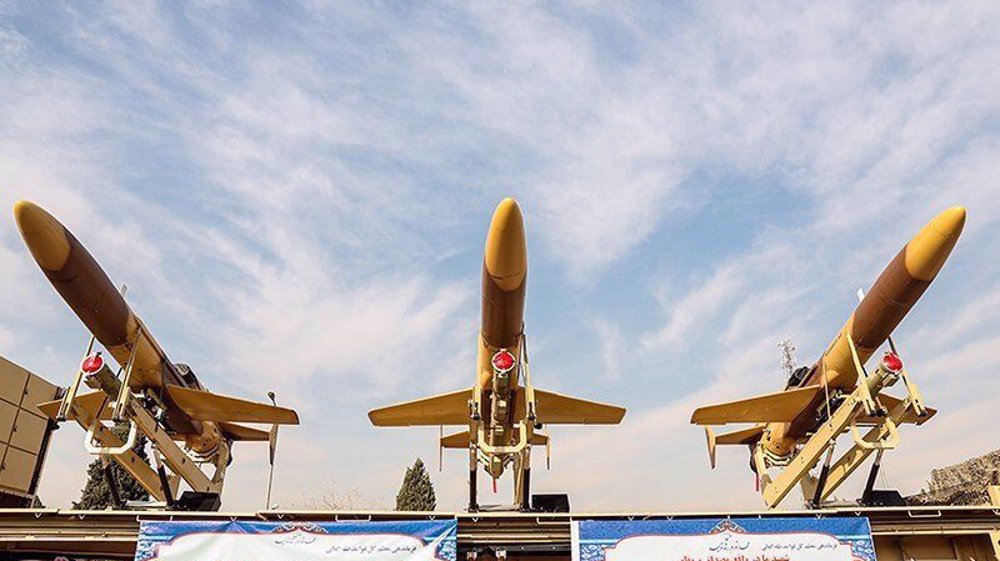
Iran’s acting defense minister says production lines are operating more actively than in the past, underscoring the Islamic Republic’s determination to shape its defense future.
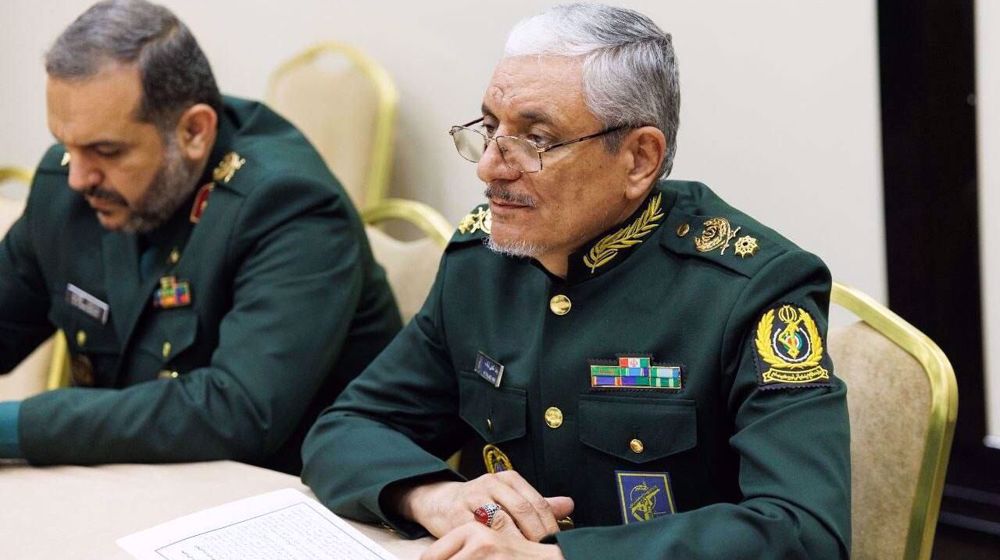
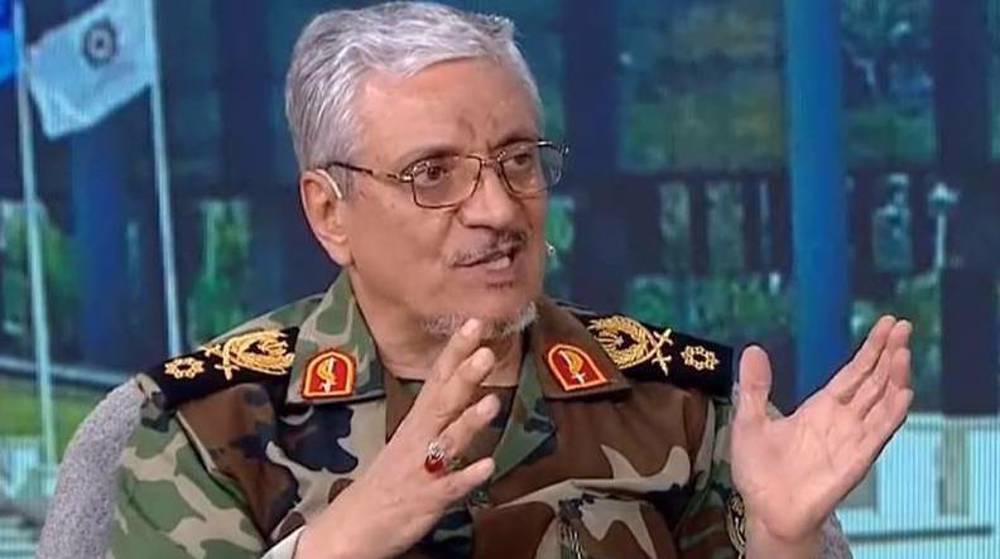
Brigadier General Seyyed Majid Ibn Reza made the remarks during a visit to the Aerospace Industries Organization of the Defense Ministry on Tuesday, where he outlined the government’s vision for expanding the defense capabilities through indigenous innovation and advanced technologies.
Ibn Reza reviewed the organization’s latest technological achievements, strategic projects, and industrial capabilities.
The official said Iran’s most valuable defense asset is not its military hardware but its human capital, including scientists, engineers, specialists, and managers.
He said the recent US-Israeli aggression demonstrated Iran’s ability to restore, reproduce, and upgrade its defense capabilities through domestic expertise rather than relying solely on equipment.
“The experience of the recent war proved that the capacity to rebuild and enhance defense capabilities depends more on human resources, indigenous knowledge, and committed management than on military hardware.”
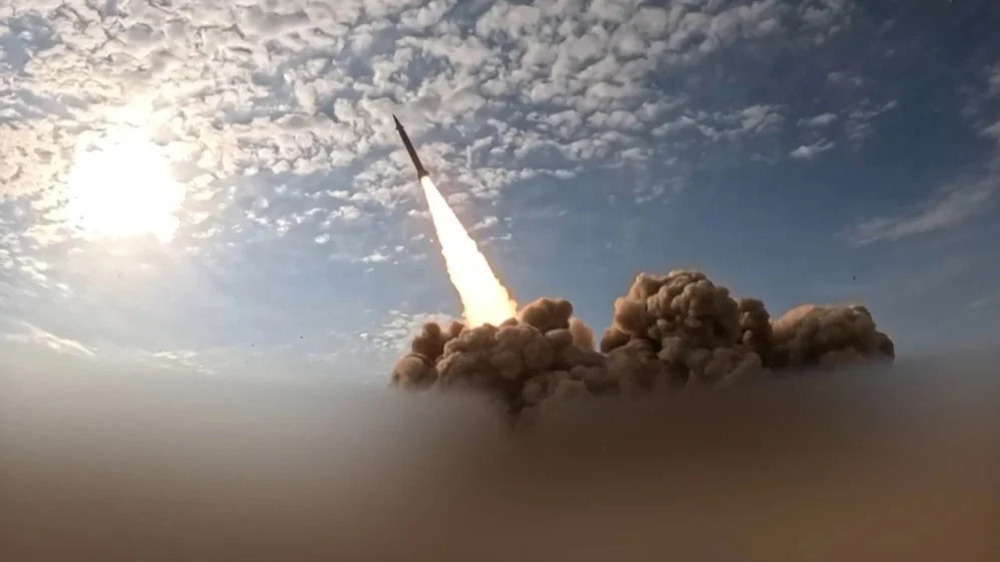
He was referring to rounds of US-Israeli aggression on Iran on June 2025 and also since February 28. Iranian armed forces have delivered mighty responses to aggressors in both wars, targeting US and Israeli interests in the region and in the occupied territories.
Ibn Reza said Iran’s defense innovation cycle should become increasingly problem-oriented, and the defense industry must focus on addressing the operational needs of the armed forces.
He said challenges identified on the battlefield should be rapidly translated into technological solutions, operational products, and new military capabilities.
The official identified the development of air-based and sea-based defense systems as strategic priorities. He said modern warfare depends on the integration of technologies across multiple domains, including air, naval, land, space, and electronic warfare.
“Today’s battlefield is no longer defined by isolated technologies.”
“Real military power emerges from the intelligent integration of capabilities across different operational environments,” he said.
Referring to global developments in unmanned aerial systems and aviation technologies, Ibn Reza said a significant portion of the United States’ current drone strategy has been influenced by Iran’s own experience and technological achievements.
The Iranian official underscored the importance of attracting young talents. Iran’s future defense industry, he said, would be built through closer cooperation with universities, knowledge-based companies, and the scientific community.
He said technological breakthroughs require managers willing to embrace calculated risks, noting that many of Iran’s strategic defense achievements had resulted from bold decision-making and innovation.
Ibn Reza said advances in aerospace technology would contribute not only to national defense but also to Iran’s broader industrial development.
He said the recent war had reshaped Iran’s defense doctrine, management approaches, threat assessment, and industrial vision.
Addressing efforts to undermine Iran’s defense industry by targeting strategic facilities, Ibn Reza said such attempts had failed to achieve their objectives.
“Those who believed targeting Iran’s strategic defense centers would halt the defense industry are now facing a completely different reality.”
“Production lines are more active than before, technologies are more advanced, and the determination of Iranian scientists and specialists to build the defense future has become even stronger.”
The Iranian official called for a nationwide drive to accelerate innovation, encourage bold decision-making, and strengthen risk management.
He said such efforts would provide the armed forces with broader operational options and help maintain what he described as the strategic initiative of the Islamic Repulic.
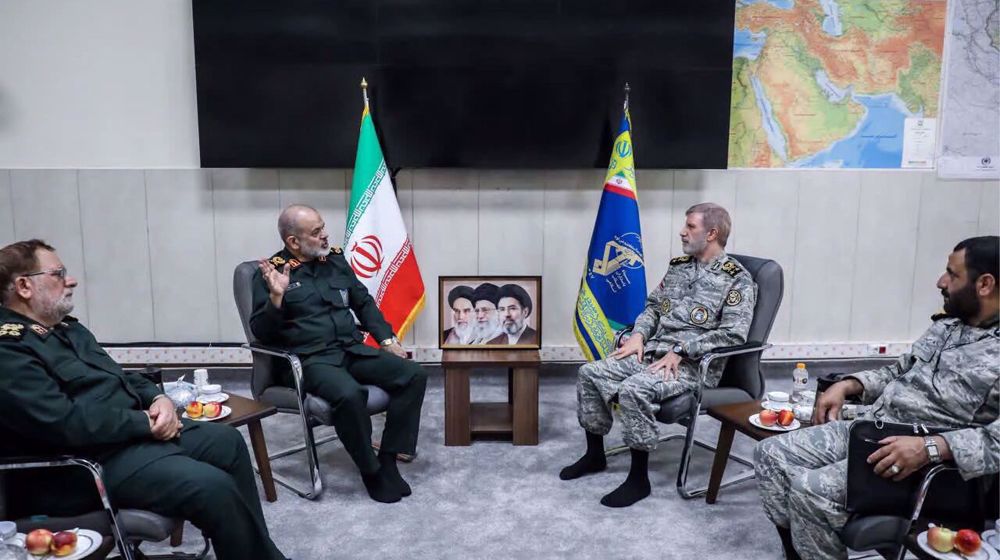
Iran’s Army, IRGC chiefs vow to maintain unbreakable unity after crushing ‘terrorist powers’
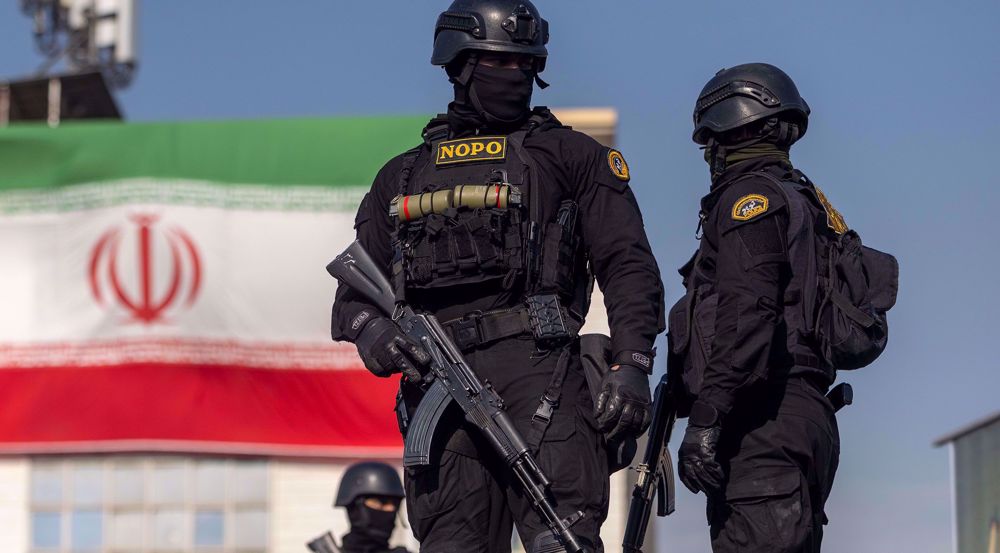
Security forces deliver painful blow to terrorists in southeastern Iran

Iran: Strait of Hormuz remains under our full control; world should blame US for rising fuel prices



Iran has good reason to bar IAEA inspectors from returning amid US aggression: Author
Iraqi resistance denies involvement in attacks on Saudi oil infrastructure
BRICS voices concern over attacks on IAEA-safeguarded nuclear facilities in Iran
Pezeshkian urges genuine reform of international mechanisms at BRICS summit
China’s Xi calls on BRICS to help restore peace to West Asia
VIDEO | Iran’s response raises Israeli alert levels across all fronts
VIDEO | Iran's Pezeshkian calls for BRICS unity against external pressure
VIDEO | Press TV's news headlines


 PressTV NEWSLETTER
now
PressTV NEWSLETTER
now
 This makes it easy to access the Press TV website
