Iraqi resistance denies involvement in attacks on Saudi oil infrastructure
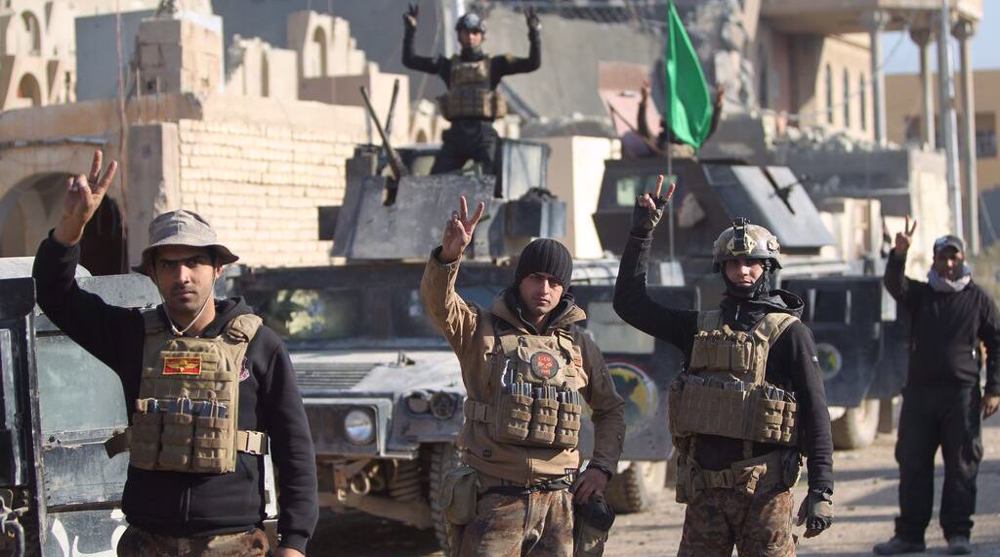
The Islamic Resistance in Iraq has denied allegations that it carried out attacks on Saudi energy infrastructure, warning Baghdad against Israeli-American plots to drag the country into crises that would only serve the interests of its enemies.
The group released a statement on Saturday, saying that while it would be a source of pride if it had carried out such an operation, the attack was nevertheless “not claimed” by the resistance.
It also condemned the Iraqi government’s “haste in accepting the allegations without presenting credible evidence or conducting an objective investigation.”
“We warn against being drawn into Israeli-American schemes aimed at dragging Iraq into crises that only serve the interests of its enemies,” the group said.
The Iraqi resistance group said it was ready to participate in any government investigation aimed at establishing the truth “instead of relying on suspicious narratives.”
The statement came after Saudi Arabia temporarily shut down its East-West crude oil pipeline as a precautionary measure following multiple strikes on the facility on Friday.
Saudi authorities said the pipeline had been targeted in the Riyadh and Madinah regions, claiming that drones launched from Iraq were behind the attacks.
The Saudi Foreign Ministry said on Saturday that the East-West pipeline came under attack “by several drones coming from Iraq, which caused human injuries and damage.”
The office of Iraqi Prime Minister Ali al-Zaidi also said that the attack originated from Iraqi territory.
Riyadh said that, at the Iraqi prime minister’s request, it had chosen “not to respond at this stage and to support the efforts of the Iraqi government...to prevent attacks launched from Iraq against the Kingdom and neighboring countries.”
The Saudi authorities, however, said the kingdom reserved the right to take all necessary measures to protect its sovereignty, security, facilities and people.
Saudi Arabia’s East-West pipeline has a capacity of around seven million barrels per day and provides Saudi Arabia with an alternative route for exporting crude without passing through the Persian Gulf.

The attacks have added pressure to Saudi Arabia’s oil export infrastructure as the kingdom faces disruptions linked to the closure of the Strait of Hormuz and retaliatory attacks by Yemen in response to Riyadh’s blockade and military operations against the country.
Yemen’s armed forces declared a maritime embargo against Saudi Arabia in July under a “siege for siege” strategy.
Meanwhile, Saudi crude and condensate loadings from Yanbu on the Red Sea declined sharply in August, according to ship-tracking data.
The pipeline shutdown also comes as Saudi crude production has fallen sharply. OPEC data showed Saudi output dropped to 6.24 million barrels per day in August, down from 8.1 million barrels per day in July and the lowest reported level since 1990.
Oil prices have climbed above $100 a barrel this week, while average US diesel prices topped $6 per gallon for the first time on Friday, adding to economic pressure on the Trump administration ahead of the US midterm elections.

The farce of ‘war on terror’: How US military-industrial complex bred terrorism after 9/11 attacks
Iraqi resistance voices support for Yemen after Saudi strikes
US troops will be targeted if they stay past withdrawal deadline: Iraqi resistance group



VIDEO | News Review: Yemen’s Armed Forces make rapid coastal advance
Yemen stages large-scale missile-and-drone strikes against Saudi base in retaliation for aggression
BRICS declaration reflects Iran’s principled positions on major intl. issues: Senior diplomat
Israeli police officer found dead on Haifa beach
Yemen warns Saudi airstrikes will not go unanswered
Israeli forces raid West Bank communities as settler attacks intensify
VIDEO | Press TV's news headlines
VIDEO | Fresh US sanctions challenge Pakistan-Iran push to expand trade




 PressTV NEWSLETTER
now
PressTV NEWSLETTER
now
 This makes it easy to access the Press TV website
