US naval blockade against Iran considered a war crime

When it comes to naval blockades, the one executing it is meant to target one country, but in the case of the current US naval blockade, the world economy is reeling in a crisis.
This makes this act one that constitutes a war crime, and this is why the US does not even have a legal justification to wage a war against Iran, all a result of one man's obsession with Iran not having a nuclear weapon, a false claim not supported even by its own intelligence agencies.
The US naval blockade is entering its third week, while the illegal aggression waged against Iran by the US and Israeli regime is in a ceasefire mode.
The ripple effect of this naval blockade is immense due to the US, extreme, maximalist demands from Iran.
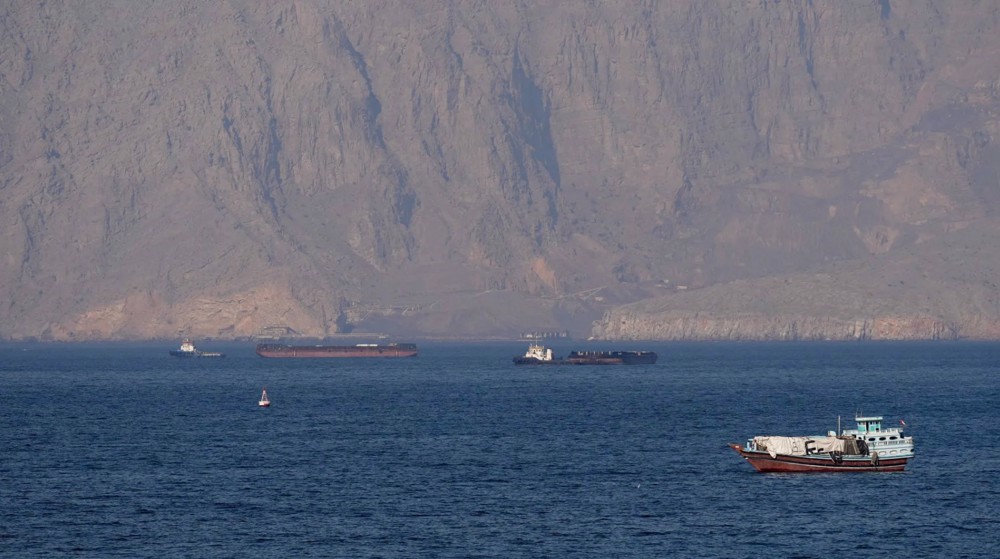
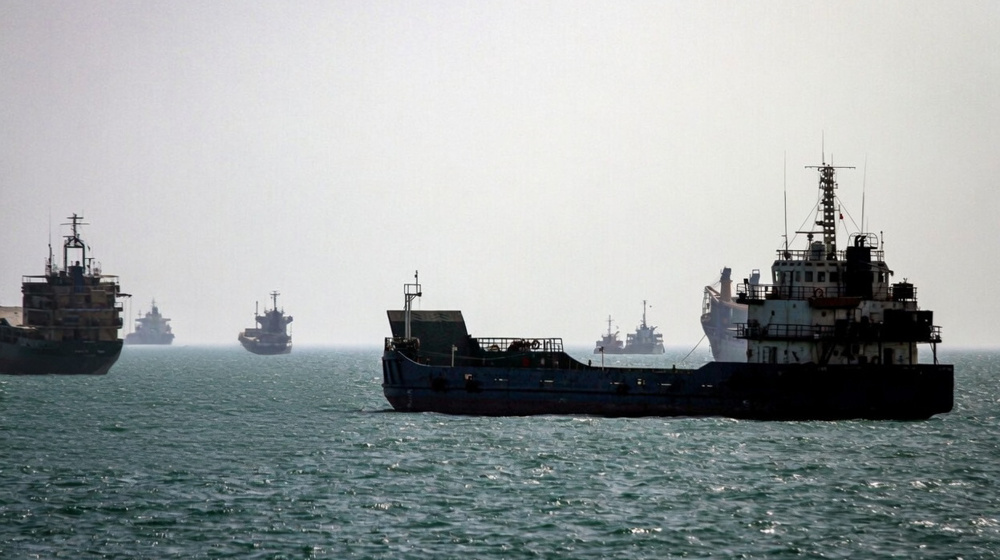
This US naval blockade is illegal by all standards, even though the Strait of Hormuz is open, the consequences are being felt globally, including the shortage of food and medicine.
After about 50 days of this illegal aggression by the US and Israeli regime, the full impact is yet to be felt, this will be catastrophic.
There is a real possibility that there will be a worldwide economic recession similar to what occurred during the COVID-19 pandemic and the 2008 world financial crisis.
The US needs to appreciate how consequential its actions are not only for the world, but for itself.
We're in a very strange point; ceasefire, no ceasefire, peace deal, no peace deal. We don't know what the heck's going on at this point. The Israelis gonna break anything [sic]. I don't trust the Israelis.
I really don't trust my own government, which is weird to say, but I don't, because every peace deal that we were trying to work out with Iran, whether it was in June, whether it was in February, it ends up in an American Israeli attack.
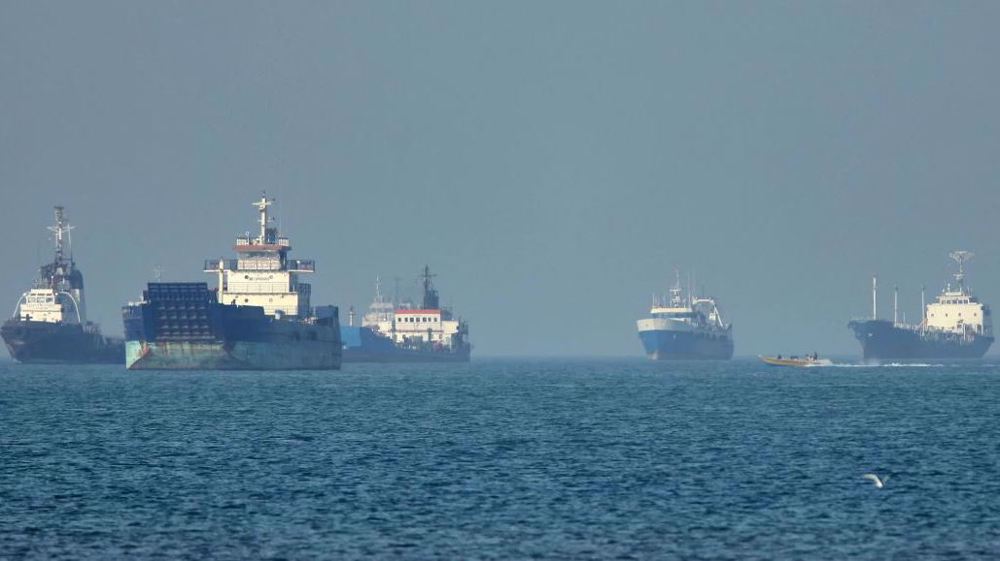
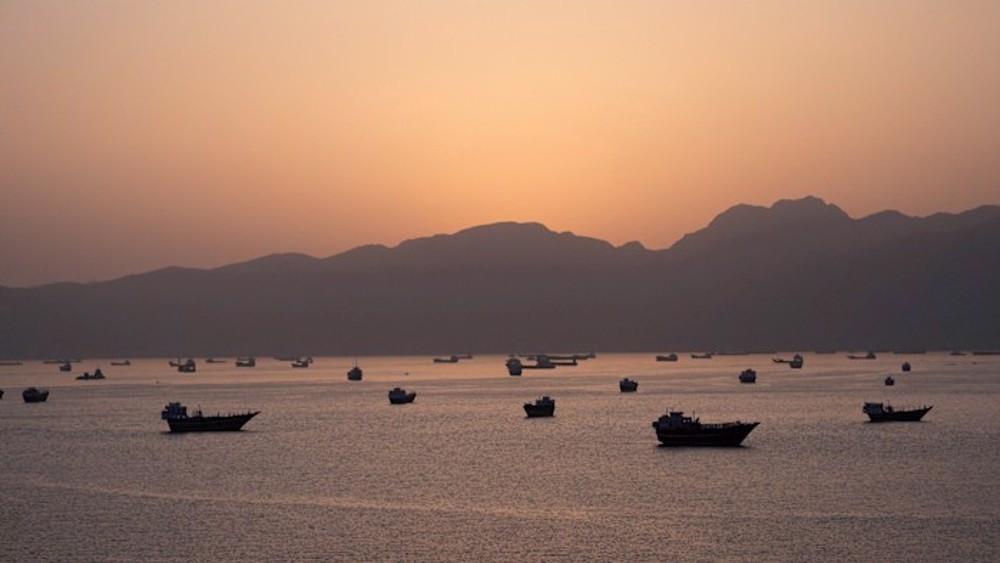
For oil, gas, and pretty much every other resource, the Strait of Hormuz is the most vital choke point in the world and before ... it was free flow [sic]. Anybody could go in and out.
And after the war started, Iran decided to take advantage of the Strait of Hormuz being right beside it, and is now controlling it, which puts a lot of countries on notice now, like China, like Russia, more importantly, like the United States, like Europe, like South America … every country in the world is now going to have to understand that Iran is going to hold the Strait of Hormuz, that the American monopoly on oil (is over).
When they overtook Venezuela, stole a lot of oil there. They tried to do it with Iran, and Iran was able to defend themselves. It failed.
Ethan Levins, Geopolitical Journalist
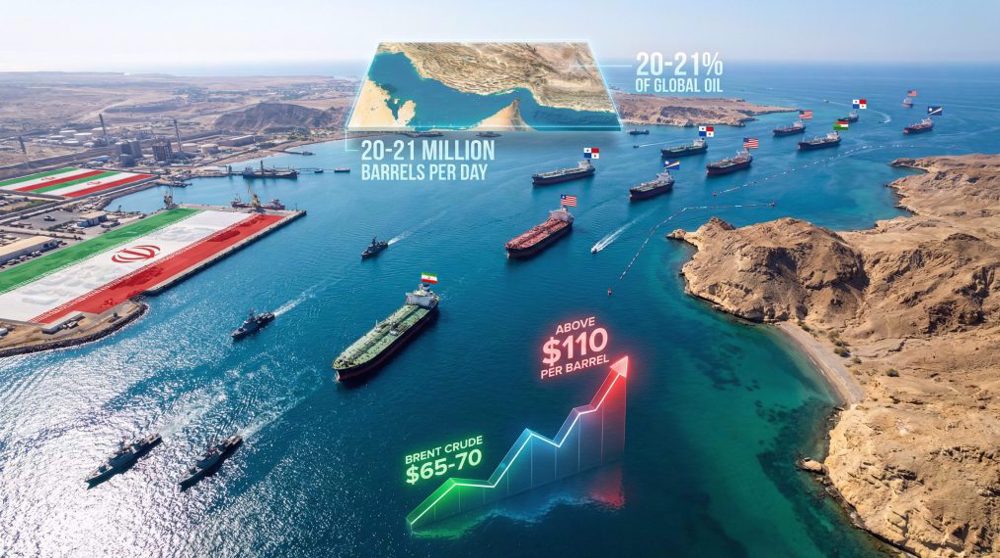
Tehran has allowed a limited number of oil tankers to pass through the Strait of Hormuz with their cargo to be traded in Chinese yuan. This will be regulating oil shipments through the waterway, which carries 20% of global oil trade.
Traditionally, global oil transactions are settled in US dollars. This shift to the yuan is a strategic move by Iran to reduce its dependence on the US dollar and strengthen its economic ties with China.
It's very hard to negotiate or to try to negotiate or have a ceasefire with the Americans and Israelis, because they're just using it for their own advantage, to rearm, regroup and reload to come back for more terroristic acts, whether it's taking out infrastructure, whether it's teasing about a ground invasion, dropping curse words, vulgar language.
Trump was mocking Islam the other day on his social media on Easter Sunday, here in the United States it was Easter Sunday and he was dropping vulgar language, cursing Islam, just some very strange and weird remarks from a guy that's supposed to be the president.
And remember, this is the guy in charge of the military; this is the guy that's making the decisions.
Ethan Levins, Geopolitical Journalist
Humanitarian efforts delayed
The conflict has also caused major knock on effects on global humanitarian operations. And as you know, we are the cluster lead on logistics, so we are really feeling the pain on this. Our supply chains may really be on the brink of the most severe disruption since COVID and the Ukraine war back in 2022.
Our shipments of life saving food are being affected by the squeeze on trade. It is taking us longer to deliver by sea, and our costs have increased, In the Strait of Hormuz humanitarian shipping has already been restricted on account of security risks.
Maritime operators are also becoming more risk averse, and many are rerouting vessels to avoid the Bab el Mandeb. This has brought further delays and higher shipping costs to all our operations across the world.
Carl Skau, Deputy Executive Director and COO, WFP

Iran is in a better situation in the oil industry and ... the economic situation of Iran is going to be far better, because we're learning now through a lot of reports that the Iranians are wanting to set up a transit system in which they're going to be getting paid millions of dollars per ship that passes through the Strait of Hormuz.
And yet again, the Iranians will decide who gets to pass through.
So a lot of these countries, like Saudi Arabia, like Qatar, Bahrain, the UAE, are going to have to realize, if we want to do oil business with the world, that's all their economies are, we're going to have to do it with Iran's permission.
We're going to have to ask Iran and pay Iran for our own economies to work, especially Qatar, the UAE and Bahrain that are on the eastern side in the Persian Gulf.
Now the United States didn't really expect it.
Ethan Levins, Geopolitical Journalist
Fortune favors the well prepared
I feel like Trump went in thinking that they could steal the oil, take Khark Island, and open the Strait of Hormuz.
And after a month of Iran holding the strait down, only allowing ships that they wanted through, essentially asserting absolute authority over the world oil supply.
20% of the world's oil goes through the Strait of Hormuz. And everybody knows the world runs on oil. The most important thing in the world, quite honestly, is oil. A lot of people in America know this as well.
That's why we fight all of these useless wars.
And Iran is one of the first countries ever that has come (out) on the other side of an American oil war more powerful than they were before.
Ethan Levins, Geopolitical Journalist
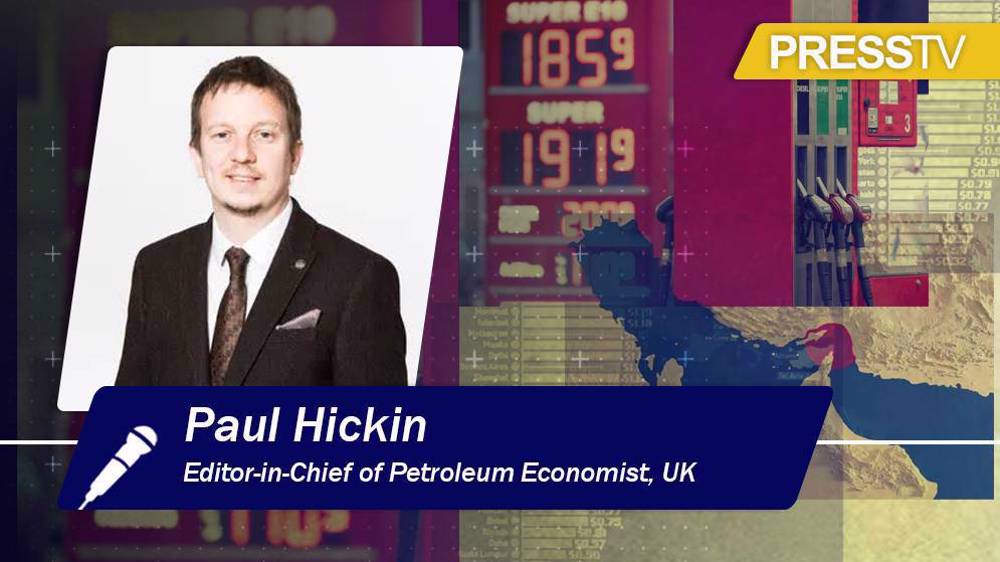
When global conflict disrupts a choke point like the Strait of Hormuz it doesn't remain a regional problem. It immediately becomes a global supply chain problem.
The supply chain implications have been immediate. Oil prices spike, shipping insurance costs surge, freight routes get rerouted, and suddenly everything from trucking rates to manufacturing input becomes more expensive. This may have played out before, but the scale this time is different.
If I'm the Iranians, if I'm putting myself in Iran's shoes, I don't know how I can trust them. I don't know how I can trust this guy.
Trump is obviously demented. He's deranged. He changes his mind every 30 seconds. He's cursing at the moon on social media like a middle-schooler.
You know, these are things that we used to do when I was 14 or 15, in school. We would laugh at each other; we would call each other names.
And this is the President of the United States, in charge of one of the world's strongest militaries, the world's biggest economy, with nuclear weapons, and the way he throws these jokes around and the mocking and the taunting and just the lies, it's very frightening, and it's very scary.
Ethan Levins, Geopolitical Journalist
US weapons depletion
The American military may not have enough missiles for a future conflict, having used its stockpiles to wage war on Iran; this includes at least 45% of its inventory of Precision Strike Missiles (PrSM), nearly 50% of its Patriot air defense interceptors, and over half of its Terminal High Altitude Area Defense (THAAD) missiles.
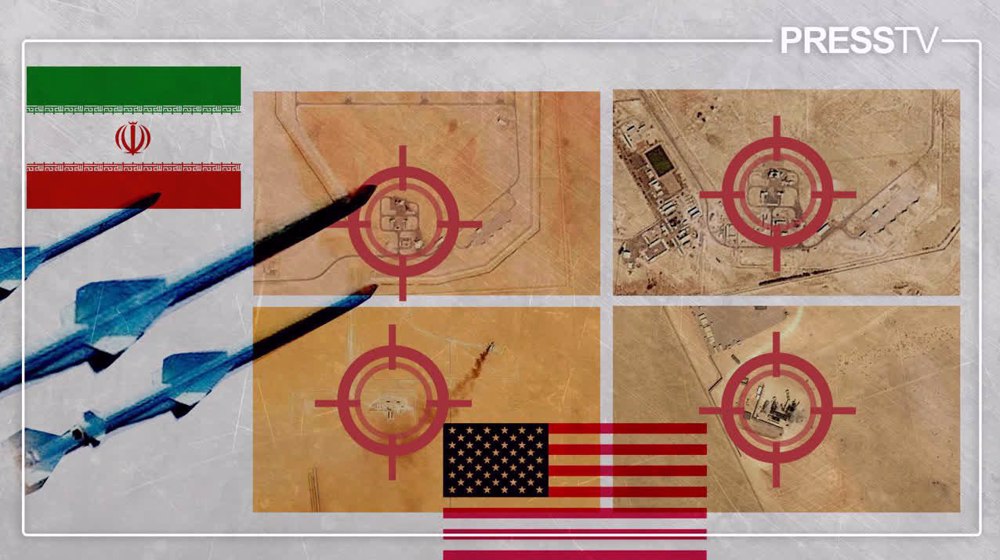
Iran strikes on Kuwait
By March 24th Kuwait had allowed Washington to use its facilities for missile strikes, making it a direct part of the war machine targeting Iran.
Iran didn't randomly target Kuwait; the US military bases in Kuwait are critical launch pads for any air, sea or land operation against Iran.
US Dollar shortage
A simultaneous shortage of US currency and oil isn't supposed to be possible. What's different this time is that there is an engineered supply shock to global oil, but not in the US.
This resulted in a massive disruption in the global debt market, tightening loan supplies, reducing the ability to get dollars and increasing the risk of defaults, while forcing nations to sell their US dollar denominated assets below face value.
UAE dollar shortage
The UAE demands $200 billion in compensation for America's war on Iran and faces a huge loss during Iranian retaliatory strikes on Emirati properties.
The UAE has warned that it plans to sell its oil and natural gas using the Chinese yuan instead of the US dollar.
Reports suggest that US losses amount to $40 billion, Israel losses $12 billion dollars, and $60 billion for Saudi Arabia
Supply chain bottlenecks
Supply chains are breaking; the oil price is just the tip of the iceberg that could cause major problems across the globe. Due to the US naval blockade and the standoff with Iran, the hidden bottlenecks threaten to bring the global economy to a standstill.
Lets look at the major products affected by this crisis and the different sectors they are involved in.
Naphtha, which is a feedstock for petrochemicals, is critical to the production of much modern technology, not to mention a whole host of everyday plastics, car parts, medical supplies and packaging.
Diesel, which is a metal distillate fuel, is heavier than gasoline but lighter than fuel oil. It is called the fuel of the real economy. It powers all the heavy stuff, trucks, ships, construction, mining and agriculture machinery.
Aluminium, the Iran war has triggered a major crisis in the global aluminum market which is expected to result in a supply deficit of up to 4 million metric tons this year, which would be the largest in over 25 years.
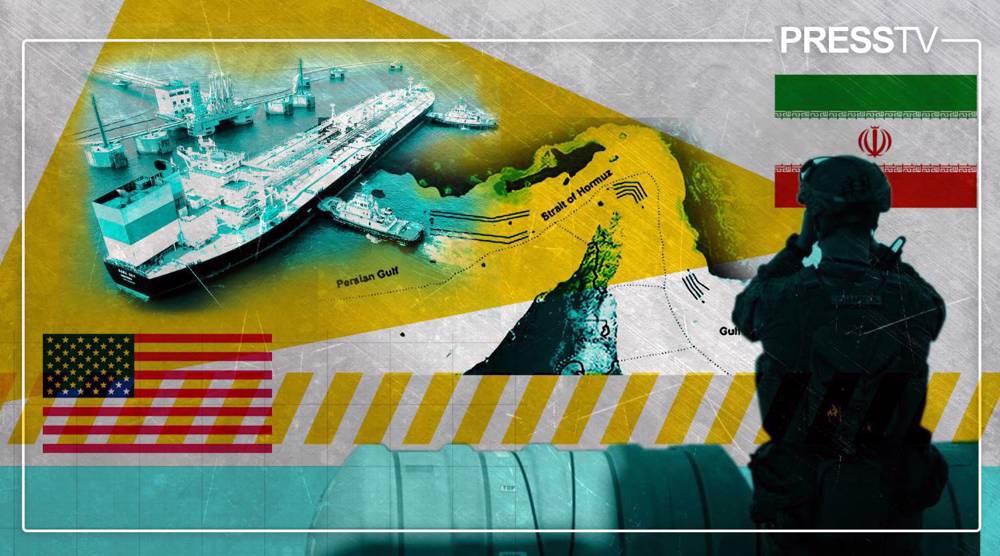
The war with Iran is creating shortages on a variety of fronts. The immediate impact is an energy shortage, which at this stage has affected countries globally. The restrictions on the Strait of Hormuz is the main problem.
Although the Strait is not closed to countries friendly to Iran the shortages are still there.
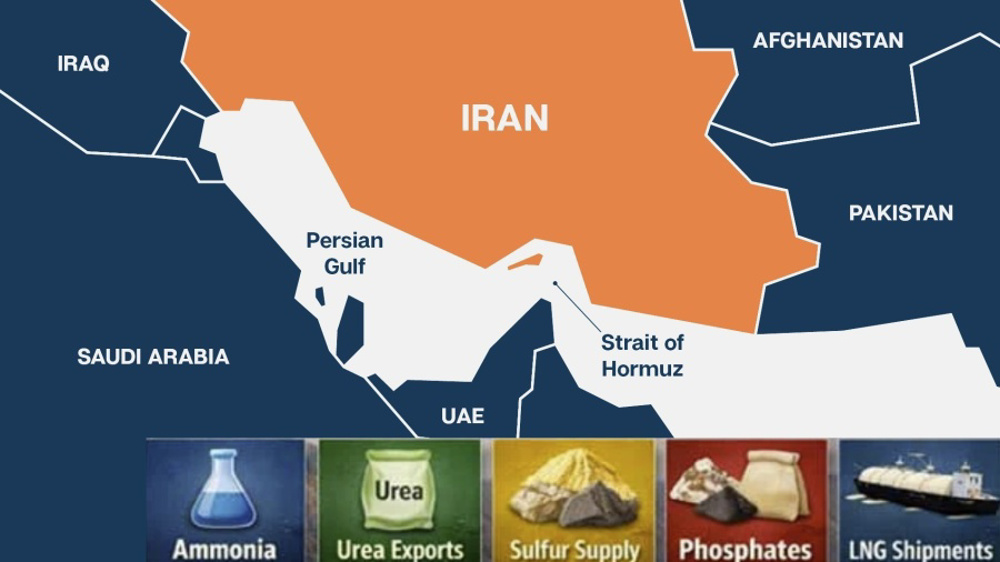
Why does the US President, Donald Trump, insist on a naval blockade that makes this bad situation for the global economy even worse?
Yeah, to talk about the economy, especially things like fertilizer and any other resources or goods that want to get out of this region, it's simply not going to, you know, this is something that can be turned into a war zone.
This is something that at any moment now can just unstabilize [sic]. And this is all because of the United States and Israel wanting to fight another endless, useless war, this time with Iran.
And as we found out pretty quickly, the Iranians have turned out to be a formidable foe, a strong foe.
This is no longer any of these countries America likes to push around. This is one of the biggest in West Asia, one of the strongest in West Asia, and [the] Americans found that out, and now the global economy, more importantly, the American economy, has taken [a] hit.
I can attest to this. The gas prices here in my hometown have shot up. We're looking at four or $5 increases in just the past few weeks. This is only going to increase, and the Americans and the Israelis do not care about this.
The government leaders do not care, of course, they don't care about what I think. They don't care about my economic living. They don't care about me or my family. All they care about is carrying out this weird agenda, which is just fulfilling whatever the Israelis want.
Ethan Levins, Geopolitical Journalist
Helium is a byproduct of natural gas processing. It is a small market that punches well above its weight with no easy substitute, the shortage of which could start to noticeably interfere with production of goods such as electronics, automobiles and even smartphones.
Sulfur, a byproduct of oil and gas refining, is another of the vastly underappreciated inputs that keep things running and food plentiful across the globe.
Global energy supply has fallen an astounding 60% in the past 60 days. People cannot fully grasp the tsunami on its way; lockdowns, travel restrictions and grounded flights.
The fertilizer situation is even worse. Without a political settlement, food shortages may occur in three to four months, resulting in Arab Spring Version 2.0 food riots globally, and the introduction of CBDC for food rationing.
The US and Israel may be preparing to attack Iran again if there is no negotiated settlement.

Another worrying consequence concerns food security; fertilizer supplies have been heavily disrupted, with up to 1/3 of global trade affected, which can possibly result in food shortages for 30 to 40 million people.
But do the US and Israel care about this?
Trump is going to do whatever Israel wants, he Is going to do whatever his billionaire buddies are going to tell him to do, whether it is Elon Musk, the most [sic] richest person in the world, wants to tell Trump what to do, or, more importantly, like I said a minute ago, this just all comes down to Israel.
Israel is dictating American foreign policy. Israel is sabotaging ceasefire, sabotaging peace deals, and they are doing anything they can to make sure there will never be peace in the region, because everybody benefits with [sic] peace in the region, except Israel.
Israel is the only country that benefits off of blood, off of death, and they're using the United States, and the United States is letting themselves be used, crashing the world economy, strangling the world economy, hurting Americans at home, hurting Israelis, hurting the entire world over this useless war, and they don't care about me.
They don't care about my family, and more importantly, they don't care about any American in this entire country.
Because, like I said a minute ago, the only people that these American leaders, like Donald Trump, answer to is Benjamin Netanyahu and the blood regime of Israel.
Ethan Levins, Geopolitical Journalist
The US-Israeli aggression against Iran is not over, and there is no sign of it being resolved anytime soon.
However, there are diplomatic moves from both sides and maybe, by some miracle, there will be a breakthrough and a negotiated solution.
Be that as it may, the ripple effects of this war will continue for the next six months, until fuel, gas, food and pharmaceuticals are replenished.
Jordan: The Kingdom of Compromise (Part 3)
South Korea rejects Hormuz deployment plan
Jordan: the Kingdom of compromise - Part 2



Araghchi: Iran ‘determined’ to defend national security, prevent US misuse of Hormuz
Debunked: Trump’s egregious UNGA claims on war against Iran crumble under scrutiny
VIDEO | News Review: Netanyahu faces UNGA walkout, protests in New York over Gaza
President Pezeshkian UN speech
Saudi Mufti urges troops to attack Yemen as Macron announces deployment in Yanbu
Turkey agrees to pull out of key base in north Iraq, occupy others
Two Israeli soldiers killed after drone explodes in northern Gaza
Over 100 arrested in protests against Netanyahu’s UN speech



 PressTV NEWSLETTER
now
PressTV NEWSLETTER
now
 This makes it easy to access the Press TV website
