Iran MP hails South Korea’s ‘wise’ rejection of US operation in Hormuz Strait
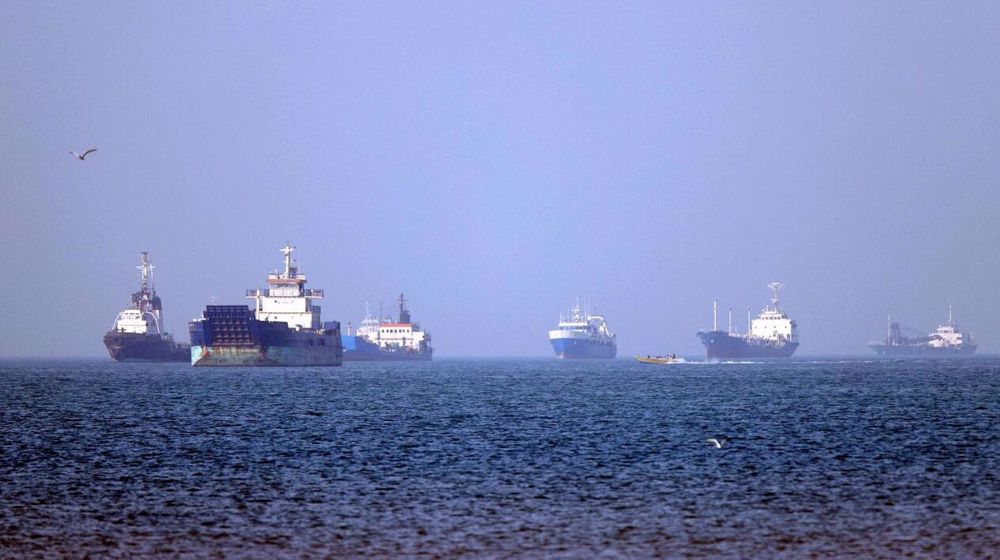
A senior Iranian lawmaker has praised South Korea’s “wise” decision not to join the United States’ military campaign to forcibly reopen the Strait of Hormuz.
The chairman of the Iranian Parliament's National Security and Foreign Policy Committee, Ebrahim Azizi, made the remarks during a telephone conversation with Kim Seok-ki, who heads the South Korean Parliament’s Foreign Affairs and Unification Committee.
“South Korea's refusal to participate in any military operations in the Strait of Hormuz despite widespread pressure is a wise move aimed at maintaining regional stability,” he said.
“South Korea's abstention from Security Council resolutions on the reinstatement of [anti-Iran] sanctions and the extension of Resolution 2231 last September also demonstrates the country's commitment to rights and multilateralism.”
Iran shut down the Strait of Hormuz to enemies and their allies following the launch on February 28 of the unprovoked US-Israeli aggression against the Islamic Republic.
It began exercising far stricter controls last month after US President Donald Trump announced an illegal blockade of Iranian vessels and ports in violation of the terms of a Pakistan-brokered ceasefire that took effect on April 8 and was unilaterally extended by Washington.
On Monday, the United States launched the so-called “Project Freedom” supposedly aimed at forcibly reopening the Strait of Hormuz.
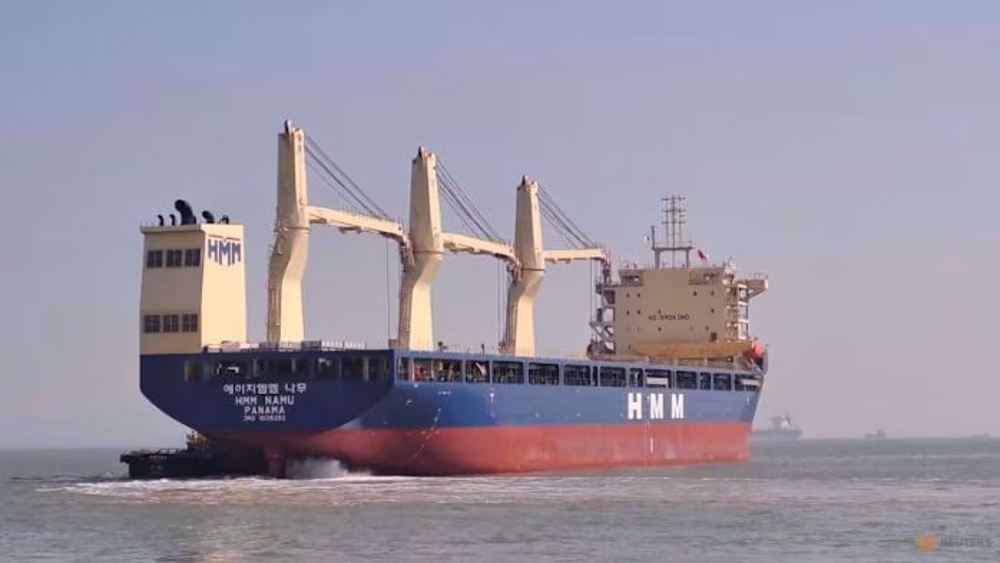
Meanwhile, Trump claimed that Iran had "taken some shots" at a South Korean vessel and urged Seoul to participate in the US military campaign.
On Wednesday, however, Trump was forced to stop the so-called “Project Freedom” at the Strait of Hormuz amid Iran’s steadfast resilience against American piracy and threats to maritime security.
Iran’s embassy in Seoul firmly rejected claims of Iranian forces’ involvement in an explosion that targeted the South Korean-linked cargo ship.
Azizi said Trump, who suffered a “humiliating defeat” in his military operation in the critical waterway, resorted to lies and deception.
He also stressed that the Islamic Republic has always sought safe and free navigation in the Strait of Hormuz.
The root cause of insecurity and instability in the Persian Gulf and the Strait of Hormuz lies in the US military presence and the Zionist regime’s acts of adventurism, not Iran’s sovereign actions, he added.
Meanwhile, the Iranian lawmaker said that Iran-South Korea relations have always been based on mutual respect and common interests, and that both countries’ lawmakers have over the past years played an unparalleled role in deepening the bilateral ties.
He further criticized some governments for adhering to the United States’ unilateral and excessive policies, especially after Washington’s unilateral withdrawal from the 2015 nuclear deal and the imposition of oppressive sanctions against Iran.
Surrendering to extraterritorial dictates does not contribute to regional security and development, but rather causes countries to lag behind in utilizing their domestic capacities, Azizi asserted.
“Parliamentary dialogue, which is immune to misunderstandings and acts of sabotage by trans-regional actors, can pave the way for development, because relying on rented security from extra-territorial powers is nothing more than a mirage,” he said.
The South Korean lawmaker, for his part, expressed sympathy with the Iranian nation, noting that current developments in West Asia are not limited to the region but also affect global equations.
He also noted that Tehran and Seoul can deepen their relations in the future.
Man convicted of running over policemen during riots executed in Iran
Iran stresses Lebanon’s right to defend itself against Israeli aggression following massacre
Iran says full security in Hormuz contingent on end to US blockade, threats



VIDEO | US seeks to save face as Iran stands firm over sovereignty: Pundits
Hamas calls on mediators to compel Israel to end ceasefire violations, accept peace roadmap
‘Enemy should expect strategic surprises’: IRGC commander warns of shift to offensive posture
Iran spokesman slams Canada's participation in war on Iran despite Trump's hostility
VIDEO | Gaza’s diagnostic crisis: Damaged medical equipment dismantled to keep hospitals running
Iran will defeat enemy in 'economic war' as it did on battlefield: VP Aref
USS Lincoln fiasco shows Trump administration's 'true lack of leadership': Senator
Pope Leo calls for end to violence against Palestinians in West Bank



 PressTV NEWSLETTER
now
PressTV NEWSLETTER
now
 This makes it easy to access the Press TV website
