Iran warns UN about 'dangerous' US-Bahraini resolution on Strait of Hormuz
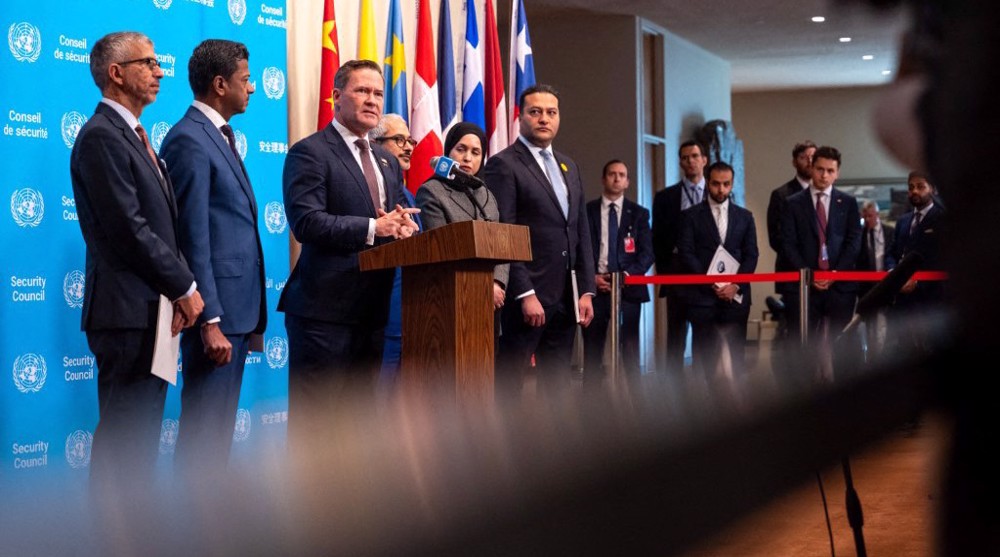
Iran has firmly rejected a US-Bahrain draft resolution on the Strait of Hormuz, calling it a one-sided attempt to legitimize unlawful military actions while ignoring the root cause of the crisis, which is the US-Israeli aggression against the Islamic Republic since February 28.
In a letter to UN Secretary-General António Guterres, Chinese Foreign Minister Wang Yi, and Security Council members, Iranian Foreign Minister Abbas Araghchi denounced the draft for failing to address “the main cause of the current situation in the Strait of Hormuz, namely the military aggression and unlawful use of force by the United States and the Israeli regime against the Islamic Republic of Iran.”
“The current situation is directly and exclusively the result of their aggressive, unjustified, and unlawful war,” Araghchi wrote.
He added that the draft's real purpose is “to distort the facts on the ground and justify past and ongoing unlawful actions by the United States against Iran in the Persian Gulf and the Strait of Hormuz—a region thousands of miles from American shores.”
“The international community must not allow the Security Council to be exploited by aggressors or turned into a tool for legitimizing their unlawful actions,” Araghchi said.
He warned that adopting the resolution would “seriously undermine the credibility and standing of the Security Council, politicize its enforcement powers, and set a dangerous precedent for legitimizing unilateral coercive measures and unlawful behavior by the United States in violation of the sovereignty and sovereign rights of coastal states.”
Iran's Permanent Representative to the UN Amir Saeid Iravani echoed these concerns in a statement outside the Security Council on Thursday, saying the draft “deliberately advances a selective and distorted narrative and therefore lacks the impartiality and credibility required for Security Council action.”
Iravani stressed that “the draft resolution also ignores the root cause of the current situation,” which is the US-Israeli aggression on Iran.
✍️ Feature -Global outrage grows over Trump’s massacre of over 170 schoolchildren in Minab
— Press TV 🔻 (@PressTV) March 26, 2026
By Mina Mosallanejadhttps://t.co/AMnDyELmxa
The US and Israel initiated an unprovoked war of aggression against Iran since February 28 after assassinating Leader of the Islamic Revolution Ayatollah Seyed Ali Khamenei and several high-ranking military commanders.
A Pakistani-mediated ceasefire was brokered on April 8, but subsequent talks failed to turn into an agreement due to Washington’s excessive demands.
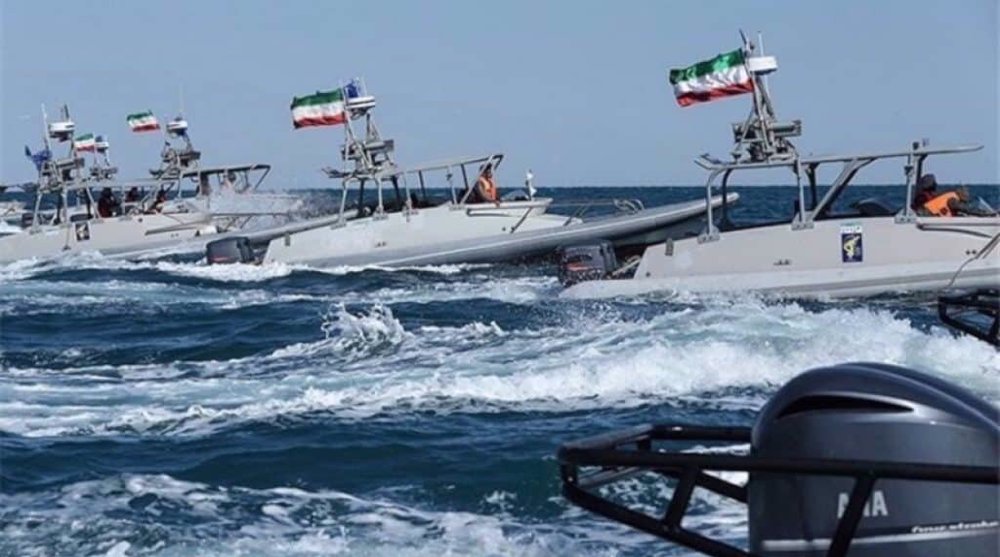
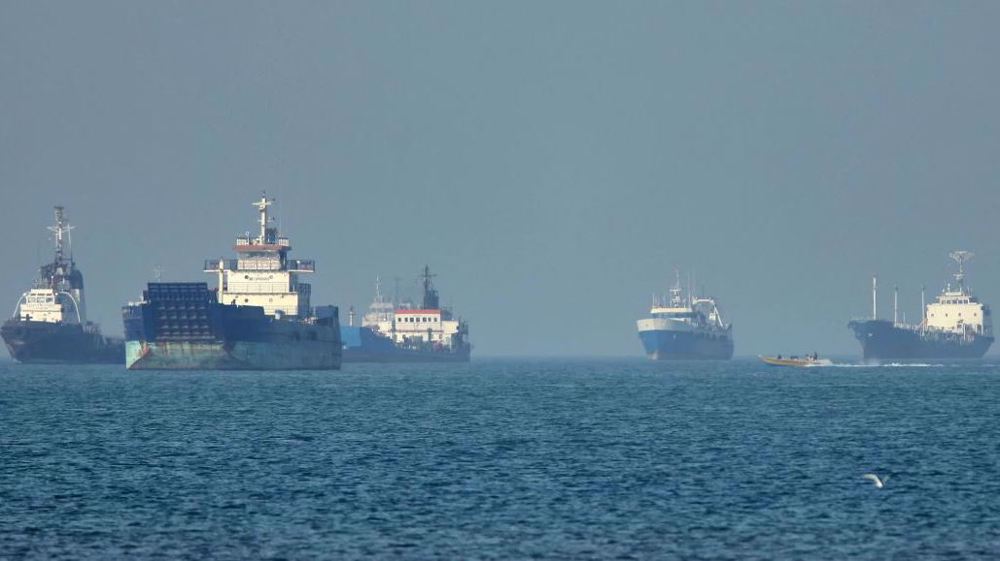
Since the start of the war, Iran has imposed strict control over the Strait of Hormuz, blocking the passage of vessels belonging to the aggressors and those that supported the war.
Exclusive: Iran launches new maritime mechanism for vessels transiting Strait of Hormuzhttps://t.co/rbQejEJ6jl
— Press TV 🔻 (@PressTV) May 5, 2026
Both Iranian officials noted that Washington has been violating the ceasefire through its naval blockade and attacks on Iranian vessels.
“The draft falsely accuses Iran of violating the ceasefire of 8 April 2026 while deliberately concealing material facts,” Iravani said.
“It ignores the unlawful maritime blockade imposed by the United States, as well as attacks on and seizures of Iranian vessels. These actions constitute a material breach of the ceasefire, violations of the prohibition on the use of force, and serious infringements of freedom of navigation.”
The US has enforced an illegal naval blockade targeting Iranian maritime traffic in the Strait of Hormuz since April 13.
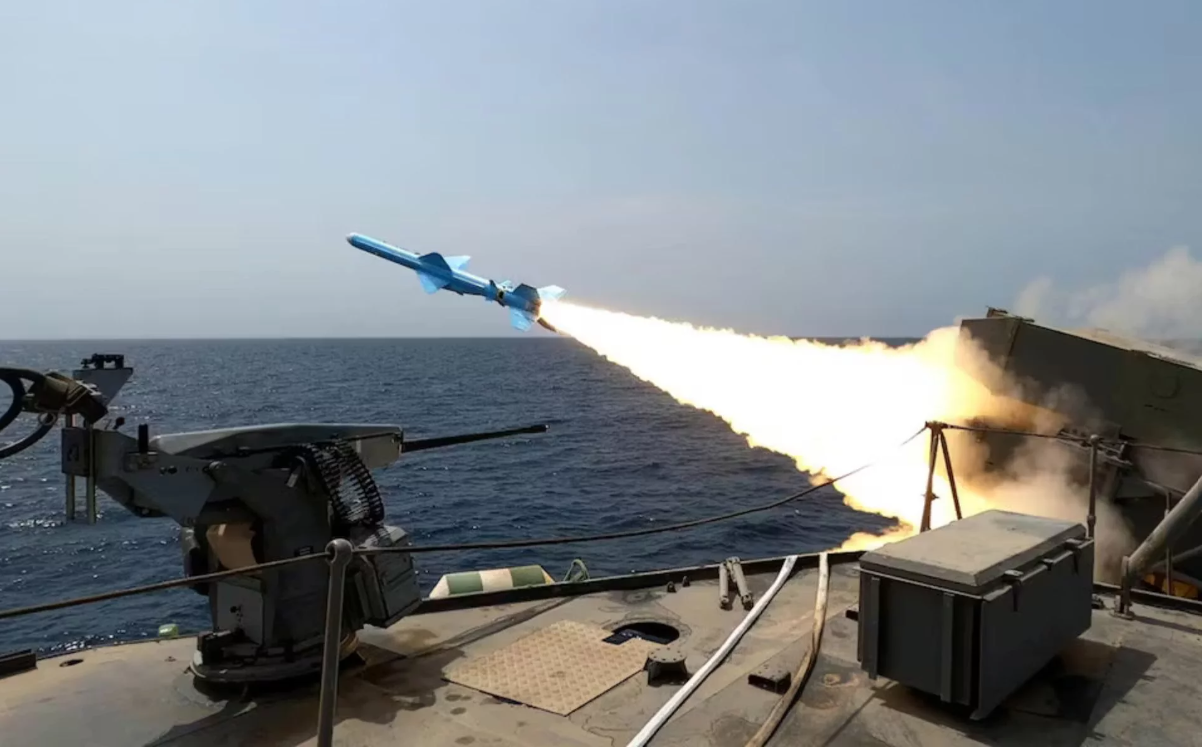
On Thursday, Trump retreated from the so-called “Project Freedom” which he launched to open the Strait of Hormuz but failed after facing Iran’s asymmetric defense and opposition of regional countries. He, however, said the American blockade will remain “in full force and effect.”
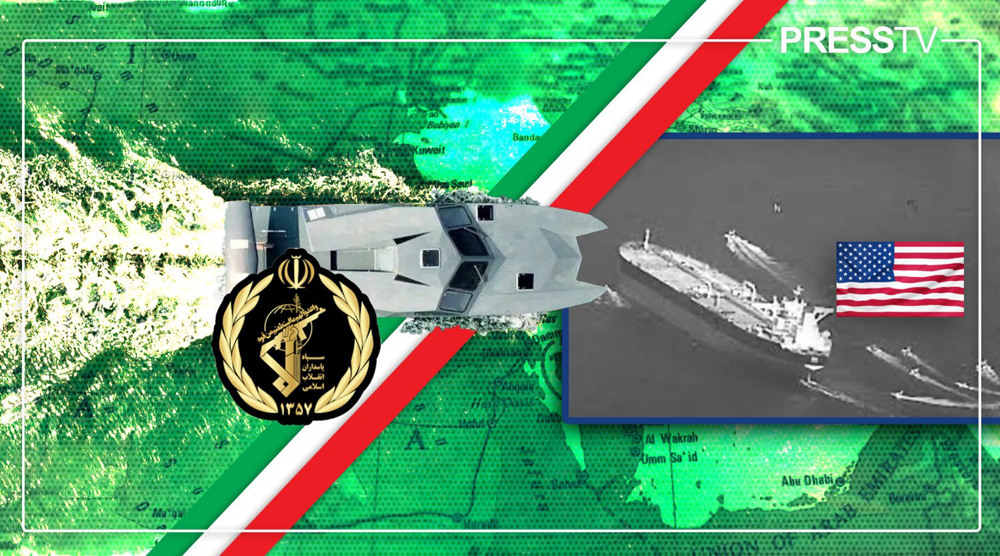
✍️ Analysis - 'Project Freedom' perishes in 48 hours as Trump retreats under the wall of Iran's asymmetric deterrence
— Press TV 🔻 (@PressTV) May 6, 2026
By Press TV Strategic Analysis Deskhttps://t.co/7bA7gvlXFq pic.twitter.com/hX5W8DlnHs
Iravani rejected the draft's invocation of Chapter VII of the UN Charter, which allows for enforcement measures including sanctions and military action.
“The invocation of Chapter VII of the Charter is wholly unjustified, disproportionate, and based on politically motivated allegations and itself further military objectives,” the ambassador said.
Iran has made clear that normal maritime traffic can resume under specific conditions.
“Conditional upon the permanent cessation of war and the lifting of the blockade and unlawful sanctions against Iran, normal maritime passage through the Strait of Hormuz will be restored,” Araghchi wrote.
“Therefore, the path to achieving stability lies in the United States' adherence to international law, not in exploiting the Security Council in ways that further complicate the situation.”
‘US lacks credibility in invoking international law’
Iravani directly challenged American credibility on international law, noting Washington's history of disregarding International Court of Justice rulings.
“If there is any member state that lacks credibility in invoking international law, the UN Conventions, and the authority and jurisprudence of the ICJ, it is the United States,” he said, citing the 1986 Nicaragua case where the ICJ found the US guilty of unlawful use of force, including blockade and mining of ports.
He also highlighted US attacks on “civilians and civilian infrastructure in Iran, acts which constitute serious violations of international law and amount to war crimes.”
Russia rejects US-backed anti-Iran resolution at UN Security Councilhttps://t.co/Gee1y1Uzjw
— Press TV 🔻 (@PressTV) May 8, 2026
Russia's Permanent Representative Vasily Nebenzya also rejected the draft during Thursday discussions, calling it “yet another unbalanced and confrontational attempt by Washington to isolate the Islamic Republic while ignoring the real roots of the crisis.”
“We reject any attempt to impose unbalanced narratives against Iran without considering the motives and root causes of the crisis,” Nebenzya said, warning that “the adoption of biased resolutions may trigger a new wave of tensions in the Middle East region.”
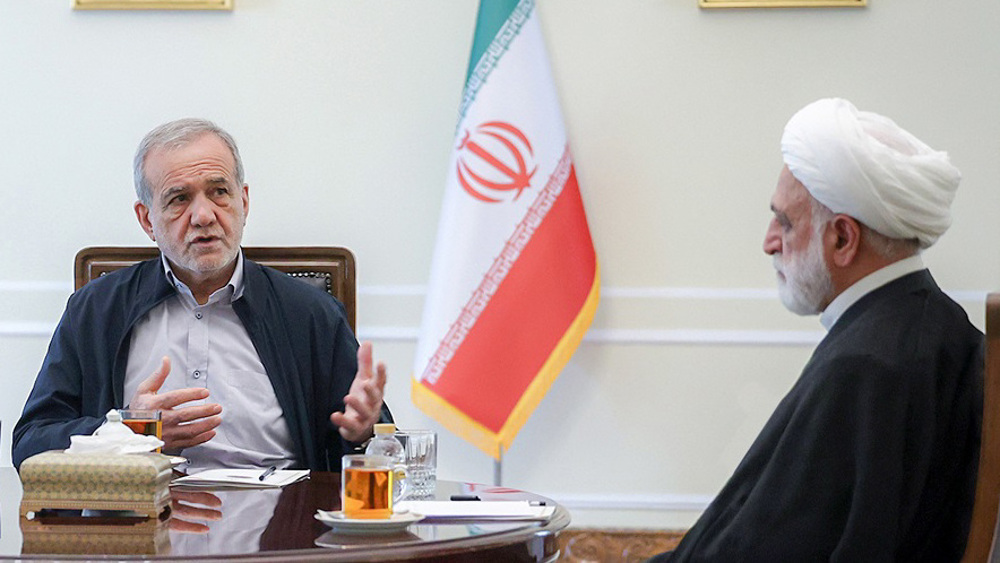
Pezeshkian’s strong UN speech exposed US-Israeli crimes: Judiciary chief
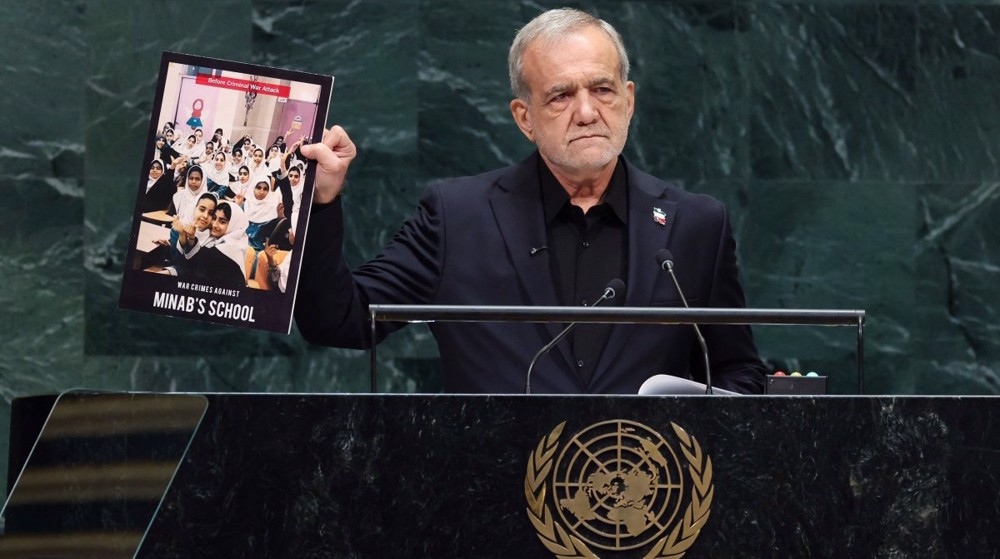
Army chief: Pezeshkian's UN speech manifested steadfastness of Iran
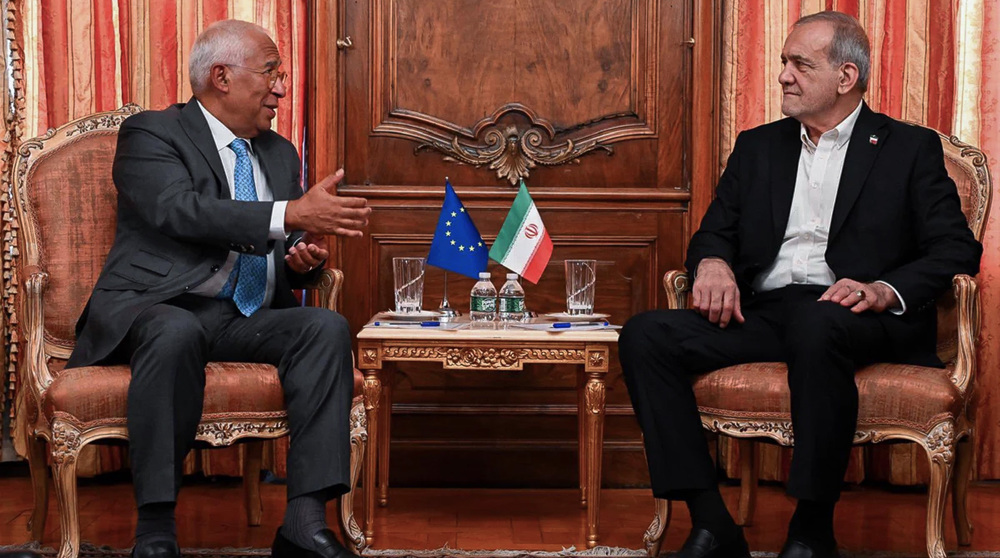
Pezeshkian slams Europe’s 'passivity' during US-Israeli war on Iran



2026 Asian Games: Iran wins four more medals as Olfati repeats vault silver
Russia slams IAEA board’s ‘disgraceful’ resolution against Iran
‘Growing isolation’: 77 delegations walk out of Netanyahu’s UN speech
Iran will respond ‘strongly’ if US continues aggression, Pezeshkian warns
VIDEO | Protest against Israeli football team in Austria
Online voices rally behind Pezeshkian’s UN speech, condemn Western double standards
Colombia severs Iran ties as new US-backed leader pivots to Israel
Martyr Soleimani’s portrait confronts Gaza butcher as world walks out on Netanyahu at UN





 PressTV NEWSLETTER
now
PressTV NEWSLETTER
now
 This makes it easy to access the Press TV website
