German chancellor ‘must’ condemn US-Israeli massacre of Minab schoolgirls: Iran envoy
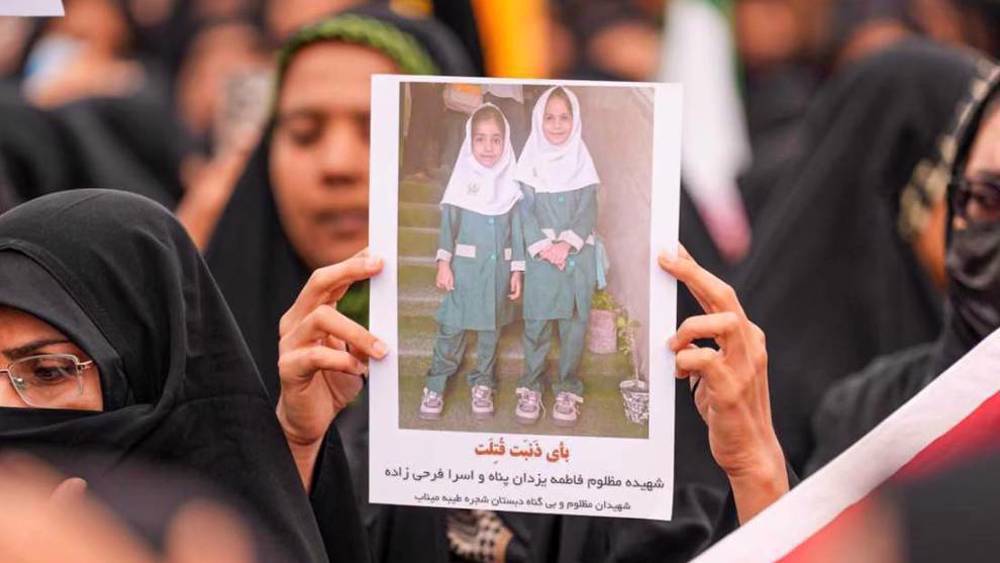
Iran’s envoy to Germany has dismissed German Chancellor Friedrich Merz’s claim about Iran’s peaceful nuclear program, saying that Berlin “must” instead clearly condemn the deadly US-Israeli assault on the Minab elementary school.
In a post published on social media platform X on Monday, Majid Nili Ahmadabadi demanded that Germany condemn the attack by the illegal US-Israeli aggression against Iran and address Israel’s destructive actions.
“First, the attacks that resulted in 168 elementary school students being targeted in the city of Minab ‘must’ be explicitly and unequivocally condemned.”
On February 28, the first day of the US-Israeli aggression against Iran, the US and Israel attacked an elementary school in the city of Minab in southern Iran, resulting in the martyrdom of 168 students and teachers.
“Second, the military aggression by the United States and the Israeli regime in June and February, which clearly contradicts the fundamental principles of international law, ‘must’ also be condemned,” Nili continued.
The envoy reaffirmed Tehran’s commitment to pursue civilian nuclear energy while Israel possessed nuclear warheads and refused to puts its nuclear activities under international surveillance.
“Furthermore, Iran’s position is clear: ‘no’ to nuclear weapons and ‘yes’ to peaceful nuclear technology. Instead, attention ‘must’ be directed toward the destructive actor [Israel] that is not a member of the Nuclear Non-Proliferation Treaty (NPT) while possessing dozens of nuclear warheads,” he concluded.
First, the attacks that resulted in 168 elementary school students being targeted in the city of Minab "must" be explicitly and unequivocally condemned.
— Iran In Deutschland (@IraninBerlin) May 4, 2026
Second, the military aggression by the United States and the Israeli regime in June and February, which clearly contradicts the… https://t.co/tupp1vjaM3
During an interview on Sunday, Mertz claimed that Iran “must not be allowed” to continue its nuclear program, adding, “Our goal is the same and that is preventing Iran from continuing its nuclear program and gaining a nuclear warhead.”
The criminal US-Israeli aggression against Iran began with airstrikes that assassinated senior Iranian officials and commanders.
Iranian armed forces responded by launching daily missile and drone operations targeting locations in the Israeli-occupied territories as well as US military bases and assets across the region.
Furthermore, Iran retaliated against the strikes by closing the Strait of Hormuz, which resulted in a significant increase in oil prices and its by-products.
On April 8, forty days into the war, a Pakistan-brokered temporary ceasefire between Iran and US took effect.
Negotiations ensued in Islamabad but stopped short of an agreement amid Washington’s maximalist demands and insistence on unreasonable positions.

Omani foreign minister to visit Iran to discuss Strait of Hormuz shipping
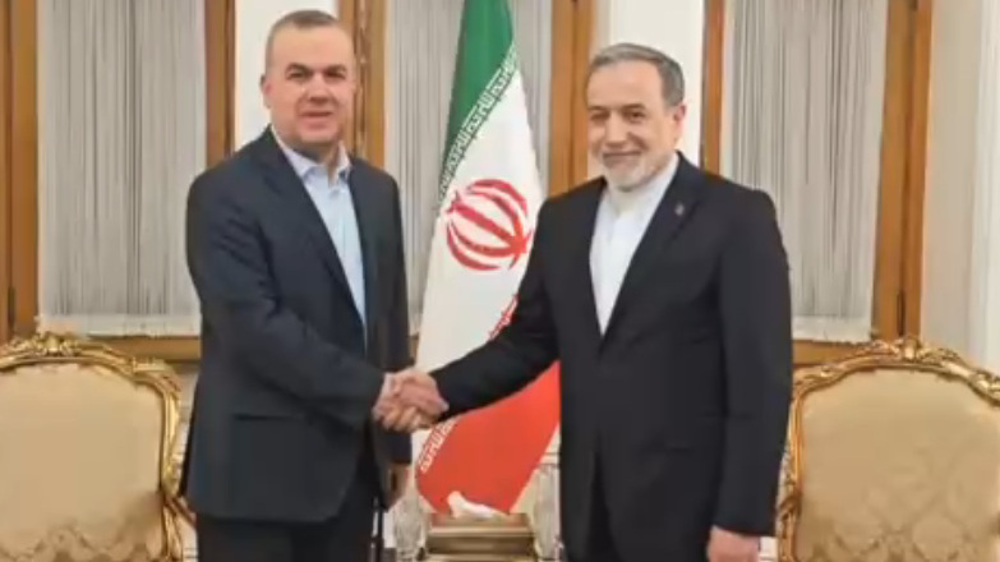
Iran’s heroic defense, assertive diplomacy source of pride for allies: Lebanese MP
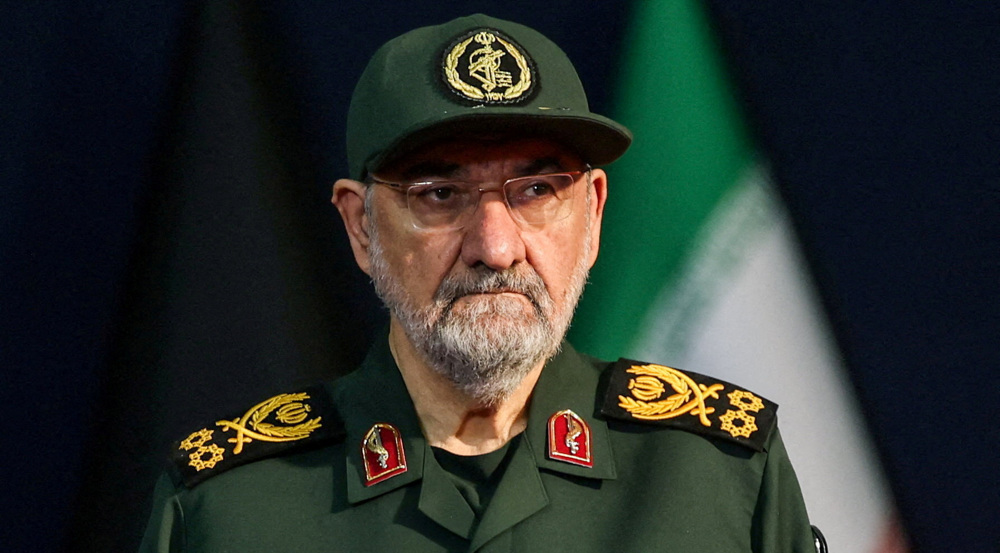
Supporting US economic war is an 'act of war': Iran’s top security official warns



Pezeshkian to US: Drop the bullying, force won’t solve anything
Bolivia’s former president hails Iran as ‘model of sovereign resistance against US empire’
Iran’s trade partners won’t listen to US ‘big talk’: Qalibaf
Iran’s top security official says US must change its behavior
Israel denies Swedish MEPs entry to occupied lands over criticism of Gaza genocide
Israeli court extends detention of Palestinian doctor despite heart catheterization
VIDEO | Iran court orders $37 million in US oil funds for Butterfly Patients
VIDEO | Press TV's news headlines


 PressTV NEWSLETTER
now
PressTV NEWSLETTER
now
 This makes it easy to access the Press TV website
