

Iran’s Foreign Minister Abbas Araghchi says the Islamic Republic is open to diplomacy in case the United States drops its excessive demands and stops using the language of threats against the country.
Araghchi made the remarks in separate phone calls with the foreign ministers of Turkey, Qatar, Saudi Arabia, Egypt, Iraq, and the Republic of Azerbaijan, where they discussed and exchanged views on the latest regional developments.
The minister also informed his counterparts about Iran’s latest initiatives to end the war imposed by the United States and the Israeli regime against the Islamic Republic and to establish peace in the region.
He reiterated that the US-Israeli aggression against Iran was the main factor and source of the insecurity in the Persian Gulf region and the Strait of Hormuz.
Araghchi also appreciated the constructive role and noble efforts of some regional countries in putting an end to the war and sparing the region the dangerous consequences of a renewed military aggression.
“The Islamic Republic of Iran did not initiate this imposed war, and to the extent that it is ready to pursue the diplomatic process in the event of a change in the excessive approach, threatening rhetoric, and provocative actions of the American side, the Iranian armed forces are also fully alert and ready to comprehensively and decisively defend the Iranian nation against any threat or evil,” Iran’s top diplomat stressed.
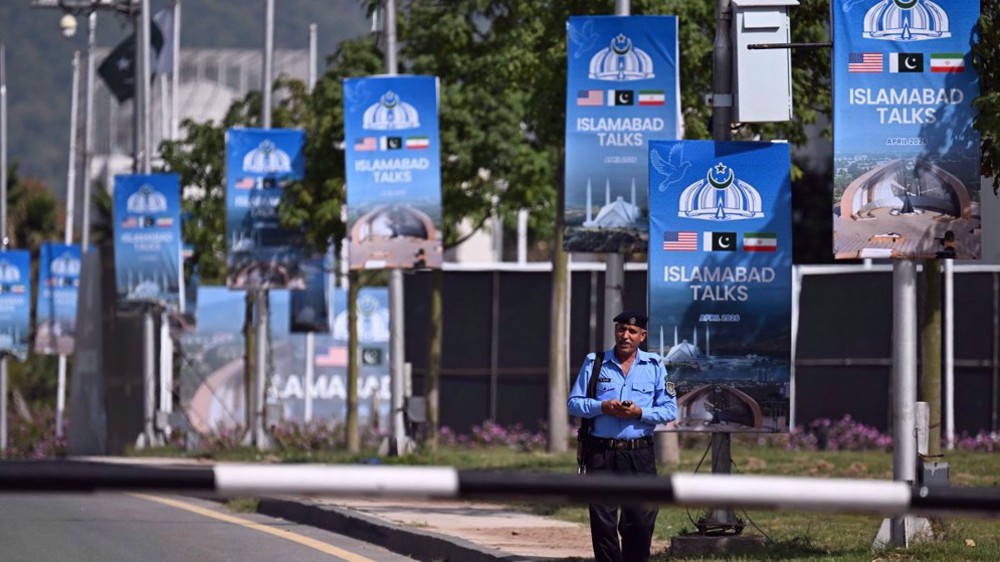
He noted that "Iran entered a new round of negotiations with the mediation of Pakistan, with goodwill and responsibility, with the aim of definitively ending the war, and despite absolute suspicion of the American side due to repeated breaches of commitments."
For their part, the foreign ministers of the regional countries clarified their countries’ views and stances on supporting diplomacy and peaceful solutions to end the war and resolve disputes. They expressed their readiness to provide any assistance in this process.
The US and Israel started a fresh round of aerial aggression on Iran on February 28, some eight months after they carried out unprovoked attacks on the country.
The attacks led to the martyrdom of Leader of the Islamic Revolution Ayatollah Seyyed Ali Khamenei.
The aggression was launched as Tehran and Washington had held three rounds of indirect negotiations in the Omani capital of Muscat and the Swiss city of Geneva and planned to open technical talks in Vienna, Austria.
Iran began to swiftly retaliate against the strikes by launching barrages of missiles and drone attacks on the Israeli-occupied territories as well as on US bases and interests in regional countries.
On April 8, the United States and Iran agreed to a two-week ceasefire after Washington received a 10-point proposal from Tehran. US President Donald Trump later unilaterally extended the ceasefire.
The conversations come as IRNA reported that Tehran has sent a new plan for negotiations to the mediator, Pakistan.
 This makes it easy to access the Press TV website