Germany’s vice chancellor blasts Trump’s anti-Iran strategy, urges quick end to war of aggression
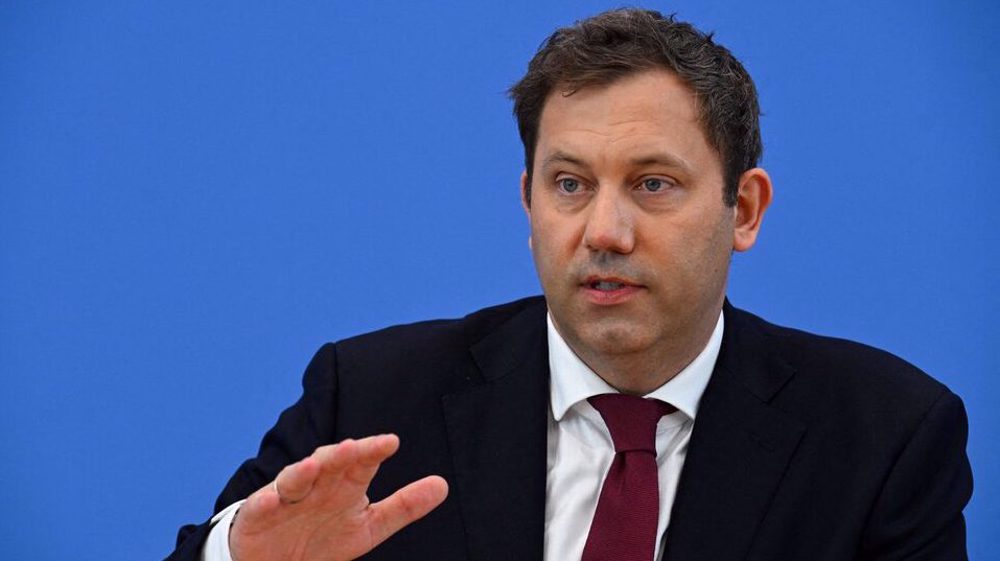
Germany’s vice chancellor has strongly criticized US President Donald Trump over his anti-Iran strategy and called on him to end the war of aggression against Iran as quickly as possible.
Lars Klingbeil told a Labor Day event in the western town of Bergkamen on Friday that Trump had wrongly assumed the war against Iran would be over within just a few days.
“I think he really believed this would be a matter of two or three days, and then everything would be fine.
He now bears the responsibility for ensuring that this war on Iran ends quickly,” Klingbeil said.
Klingbeil held the US president directly accountable for the political repercussions and massive economic fallout resulting from the war against Iran.
He also defended Chancellor Friedrich Merz against recent criticisms from Trump.
“We really don’t need any advice from Donald Trump. He should take a look at the mess he’s created. He should ensure that serious peace talks are now held with Iran,” Klingbeil said.
German Finance Minister Lars Klingbeil says Trump's war with Iran has halved Germany's economic growth, spiking fuel and energy costs despite Berlin's non-involvement in the war.
— Press TV 🔻 (@PressTV) April 30, 2026
Follow: https://t.co/B3zXG73Jym pic.twitter.com/DyeMWyXI15
“And I say this especially in light of the past few days, when he has been making comments about the German federal government and the chancellor,” he added.
On Tuesday, Trump verbally attacked Merz after the top German official blasted Trump's war on Iran, further straining ties between the allies.
Earlier, Merz had described the aggression against Iran as “ill-considered.”
“The problem with conflicts like this is always that you don’t just have to get in — you have to get out again. We saw that very painfully in Afghanistan for 20 years. We saw it in Iraq,” Merz added.
Merz also said Washington was being “humiliated” by the Islamic Republic’s negotiating tactics.
Germany’s Merz: US ‘humiliated’ by Iranian leadershiphttps://t.co/ssOpZlUiVu
— Press TV 🔻 (@PressTV) April 27, 2026
Tehran refused to rejoin negotiations with Washington after Trump’s illegitimate maximalist demands, despite repeated US announcements that it intended to send delegates to continue the talks.
The developments come several weeks after the US and Israeli regimes launched an unprovoked military aggression against Iran on February 28.
Forty days into the war, a two-week ceasefire brokered by Pakistan took effect on April 8.
However, talks between Washington and Tehran in Islamabad collapsed due to excessive US demands and shifting positions.
Trump then unilaterally extended the truce while ordering the continuation of an illegal blockade against Iranian vessels and ports, in clear violation of the ceasefire terms.
Tehran has also asserted that, as long as the blockade is still in place, it has no intention of reopening the Strait of Hormuz, which it closed to the vessels of aggressors and their supporters since the start of the war.
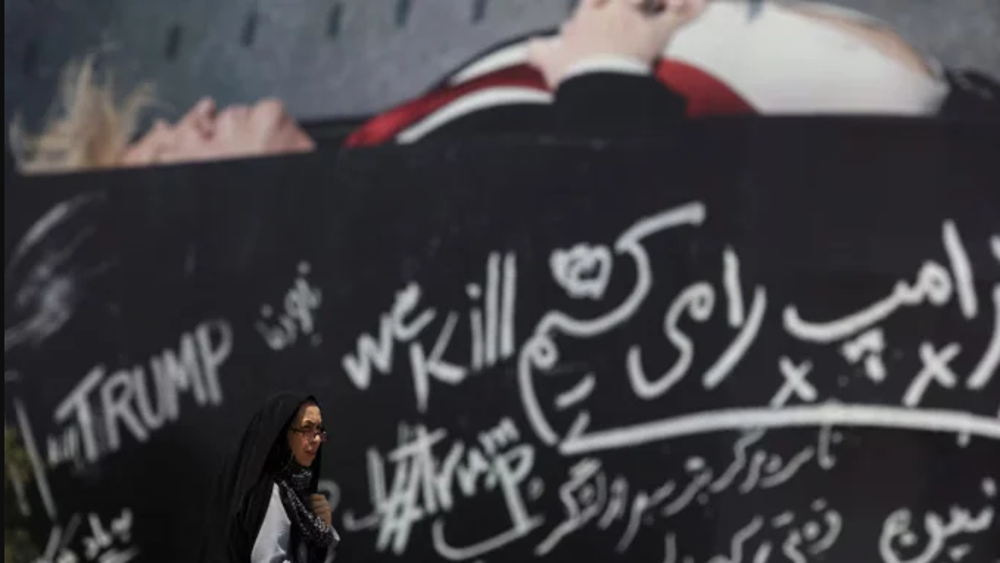
Poll: Most Americans expect greater chaos from US war on Iran
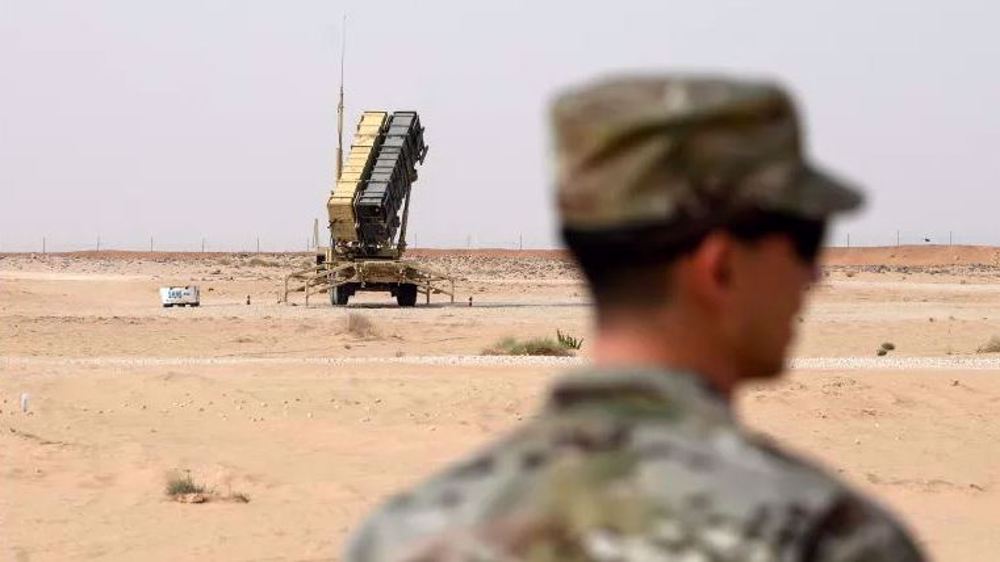
US military scrambles for low-cost drone interceptors amid severe munitions depletion: Report
Saudi-led EA buyout spotlights Trump's son-in-law's Persian Gulf ties



Yemen warns Saudi regime: Persistence in colonial policies will lead to its collapse
Speaker Qalibaf: US strategy of bullying and broken promises has failed
VIDEO | Safe Hormuz shipping arrangements
VIDEO | Press TV's news headlines
‘US vassal’: Medvedev slams Japan for ignoring US role in atomic bombings
Poll: Most Americans expect greater chaos from US war on Iran
Iranian strikes leave hundreds of US troops with lasting brain injuries
Kuwait closes only Iranian private school amid post-war crackdown


 PressTV NEWSLETTER
now
PressTV NEWSLETTER
now
 This makes it easy to access the Press TV website
