Medical advances and progress in Iran
The story of Iran is far more complex than the headlines suggest. Over the past four decades, the country has quietly engineered one of the most dramatic transformations in public health anywhere in the world.
In 1979, life expectancy in Iran was just 56 years; today it stands at 75, a 19-year leap.
In comparison, during the same period, life expectancy in the United States rose only three years, and in France, eight.
The numbers tell a story of rapid, determined progress built on investment in health care, expanded insurance coverage, and a national push for better medical services.
It's an undeniable sign of Iran's progress and capabilities in the medical field.
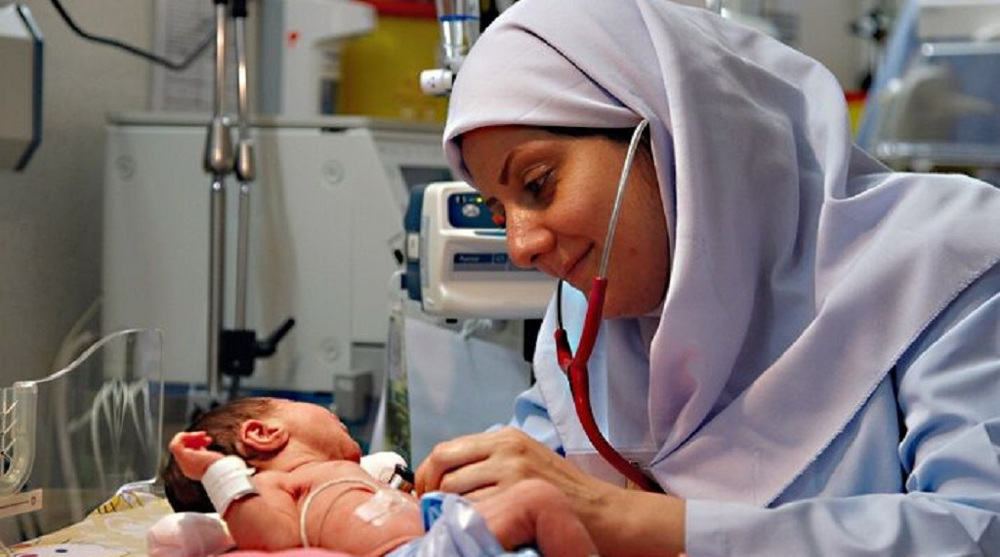
One of the clearest indicators of a nation's health is maternal and infant mortality.
Following the victory of the Islamic Revolution, as access to clinics and trained medical staff increased, Iran saw maternal deaths fall to 20 per 100,000 live births. That's less than 1% of the global rate, which stands at roughly 200 per 100,000.
Specialists in obstetrics and gynecology call it one of the country's quiet medical revolutions.
However, some critics abroad often claim that Iran is a country that is defined only by its drones and missiles, but a deeper look inside the country's scientific institutions paints a very different picture.
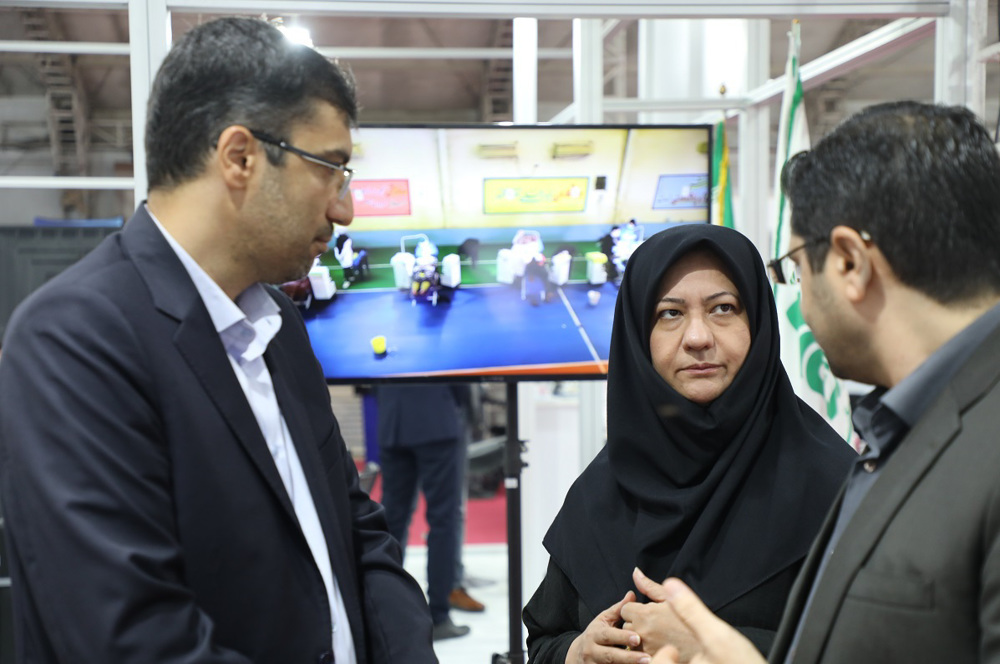
Mr. Mohamad Reza Kompani, CEO of a high-tech medical equipment company, Premiere Electromedical Care (PEC), outlined how Iran's medical equipment sector has expanded since the victory of the Islamic Revolution of Iran in 1979.
The medical equipment of Iran actually started after the revolution. Before that, we had only the furnitures and such things and Autoclave for sterilization of the tools.
But after that, about 10 years after the revolution, right after the ending the war, the medical equipment started the industry in Iran. And now we have about 85% of the items are required to be used in the hospitals.
I'm talking about the devices, because in medical equipment, we have two parts, the devices and the sundries and the disposables we use in the hospitals.
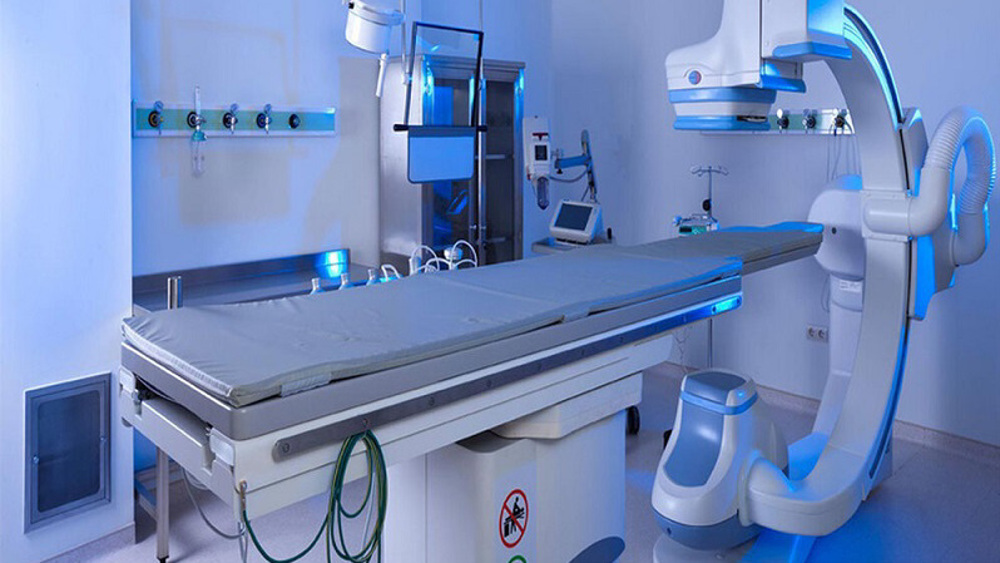
So in the medical equipment, the devices, 85% of the hospitals are doing the equipping by the Ministry of Health are provided from the local manufacturers. It's the as you see here, it's the operation room, the ICU, CCU, the dialysis section, emergency and the General Hospital.
Mohammadreza Company, CEO of Premiere Electromedical Care
Iran's global ranking in science and research has climbed to 15.
65 Iranian universities are now counted among the world's top institutions, 22 of them in medical sciences.
Many cancers once considered fatal in Iran are now routinely treatable. 97% of the medicines Iranians use are produced inside the country and through advanced transplants, from cord blood to bone marrow, Iranian physicians now treat more than 70 diseases that once required travel abroad.

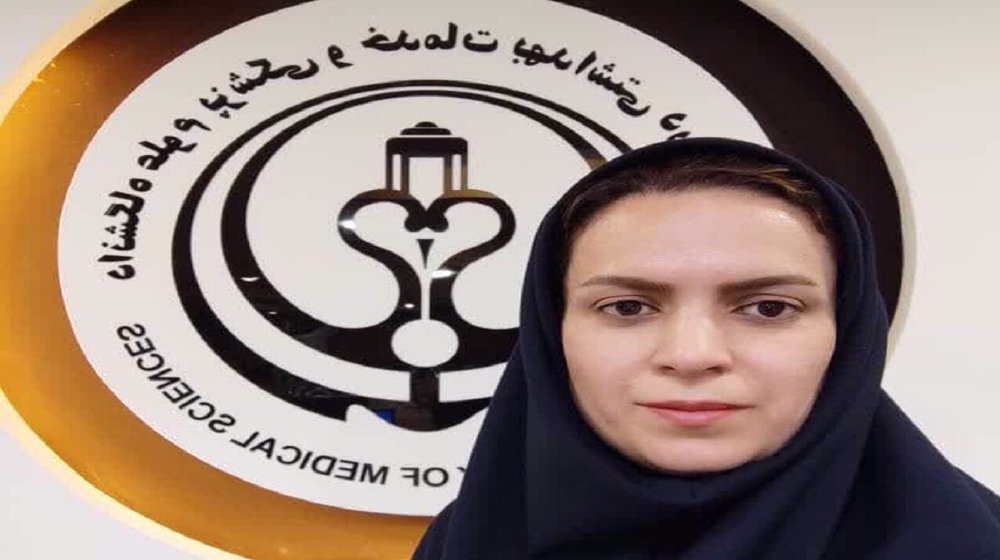
In an interview with us, Iranian scientist Sepideh Mirzaei- Varzeghani, a Mustafa Prize Laureate for scientists under 40 and a leading researcher in cancer drug resistance, highlighted Iran's giant leap in advanced therapeutic technologies, particularly in the field of gene therapy.
With the expertise we have today, Iran has a real voice in the global biomedical arena, we've made significant progress in advanced therapeutic technologies, especially gene therapy. If there is sustained, targeted investment, Iran can definitely become a regional hub for cancer research and cancer treatment.
Sepideh Mirzaei-Varzeghani, Research Scientist
Four decades ago, Iran ranked 39th in global scientific output; today, it is 18th.
In medical sciences alone, Iran has climbed from 38th to 10th worldwide. The country is among the five global leaders in advanced stem cell science, second in the world in bone marrow transplantation, and among the top 10 nations in nanotechnology, biotechnology and infertility treatment.
In biotechnology, Iran is now one of only three nations producing a wide portfolio of high-tech biopharmaceuticals, which include the hepatitis B vaccine, Erythropoietin, multiple interferon types, streptokinase, G-CSF, and others.
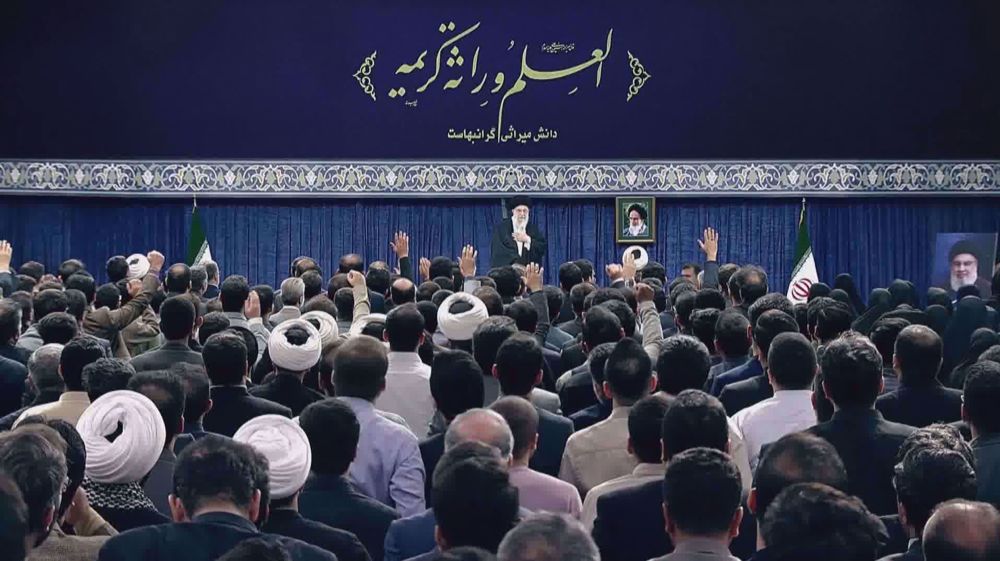
Regarding the issue of the academic elite and scientific progress, I have written down two or three points that I would like to share with you.
The first point is that scientific progress began in the country about two decades ago, or a little before that, and it had a good start.
In other words, it created some movement. A couple of slogans became common in the student and national university environment, such as “crossing the national scientific frontiers” and “a software movement”.
These slogans that were common in those days were very influential. So a movement and an effervescence was created in academic environments and this continued.
Ayatollah Seyyed Ali Khamenei, Leader of the Islamic Revolution
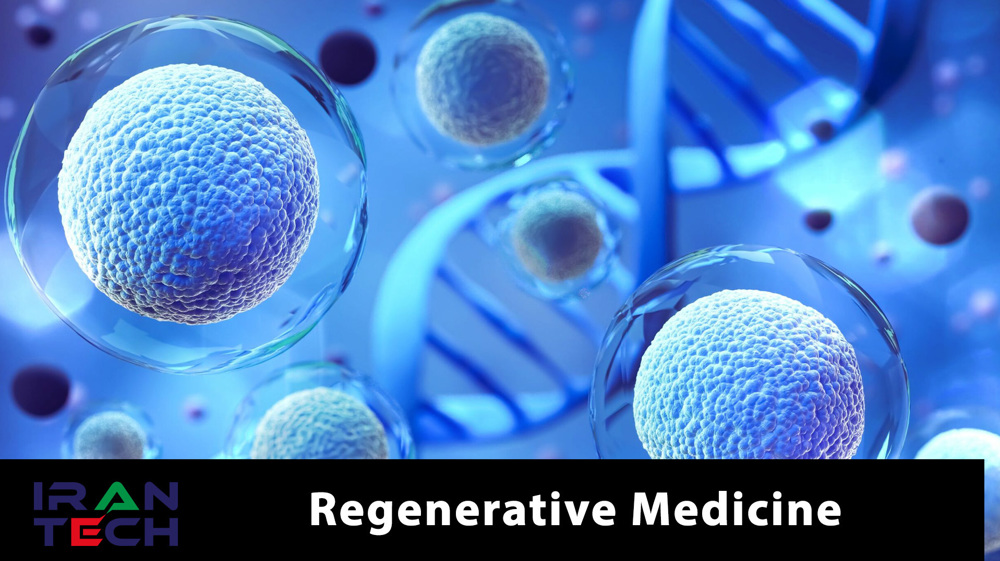
And for more than 20 years, Iran has practiced clinical cell therapy, an area where many countries remain stuck in the research stage.
Stem cells are now used in corneal, cardiac, skin and other transplants across Iranian hospitals.
Ms Mirzaei also explained how her research on drug resistance in cancer led to her receiving the Mustafa Prize. Founded in 2012, it is considered one of the most prestigious science and technology awards in the Islamic world.
Can you please tell us more about your research that resulted in you receiving the young scientist Mustafa prize?
My research, which led to this valuable award, focuses on drug resistance in cancer. I study the role of intercellular signaling pathways that cause cancer cells to become resistant to chemotherapy.
These molecular pathways inside the cell play a crucial role; after several treatment cycles, they can make the patient's body less responsive to anti-cancer drugs and reduce the sensitivity of cancer cells to therapy.
What we're trying to do is to identify and regulate these signaling pathways. Cancer cells can activate certain pathways that, in turn, lower their sensitivity to treatment.
By mapping and modulating these pathways, we aim to reduce drug resistance and restore or even increase the responsiveness of cancer cells to anti-cancer drugs.
Sepideh Mirzaei-Varzeghani
Education has played a major part in this transformation. Iran now has nearly 70 medical universities and faculties staffed by 22,000 faculty members.
The country's medical system hosts about 270,000 domestic students and 7000 international students.
Researchers in these institutions have authored more than 60,000 conference papers, 81,000 journal articles, and over 258,000 papers published internationally.
25 Iranian medical universities have been included in the Leiden ranking, 2025, with Tehran, Shahid Beheshti, Tabriz, Shiraz and Iran University of Medical Sciences ranking below 500 globally.
Women's enrollment in universities has also increased, and women now make up 50% of students and faculty, an important accomplishment.
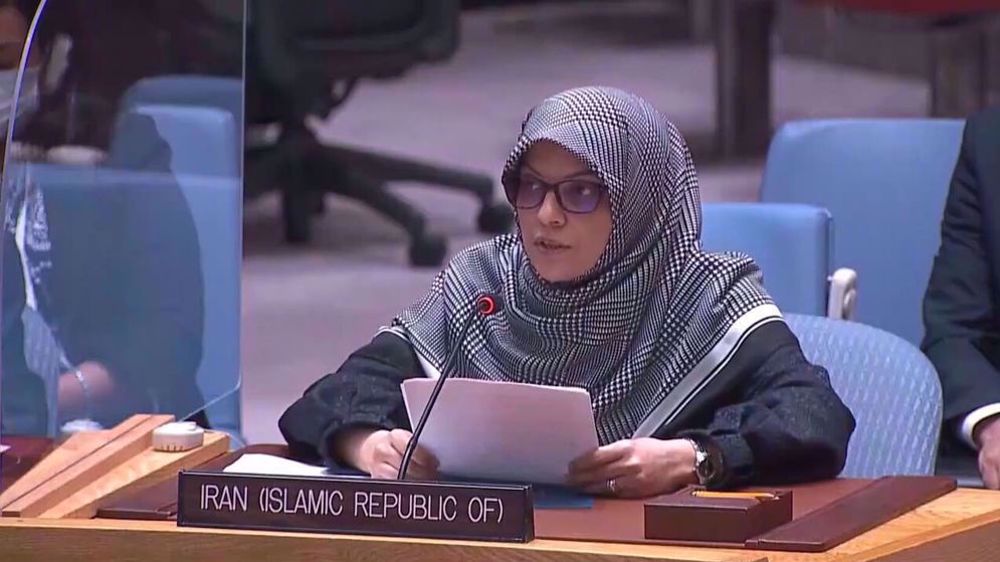
Many of these graduates have achieved prominent national and international positions.
Iran's push for scientific independence is evident in its pharmaceutical sector as well. For instance, 99% of medications are produced domestically.
Iran also produces 40% of its medical equipment and requires no outside technical assistance for the development of pharmaceutical formulations; something the country demonstrated during the Iran-Iraq War, the COVID-19 pandemic and other crises.
From 35 dependency-heavy drug companies in 1979, Iran has grown to more than 200 domestic pharmaceutical manufacturers today.
Mr. Company also described how Iran weathered the COVID-19 pandemic using medical equipment supplied by domestic knowledge-based companies.
I'm telling you that for the rest of the products and the items which we have not produced yet, many, many science-based companies which among the 400, are working on them. And I will promise you, in about two or three next year, we will have them as well. So there is no worry about the medical equipment, as we didn't have any problem during the corona.
You see in Corona, we actually expend 6000 ICU beds for the corona patients. So this means that we had the knowledge, we had the technology, we had the units and all of them prevent us to choose the patients from the age and etc, to take it to the ICU, so every patient which needed to go to ICU freely they could go.
Then they had, they hadn't had any problem. So Corona was the one among the 10 to 15 countries in the world which has no problem. Iran was one of them.
Mohammadreza Company, CEO of Premiere Electromedical Care
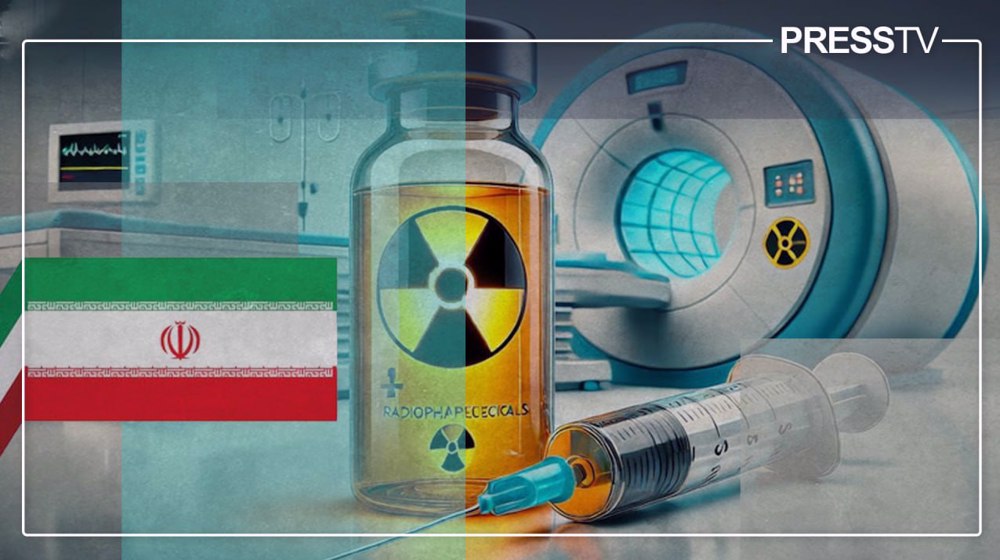
Iran now ranks first in Asia in the production of recombinant medicines, drugs used to treat cancers, MS, hemophilia and viral illnesses.
Vaccination coverage for children under five has risen from 20% before 1979 to full nationwide coverage, even in remote villages.
Iran has produced key pharmaceutical raw materials for the treatment of pulmonary hypertension, coagulation disorders and chemotherapy.
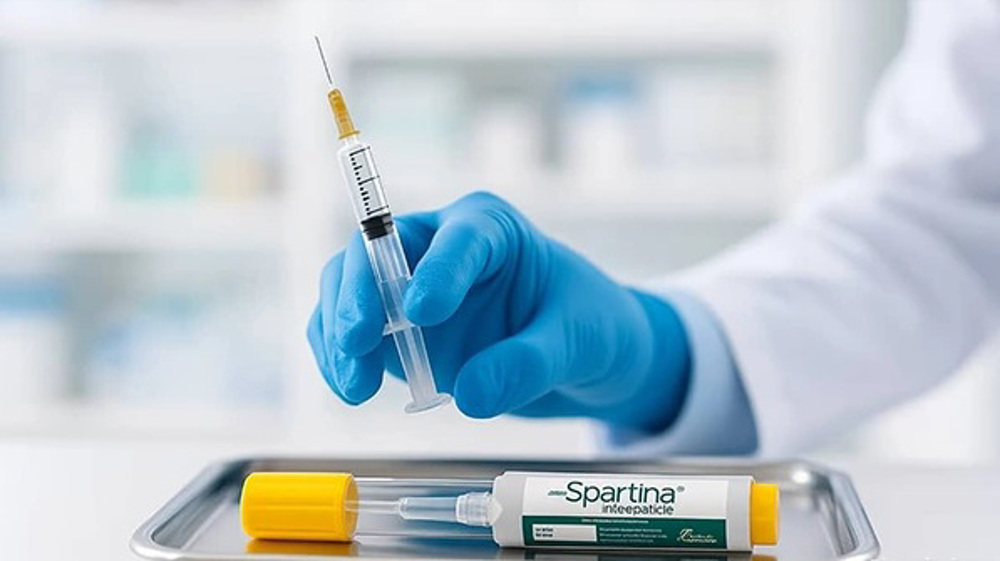
It has introduced the first nanotechnology-based injectable anti-cancer drug, SinaDoxosome, among a long list of other high-tech drugs.
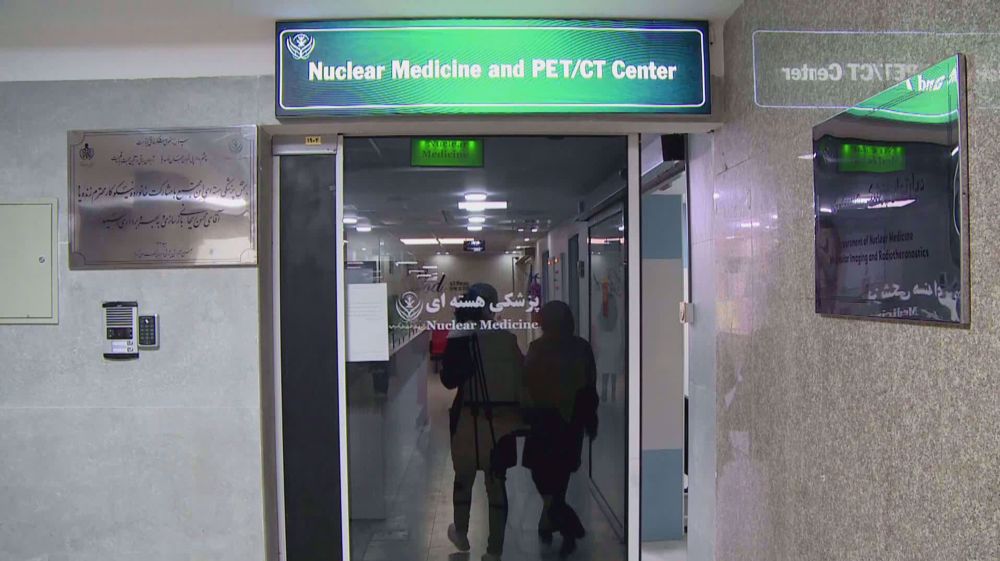
Iran is now one of the world's top three producers of radio pharmaceuticals, about 70 varieties. These supply 230 treatment centers and 6500 nuclear medicine units inside Iran and are exported to 15 countries, generating roughly $17 million annually.
The only remaining imports are certain raw isotopes, mainly from Russia,
Ms. Mirzaei, also explained how combination therapies can ultimately help increase hope and survival prospects for cancer patients.
What are some of the practical and clinical applications of your research regarding the diagnosis or treatment of cancer?
These are part of what we call combination therapies and gene-based drug designs, treatments that combine conventional anti-cancer drugs with genetic components. They can be highly effective in preventing and overcoming drug resistance, which is one of the biggest challenges in cancer treatment.
We also focus on targeting personalized therapies so that one standard drug is not prescribed for all patients; instead, treatment is tailored to each patient's genetic profile, because even two people with, for example, lung cancer, can have very different patterns of drug resistance.
Designing targeted drugs for each individual can significantly improve treatment outcomes, reduce overall costs and, most importantly, increase hope for patients living with cancer.
Sepideh Mirzaei-Varzeghani
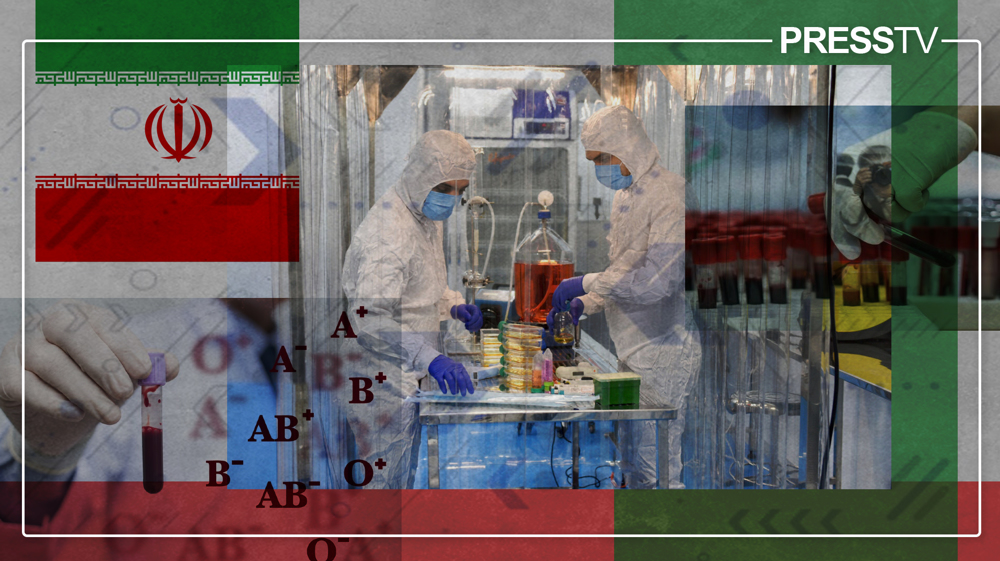
Medical tourism has become another thriving industry; in 2024, nearly a million patients from 160 countries traveled to Iran for treatments ranging from infertility and cosmetic surgery to cardiac care, ophthalmology and organ transplantation.
Diako Abbasi, Health Tourism Council Secretary, explained how Iran has become a destination for health tourism.
Over the past two decades, Iran has become one of the leading health tourism destinations in the region and even the world.
This growth stems from our scientific and technological progress in medicine, the strong expertise of Iranian doctors in diverse specialties, Iran's strategic location near countries with serious health care challenges and our shared cultural background and long medical tradition, all of which have helped make Iran a distinctive and attractive destination for health tourism.
Diako Abbasi, Health Tourism Council Secretary
Iran also maintains one of the region's largest research networks, with 849 medical research centers. These laboratories fuel Iran's growing scientific partnerships abroad and boost its presence in global health diplomacy.
We currently have around 300 hospitals licensed to provide International Health Services, fully capable of admitting foreign patients at a professional level, their staff receive cross-cultural training, and they have dedicated International Patient departments that operate under official authorization.
In addition, there are about 700 active health tourism offices and companies that handle medical visas as well as patients' accommodation, transfers, and, specialized guidance during their stay.
Diako Abbasi, Health Tourism Council Secretary
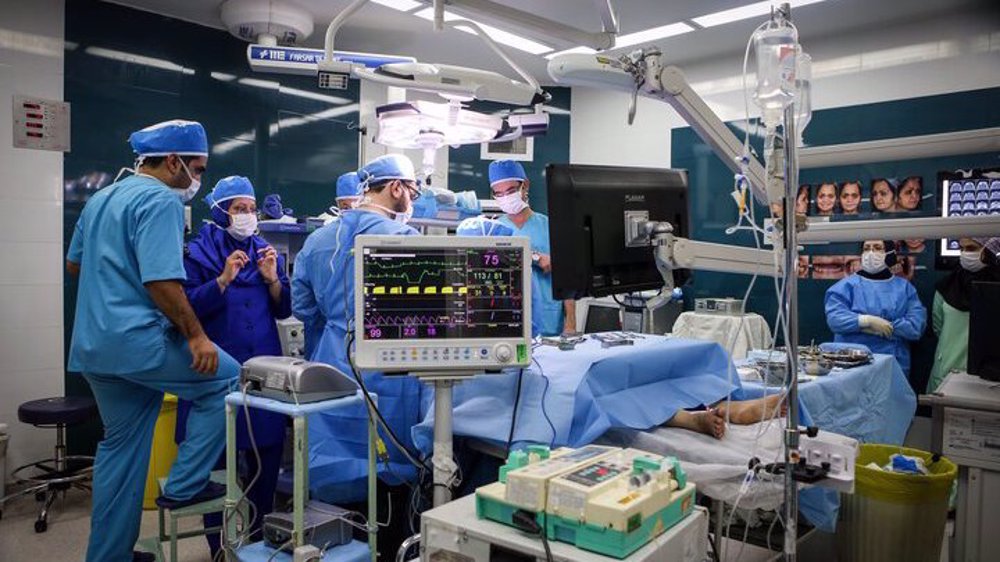
In ophthalmology, Iranian hospitals offer services on par with the most advanced nations. The country no longer sends patients abroad for eye care. Instead, patients from neighboring countries come to Iran for surgery due to lower costs, modern equipment, and highly trained surgeons.
Last year, our medical centers admitted foreign patients from around 140 countries, which shows just how strong and promising Iran's health tourism market is.
Most international patients come for cardiology and cardiovascular surgery, orthopedics, infertility treatment, transplants, ophthalmology and ENT procedures, such as cochlear implants, as well as cosmetic and general surgery.
They travel from countries like Iraq, Afghanistan, Turkmenistan, the Persian Gulf states, and even Saudi Arabia, as well as European countries such as the UK and Germany.
We've also received patients from countries like India and even from the United States and Australia. Our data clearly show that Iran is now treating patients from across the world.
Diako Abbasi, Health Tourism Council Secretary
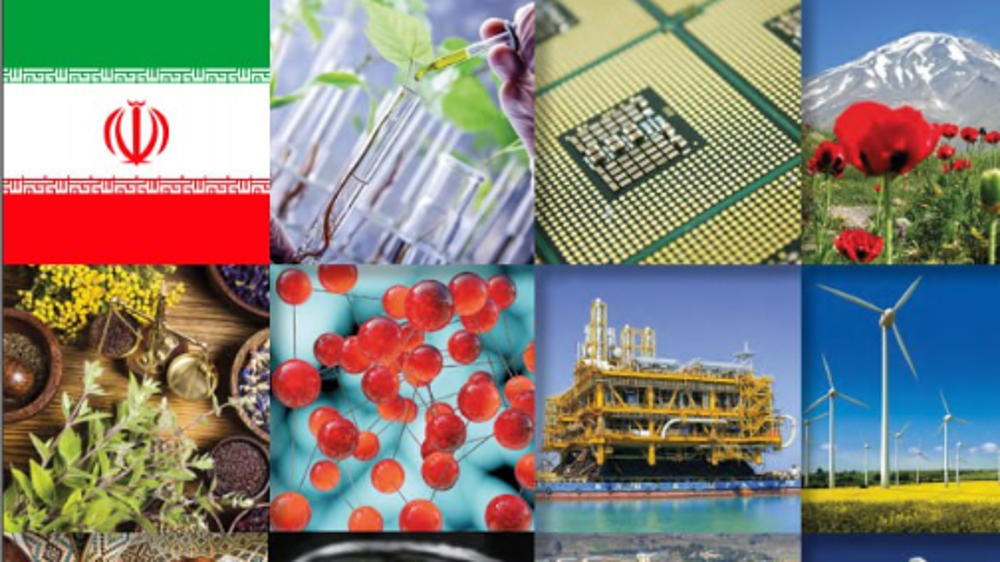
Before the victory of the Islamic Revolution, more than 11,000 Iranians were sent abroad each year for medical care. Today, the flow has reversed.
The country has performed over 50,000 kidney transplants, around 7000 heart transplants, and 225 pediatric heart transplants.
Every month, roughly 80 million medical services are delivered across the country.
In recent years, Iran has also joined the list of medical equipment exporters. Officials announced at the Iran Health 2025 exhibition that Iranian-made medical technology is now shipped to more than 60 countries.
More than 17,000 medical technologies have been registered inside Iran, and many are already on the global market, from vital sign monitors and defibrillators to dental and laboratory equipment as well as precision surgical tools.
The export of Iranian medical equipment products
We are meeting all the standards, international standards, of the medical equipment for our products, as the MOH has based on that.
So we now have very good quality devices and also the disposables in the country. So we have no problem for that. And we are exporting to around 40 countries, and we are earning a lot of money from these exports.
And also for the devices we have our own production line in different countries, and by rebranding with the cooperation of the local agents and our companies in countries like Indonesia, Turkey, Iraq, and Sweden.
Mohammadreza Kompany, CEO of Premiere Electromedical Care
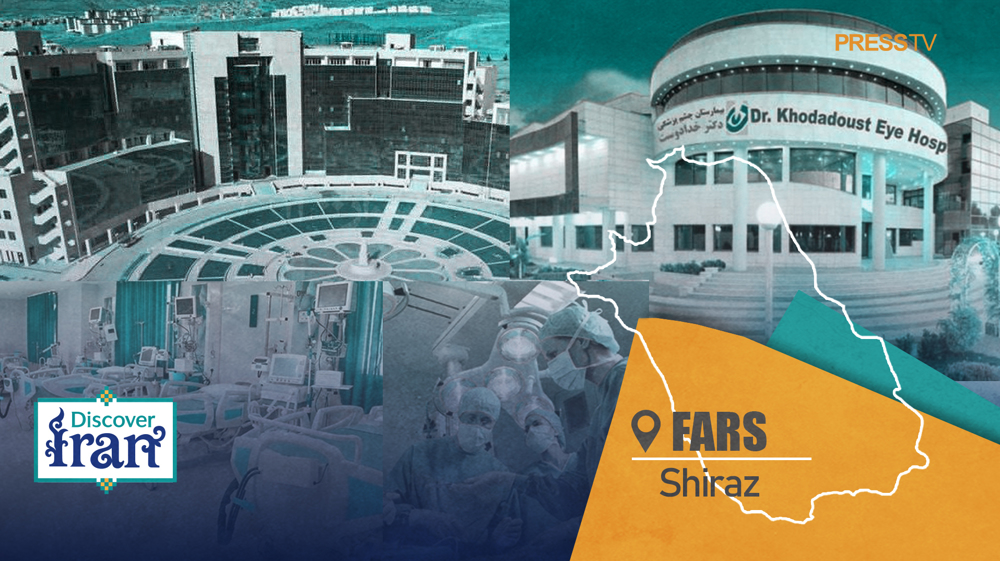
About 65% of Iran's medical device industry is powered by knowledge-based companies, many of which were conceived and implemented in universities and science parks.
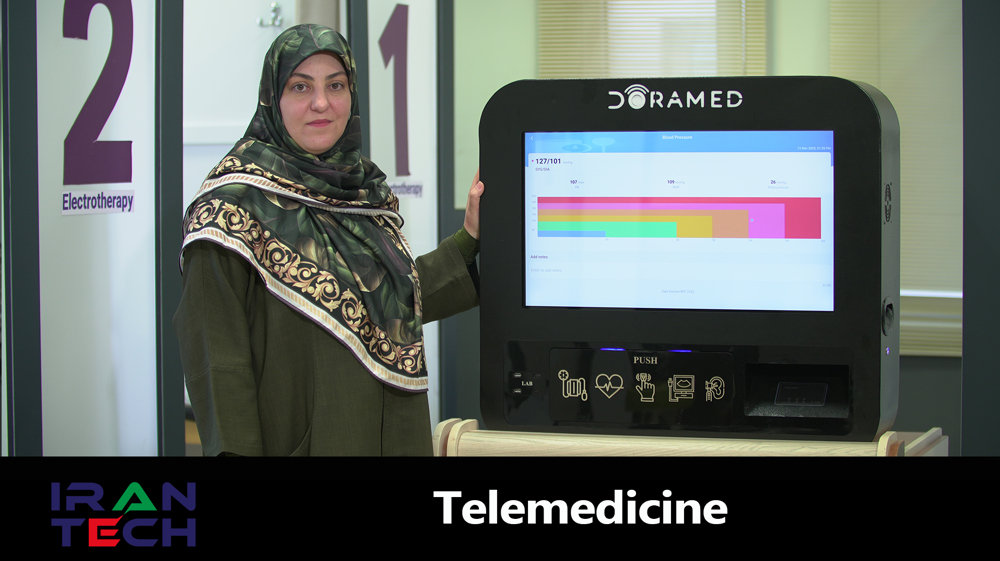
This pipeline of engineers and researchers has allowed Iran to develop high-tech devices such as AI-enhanced MRI machines, portable imaging units and remote patient monitoring systems.
And there we have the Iranian ICU, which we have, the ventilator, the special beds, the patient care monitoring system and the gas supply.
And as I told you, during the COVID-19 pandemic, all the equipment was sourced from the local manufacturer, so we didn't have any problems.
And the price was very attractive, because at the corona [sic] many, many countries, has to pay 10 times, eight times of the real price of the ventilator.
But here, this unit was given to the MOH for 7000 euros. But we had many offers from other companies, at different prices, from 40,000 to 70,000 euros.
But 6000 of these units were bought for only 7000 euros each, which was very good, and now the real price in the world is about 10,000 to 12,000 euros.
Mohammadreza Company, CEO of Premiere Electromedical Care (PEC)
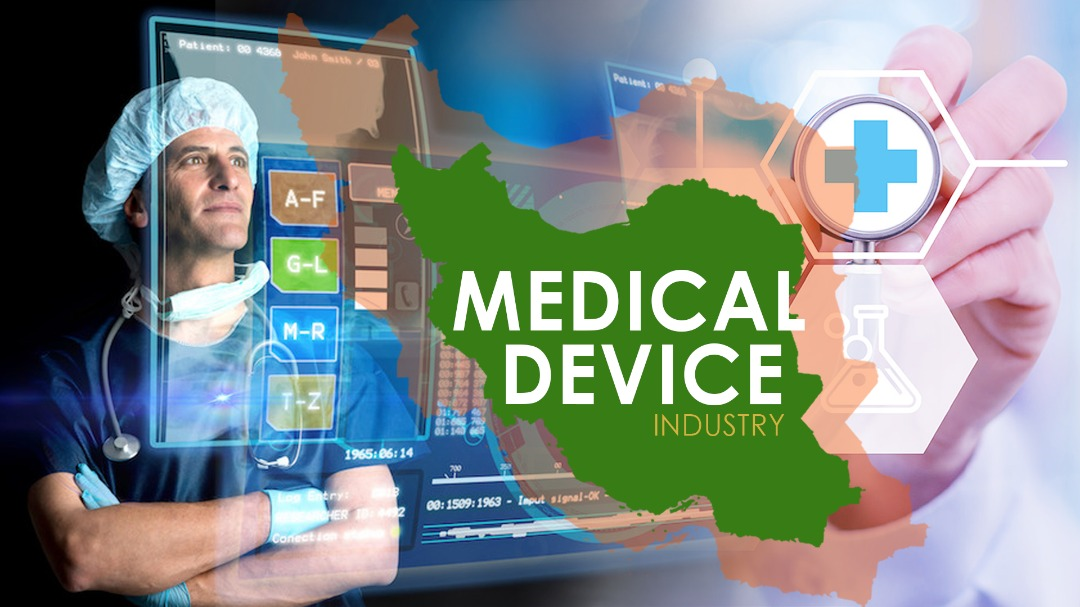
Exports of medical equipment surpassed $500 million in 2024 and are projected to reach about $650 million by the end of 2025. West Asian and African countries are the largest buyers.
The main appeal is that Iranian devices typically cost 30 to 40% less than their European counterparts, but offer comparable precision and reliability.
The quality is very good because they meet all international standards, and of course, the price, for example, this operation room, the general operation room you see here, if you want to buy from a top brand European or American company, you have to pay at least 200 to 300,000 US dollars.
But here you can get it for 70,000 US dollars. So you see the different price. You get the same quality, but for a lower price. This is our advantage in international markets.
So by having the people outside to cooperate with us, we will, very soon, will be anywhere [sic] in the world for the manufacturing of medical equipment and rebranding it.
Mohammadreza Company, CEO of Premiere Electromedical Care (PEC)
Years after the victory of the Islamic Revolution, Iran's healthcare system continues to grow.
Through decades of expansion, from hospitals and clinics in major cities to health centers in the most remote villages, the promise of equitable healthcare has been largely realized, and for millions of people across the country, that promise has become a lived reality.

Ansarullah takes over Bab al Mandab Strait

Implication of Netanyahu's rejection of Palestine peace plan
Qazvin: Turning heritage into future growth



Pentagon finally admits Iran struck US F-35 fighter jet
Yemen rejects reports of threat against Mecca amid Saudi escalation
VIDEO | KSA oil bypass backfires
IRGC Navy chief praises 200 nights of nationwide demonstrations
Iran says attacks cannot destroy nuclear science, vows not to surrender to ‘bullies’
VIDEO | Press TV's news headlines
US plot to use Iraqi Kurdistan as launchpad against Iran thwarted: Qalibaf
Israeli forces abduct Press TV reporter Naqqa Hamed near Bethlehem


 PressTV NEWSLETTER
now
PressTV NEWSLETTER
now
 This makes it easy to access the Press TV website
