Iran’s stem cell revolution: Rise as global leader in cord blood storage, regenerative medicine
By Ivan Kesic
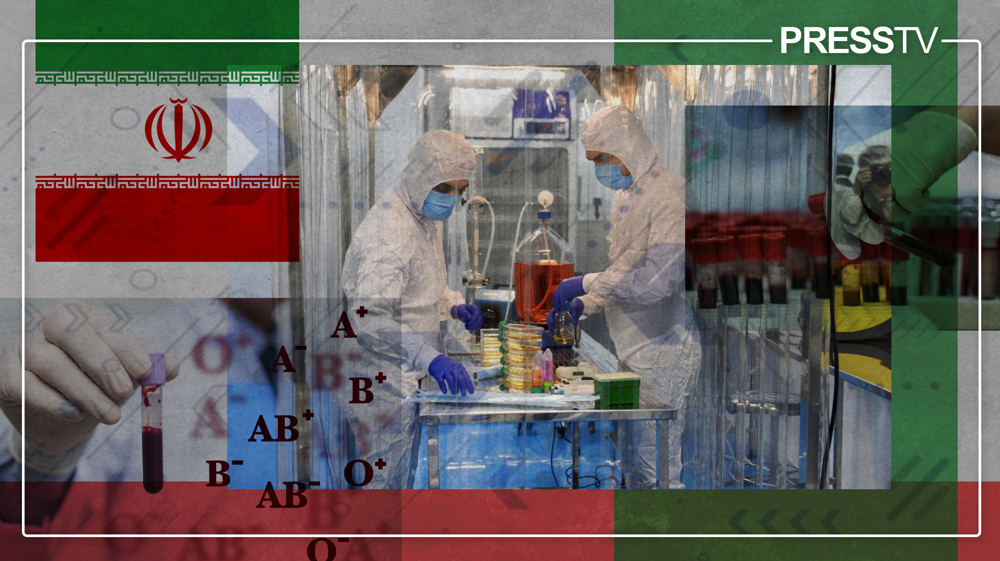
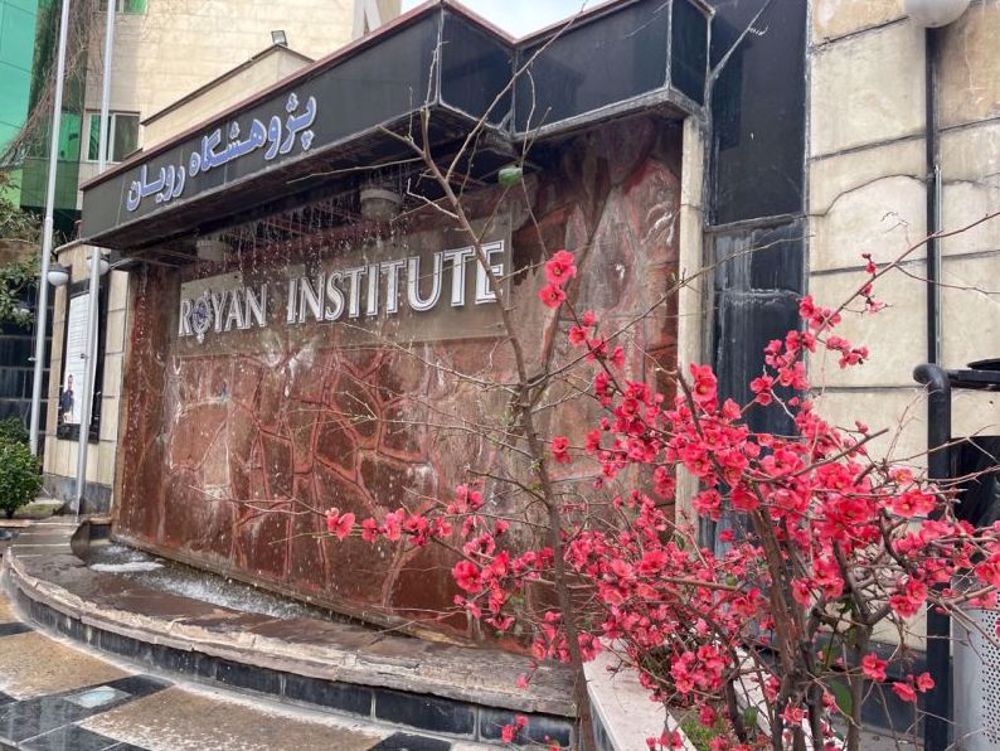
At a press conference held at the Royan Research Institute in Tehran earlier this week, Morteza Zarrabi, CEO of the Royan Stem Cell Technology Company, made an announcement that echoed across the global scientific community.
Iran, he declared, has officially risen to second place worldwide in umbilical cord blood storage, amassing an impressive 250,000 registered samples.
This milestone secures Iran’s position as the largest and most reputable stem cell storage hub in the West Asia region – a distinction built on a private bank holding a quarter-million samples complemented by a public bank containing nearly 5,000 more.
Zarrabi noted that these extensive capabilities were far from accidental. They represent the culmination of two decades of sustained work in technological advancement, clinical application, and the development of innovative infrastructures.
The roots of this national scientific movement stretch back to 2002, when stem cell research was still in its infancy even within Iran’s own research institutions.
It was the late Dr. Kazemi Ashtiani who first recognized the transformative potential of stem cell science. With striking foresight, he championed serious national investment in a field he believed would reshape the future of medicine.
His advocacy, and the decisive support of Leader of the Islamic Revolution Ayatollah Seyyed Ali Khamenei, which came after a letter from Dr. Kazemi, marked the turning point that launched this ambitious scientific journey.
This foundational backing set in motion a path of self-sustaining growth that, within a generation, would establish Iran as a prominent player in advanced medical science.
Today, the scope of Iran’s stem cell enterprise extends far beyond cord blood, drawing from an array of sources including bone marrow, peripheral blood, adipose tissue, umbilical cord tissue, and dental pulp.
These stem cells – primitive, multipotent cells capable of extensive self-renewal and differentiation – form the backbone of a rapidly evolving medical frontier.
They fall into two principal categories: hematopoietic stem cells, used in the treatment of blood disorders, and non-hematopoietic stem cells, which hold promising potential for neurological, orthopedic, and cardiac diseases, as well as conditions such as cerebral palsy and autism.
🇮🇷🩸 With 250,000 samples stored in its cord blood bank and broad international activity, Iran now ranks second worldwide.
— Iran First (@IranFirst_PTV) November 16, 2025
A significant step in advancing regenerative medicine, stem cell research, and future treatments.#IranFirst🇮🇷 pic.twitter.com/8hfjqIXbBA
Perinatal tissues that are typically discarded after birth, such as the placenta and umbilical cord, have likewise been transformed into valuable therapeutic resources.
These materials now support the production of advanced products including the Amicare wound dressing, umbilical cord blood–derived PRP, and placental extract.
The clinical impact of these advances is already evident. Royan has carried out stem cell transplants for patients with various blood disorders and has completed several significant clinical trials targeting cerebral palsy, autism, arthritis, and ALS.
To date, stem cell storage has facilitated treatment for approximately 1,850 patients and has contributed to saving nearly 900 lives, with transplant success rates in blood diseases exceeding an impressive 80 percent.
On the global stage, Iran’s standing is equally noteworthy. Along with the UAE and Saudi Arabia, it is one of the three leading centers in the region for cord blood storage, a distinction earned through its large-scale operations, extensive clinical experience, and broad national reach.
The worldwide cord blood storage market remains highly competitive and has long been dominated by a small group of American and European companies. Yet Iran has secured its second-place global ranking on the basis of its substantial sample volume and the scope of its international activities.
Global ranking criteria classify banks with fewer than 100,000 samples in the third tier, those with 100,000 to 400,000 samples in the second tier, and those exceeding 400,000 in the top tier.
Having surpassed the 250,000-sample threshold, Iran solidly occupies the second tier.
This achievement is especially significant considering the challenges posed by international sanctions and domestic infrastructure limitations, underscoring the nation's impressive capacity for scientific progress under difficult conditions.
The Royan Cord Blood Bank operates in full accordance with international standards and maintains a robust national network of 46 representative offices across the country, ensuring broad access to this advanced medical technology and reinforcing its position as the only privately operated bank of its kind registered in Iran.
Foundational science and strategic development
The remarkable rise of Iran’s stem cell sector in recent decades is deeply rooted in a sophisticated and profound understanding of the core science itself.
At the forefront of this technological frontier are pluripotent stem cells, a uniquely powerful class of stem cells typically present only during early embryonic development. Their extraordinary capability lies in their potential to generate all three primary germ layers, the ectoderm, endoderm, and mesoderm, as well as germ cells.
This ability for unlimited self-renewal and differentiation into any cell type across these three layers makes pluripotent stem cells – both embryonic stem cells and induced pluripotent stem cells (iPSCs) – an exceptionally promising resource for regenerative medicine, prized for their scalability and virtually limitless availability.
By February 2025, Iran had firmly positioned itself among the world’s leading countries in the world in advancing this cutting-edge technology.
Mostafa Najjar Asl, deputy head of the Royan Research Institute, confirmed that Iran ranked second in the region and stood shoulder to shoulder with European countries such as France and Germany on the global stage.
This privileged position is the direct result of three decades of accumulated expertise and relentless dedication by Iranian researchers, reflecting a sustained national commitment to foundational bioscience.
The emergence of this advanced capability was no accident but the outcome of a carefully coordinated national strategy.
Recognizing both the novelty of the field and the need to accelerate progress beyond the usual pace of scientific research, the Iranian government established the Council for the Development of Stem Cell Sciences and Technologies.
Charged with a vital mission, the council fosters existing human capital and provides essential platforms to train and empower new generations of experts across various domains of regenerative medicine, including tissue engineering, gene therapy, and cell therapy.
The scientific dividends of this approach have been impressive. An analysis of publications in prestigious international journals indexed by Scopus showed that by the end of 2021, Iran ranked 13th globally and first across the region in stem cell and regenerative medicine research, outperforming many scientifically advanced and resource-rich countries.
This remarkable quantitative growth in research output has been complemented by a parallel emphasis on establishing a strong regulatory and infrastructural framework, ensuring that scientific breakthroughs translate effectively into clinical realities.
A cornerstone of this strategic progress has been the development of a comprehensive infrastructure encompassing laws, guidelines, and standards governing the production of cell therapy products.
For years, the standards governing the production, accreditation, and commercialization of stem cell-related products remained underdeveloped within Iran, confining many promising activities to the research and development phase.
To break through this bottleneck, the Council for Development of Stem Cell Sciences and Technologies embarked on a diligent, multi-year collaboration with the nation’s leading professors, managers, and senior experts.
Numerous technical meetings were convened to debate, exchange insights, and integrate international best practices.
This painstaking effort culminated in the publication of key regulatory documents, including the “Criteria for Registration of Biological Products” and the “Guidelines for the Minimum Order of Cells, Tissues, and Products Based on Human Cells”, which were made publicly available on the Food and Drug Administration’s website in 2015.
Building on this foundation, the bylaws governing the establishment and operation of reconstructive medicine and cell therapy centers in public, non-governmental, and private hospitals were formally issued in 2018, disseminated throughout the national medical system.
This maturation of the regulatory framework now empowers Iran to produce stem cell products and practice reconstructive medicine to internationally recognized standards.
It also paves the way for attracting foreign investment, facilitating international technology transfer, and fostering mutual cooperation, marking a critical transition from a research-centric program to a fully regulated biomedical industry.
Clinical integration and global contribution
The ultimate test for any medical technology is its integration into clinical practice and its tangible impact on alleviating human suffering. In this realm, Iran’s progress has been both systematic and meticulous.
The qualitative and quantitative expansion of stem cell clinical service centers across the country is a cornerstone of this achievement.
Nationally licensed cell therapy centers, primarily specialized hematopoietic stem cell transplant facilities, treat a wide spectrum of otherwise incurable diseases, including congenital hematopoietic disorders, primary immunodeficiency, metabolic diseases, hematologic cancers, and solid tumors.
For many patients worldwide, hematopoietic stem cell transplantation from a healthy donor remains the only life-saving option. This procedure plays a critical role in repairing the hematopoietic and immune systems, often resulting in lifelong recovery.
Iran’s first such center was established at Tehran University of Medical Sciences in 1990, and since then, the network has expanded to include 18 centers operating within prestigious university hospitals nationwide.
While initially limited to adult patients, pediatric hematopoietic stem cell transplantation began in 2006. Over three decades of experience have seen approximately 13,000 patients benefit from this advanced treatment—an impressive testament to the scale, expertise, and maturity of Iran’s national program.
This clinical infrastructure is supported by two other vital nationwide systems: stem cell donation centers and cord blood banks.
Recognizing that many patients lacked compatible family donors, Iran established hematopoietic stem cell donation centers where volunteers can confidentially register, have their genetic profiles tested, and be stored for potential matches.
The first such center was inaugurated at Tehran University of Medical Sciences, and the network has since expanded to 13 donor centers, collectively maintaining a database of 91,498 registered donors.
As a member of the World Marrow Donor Association (WMDA), Iran’s national network is fully integrated into the global system, enabling life-saving international stem cell exchanges.
In parallel, the country has developed a robust cord blood banking infrastructure.
Approximately 15 years ago, Royan Stem Cell Technology Company founded its cord blood bank. With the support of the Council for Development of Stem Cell Sciences and Technologies, the Blood Transfusion Organization also established a cord blood bank dedicated to the storage and supply of hematopoietic stem cells for patients in need.
These banks specialize in processing perinatal materials, particularly cord blood, which offers a rich source of hematopoietic stem cells with a lower risk of transplant rejection compared to bone marrow.
The technical expertise and success of Iran’s cord blood banks have even extended internationally, exemplified by the establishment of a similar bank in Oman, underscoring the exportability and global relevance of Iran’s model.
The seamless integration of research, regulation, and clinical application has cultivated a dynamic ecosystem of innovation and commercialization.
In recent years, the establishment of comprehensive science and technology centers dedicated to stem cells and reconstructive medicine has consolidated scientific capacity, manpower, and technical infrastructure, fostering the growth of knowledge-based companies and technology hubs.
This strategic approach has deliberately moved the field beyond isolated research efforts, promoting an integrated, interdisciplinary collaboration among clinicians, pharmacists, basic medical scientists, and tissue engineers.
The results are compelling. By the end of 2021, over 190 knowledge-based companies had been established in stem cell science and technology, collectively producing more than 600 distinct products in the realm of stem cells and regenerative medicine.
These companies are now poised for their next phase of growth, geared toward exports, technology transfer, and international partnerships.
They offer a comprehensive portfolio of services to global collaborators, including designing and operating hematopoietic stem cell transplant centers for treating cancer and over 70 incurable diseases, establishing stem cell donation centers and cord blood banks, and participating in the domestic production and international establishment of cellular product manufacturing facilities.
This remarkable evolution, from a national scientific initiative to an emerging global partner in high-tech medicine, encapsulates Iran’s journey in stem cell technology, marked by strategic vision, regulatory foresight, and an unwavering commitment to medical self-sufficiency and excellence.
Meet the Iranian researcher behind breakthrough method for high-dimensional data search
Iran’s Pardis Technology Park develops over 110 new products despite wartime challenges
Iranian engineers develop indigenous engine control units, advancing automotive electronics



Pezeshkian: Iran ‘no longer’ trusts US after being attacked twice during talks
Iran says it doesn’t plan to attack neighbors’ airports in response to US bans
Restrictions on Iranian flights impede Iraq’s economic recovery: Senior MP
Tayebi wins shot put gold as Iran takes three more silvers at Aichi-Nagoya Asian Games
VIDEO | Israel’s UN isolation: Netanyahu faces criticism
Blood on their hands: NATO chief’s confession proves Europe enabled US-Israeli war against Iran
Stories Beyond Numbers: Mahya Nami, six-year-old girl killed before she could return to school
Iraq in direct talks with US to resume Iran flights, gain airports exemptions: Officials



 PressTV NEWSLETTER
now
PressTV NEWSLETTER
now
 This makes it easy to access the Press TV website
