

The US Navy's efforts to extend the service life of its Tomahawk cruise missiles have fallen significantly behind schedule, hampering its ability to replenish weapons stocks depleted during its war against Iran, according to budget documents.
The programme, which involves inspecting, testing and repairing older missiles to keep them operational, is now facing delays of more than a year, as the US military continues to rely heavily on the long-range weapons in its aggression against Iran.
Tomahawk missiles have a planned service life of 30 years but require recertification after their first 15 years in service to ensure they remain operational.
For fiscal year 2024, the Navy had planned to recertify 274 missiles but reduced the order to 218, while postponing the first deliveries by 15 months, from May 2025 to August 2026.
The following year's order was also cut, from 252 missiles to 164, with deliveries delayed by 12 months from their original May 2026 schedule.
The latest budget projections indicate that no recertified Tomahawks will be delivered during 2026. The earliest deliveries are now expected in May 2027 for the land-attack version and September 2027 for the anti-ship variant.
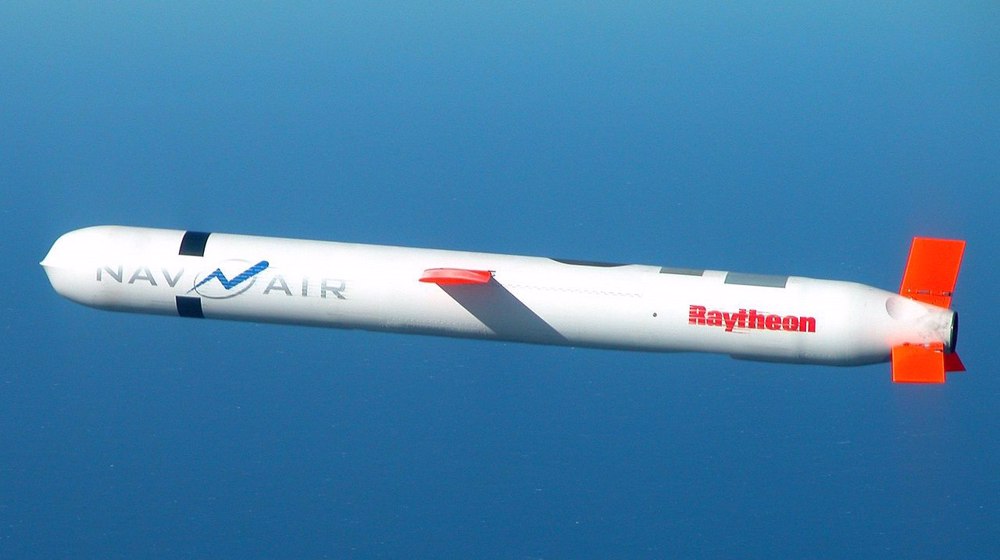
The recertification process itself has also become considerably longer, extending from 12 months to 31 months for the standard version and 40 months for the anti-ship variant.
The delays come as the US Navy has expended substantial numbers of Tomahawks during the war against Iran, with estimates suggesting that around 850 missiles were fired during the first month of the US-Israeli aggression.
At a November 17 Senate hearing, acting US Navy Secretary Hung Cao acknowledged the strain the war had placed on the military, telling lawmakers, "This war, again, I know it is a strain on our navy."
Cao also disclosed that the Navy had reclassified some munitions previously considered unserviceable, saying, "A lot of the munitions we used, we were able to recode those."
Comparing the process to reviving stale bread, he told senators, "You just rub some water on it, microwave it for 15 seconds, and it is good to go."

He did not specify how many weapons had been returned to service or identify all the types of munitions involved.
That disclosure highlighted the pressure to return older stock to service as the navy struggles to replenish weapons consumed during the war.
The challenge is compounded by limited production capacity. Before a seven-year, $22.9-billion contract was awarded in August, annual Tomahawk production stood at roughly 60 missiles. The contract is intended to increase output to more than 1,000 missiles a year.
The US Government Accountability Office has separately warned that the war against Iran has intensified pressure on already strained munitions inventories, while the War Department lacks an overarching plan to rebuild depleted stockpiles.
 This makes it easy to access the Press TV website