
A new analysis shows that the United States may need years to rebuild key missile inventories depleted during the 40-day campaign of aggression against Iran, warning that the shortfall has created a "window of vulnerability" in the event of a future engagement in the Western Pacific.
The analysis published by the Washington-based Center for Strategic and International Studies (CSIS) on Wednesday, said replenishing inventories would take "months and years . . . depending on the weapon system," echoing remarks by US Secretary of War Pete Hegseth.
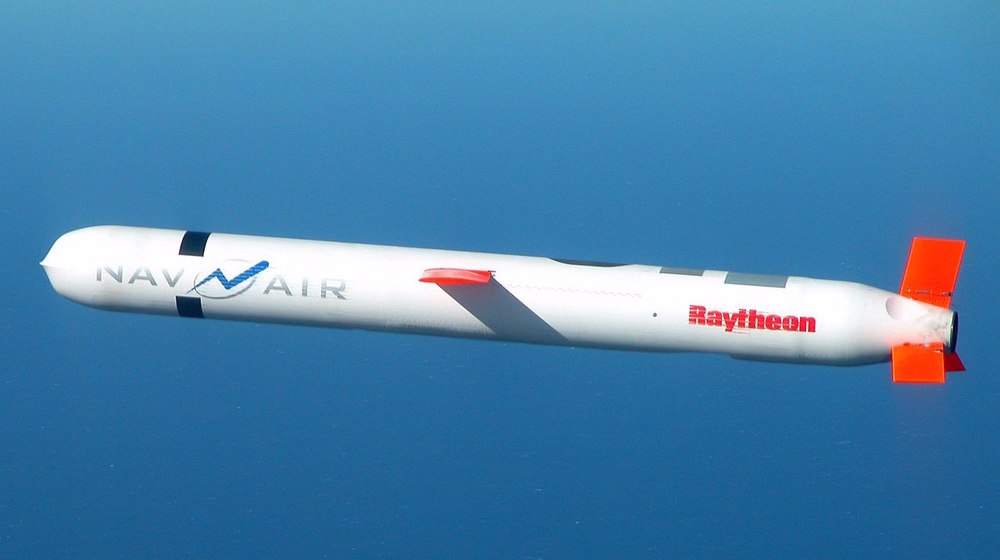
According to the report, Tomahawk cruise missiles, THAAD interceptors, and Patriot air defense missiles will require at least three years to return to pre-war levels under current production and delivery schedules.
US missile stockpiles severely depleted amid terrorist war on Iran: Reporthttps://t.co/j4oyW2Oh1p
— Press TV 🔻 (@PressTV) April 22, 2026
CSIS estimated that more than 1,000 Tomahawk missiles were deployed during the aggression, with inventories not expected to recover until "late 2030-early 2031." The Navy’s FY 2027 budget requests 785 Tomahawks, but deliveries are projected to begin only in March 2030 after a 34-month production lead time.
The report estimated that 190-290 THAAD interceptors and 1,060-1,430 Patriot missiles were also deployed. Deliveries tied to new procurement requests are expected to begin in 2029, with inventories recovering later that year.
The analysis said competing demand from Ukraine and other US allies complicates replenishment efforts. Since 2020, allies and partners have purchased nearly 1,900 PAC-3 (Patriot Advanced Capability-3) Missile Segment Enhancement interceptors, including major orders from Saudi Arabia, Germany, and Qatar.
Ship-launched Standard Missiles, including the SM-3 and SM-6, were used less heavily during the aggression and are projected to return to pre-war levels by early 2029.
Two systems were assessed as recoverable more quickly. The report estimated that more than 1,100 Joint Air-to-Surface Standoff Missiles (JASSMs) were deployed, but inventories could recover by mid-2027 because of large past procurement orders and existing production capacity.
The Precision Strike Missile (PrSM), which had a relatively small pre-war inventory because full production began only recently, is projected to recover by late 2026.
The report, however, asserted, "The problem today isn’t money; it’s time." "It takes time to expand production capacity and to build these complex systems."
'Iran tax' to squeeze Americans for 'months, probably years' as fuel prices soar: Reporthttps://t.co/3PU5Cxw6fP
— Press TV 🔻 (@PressTV) May 27, 2026
Iran's Armed Forces faced the unprovoked aggression with at least 100 waves of decisive and successful retaliatory strikes against sensitive and strategic American and Israeli targets throughout the region.
Trump announced a unilateral ceasefire on April 7 amid the retaliation and after the Islamic Republic also closed the strategic Strait of Hormuz to enemies and their allies. The latter move sent shockwaves throughout global energy markets, including in the US, where gas prices skyrocketed.
 This makes it easy to access the Press TV website