
Qazvin is drawing on its historic heritage, natural resources and strategic location to strengthen tourism, industry and investment and build new opportunities for growth.
For more than five centuries, this city has stood at the crossroads of Iran's history. Once the capital of the Safavid dynasty, today it is an industrial and agricultural powerhouse.
Asian caravansaries stand within reach of modern factories, fertile plains stretch toward the Alborz Mountains, and beyond them is the legendary land of Alamut.
Qazvin is not simply a place that looks back at the past. It is a province looking toward the future, with the resources, infrastructure, and potential to become an important part of Iran's next chapter in tourism, trade, and investment.
Qazvin is a relatively small province in terms of both population and size.
We have a population of about 1.3 million, which is less than 1.2% of the country's total population, and we account for roughly 1% of Iran's land mass.
But despite our size, Qazvin has the capacity of a country in its own right, with major economic, social, industrial, and tourism potential.
Mohammad Nowzari, Governor of the Qazvin Province
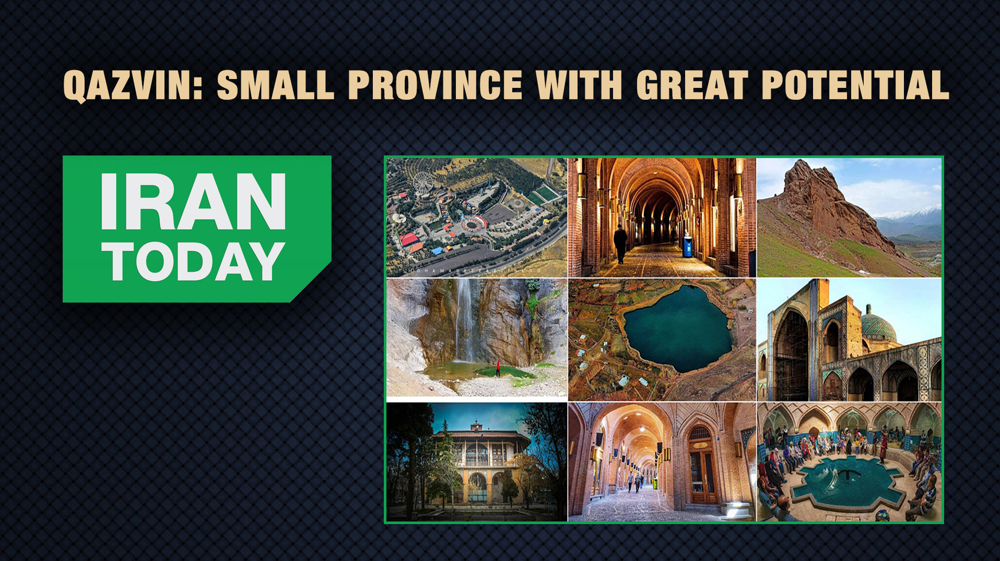
Behind the historic streets of Qazvin lies one of Iran's important economic centers, home to thousands of industrial units, vast agricultural lands, energy production, and major transportation routes.
What does Qazvin have to offer the world for tourists, investors, and businesses looking for new opportunities?
Qazvin's first advantage is something no investment can create from scratch: location.
When it comes to the country's transportation infrastructure, Qazvin is fortunately located along some of Iran's major roads.
We are close to the capital and have direct access to the northern and western provinces, covering a total of 13 provinces.
On average, around 1.4 million vehicles travel through Qazvin every day.
Mohammad Nowzari, Governor of the Qazvin Province
The province sits along one of Iran's major transportation corridors connecting the west with the east and the southwest with the northeast, and its proximity to Tehran gives businesses direct access to one of the country's largest markets.
Geographically, we're just 150 kilometers from the capital. We're also very close to the north and northwest of the country.
In fact, we are a major corridor connecting southern Iran to the north, northwest, and central parts of the country. So we are in a very strategic location.
Around 35% of Iran's population lives within 150-kilometers of our province.
That means if a factory produces goods here and wants to keep transportation costs down, Qazvin is one of the best locations because it can serve 35% of the country's population from right here.
Mehdi Abdian, Qazvin Chamber of Commerce, Head
Highways and transportation networks connect Qazvin to other parts of Iran, making the province a natural location for manufacturing, trade, and distribution.
But location is only the beginning. With one of the highest rates of university enrollment in Iran, Qazvin already has a large pool of highly skilled and educated workers ready to be hired by investors.
We have the highest number of students in the country. Qazvin's universities alone have around 30,000 students.
Universities from across the country also have branches here.
In terms of scientific and academic capabilities, Qazvin University is particularly strong in robotics and has won several awards in international competitions.
Mehdi Abdian, Qazvin Chamber of Commerce, Head
Around 4,000 industrial units are currently operating across the province. Together, they produce nearly 1,300 types of industrial goods: foods and pharmaceuticals, detergents and chemicals, steel and glass, tiles and ceramics, automotive parts, machinery, and household appliances.
Qazvin's first major strength is its industrial sector. We have around 3,900 industrial units across the province, with nearly 10 percent of the country's industries concentrated here.
Many well-known brands in the health sector are based here, and around 60 percent of Iran's sanitary and detergent products are produced in Qazvin.
The province also accounts for 50 percent of the country's glass production, 50 percent of its infant formula production, and 27 percent of its oil production.
We have around 19 industrial parks, all equipped with modern facilities and meeting the required standards.
Overall, around 1,250 industrial products are manufactured in the province.
Mohammad Nowzari, Governor of the Qazvin Province
It is a remarkably diverse industrial base, and that diversity matters because in Qazvin, different parts of the production chain can exist side by side, from raw materials and components to finished products ready for the market, some are already reaching international buyers.
You could say Qazvin is basically a mini Iran.
We haven't extracted oil here yet, but if we ever do, we could say that virtually every resource found across Iran can also be found in this province.
We have all four seasons here.
Qazvin makes up just 1% of the country's land mass, but it has almost every kind of resource you can find across Iran.
Mehdi Abdian, Qazvin Chamber of Commerce, Head
When we talk about Qazvin's economic potential, the story isn't simply about factories.
For the international investor, the real question is: What surrounds these factories? Is there a market? Is there infrastructure? Is there a workforce? Can the products be shipped efficiently? Can a business reach markets beyond the borders of the province?
Qazvin brings many of these pieces together, and that combination could create opportunities for new investment and international partnerships.
But industry is only one side of Qazvin's economy; another is agriculture. At the heart of the province is the Qazvin Plain, one of Iran's major agricultural regions.
The Qazvin Plain is one of the country's four major agricultural plains, with around 70,000 farmers and other agricultural producers.
We are doing very well today when it comes to major agricultural products and food security, particularly in poultry, eggs, oil, and agricultural processing.
We ranked second in the country in olive production, third in cherries, and first in Cornelian cherries.
Mohammad Nowzari, Governor of the Qazvin Province
Covering around 13,000 square kilometers, the plane supplies an estimated 5% of Iran's food needs. More than 30,000 hectares are devoted to field crops. Another 75,000 hectares are covered by orchards.
It is true that Qazvin accounts for just 1% of the country's land area, but 8% of Iran's industrial production is concentrated here.
Agriculture also accounts for around 5% on average, including livestock, poultry, orchards, wheat, and other agricultural products.
Mehdi Abdian, Qazvin Chamber of Commerce, Head
Wheat, barley, and melons grow here. So do grapes, olives, pistachios, walnuts, apples, cherries, peaches, and hazelnuts.
Grapes have a special place in Qazvin's agricultural identity with more than 33 varieties cultivated across the province. The region is also known for its raisins.
Pistachios are another growing opportunity. Around 4,000 hectares are dedicated to pistachio production, with exports targeting markets including Germany and countries throughout the Persian Gulf.
When it comes to fruit production, you can find virtually every type of fruit grown in Iran here in Qazvin.
In the Alamut region, we have cherry, sour cherry, and cornelian cherry orchards, and they're among the best in the country.
The pistachios we grow are also top quality. The green color of the pistachios is particularly popular, and we export a lot of them, even to countries like Italy and Canada, which produce pistachios of their own but still import them from us.
Mehdi Abdian, Qazvin Chamber of Commerce, Head
But the real opportunity may lie beyond the farm itself.
Agricultural production creates something more valuable than a harvest. It creates a supply chain, processing, packaging, organic products, medicinal plants, and export-oriented businesses.
Our company has been exporting different varieties of raisins and dates, as well as date products such as date paste and date chips, for about 12 years.
We export to markets around the world, including countries with strict health and quality standards.
Our products are exported to the European Union, Japan, Canada, South Africa, and countries across South America.
Mojtaba Shahram Yar, Iranian Exporter
What made you choose Qazvin as the base of your operations?
Qazvin, as you know, has around 32,000 hectares of grape orchards, and they are unique in the country. That has made us a leading producer of grapes, and it has also made Qazvin the country's number one producer of raisins.
Raisin production in Qazvin varies from year to year, but averages between 34 to 35,000 tons.
That production potential is what led us to invest here, and our company's first export products were raisins.
Mojtaba Shahram Yar, Iranian Exporter
The province remains an untapped resource, ideal for international companies.
Given the sheer volume of grapes produced here, I see a real gap when it comes to grape concentrates. There is a lot of room to develop that industry.
Raisin concentrate is also becoming a growing product worldwide, and it has different properties and uses.
We could also develop more food products based on grapes because grapes are one of the most nutritious fruits.
Mojtaba Shahram Yar, Iranian Exporter
In other words, an agricultural product can become the starting point for an entire economic ecosystem, generating more value at every stage.
Qazvin also produces around 15 percent of Iran’s chicken meat, 10 percent of its red meat, and 10 percent of its eggs.
When it comes to livestock farming, around 5% of the country's output comes from our province.
We have some of the most modern and high-quality livestock farms in Iran. For example, the country's largest livestock farm is located here, and it handles everything from start to finish.
We also have many other high-performing farms across the province.
Mehdi Abdian, Qazvin Chamber of Commerce, Head
And then there is energy. Qazvin produces roughly three times the electricity it consumes. Meanwhile, the province is expanding its renewable energy capacity.
Around 180 megawatts of wind power and 160 megawatts of solar power capacity have already been developed; solar capacity is planned to reach 200 megawatts.
We're also one of the country's leading provinces in renewable energy, particularly solar and wind power.
We're close to the Manjil region, where strong winds pass through our province, making this a very good location for wind farms.
So far, around 170 megawatts of renewable energy capacity has come online mainly from solar power, and we expect that figure to exceed 1,000 megawatts next year.
Mehdi Abdian, Qazvin Chamber of Commerce, Head
Put all of this together, and a bigger picture begins to emerge, Qazvin does not depend on a single industry.
Its economy is built around several connected strengths: that is, industry, agriculture, energy, and transportation.
And there may be another opportunity on the horizon.
Iran's membership in the Shanghai Cooperation Organization could give businesses in Qazvin greater access to major markets across China, Russia, and Central Asia. It could also open new possibilities for exports, investment, and technology partnerships.
For a province already positioned along Iran's major transit routes, that could mean a larger role in regional supply chains, and the momentum is already visible.
Several new economic projects have recently been launched across the province, expected to create more than 4,800 jobs.
But there is another side to Qazvin. Perhaps the word that best describes this province is simply history. Qazvin is one of Iran's oldest centers of civilization. Its archeological remains tell a story that reaches back thousands of years.
In the 16th century, under Shah Tahmasp of the Safavid dynasty, Qazvin became the capital of Iran.
For more than 50 years, political decisions were made here, trade flourished, and art and culture found a new center.
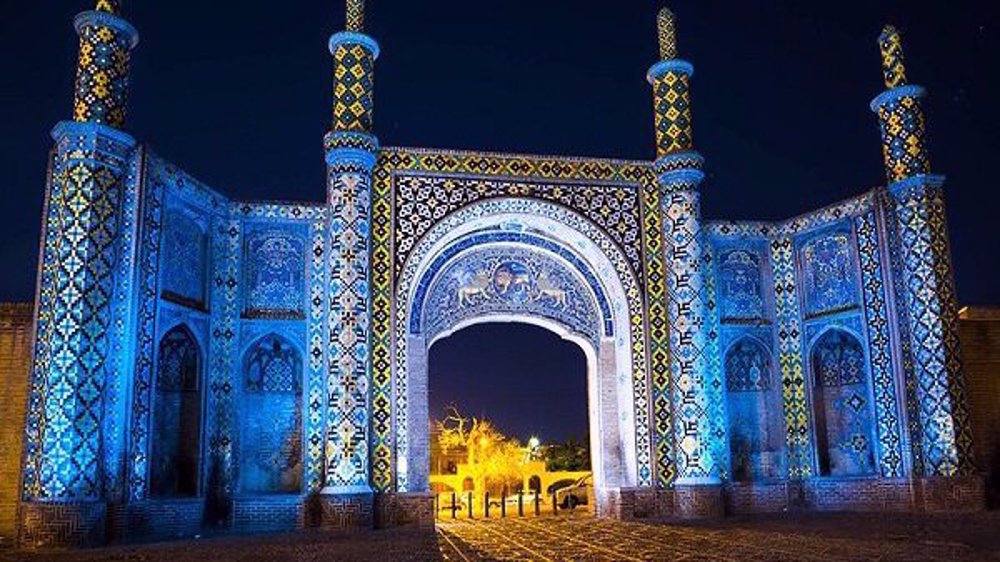
- Qazvin, the Safavid capital of palaces, gardens and grand avenues that shaped Iran’s urban landscape
The city became one of the defining chapters in Iran's history. In Qazvin, history isn't something you simply read about. You can walk through it sometimes within just a few steps.
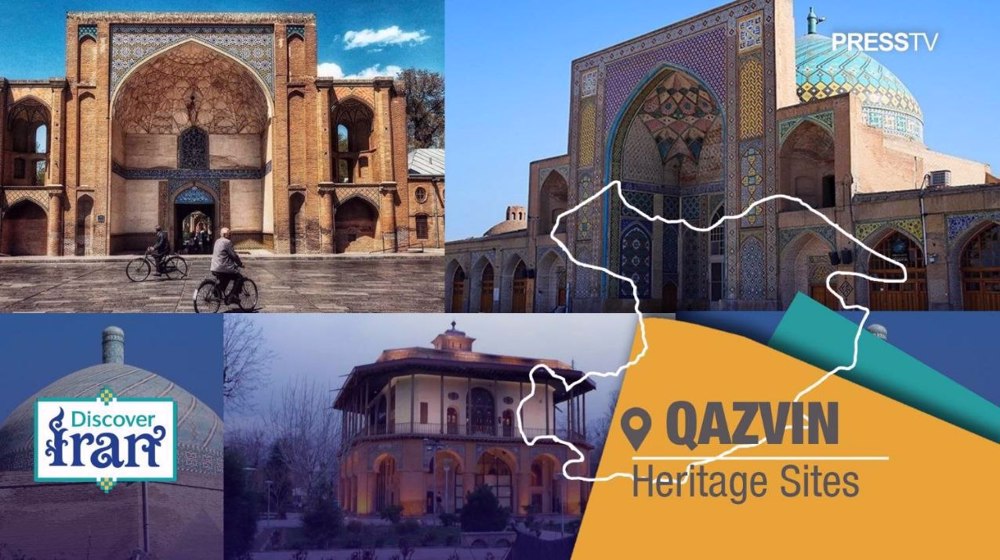
The Chehel Sotoun Palace is a reminder of the years when Qazvin was Iran's capital, when the city was at the heart of the country's cultural and political life.
Such monuments are more than reminders of a glorious past. They are part of Qazvin's future potential; because history, architecture, culture, and geography can become the foundation of a modern tourism economy, and perhaps Qazvin's greatest advantage for international visitors is the sheer variety of its heritage.
Qazvin is also home to around 11 percent of Iran's registered historical sites.
Whatever area you look at, Qazvin is well above the national average. In some cases, five times higher, and in others, as much as 11 times higher.
That gives the province enormous potential for investment, particularly in its cultural and historical resources.
Mehdi Abdian, Qazvin Chamber of Commerce, Head
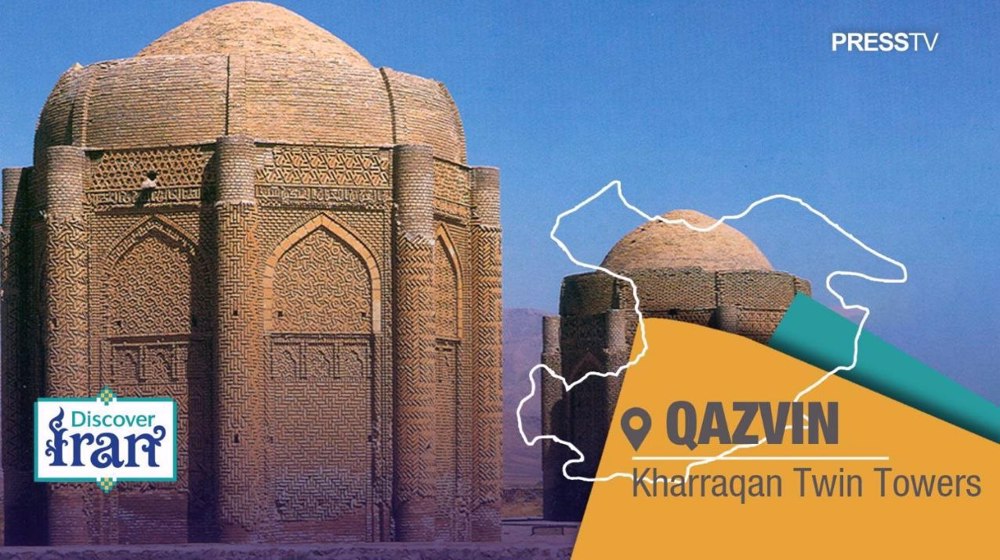
You do not have to travel far to move between different chapters of Iranian history: Safavid architecture, Qajar era buildings, Historic bazaars, traditional houses, mosques, caravansaries, and gardens.
Qazvin, in other words, does not have to be merely a stop between Tehran and Western Iran. It has the potential to be the destination itself.
More than 1,270 historical sites are officially registered across the province, around 12 percent of Iran's registered historical heritage sites, putting Qazvin at the top of the country.
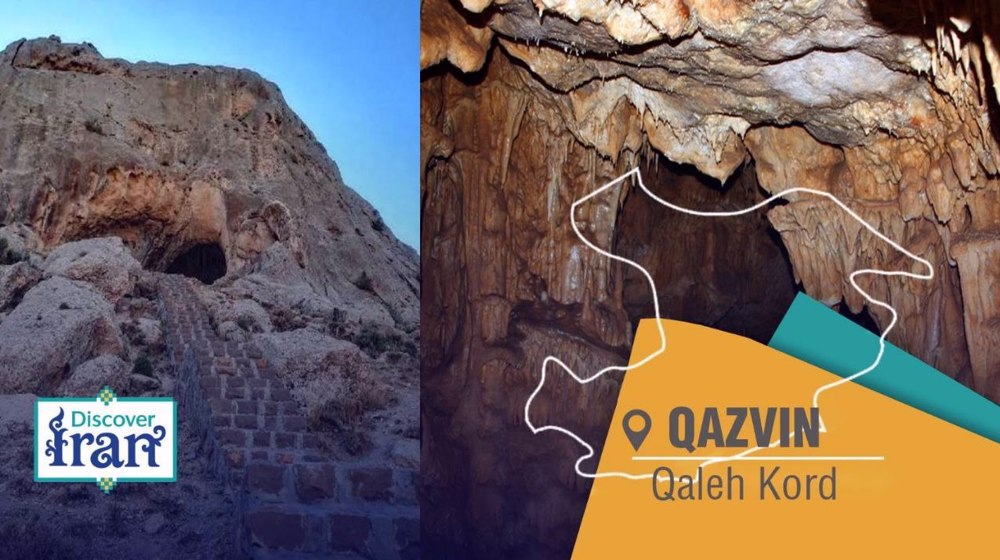
Some of the earliest evidence of human civilization in the region has been found at the Buin Zahra archeological sites in Qazvin.
They date back to more than 7,000 years and are among the province's major tourist attractions.
Amir Monsef, Qazvin Province Tourism Association, Head
But the real story is not the number; it is the variety: the historic Bazar and Jammeh Mosque, Al Nabi Mosque, Amini-ha Hosseiniyeh, the Qajar Bath House, Haj Kazem Water Reservoir, Darb Kushk Gate, and the Cantor Church.
Each one offers another window into the history and culture of the city, and then there is one place where the heritage feels particularly alive, Sa'd al-Saltaneh Caravanserai
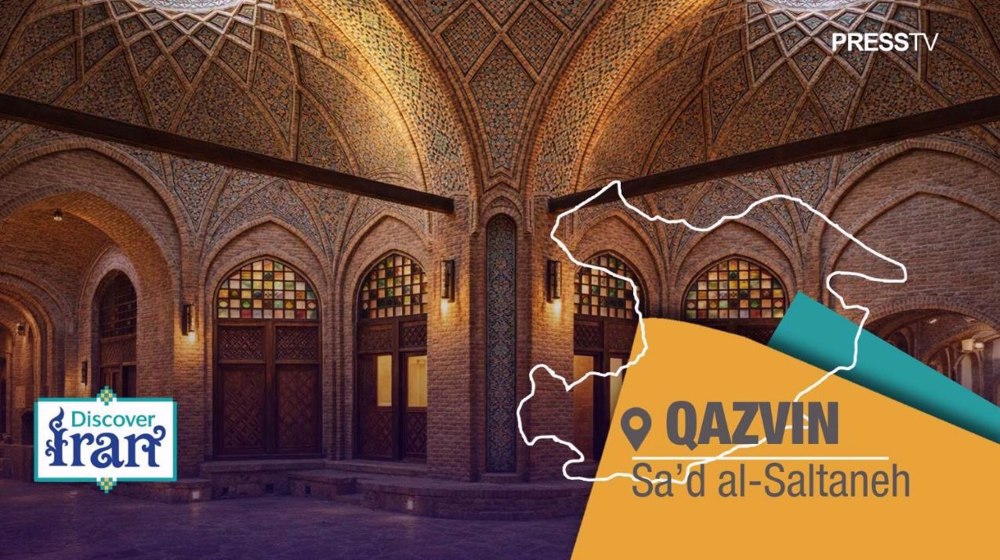
Once merchants came here to trade, travelers stopped here to rest. Today, the Sa'd al-Saltaneh Caravanserai has found a new life.
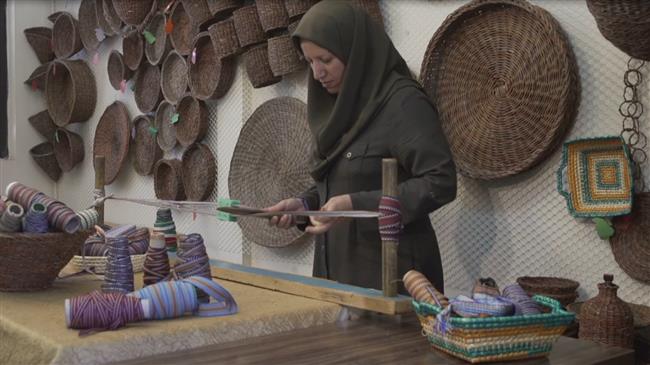
Its old shops are home to handicrafts, galleries, restaurants, and cafes. Sa'd al-Saltaneh offers an important lesson: that historical heritage does not have to remain frozen in time.
It can be preserved and, at the same time, become a living part of the local economy, a place for people, a place for business, and a place for tourism.
Perhaps this is one model Qazvin could develop across more of its historic sites.
Qazvin is home to many historic buildings and traditional houses. Five or six of these houses have already been restored and are ready to be put to use. The Cultural Heritage Organization is also ready to hand them over to investors for restoration and development.
Amir Monsef, Qazvin Province Tourism Association, Head
The story of Qazvin does not end with its architecture.
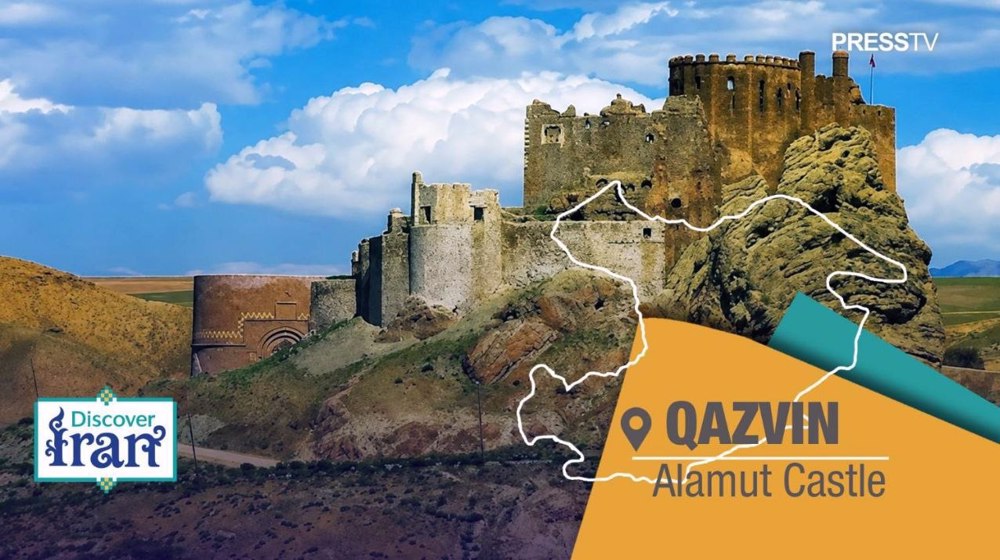
To the north lies Alamut, a mountainous region with a history stretching back around 1,200 years.
Its name is inseparable from one of Iran's most famous fortresses, Alamut Castle, and the history of the Ismailis.
Built high on a rocky peak, the castle once served as a stronghold of Hasan-i Sabbah.
Today, its remains stand above a landscape where history and adventure meet.
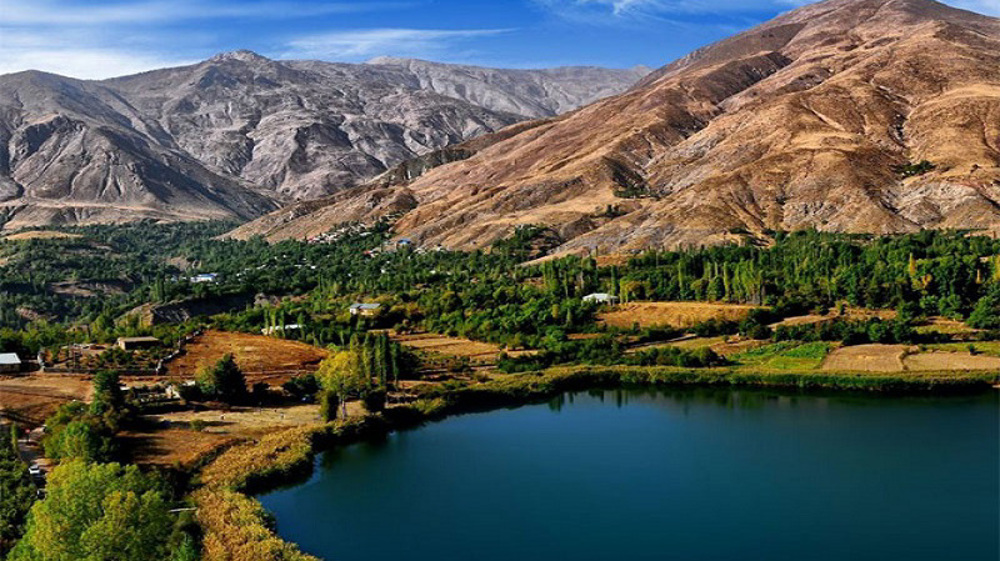
But Alamut is more than its castle. There is Lake Avon, a mountain lake covering around 70,000 square meters, surrounded by the highlands of the region.
There is the Garmaroud Valley, mountain villages, and vast natural landscapes that offer opportunities for hiking, mountaineering, ecotourism, and adventure travel, and then closer to the city, there are the traditional gardens of Qazvin.
Some 1,400 years old, these historic landscapes are home to vineyards, pistachio and almond trees, and other crops.
They are not simply agricultural land; they are part of the identity of Qazvin itself.
This geographical diversity may be one of the province's greatest tourism assets.
In a relatively short journey, a visitor can move from an ancient city to traditional gardens, from fertile plains to the mountains of Alamut, from a historic caravanserai to a mountain lake.
For international travelers that means something increasingly valuable: choice, history, architecture, nature, culture, food, and handicrafts, all within one province.
But tourism is not just about attracting visitors. It is about everything that grows around them: hotels, guesthouses, restaurants, transportation, handicrafts, tour operators, local services, and dozens of other businesses, which is why Qazvin’s heritage is more than a cultural treasure; it is an economic resource.
A province with more than 1,270 registered historical sites, a vast agricultural plain, thousands of industrial units, significant energy capacity and a strategic position within Iran's transportation network has something increasingly important to offer: a portfolio of opportunities.
Qazvin may still be relatively unknown to many international travelers, but sometimes being undiscovered is itself an advantage. It means there is room to grow, room for new businesses, room for investment, room for tourism, and room to build new connections between Qazvin and the global economy.
Qazvin has a past that is still alive, but its real value may lie In its ability to turn that past into a future, a place where history does not simply tell us where we came from, but points toward where we could go next.
 This makes it easy to access the Press TV website