Qalibaf hits back at Bessent: US empire failing, billions flow to ‘terrorist proxy, Israel’
Iranian Parliament Speaker Mohammad Baqer Qalibaf has hit back at US Treasury Secretary Scott Bessent after the American official accused Iran of funding proxies, saying the United States should instead spend its money on its own people.
Bessent, in a post on X on Thursday, accused the Iranian government of “squandering enormous sums abroad” and said it should spend its money on its people rather than “funneling billions of dollars to its terrorist proxies.”
Qalibaf responded by sharing a New York Times article discussing Bessent’s difficulties in handling key US economic indicators and sharply turning the Treasury secretary’s accusation back on Washington.
“Instead of funneling billions to its terrorist proxy, Israel, and 750 bases, this failing empire could spend that cash on its own people, but nah, that'd make too much sense for this regime,” Qalibaf wrote.
“Scotty, man [?], your credibility is on the line. Do something,” he added, questioning apparently the sexual orientation of the US politician as the first openly gay person to lead the US Treasury Department.
Instead of funneling billions to its terrorist proxy, Israel, and 750 bases, this failing empire could spend that cash on its own people, but nah, that'd make too much sense for this regime.
— محمدباقر قالیباف | MB Ghalibaf (@mb_ghalibaf) August 27, 2026
Scotty, man [?], your credibility is on the line. Do something.https://t.co/zz1x0VWKyQ https://t.co/FQf6k8aova
The New York Times article shared by Qalibaf said Bessent’s credibility was “at serious risk” as he sought to lower interest rates and steer the economy ahead of the midterm elections through what it described as questionable interventions in markets and threats of severe sanctions against countries trading with Iran.
The article said markets had repeatedly resisted such measures, while long-term bond yields remained high.
The assessment comes as the US economy faces growing pressure from a combination of inflation, elevated borrowing costs, record federal debt and the economic consequences of the war with Iran.
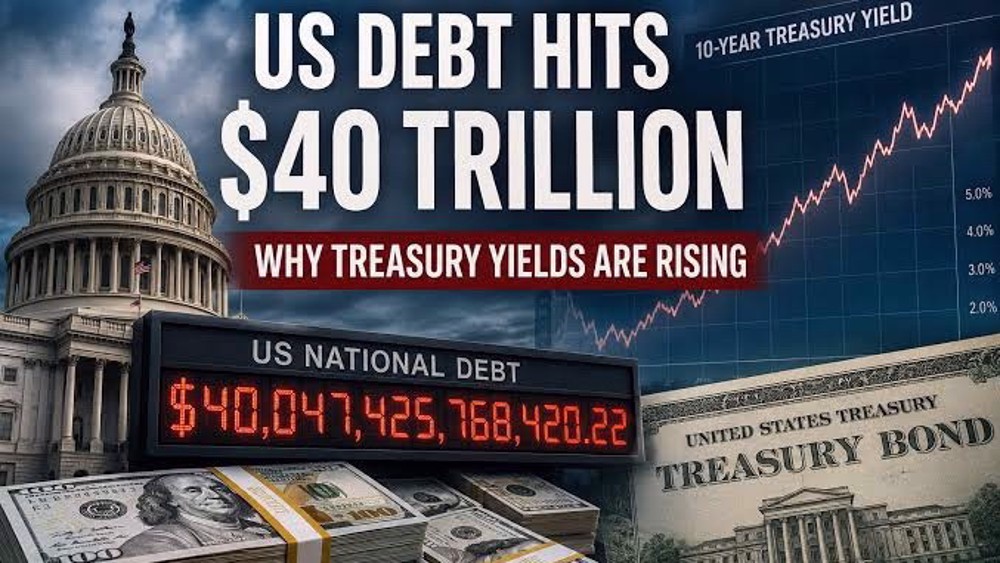
The US national debt surpassed $40 trillion for the first time in August, reaching more than $40.047 trillion, a milestone that has intensified concerns over Washington’s fiscal position and the sustainability of its borrowing.
The rapid rise in debt has coincided with renewed stress in the US Treasury market, with long-term borrowing costs reaching levels not seen in years.
Analysts have warned that rising interest payments, persistent budget deficits and the costs associated with the terrorist war on Iran are placing additional pressure on an already strained fiscal position.
The economic pressure is also increasingly being felt by ordinary Americans, as higher energy prices linked to the war have added to inflationary pressures and increased the cost of living.
Recent assessments have pointed to weak consumer sentiment, stagnant inflation-adjusted incomes and growing public dissatisfaction with the administration’s economic performance as the midterm elections approach.
The war on Iran has therefore become an increasingly important part of the economic debate inside the United States, with rising energy costs, higher government spending and pressure on financial markets adding to existing fiscal problems.
Reuters reported that the war has fueled public discontent and created divisions within the Republican Party, while only a minority of Americans support continuing the war.
It also said the war with Iran has intensified inflation and heightened concerns over the United States’ huge budget deficit, while Bessent’s threats to isolate Iran could disrupt the global financial system.
The article further said Bessent has offered no clear solution for reducing the US debt, which has reached $40 trillion, prompting investors and politicians to increasingly question whether he actually has the tools to contain the crisis or is instead spending his remaining credibility through political rhetoric and a tough tone.
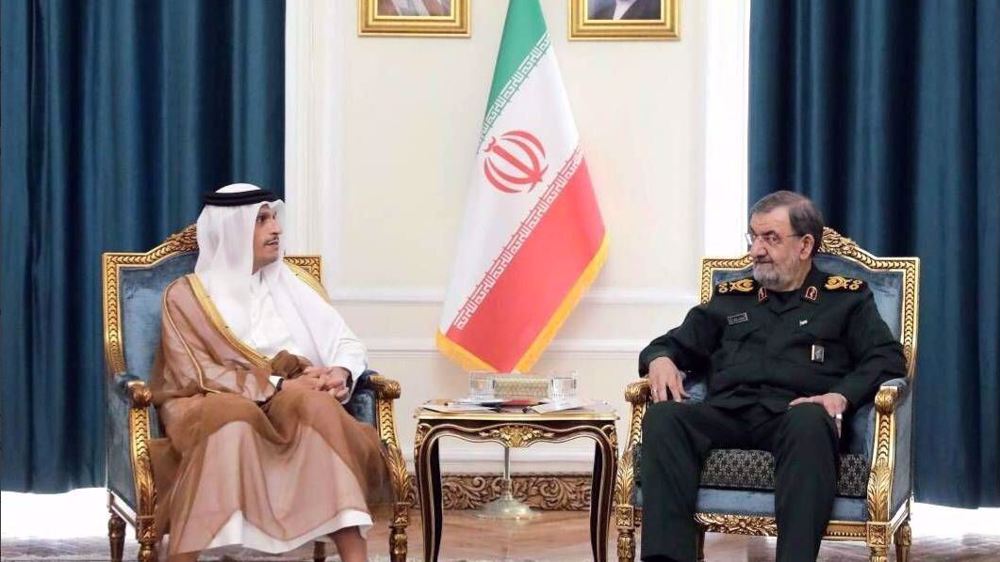
Rezaei: Any ‘evil’ against Iran will bring affliction on US ‘recorded in history’
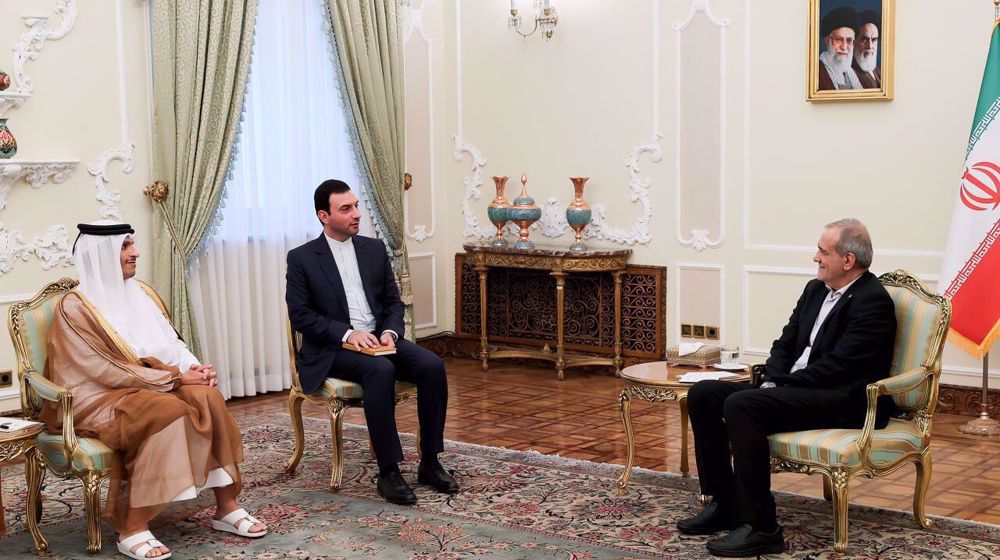
Iran will not surrender to pressure and bullying, Pezeshkian tells Qatari PM

IRGC: US, Israel resort to economic war after failing to defeat Iran



Rezaei: Any ‘evil’ against Iran will bring affliction on US ‘recorded in history’
Qalibaf to Bessent: US empire failing, billions flow to ‘terrorist proxy, Israel’
Iran will not surrender to pressure and bullying, Pezeshkian tells Qatari PM
IRGC: US, Israel resort to economic war after failing to defeat Iran
Israel plans to block return of Palestinians to three West Bank refugee camps: Report
VIDEO | Press TV's news headlines
Russia pledges joint efforts with Iran to counter US sanctions
US eyes archaic ‘prize courts’ to steal Iranian tankers amid economic terrorism


 PressTV NEWSLETTER
now
PressTV NEWSLETTER
now
 This makes it easy to access the Press TV website
