IRGC: US, Israel resort to economic war after failing to defeat Iran
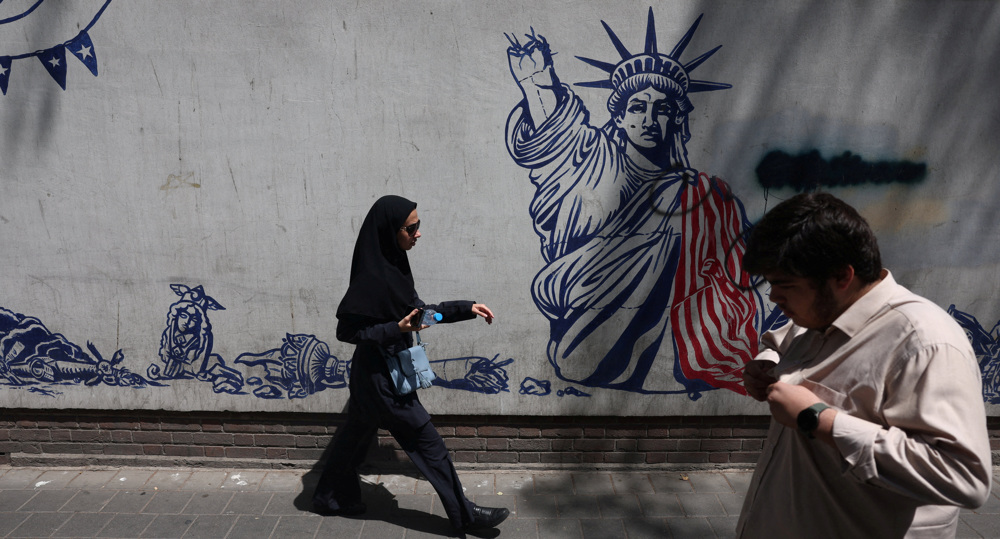
The Islamic Revolution Guards Corps (IRGC) Intelligence Organization says the US, Israel and their allies have revised their strategy toward Iran after failing to achieve their objectives through direct military confrontation.
In a statement issued to the Iranian people on Thursday, the IRGC warned that the new approach relies increasingly on economic pressure, psychological warfare and attempts to foment unrest from within.
An assessment of the past 200 days shows that Iran has moved beyond a phase of merely preserving the state’s survival and is strengthening its national resilience and strategic initiative, the intelligence organization said.
The statement said US intelligence assessments have acknowledged that Iran has retained its asymmetric capabilities, resisted attempts to impose Washington’s will and maintained control over the strategic Strait of Hormuz.
It said the failure of the US-Israeli wars has prompted Iran’s adversaries to update their strategy, replacing an effort to achieve political change through military strikes with a combination of limited periodic attacks, economic pressure, psychological operations, financial-market disruption and covert security operations.
The IRGC intelligence body noted that a joint intelligence effort involving the US, Israel and Britain has concluded that a military-led attempt at regime change has failed and is now seeking to weaken Iran through internal pressure.
The updated strategy, it said, aims to undermine Iran’s resistance identity, weaken its indigenous defense capabilities and promote a more passive foreign and domestic policy.
According to the statement, Israeli intelligence has recently established a covert structure aimed at applying pressure from within Iran, including through contacts with dissident groups, sabotage operations and the use of local operatives.
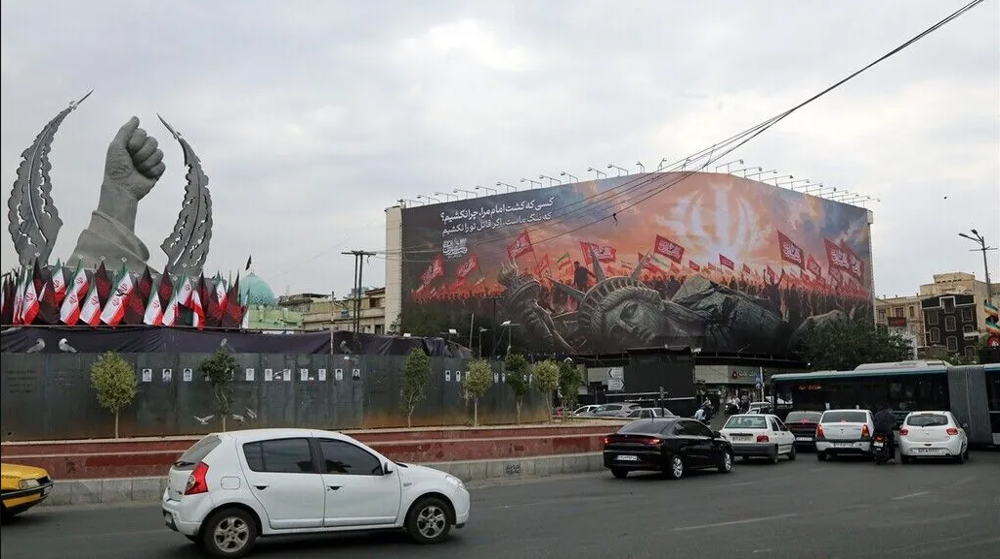
The new strategy identifies weakening national cohesion, magnifying economic shortcomings, creating fear and uncertainty, exploiting social divisions and encouraging dissatisfaction to spill into the streets as key objectives.
The IRGC intelligence organization called on Iranians to remain vigilant against an attempt to turn economic and social grievances into a broader campaign against national stability.
The intelligence organization, it said, will maintain military preparedness, counter foreign espionage and sabotage networks, and work to prevent actions aimed at undermining social cohesion.
The organization reaffirmed its commitment to defending a “strong Iran”, while warning that Tehran remains prepared to respond to further attempts to undermine the country.
The "200-day resistance" referenced by the IRGC pertains to the prolonged period of intense military and hybrid warfare initiated by the US and the Zionist regime.
Following earlier escalations, including the 12-Day War" in mid-2025, a major US-Israeli war of aggression was launched in late February 2026.
Iran leveraged its asymmetric military prowess, advanced missile and drone defenses, and regional alliances to absorb the strikes and retaliate effectively, ultimately forcing the aggressors into a stalemate and exposing the limits of American military hegemony.
Parallel to military aggression, Washington has waged a relentless economic war of terrorism against Tehran.
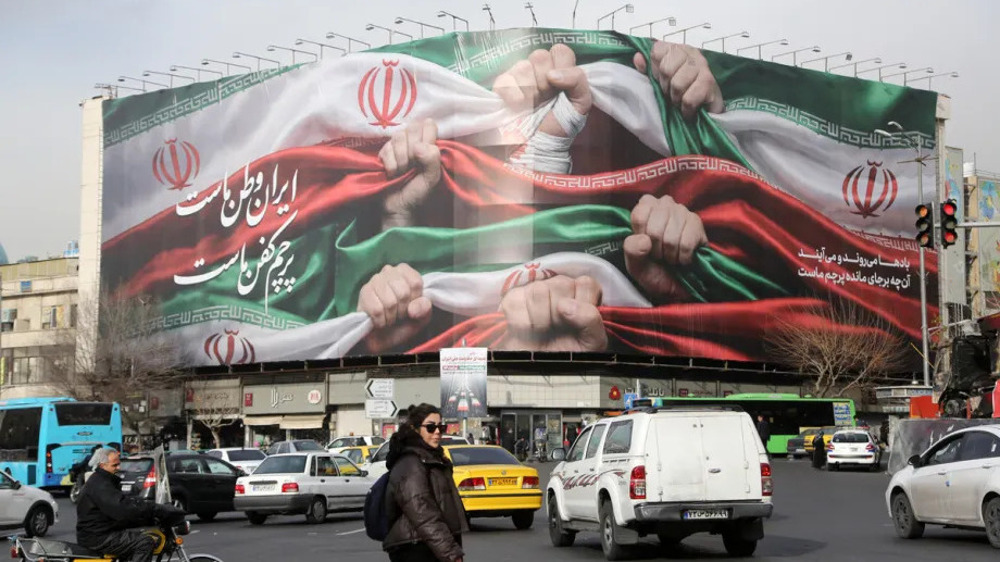
Most recently, the US Treasury launched "Operation Economic Outcast," a sweeping initiative aimed at severing Iran’s economic ties and enforcing a total maritime blockade.
Despite these maximalist sanctions, Iran has successfully adapted.
By strengthening trade ties with Eastern partners, particularly China, and institutionalizing its control over the Strait of Hormuz, Tehran has ensured the continuous flow of its oil exports, effectively neutralizing the US strategy of economic strangulation.
Meanwhile, Washington is facing growing domestic costs from the war on Iran.
Reuters reported this week that US public support for military action against Iran has fallen to 31 percent, while President Trump’s approval rating stands at 33 percent.
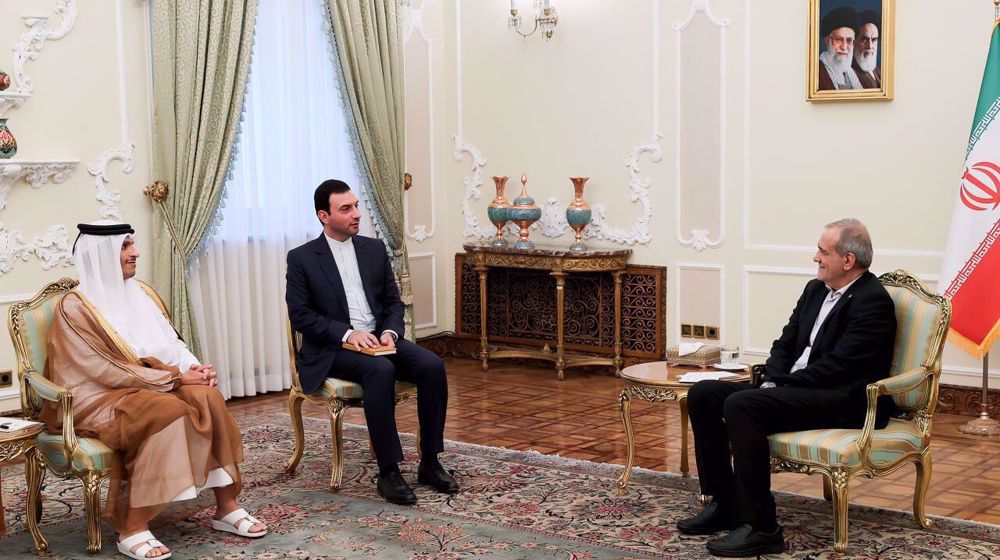
Iran will not surrender to pressure and bullying, Pezeshkian tells Qatari PM
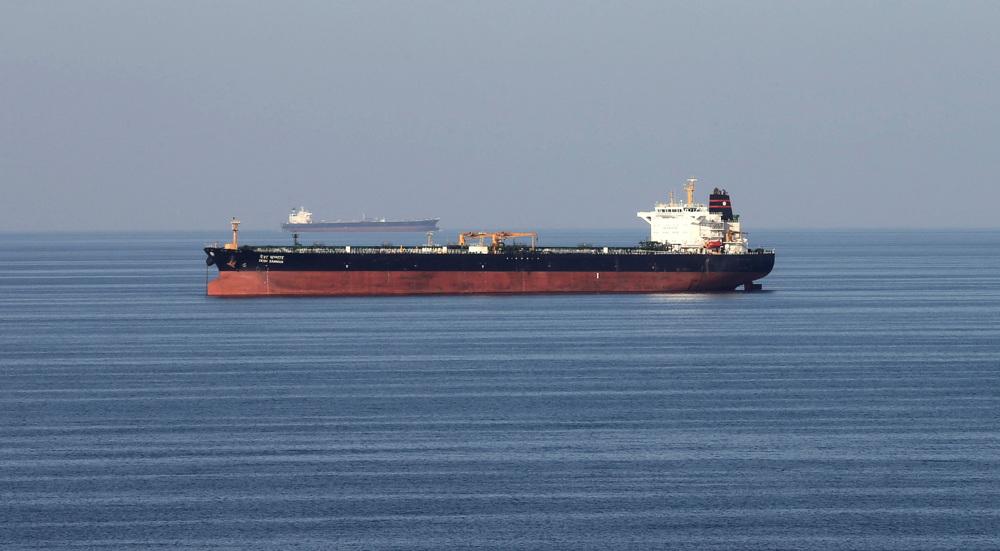
US eyes archaic ‘prize courts’ to steal Iranian tankers amid economic terrorism
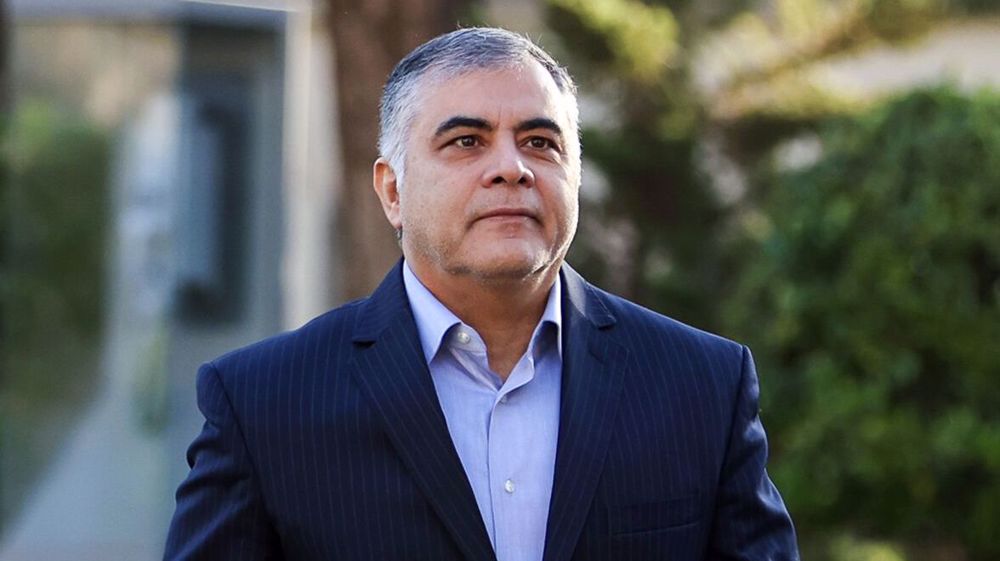
Minister: Iran oil sales continue uninterrupted despite US blockades



Qalibaf to Bessent: US empire failing, billions flow to ‘terrorist proxy, Israel’
Iran will not surrender to pressure and bullying, Pezeshkian tells Qatari PM
IRGC: US, Israel resort to economic war after failing to defeat Iran
Israel plans to block return of Palestinians to three West Bank refugee camps: Report
VIDEO | Press TV's news headlines
Russia pledges joint efforts with Iran to counter US sanctions
US eyes archaic ‘prize courts’ to steal Iranian tankers amid economic terrorism
Minister: Iran oil sales continue uninterrupted despite US blockades


 PressTV NEWSLETTER
now
PressTV NEWSLETTER
now
 This makes it easy to access the Press TV website
