Russia, China reject UAE-drafted IMO resolution on Strait of Hormuz as 'one-sided'
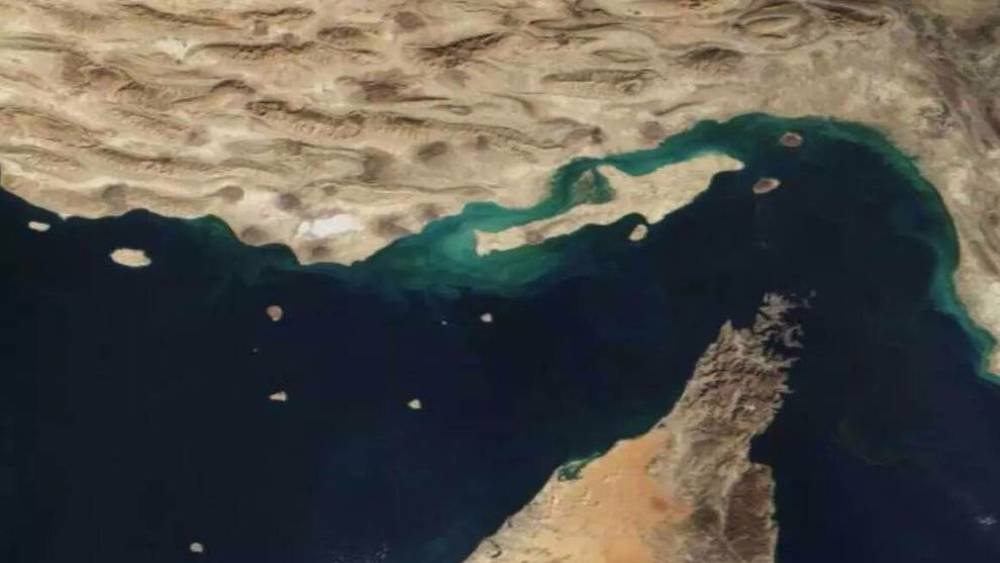
Russia and China have rejected a United Arab Emirates-proposed document on the Strait of Hormuz, describing it as one-sided and urging the agency to remain focused on its technical, non-political mandate.
Speaking at the 137th session of the IMO Council on Thursday, representatives of Russia and China criticized the UAE's proposed document on developments in the Strait of Hormuz, saying it presented a one-sided view of the situation and unfairly targeted Iran.
According to China's state-run Xinhua News Agency, both delegations opposed the document's accusatory and politically biased approach toward Iran and called on the IMO to adhere to its technical and non-political mission.
China's representative said Beijing could not support the proposed UAE document because the IMO Council should remain focused on the organization's core mandate.
"China cannot support the action proposed in the UAE document because the IMO Council should remain focused on the organization's primary mission. Certain elements of the document present a one-sided picture of the situation and do not reflect all aspects of the current circumstances," the Chinese representative said.
Russia's representative also criticized the proposal, calling it politically biased.
"This document is deeply one-sided and politically biased. It places full responsibility for the crisis in the Strait of Hormuz solely on Iran while completely ignoring the root causes of the current situation," the Russian representative said.
The Russian delegate added that dialogue between the parties was the only path toward de-escalation and reaffirmed Moscow's support for safe, secure and unimpeded navigation through the Strait of Hormuz.
During the session, the United Arab Emirates, together with several other countries, submitted a proposal condemning what it described as transit charges allegedly imposed by Iran on vessels passing through the Strait of Hormuz.
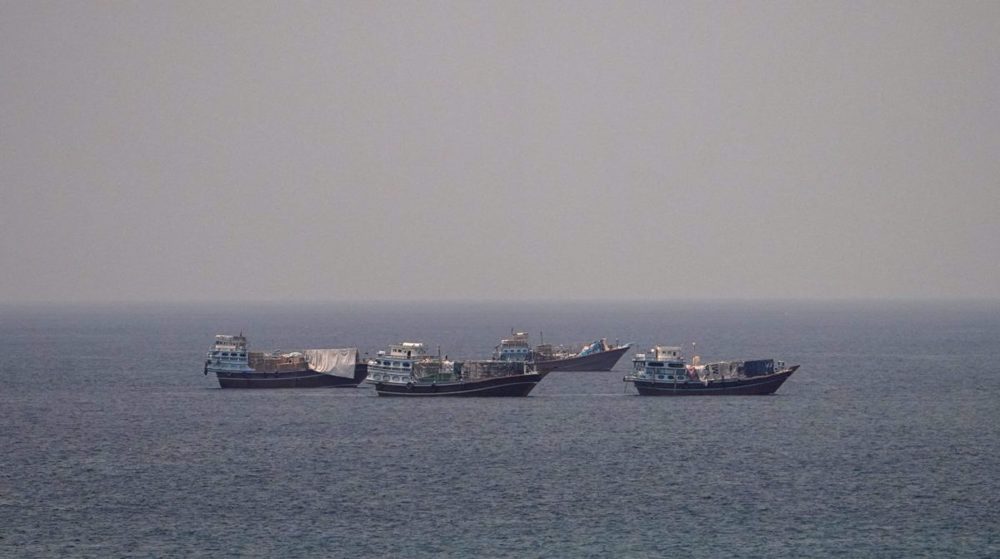
On Tuesday, in an official document submitted to the IMO council, Tehran categorically rejected the proposal's "selective, politically motivated and legally unfounded" allegations, legal characterizations and conclusions.
Iran said the proposal, backed by the United Arab Emirates and eight allied countries, unfairly places responsibility on "the victim of aggression" while ignoring the real source of instability in the Persian Gulf, the Sea of Oman and the Strait of Hormuz.
Iran has shut down the strategic Strait of Hormuz, through which roughly one-fifth of global petroleum consumption passes, to aggressors and their allies since February 28, when the US and the Israeli regime began their latest bout of wholesale unprovoked attacks against the Islamic Republic.
In recent days the US attempted to establish an alternative maritime route through the southern part of the Strait of Hormuz and escort vessels independently of Iran’s security arrangements.
Tehran has described such actions as a violation of regional understandings, including the Islamabad Memorandum of Understanding, which assigns Iran a central role in maintaining security and regulating navigation in the waterway.
Iran says its authority over the strait is grounded in international law. At its narrowest point, the strait is 24 miles (39 km) wide, falling entirely within the overlapping territorial waters of Iran and Oman.
China rejects US call to sever economic ties with Iran, says sanctions will not resolve war
China’s Xi will not address UN General Assembly during US visit: Report
China dismisses annual Taiwan's military drills as ‘wasteful charade’



VIDEO | Humanoid games showcase China’s AI rise, raising US concerns
Hamas condemns Zionist Regime’s use of children’s kites as flimsy pretext for genocide in Gaza
Iran’s heroic defense, assertive diplomacy source of pride for allies: Lebanese MP in meeting with A
Supporting US economic war is an 'act of war': Iran’s top security official warns
VIDEO | US-Canada trade war
Ayatollah Khamenei ‘awakened consciences’ in defense of faith and dignity: PMU chief
Iran to detain, confiscate violating ships in Strait of Hormuz: PGSA
VIDEO | Press TV's news headlines




 PressTV NEWSLETTER
now
PressTV NEWSLETTER
now
 This makes it easy to access the Press TV website
