
By Ivan Kesic
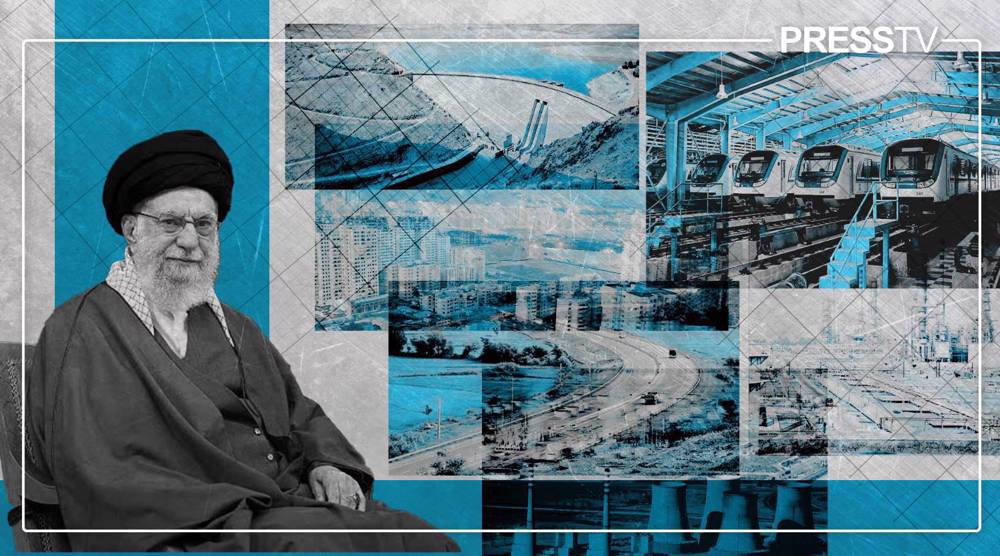
From the rubble of the imposed war in the 1980s to the creation of over 20 million housing units, 90 percent built after the Islamic Revolution, Imam Khamenei's strategic vision guided Iran's transformation from a nation dependent on foreign construction monopolies to a global leader in building materials and domestic engineering expertise.
Before the Islamic Revolution of 1979, Iran's housing and construction sectors were dominated by foreign corporations, particularly American firms like Starrett Housing, which controlled the country's largest residential megaprojects while importing over 80 percent of construction materials from the United States at inflated prices.
The revolution broke this stranglehold, but the subsequent imposed war and crippling sanctions forced the new leadership to confront a stark reality: Iran's survival depended on self-sufficiency.
Imam Khamenei, from the years of Sacred Defense through decades of illegal and crippling sanctions, consistently identified housing as not merely an economic sector but a strategic national priority, one that could drive employment, activate 143 related industries, generate foreign exchange through exports, and provide dignity and stability to Iranian families.
His vision, articulated in countless speeches and formal policy directives, transformed construction from a symbol of foreign dependency into a testament to Iranian resilience.
This is the story of that transformation, of how housing became a pillar of the resistance economy, a driver of domestic industry, and a cornerstone of social justice in the Islamic Republic.
From foreign monopoly to national self-sufficiency
In the decades before the 1979 Islamic Revolution and fall of the West-backed Pahlavi dictatorship, Iran's construction industry was a playground for foreign corporations.
The American Starrett Housing Corporation, renowned for building the Empire State Building and Trump Tower in New York, was granted exclusive control over Iran's largest residential megaprojects of the 1970s, including the Ekbatan, Zomorod, and Alborz housing complexes in Tehran.
The Pahlavi regime generously provided Starrett with free nationalized land, allowing the corporation to make massive profits by selling apartments primarily to the Iranian middle and upper classes.
The arrangement was deeply lopsided: contracts required that over 80 percent of construction materials be imported from the US, often at inflated prices many times higher than domestic alternatives.
Despite enjoying near-total control, free land, and guaranteed sales, Starrett failed to meet deadlines and left projects unfinished. The Ekbatan complex in western Tehran was never completed as planned.
The Islamic Revolution swiftly ended Starrett's dominance in the country's housing sector. With the popular and people-driven revolution came the expulsion of exploitative foreign firms and the imposition of draconian US sanctions, making further business impossible.
The post-revolution period exposed the deep fragility of the overthrown regime, which had built its power entirely on foreign dependency at the price of self-sufficiency and self-reliance.
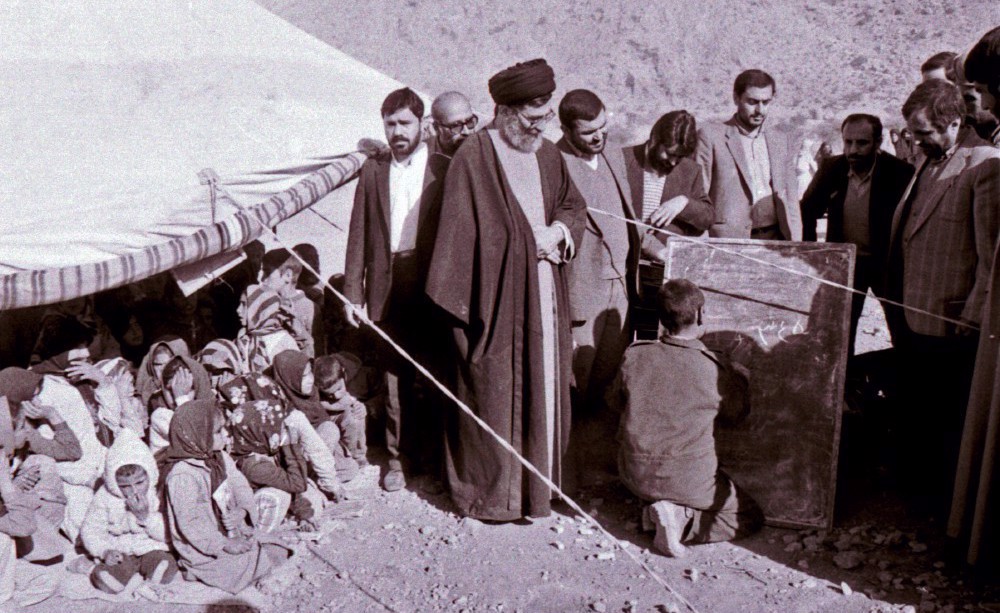
Suddenly, without American assistance, Iran faced difficulties in completing even its own housing projects. Recognizing the urgency of self-sufficiency, the new leadership pivoted toward domestic production, local materials, and an emphasis on housing for the oppressed classes.
After the imposed war in the 1980s, the government launched sweeping initiatives to rebuild and expand the housing sector: easy loan programs for affordable homeownership, government-controlled pricing for essential construction materials, massive land distribution at low prices, and encouragement of housing cooperatives to empower ordinary citizens.
What had once been a playground for foreign monopolies transformed into a national movement for self-reliance in which the population has primary stakes.
Iranian companies completed previously foreign-led megaprojects, including the Ekbatan, Lavizan, Omid, Apadana, and Atisaz complexes in Tehran, while also launching a wave of ambitious new projects in other provinces and other cities.
Housing as the locomotive of the economy
Imam Khamenei consistently articulated the economic logic of housing construction.
"Housing is one of the entrepreneurial sectors in the country," he stated. "Housing production itself employs and puts into operation many industries; that is, it is entrepreneurial, it creates production."
Every 100 square meters of housing construction creates two and a half direct and indirect jobs for workers, engineers, technicians, plasterers, painters, welders, and technical engineering services.
Housing activates 143 fields directly or indirectly, including cement factories, steel factories, tile, stone, and plaster factories, and other industries related to housing are activated.
"When housing is activated, in addition to the industries that are directly needed to build a house, the margins of life after the construction of the house are also activated and the industry is launched. With the activation of housing, this locomotive pulls the industry with it," he stated.
"Housing also fits perfectly into the framework of the resistance economy. The Holy Prophet explained that the resistance economy is introverted and extroverted. Introverted means that we do not need anything to produce housing from within ourselves, whether it is materials, human resources, or urban development laws and regulations. It is extroverted, meaning that if we can export our technical and engineering services, we can generate foreign exchange for the country."
Transformation of Iran's construction industry
The data tells a story of remarkable transformation. Before the revolution, Iran was producing a mere 5 million tons of cement and 500,000 tons of steel per year, leaving it heavily reliant on imports.
Today, Iran stands as an industrial powerhouse, manufacturing 65 million tons of cement and 31 million tons of steel annually, ranking 6th and 10th in the world, respectively.
Not only does Iran meet its domestic needs, but it has become a major exporter of these critical materials. One hundred percent of the materials required by the construction industry are now produced locally, and production capacity in key items is more than double domestic needs.
Iran has also become the third-largest producer of decorative and construction stones globally, trailing only China and India. Building materials and construction methods underwent equally dramatic changes.
Before the 1979 revolution, less than a quarter of homes were built with durable materials like steel and concrete, while two-thirds relied on fragile materials such as mud bricks, wood, and straw.
Despite the challenges of the imposed war, the first few years after the revolution doubled the share of durable housing and cut the use of non-durable materials in half.
Between 1990 and 2010, the percentage of unreinforced masonry buildings plummeted from 90 percent to just 23 percent, while steel and concrete structures surged from 3 percent to 74 percent.
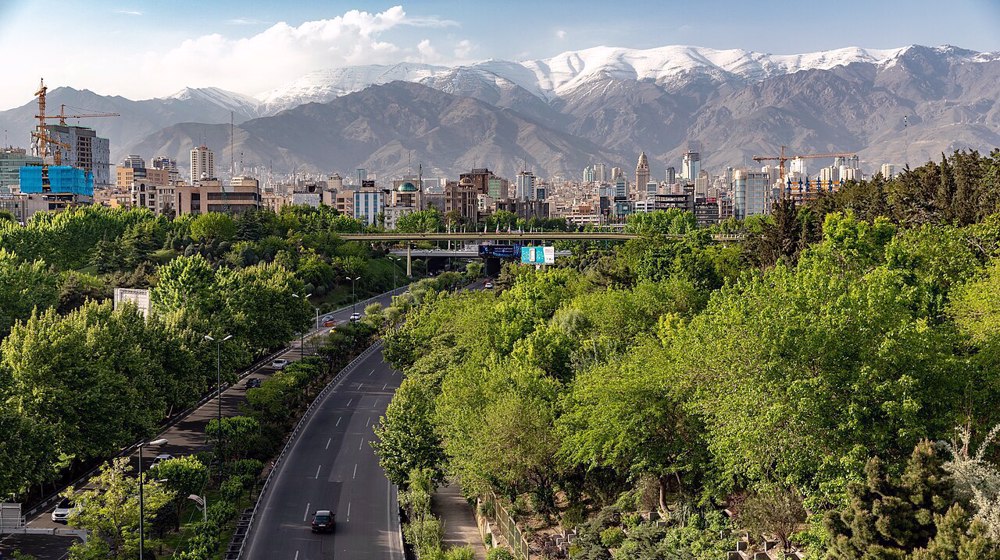
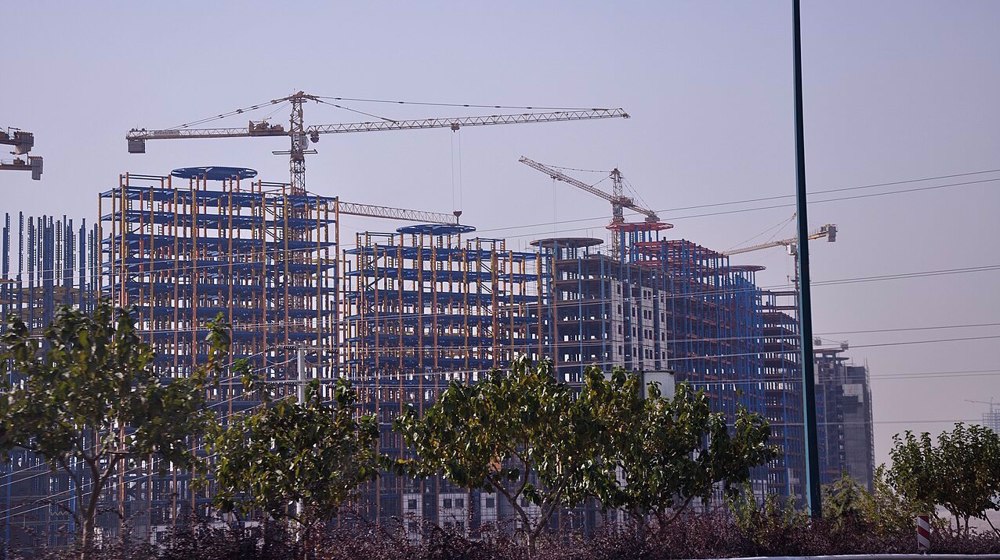
By the time of the 2011 census, Iran boasted 20 million housing units, with a staggering 90 percent built after the revolution, compared to the mere 10 percent under the overthrown regime.
The urban population skyrocketed from 48 percent to 77 percent, a full 20 percent higher than the global average, driven by infrastructure development, industrialization, and population growth.
The number of officially recognized cities grew from just 373 before the revolution to over 1,300 today.
Imam Khamenei's decisive role in policy and vision
Imam Khamenei's role in this transformation was not merely supportive but decisive and hands-on.
In one of his meetings with the minister and officials of the Ministry of Housing and Urban Development, he emphasized the need to prepare a metropolitan policy as soon as possible to solve the housing problem and decisively prevent the excessive development of large cities.
He stressed that the housing issue, considering economic issues, had become an influential category in the livelihood, spiritual, social, and moral issues of the people, and this problem must be resolved with proper and serious planning.
In 2010, he announced the general policies of the government in the area of housing, which serve as a guide for the executive, legislative, and supervisory bodies.
These policies included land management to provide housing and develop cities and villages within the framework of land potential and urban development policies, along with the revitalization of dilapidated urban and rural textures through efficient methods.
The policies also mandated government planning to provide housing for low-income and needy groups, comprehensive planning to improve rural housing, and the creation and reform of the tax system alongside the establishment of a land and housing database.
Additional provisions included supporting the production of mass and industrial housing designs, mandating construction standards and national building regulations, respecting cultural values in housing architecture, and strengthening research and improving scientific knowledge in the field of housing.
In his speeches, Imam Khamenei repeatedly emphasized that the country's progress in the housing sector must continue on the path of progress, and that enemies do not want this.
"Today, one of the tools of propaganda pressure on the Islamic Republic is this issue—the issue of missiles, the issue of drones, the issue of military facilities and these things that have been created by the art of our youth inside the country without the help of this and that—they want this not to happen, they want this to stop," he noted.
He consistently stressed that the Islamic Republic government has no right to leave the country defenseless or to neglect the housing needs of its people.
Housing, family, and social stability
A recurring theme in Imam Khamenei's statements is the relationship between housing and family formation. He noted that the high cost of housing had become one of the principal obstacles preventing young Iranians from marrying and establishing independent households.
While acknowledging cultural factors, he repeatedly stated that economic pressures, especially housing, were delaying marriage and reducing birth rates. He encouraged policymakers to view housing policy not simply as urban planning but as demographic and cultural policy.
In his view, making housing more accessible would encourage earlier marriage, strengthen families, and indirectly support population growth. He also emphasized that housing provides more than physical shelter; it provides psychological security, family stability, and confidence about the future.
"The fact that you see them arguing about missiles and the like is because of these developments," he stated once. "Wherever we relied on our young people, trusted them, provided them with facilities, even the minimum facilities, often young people are like this who work with the minimum facilities—we advanced."
Continuing challenges and future direction
Despite these achievements, challenges remain. The housing sector still faces issues such as high prices, delays in project completion, and the need for continued mass production.
Imam Khamenei in recent years called on the government to focus on "market discipline" and to alleviate people's concerns about the unrestrained rise in commodity prices.
The National Housing Movement, launched during the government of President Ebrahim Raeisi, aims to construct one million housing units annually, with massive land allocation and support facilities.
Imam Khamenei stressed that it was necessary to pay attention to the housing issue, for which there are proposals to partially resolve the problem that officials must follow up on until results are achieved.
He has also emphasized the importance of rural housing, stating that "the villages of the Islamic Republic of Iran will become workshops."
In the rural sector, from the beginning of the revolution until 2023, only 800,000 plots of land were presented to villagers; in just one year, more than one million plots of 99-year lease land entered the rural sector system—an unprecedented achievement.
The plan to allocate one million rural plots of land per year, with plots of a minimum area of 500 meters, enables home-based businesses and economic development in rural areas.
The construction sector has made remarkable progress, but the pace of housing production must continue to keep up with population growth and urbanization.
The "Fourth-Generation Schools" with advanced workshops and the "smart portable solar power plants" now being developed are part of the broader ecosystem of technological innovation that Iran has nurtured over four decades.
The same spirit of self-reliance that led to the development of missiles and drones has driven the transformation of housing and construction, an undeniable proof that a nation can build its future from its own resources.
The Leader of the Islamic Revolution has filled the fist of the Islamic Republic, ensuring that Iran can build homes for its people, create jobs for its youth, and stand on its own feet.
 This makes it easy to access the Press TV website