UN faces irrelevance without reform

‘Either the United Nations reforms quickly and dramatically, or it is destined to collapse into irrelevance.’ Former UN Deputy Secretary-General Pino Arlacchi could not be more straightforward.
On Monday, during a press conference at Rome's foreign press club, he announced that he is seeking backing for his candidacy to succeed incumbent UN Chief Antonio Guterres, whose term ends on December 31st.
Arlacchi served at the UN between 1997 and 2002.
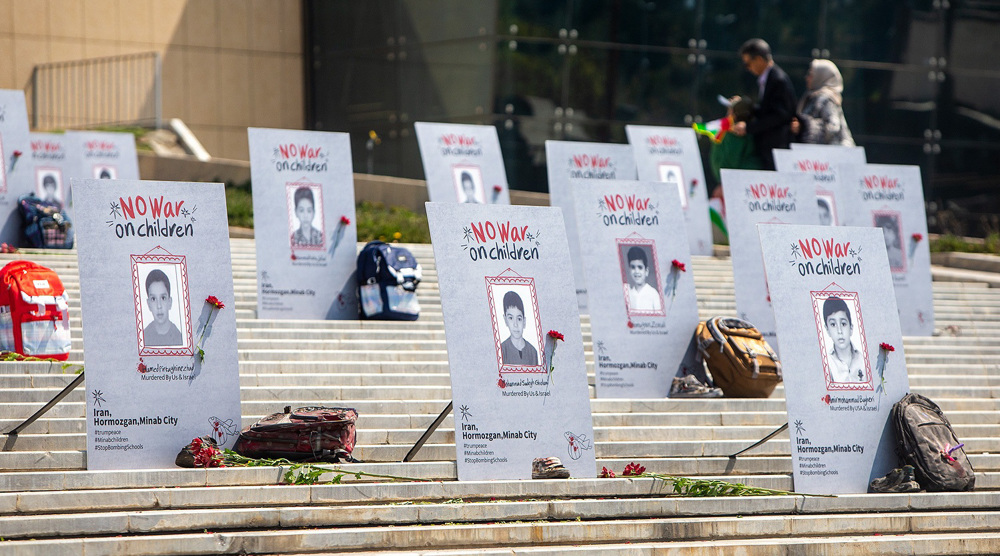
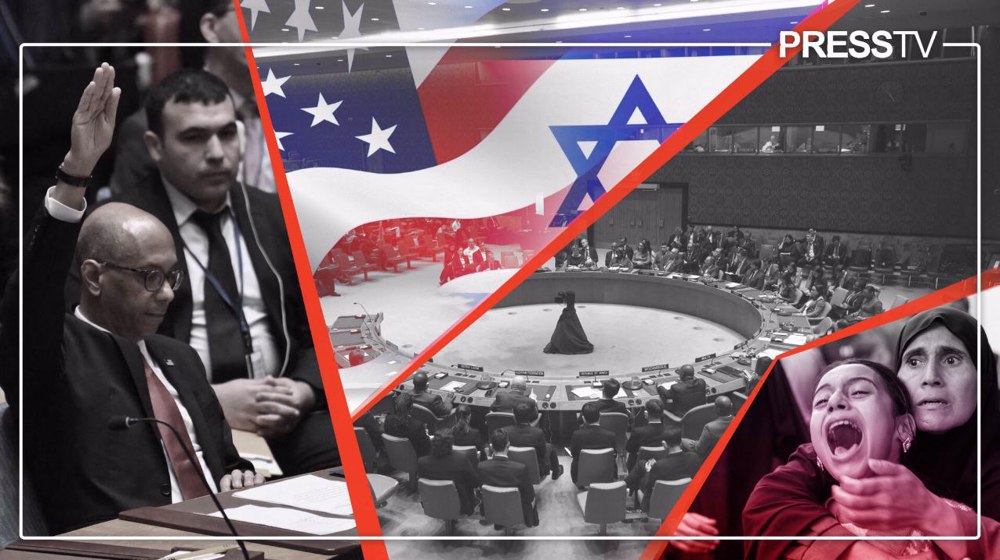
The re-foundation of the UN is highly urgent as the organization faces immediate extinction given its marginal role in today's three most grave conflicts; the Russia-Ukraine war, the Gaza genocide, and the aggression on Iran.
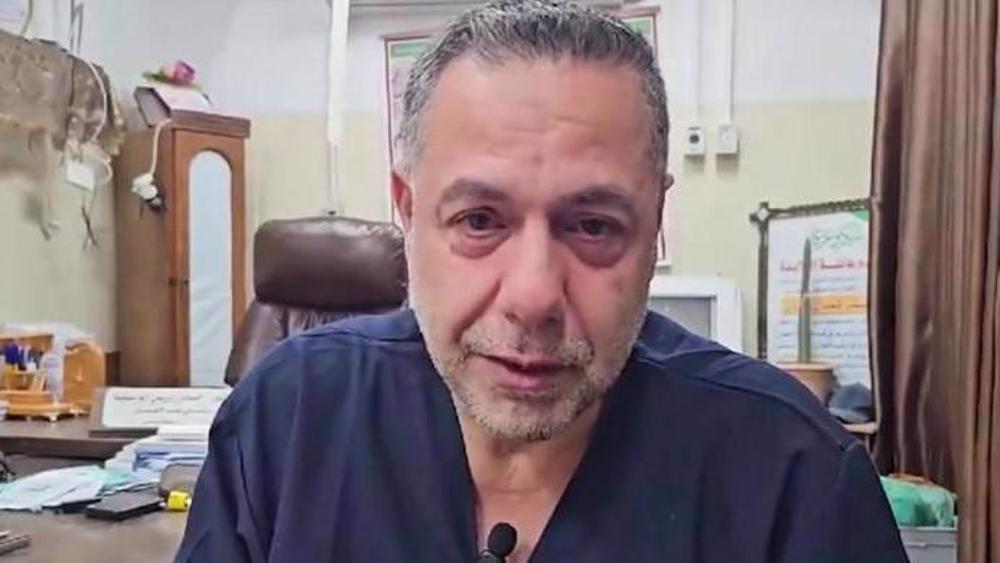
Pino Arlacchi, Former UN Deputy Secretary General
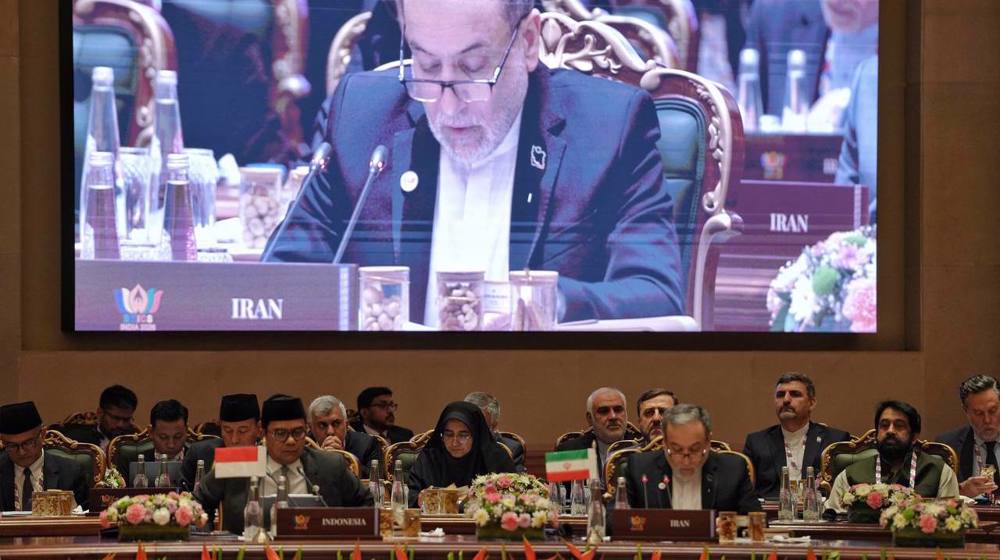
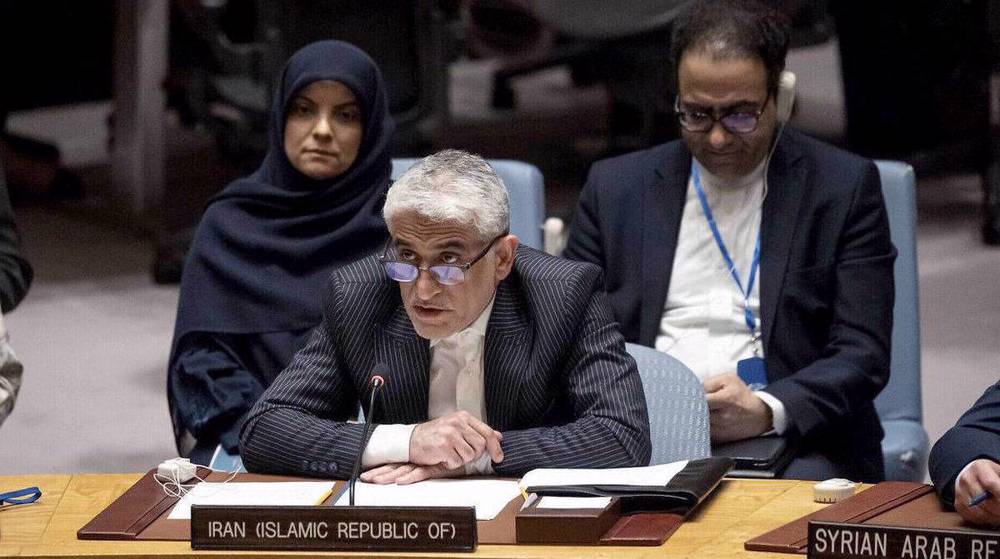
Iranian Foreign Minister Abbas Araghchi has recently urged fundamental reforms to the United Nations.
Araghchi has stressed that the world is experiencing a period of structural instability and a deep crisis of trust.
Therefore, he said, the structures governing the international order, designed in the post-World War Two era, no longer have the capacity to respond to the realities of the 21st century, which herald the emergence of a multipolar world.
I agree with this view.
The international community is currently made up of around 200 states, all of which are equal among themselves according to the principle of sovereign equality between states, which is a fundamental principle of international law; the enforcement of this principle can no longer be postponed.
Fabio Marcelli, International Law Academic
Currently, the system is run by the five countries that won World War II 80 years ago.
However, a large majority of the world's countries, including the global south, demand a completely different system of government, a more democratic one, in which the assembly makes the decisions and the executive enforces them.
Pino Arlacchi, Former UN Deputy Secretary General
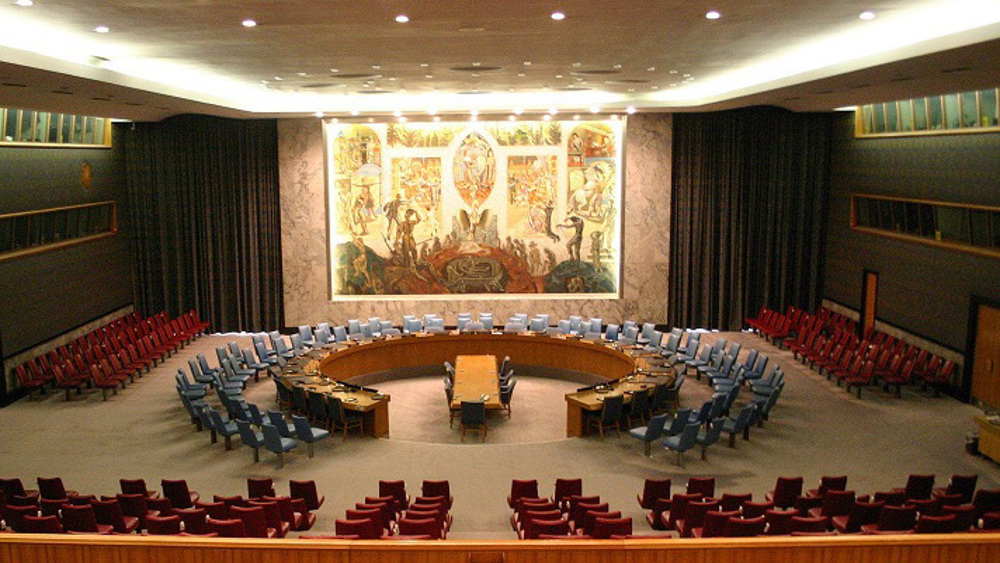
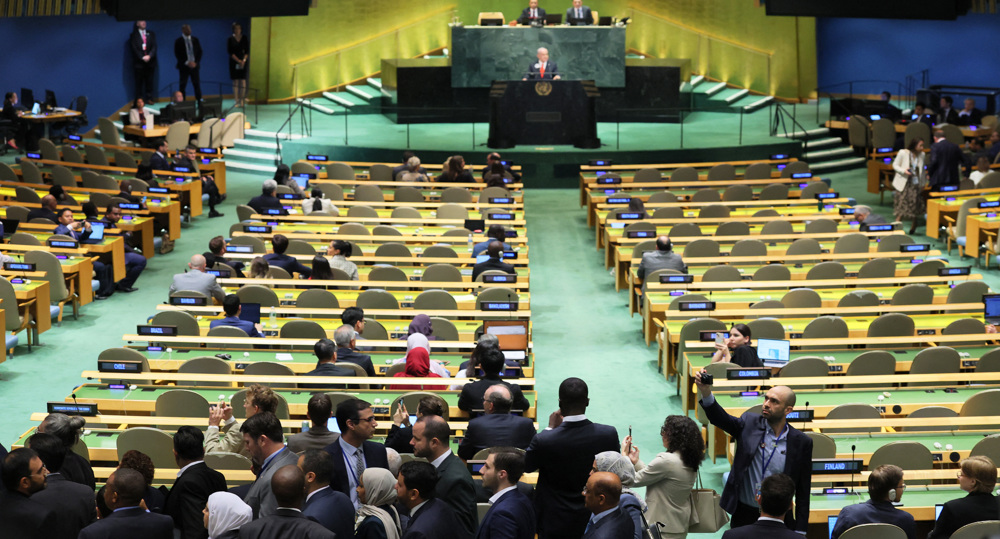
In recent years, the UN Security Council has proved unable to respond to pressing global security crises; the need for a more representative council that meets the legitimate expectations of underrepresented regions, such as Africa, Asia, and South America, as well as the growing demand for restrictions on the use of the veto, has never been so urgent.
The UN stands at a critical juncture now, facing unprecedented challenges to its legitimacy and effectiveness, a system that delegates vital decisions for humanity to a limited group of countries, while ignoring the interests of developing nations, can no longer be credible and must be reformed before it slides completely into irrelevance.
Global impact of US war against Iran
Has Venezuela’s revolution lost its way?
Environmental impact of US war on Iran



Hamas condemns Zionist Regime’s use of children’s kites as flimsy pretext for genocide in Gaza
Iran’s heroic defense, assertive diplomacy source of pride for allies: Lebanese MP in meeting with A
Supporting US economic war is an 'act of war': Iran’s top security official warns
VIDEO | US-Canada trade war
Ayatollah Khamenei ‘awakened consciences’ in defense of faith and dignity: PMU chief
Iran to detain, confiscate violating ships in Strait of Hormuz: PGSA
VIDEO | Press TV's news headlines
Iran wins two golds at U20 World Wrestling Championships


 PressTV NEWSLETTER
now
PressTV NEWSLETTER
now
 This makes it easy to access the Press TV website
