Oman says Strait of Hormuz not to return to its pre-war status, ships have to pay: Report
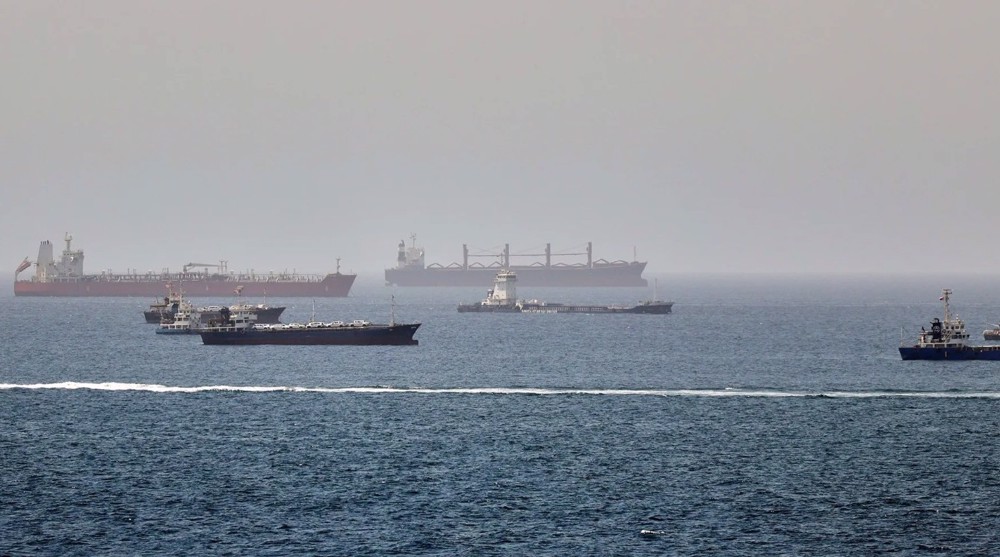
Oman has informed European officials that the Strait of Hormuz will not return to its status before the US-Israeli aggression against Iran, and that ships passing through the strategic waterway may have to be charged some fees, a report says.
Bloomberg cited people familiar with the matter as saying that Oman has told the European officials that there’s no way of going back to the pre-war status quo with the Strait of Hormuz.
The sources, who spoke on condition of anonymity, said that while Omani officials stated they will always abide by international maritime law, they added there could be fees for services related to de-polluting the strait or helping ships navigate it.
According to the report, it’s unclear if Oman said all these fees would be obligatory.
The sources added that Oman is mulling systems used in other strategic waterways around the world, including the Strait of Malacca in Asia, where no mandatory shipping fees are charged.
Iran closed the Strait of Hormuz to enemies and their allies in retaliation for the US-Israeli aggression and then began asserting more control in reprisal for the US sustaining an illegal naval blockade of Iranian ports and vessels despite a standing ceasefire.
Recently, Tehran and Washington agreed on a Memorandum of Understanding aimed at ending the war. The MoU was subsequently signed by the Iranian and American presidents.
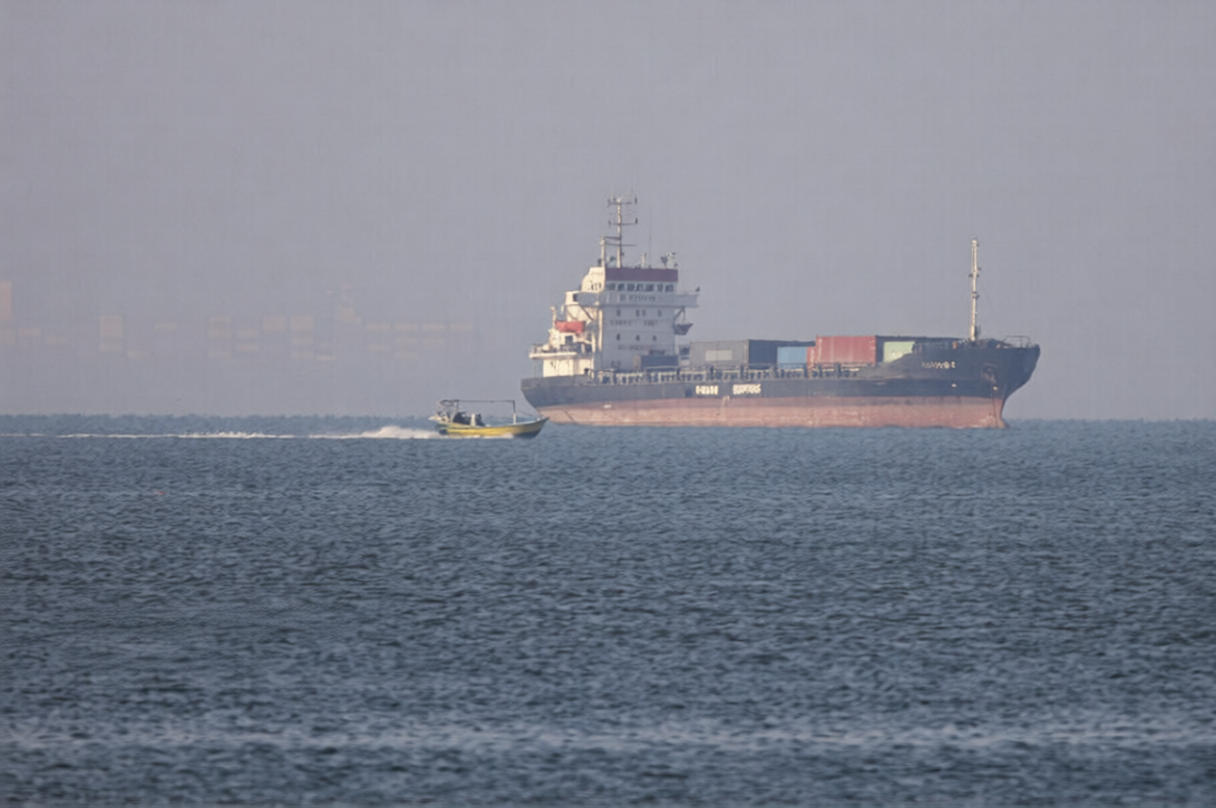
Under the MoU, Iran will make arrangements for the safe passage of commercial vessels, with no charge for 60 days only, from the Persian Gulf to the Sea of Oman, and vice versa.
The Islamic Republic has, however, strictly conditioned transit through the corridor on implementation of relevant coordination with Iranian authorities.
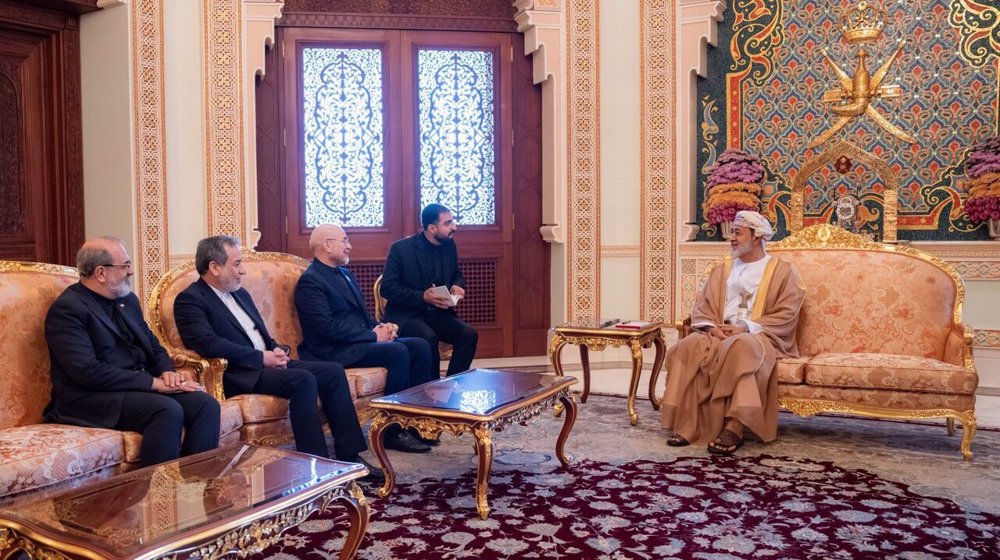
Earlier this week, Iran’s Parliament Speaker Mohammad Baqer Qalibaf and Foreign Minister Abbas Araghchi met with Omani Foreign Minister Sayyid Badr bin Hamad al-Busaidi, discussing new arrangements to manage the strategic Strait of Hormuz.
From ‘four weeks’ to month eight: US senator condemns GOP for refusing to end Trump’s war on Iran
If Iran’s oil sales and security are not guaranteed, neither are anyone else’s: Parliament speaker
America hiding true casualties of wars on Iran: Senior Army commander



Iran warns regional states of Israel’s malicious intents following reports of Netanyahu UAE visit
Army spox: Saudi Arabia launches over 30 airstrikes across Yemen in 24 hours
VIDEO | News Review: Israel settlement expansion
Israel violates Gaza ceasefire over 5,100 times, kills 1,421 Palestinians: Gaza Media Office
VIDEO | Russia holds events under title of Iran’s Culture Week
Republicans distancing themselves from Trump ahead of US midterms
Pezeshkian: Expanding Iran-Azerbaijan rail, air links key to strengthening ties
Iranian engineering students hold lectures at US-bombed B1 mega-bridge



 PressTV NEWSLETTER
now
PressTV NEWSLETTER
now
 This makes it easy to access the Press TV website
