Persian Gulf Arab states owe their stability to Iran’s stewardship of Strait of Hormuz: Leader’s advisor
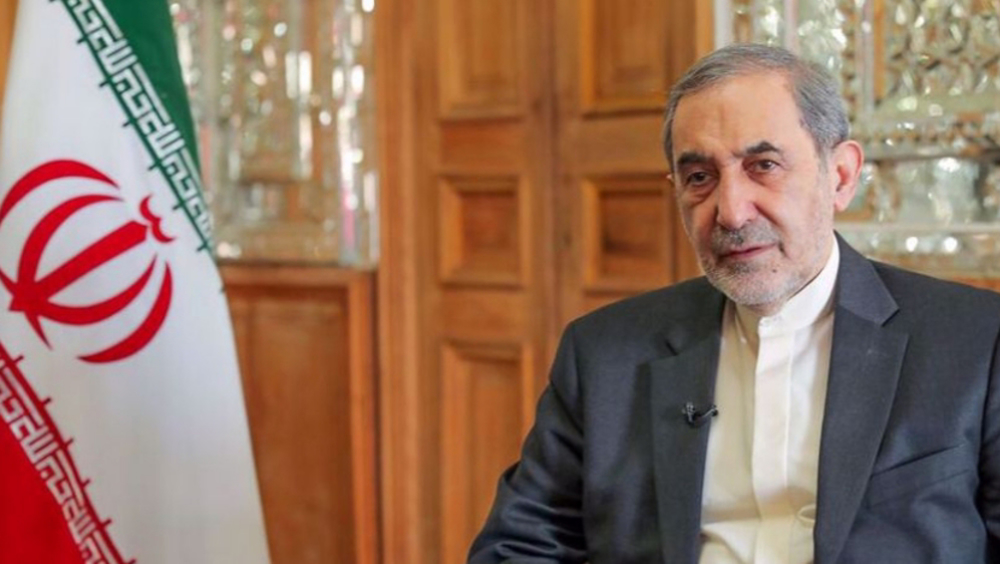
A senior advisor to the Leader of the Islamic Revolution says the current stability of the Arab states on the southern shores of the Persian Gulf is owed to Iran’s centuries-long stewardship of the Strait of Hormuz.
Ali Akbar Velayati, a senior advisor to the Leader of the Islamic Revolution, warns the Arab monarchies along the Persian Gulf that their very stability depends entirely on Iran’s historic and strategic control over the Strait of Hormuz.
Velayati took to the social media platform X on Friday to issue a message to the Arab countries of the Persian Gulf after they issued what Tehran slammed as a “provocative and meddlesome” statement jointly by the US.
"The present stability of the Arabs on the southern shores of the Persian Gulf is owed to Iran’s centuries-long stewardship of the vital artery of the Strait of Hormuz," he said.
He added, "The West has brought the region nothing but savagery and plunder."
In a series of subsequent posts, the Leader’s aide adopted an openly dismissive tone toward the Persian Gulf Arab states, saying, "The 'marginal dwellers and political infants of the region' should not take comfort in tailor-made statements, and should know this: your survival comes from picking up crumbs from this table."
Velayati emphasized that as major geopolitical equations are being redrawn, "the small fringe actors have no place at the table; they are removed."
"Their strategic survival depends on Tehran’s threshold of tolerance," he pointed out.
His remarks come at a time of heightened tensions in the Strait of Hormuz, where Iran has consistently asserted operational control over shipping lanes.
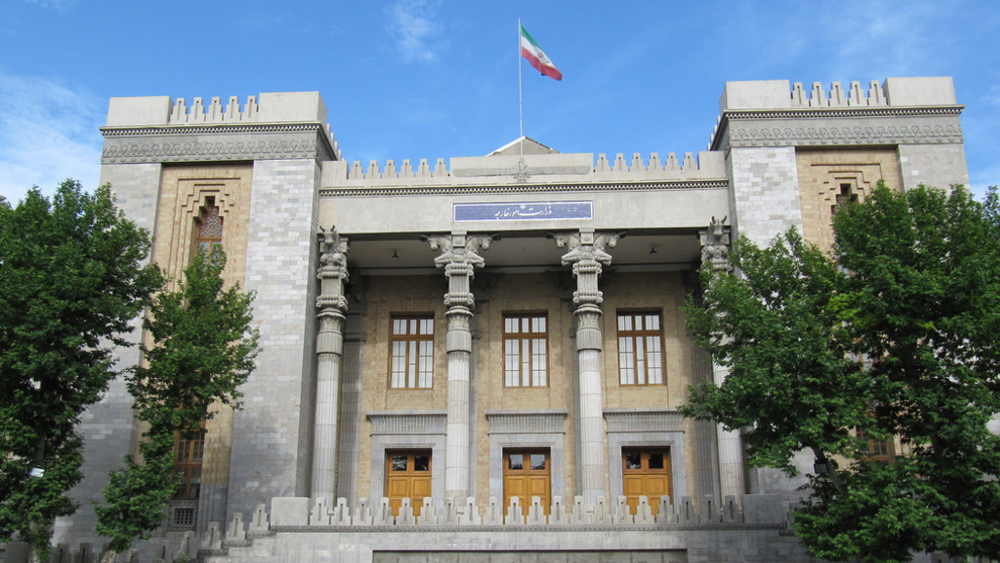
In a statement released on Friday, Iran’s Foreign Ministry has fiercely condemned a joint statement issued on Thursday by the United States and the Persian Gulf Cooperation Council (GCC) as "meddlesome, irresponsible, and provocative," warning regional states against continuing their hostile alignment with Washington.
The ministry also addressed the strategic Strait of Hormuz, placing direct responsibility for recent maritime insecurity on the US, Israel, and those regional states that aided their military campaign.
However, the US-GCC ministers in their statement emphasized the importance of reopening the Strait of Hormuz, noting that “free, unconditional, and unrestricted navigation, including the right of transit passage as guaranteed under international law, remains essential to regional and global security.”
They further emphasized that any trade and investment with Iran is conditional and reversible, contingent on Iran’s compliance with a recently-signed memorandum of understanding (MoU) between Tehran and Washington and the final deal, cessation of what they claimed as Tehran’s destabilizing behavior, and creation of the conditions necessary for economic engagement.
Media reports of Iran showing nuclear flexibility false; US trapped in Hormuz Strait: Source
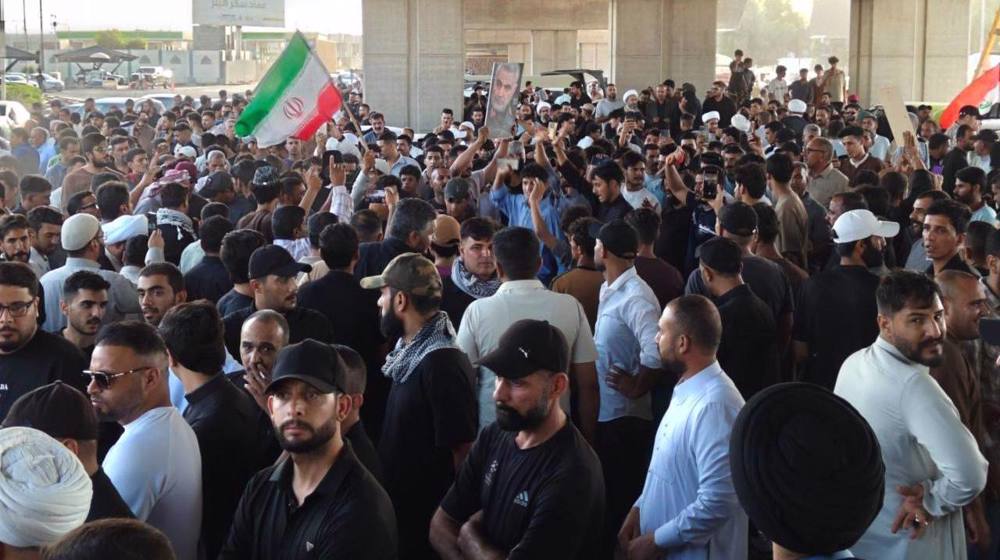
Iraqis hold nationwide rallies against suspension of Iranian flights
Iranian delegation will hold talks with mediators in New York: Report



VIDEO | Global oil price proof that Iran controls Hormuz Strait: Political scientist
Iraqi airliner resumes flights to Iran amid US sanctions threats
Araghchi: Zero compromise on Iran’s nuclear program, US response expected Tuesday
VIDEO | Iran, Azerbaijan push for expanded trade, transport links
VIDEO | US inflation punishing small business owners
VIDEO | ‘Trump’s Iran strategy is deepening the crisis, not solving it,’ analyst says
Media reports on Qatar-mediated talks ‘baseless speculation’: Baghaei
VIDEO | Saeb Shaat: Iran’s education, unity and history strengthen its resilience


 PressTV NEWSLETTER
now
PressTV NEWSLETTER
now
 This makes it easy to access the Press TV website
