Iran urges Caspian Sea states to condemn Israeli, Ukrainian aggression in region
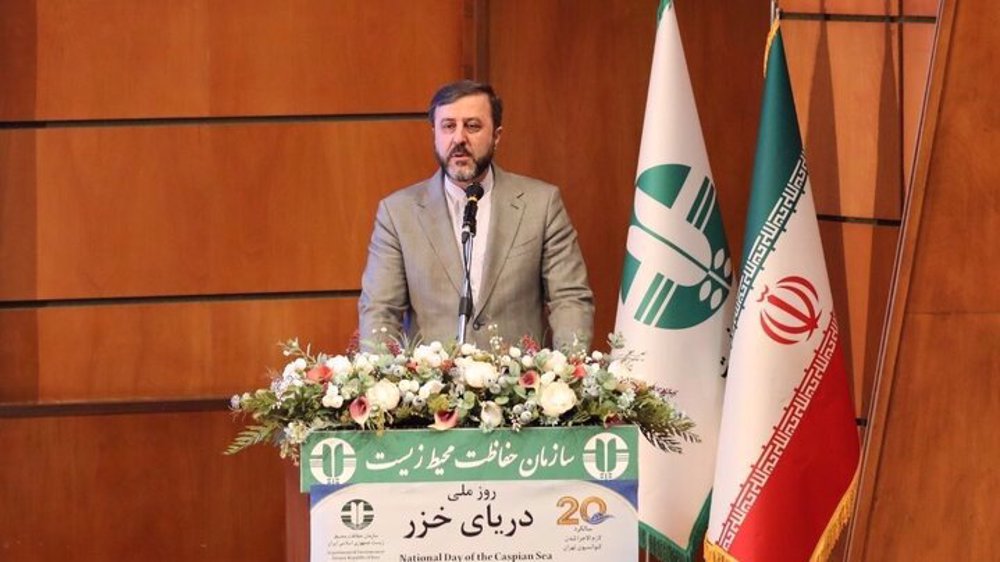
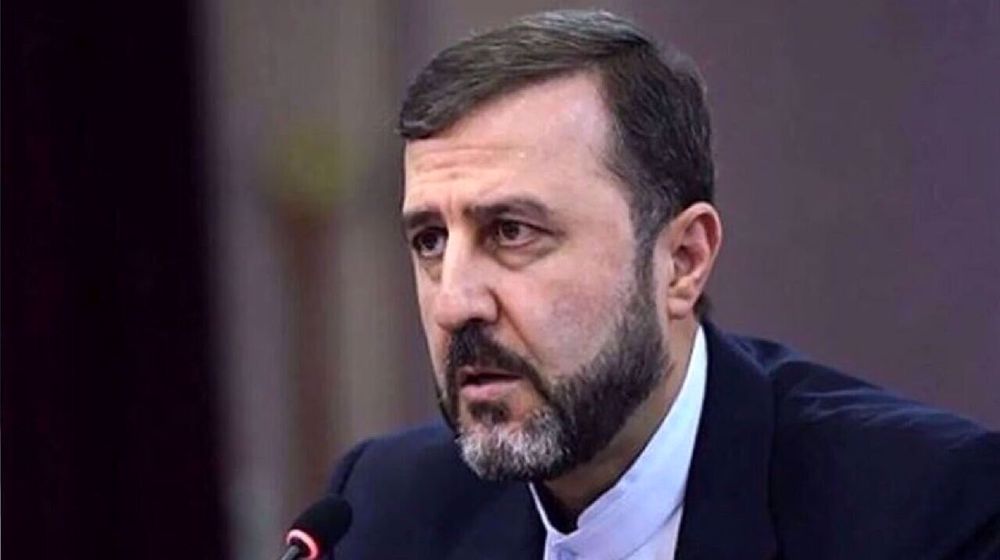
Iran’s Deputy Foreign Minister for Legal and International Affairs Kazem Gharibabadi has called on all Caspian Sea coastal states to explicitly condemn recent aggressive actions by the Zionist regime and Ukraine in the region, emphasizing the urgent need to uphold national sovereignty and territorial integrity.
In a message issued on Monday to mark Caspian Sea Day, Gharibabadi, who also serves as Iran’s Special Representative for Caspian Sea affairs, highlighted the historical significance of the 2006 Tehran Convention.
He described the framework as a testament to the shared will of the five coastal nations to protect the world’s largest lake, which serves as a vital ecological asset and the economic backbone for millions of residents in coastal cities.
However, the Iranian diplomat warned that the Caspian Sea is currently facing unprecedented challenges.
He pointed to the alarming drop in the sea's water level as one of the most critical issues, severely impacting the ecosystem, ports, shipping, and fisheries.
Gharibabadi stressed that this decline is not merely a natural or temporary phenomenon, but a complex result of climate change and human interference, necessitating robust institutional cooperation, joint scientific research, and continuous data sharing among the littoral states.
Security threats and regional stability
Beyond environmental concerns, Gharibabadi underscored that the Caspian Sea must remain a zone of peace, friendship, and cooperation.
He strongly condemned the "missile aggression by the Zionist regime and the United States against the port facilities of Anzali late last year," as well as a "drone attack by the Ukrainian regime on an Iranian commercial vessel in the Caspian Sea."
The Iranian official warned that such actions constitute a direct threat to the stability of the entire region and the strategic interests of all coastal states.
"It is evident that all coastal countries must explicitly condemn such actions and emphasize the necessity of respecting the national sovereignty and territorial integrity of states," Gharibabadi stated, highlighting the need for regional solidarity in defending shared security against external provocations.
Gharibabadi said the Caspian Sea Day serves as a crucial opportunity to reflect on the shared responsibilities of the littoral nations.
He said safeguarding this vital water body requires a comprehensive approach combining legal commitment, scientific cooperation, environmental management, and regional synergy.
"Only through such an approach can we ensure the long-term ecological sustainability of the Caspian, the continuity of coastal communities' livelihoods, and the enduring security of the region."
Strait of Hormuz authority warns ship owners over attempts at forcing vessels onto illegal routes
Iran FM: Restoring trust in UN requires ending impunity for those behind grave intl. crimes
Disarmament without dealing with Israel’s nukes is meaningless: Iran's deputy FM



Iran must halt all energy exports in response to US blockade: Deputy parl. speaker
VIDEO | 'Martyred Nasrallah was flag bearer of fighting against Zionist regime'
Top cleric urges all Iraqis to break ‘unjust, inhumane’ Iran aerial blockade
Israeli attacks kill 7 Palestinians in central, northern Gaza over 48 hours: Health Ministry
Iran has tried every diplomatic avenue to reopen Hormuz: Araghchi
VIDEO | Lula supporters march in Sao Paulo ahead of presidential election in Brazil
Iran will target US ships across Indian Ocean in case of new war: Top IRGC commander
VIDEO | Liverpool's pro-Palestine marchers condemn Israel's 'genocidal regime'


 PressTV NEWSLETTER
now
PressTV NEWSLETTER
now
 This makes it easy to access the Press TV website
