Senior official: Hormuz safe passage conditional on Iran's coordination
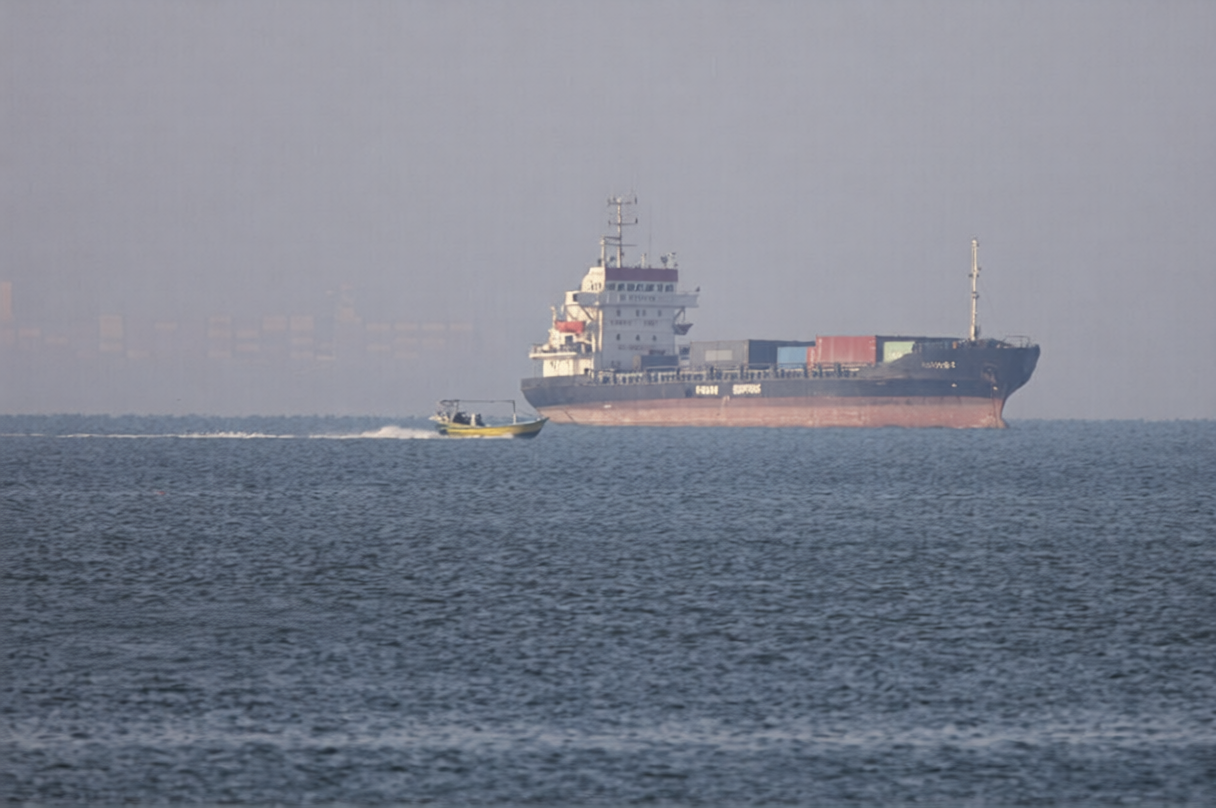
Iran has warned that safe passage through the Strait of Hormuz cannot be guaranteed for vessels using routes or arrangements devised without Tehran's involvement, as the Islamic Republic asserts its sovereign role in managing the strategic waterway under a recently signed interim agreement with the US.
Deputy Foreign Minister Kazem Gharibabadi said Friday any credible framework for maritime transit must be based on coordination with Iranian authorities and in line with Article 5 of the Islamabad Memorandum of Understanding signed on June 18.
"Safe passage through the Strait of Hormuz cannot be guaranteed under ambiguous arrangements, parallel routes or decision-making that does not take Iran's role as a coastal state into account," Gharibabadi said on social media platform X.
He warned that failure to coordinate with Tehran would result in the suspension of any designated parallel route.
Under the 14-point interim deal that halted the war triggered by US-Israeli strikes on Iran on February 28, Tehran committed to making "best efforts" for safe passage of commercial vessels at no charge for 60 days.
Article 5 also provides for Iran to conduct dialogue with Oman "to define the future administration and maritime services in the Strait of Hormuz" and "in line with applicable international law and the sovereign rights of coastal states".
Iranian officials say this provision affirms Tehran's central role in any future arrangements. The Supreme National Security Council has established a Persian Gulf Strait Authority (PGSA) to process vessel transit applications, requiring ships to submit prior requests and adhere to designated routes and schedules.
Iran and Oman have established a joint working group comprising officials from both foreign ministries to discuss future strait administration and maritime services, including associated costs.
Both countries reaffirmed that all arrangements concerning the strait "must fully respect the sovereignty and sovereign rights" of the coastal states.
Gharibabadi's remarks came after Oman announced on Wednesday it had established two temporary shipping lanes through the strait in coordination with the International Maritime Organization.
Iranian officials rejected the Omani initiative, asserting that the only authorized passage route is the one designated by Tehran.
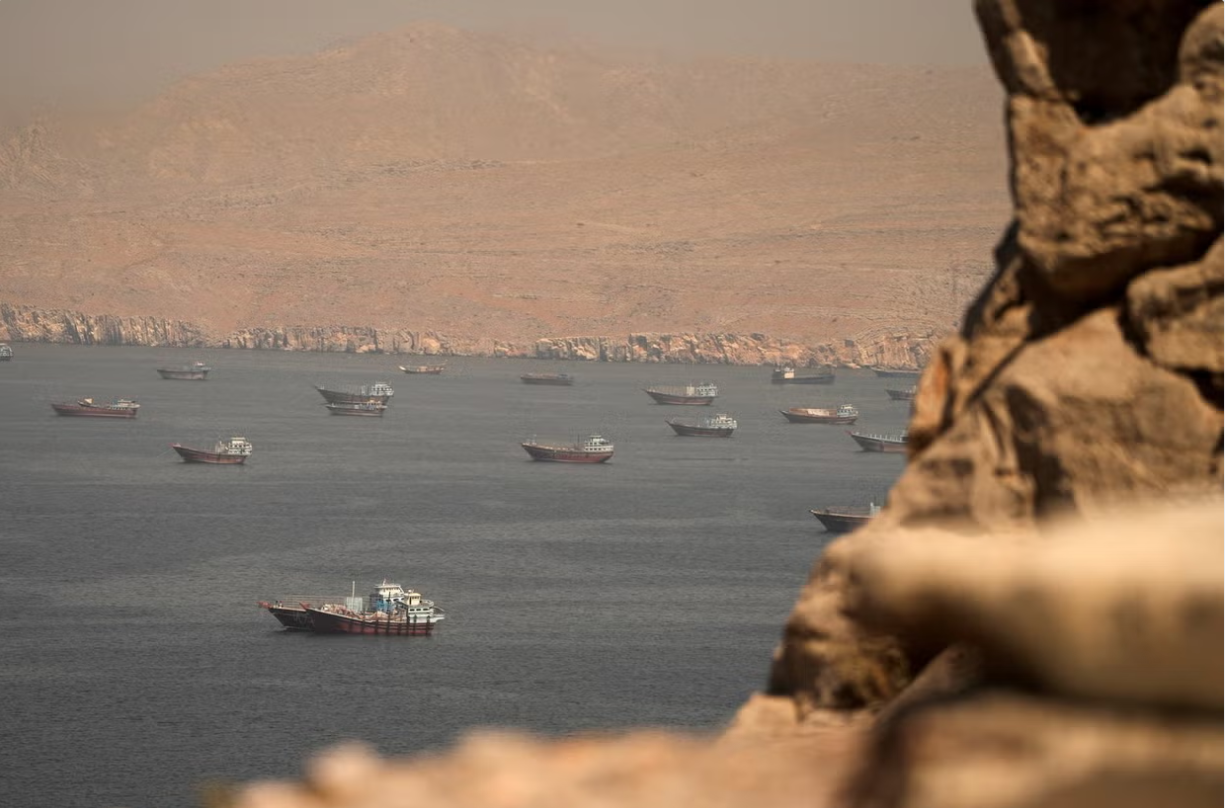
The Iranian Foreign Ministry on Friday dismissed as "interventionist, irresponsible and provocative" a joint statement by the US and the Persian Gulf Cooperation Council that called for "free, unconditional, and unrestricted navigation" without tolls or "attempts to assert control" over the strait.
Iran reiterated that the Strait of Hormuz lies within the territorial waters of Iran and Oman, and that shipping management would follow the provisions of the war-ending memorandum.
Tehran said the US military presence in the Persian Gulf remains a source of regional insecurity and called on Persian Gulf states to prevent their territory from being used for actions targeting Iran.
The diplomatic exchange followed an incident on Thursday in which an "unknown object" struck the Singapore-flagged vessel Ever Lovely near Oman. All 21 crew members were safe and the vessel continued its voyage, its operator said.
The International Maritime Organization temporarily paused its escort operations through the strait following the incident.
The Strait of Hormuz, through which approximately a fifth of global oil and liquefied natural gas supplies typically passes, has been heavily disrupted since the US-Israeli terrorist war on Iran began.
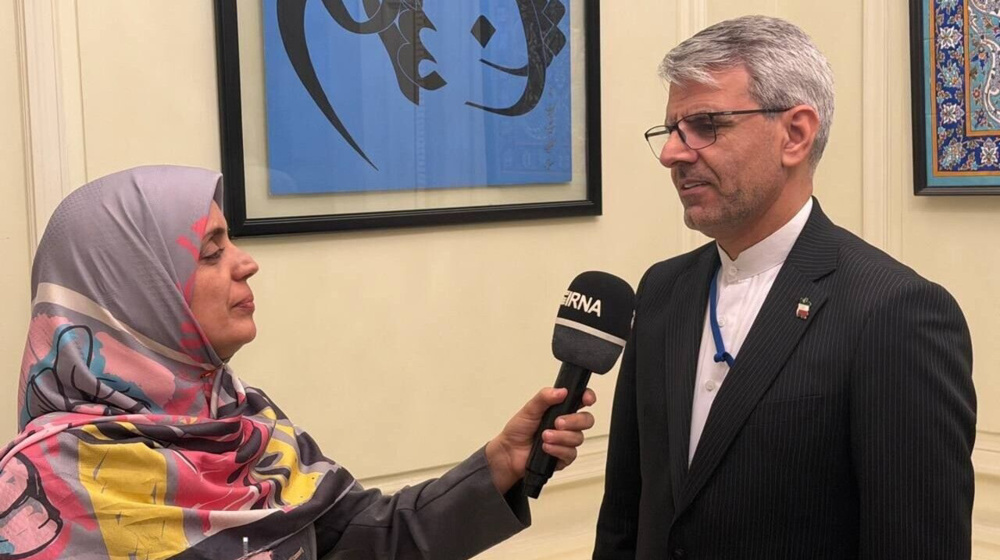
Media reports on Qatar-mediated talks ‘baseless speculation’: Baghaei
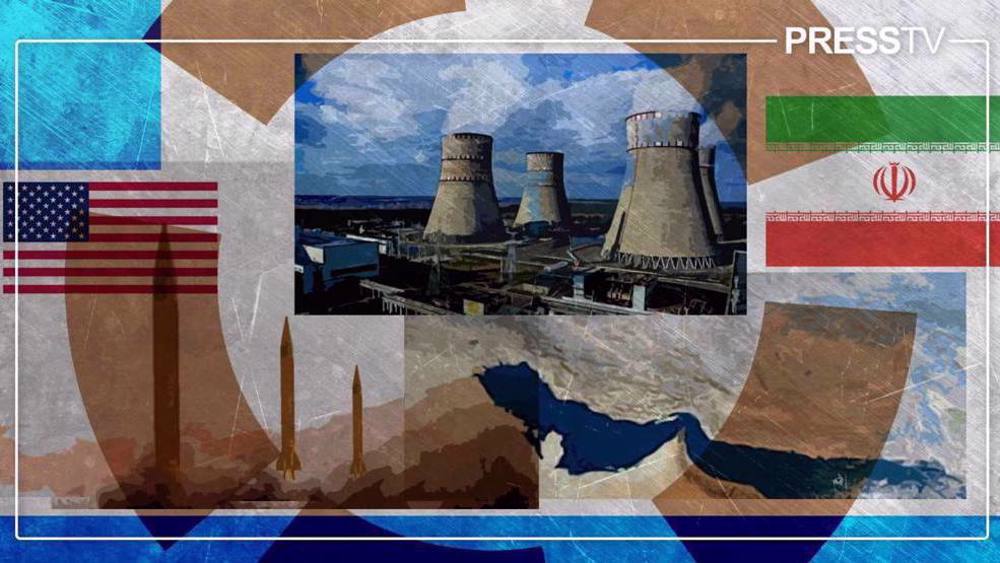
Media reports of Iran showing nuclear flexibility false; US trapped in Hormuz Strait: Source
Iraqis hold nationwide rallies against suspension of Iranian flights



Iran warns regional states of Israel’s malicious intents following reports of Netanyahu UAE visit
Army spox: Saudi Arabia launches over 30 airstrikes across Yemen in 24 hours
VIDEO | News Review: Israel settlement expansion
Israel violates Gaza ceasefire over 5,100 times, kills 1,421 Palestinians: Gaza Media Office
VIDEO | Russia holds events under title of Iran’s Culture Week
Republicans distancing themselves from Trump ahead of US midterms
Pezeshkian: Expanding Iran-Azerbaijan rail, air links key to strengthening ties
Iranian engineering students hold lectures at US-bombed B1 mega-bridge



 PressTV NEWSLETTER
now
PressTV NEWSLETTER
now
 This makes it easy to access the Press TV website
