Hezbollah MP: No agreement will be reached without complete withdrawal of Israeli forces
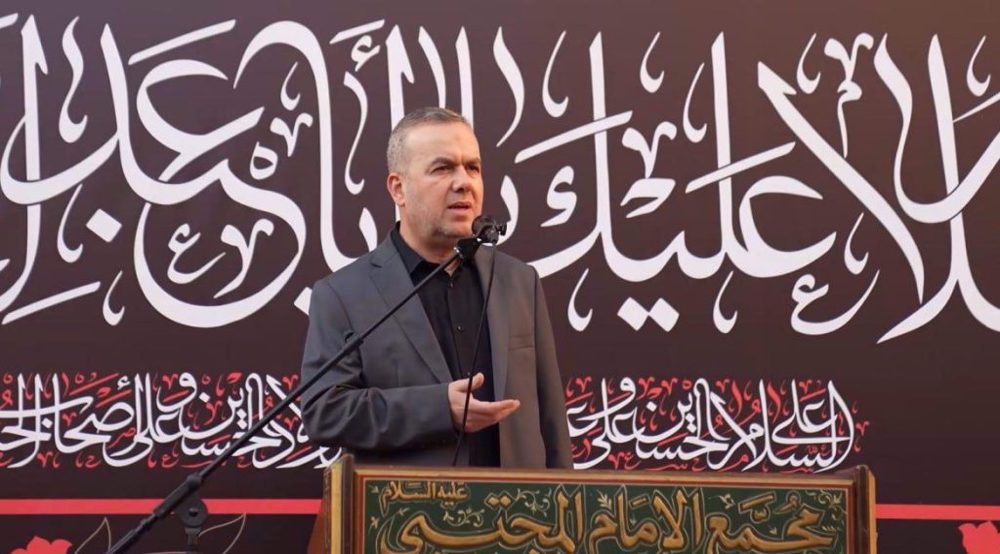
A Lebanese legislator from Hezbollah's political wing says Israel has consistently breached the ceasefire agreement with the Beirut government and sought to circumvent the stipulations outlined in the Iran-US memorandum of understanding (MoU), cautioning that a conclusive agreement cannot be achieved without a total Israeli withdrawal from Lebanese territory.
Speaking during an Ashura commemoration on Wednesday, Hassan Fadlallah, a member of the Loyalty to the Resistance Bloc, emphasized that "the Israeli enemy has never shown any intention to comply with this agreement."
He underlined that Hezbollah is entirely ready to retaliate, stating that "the relevant parties are cognizant of the suitable course of action and the current trajectory regarding this issue."
Fadlallah characterized the Iran-US memorandum of understanding as "a notable accomplishment" for the Islamic Republic of Iran, highlighting its inclusion of Lebanon and the complete commitment from Iran.
He pointed out that the continuation of negotiations between the Beirut government and the Tel Aviv regime is dependent on the cessation of Israeli assaults on Lebanon, asserting that "negotiations will not proceed unless the attacks on Lebanon stop."
The Lebanese lawmaker further noted that the Iran-US deal has created "a regional equation," which is based on "the diplomacy of strength, missiles, resilience, the Strait of Hormuz, the conflict in Ali al-Taher, and the political pressure applied by the Islamic Republic of Iran."
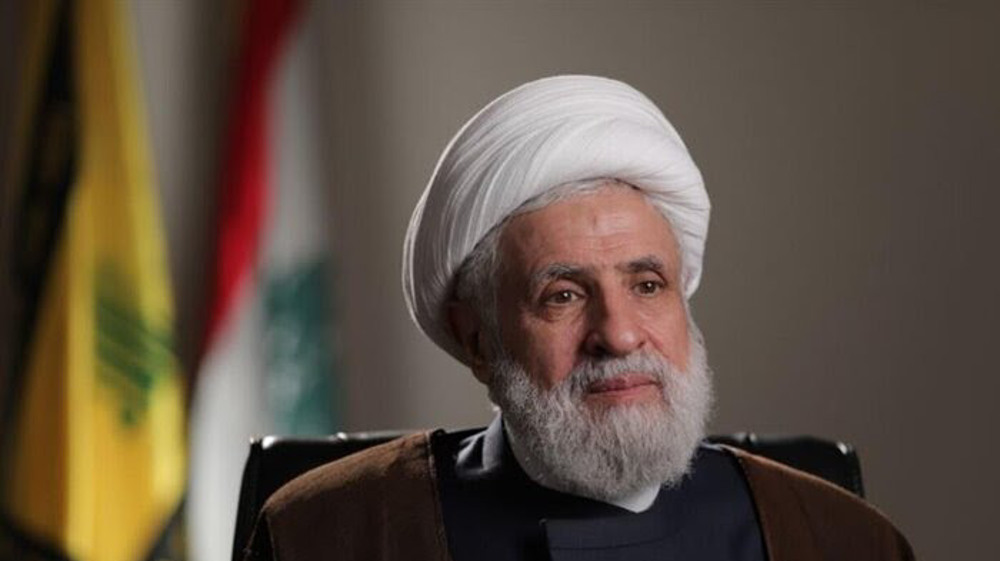
"After placing our faith in God Almighty, we depend on the strength of the resistance fighters, our nation, our unity, as well as support and backing from Iran."
The Hezbollah legislator contended that recent developments have refuted assertions that Lebanon is under the influence of external powers.
Fadlallah indicated that the critics of the Iran-US MoU include "the Israeli enemy, which aims to undermine the ceasefire, as well as certain (Lebanese) political faction whose aspirations have been dashed and illusions destroyed."
"Do not place your trust in America, do not anticipate our defeat, and do not assume that we are a people who can be subdued," the Lebanese lawmaker said.
He went on to accuse certain Lebanese figures of trying to sabotage the agreement through political pressure and foreign influence, cautioning against making concessions.
"We have cautioned them... that they must not, under any circumstances, yield to this defeated and humiliated enemy," he stated.
Fadlallah emphasized that any agreement between the Beirut government and the Tel Aviv regime would not be enacted without the approval of Hezbollah.
"Nothing will be enacted in Lebanon without our approval. What we consent to will be enacted, and what we do not consent to will not be enacted in Lebanon, even if the entire world were to unite against it."
He concluded with a plea for internal reassessment, addressing the Lebanese government by saying: "The opportunity has not yet passed... You must escape the downward spiral, reconnect with your people, trust them and the Resistance front, and take advantage of this Iranian support," adding that "Lebanon is the one that requires Iran, not the other way around. It stands with us."
The Iran-US memorandum of understanding (MoU), signed on June 18, 2026, was an agreement that brought an end to the US‑Israeli war of aggression against Iran. The 14‑point MoU, brokered by Pakistan, committed both sides to an "immediate and permanent" termination of military operations on "all fronts", including Lebanon, and provided for the lifting of the US naval blockade, and the release of frozen Iranian assets.
However, the path to implementation has been rocky from the start.
Despite the ceasefire commitment, Israeli forces have continued strikes in southern Lebanon, with deadly attacks on Beirut's southern suburbs and border villages killing dozens of civilians.
Lebanese officials have reported more than 4,100 people killed since March.
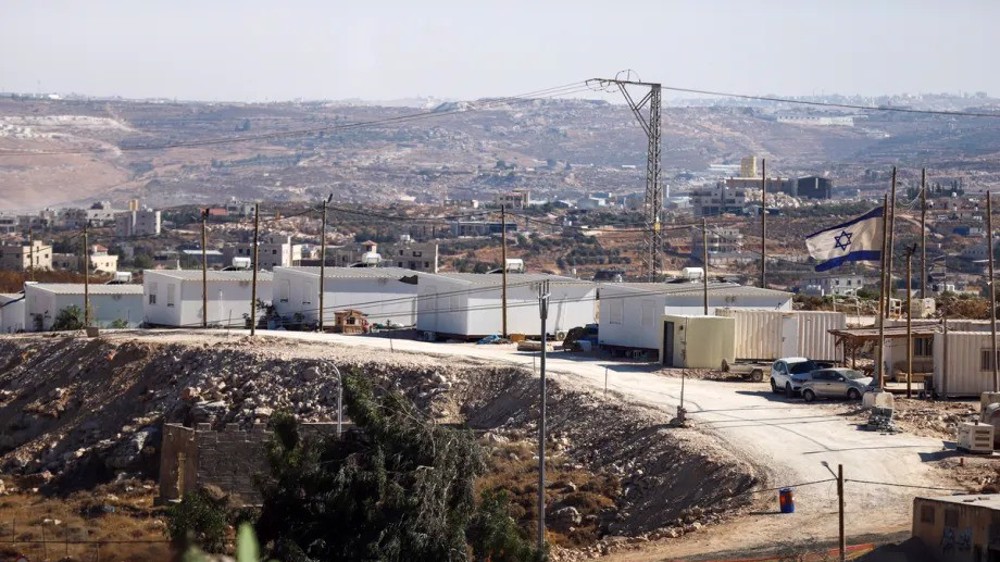
UN expands list of companies linked to illegal Israeli settlements
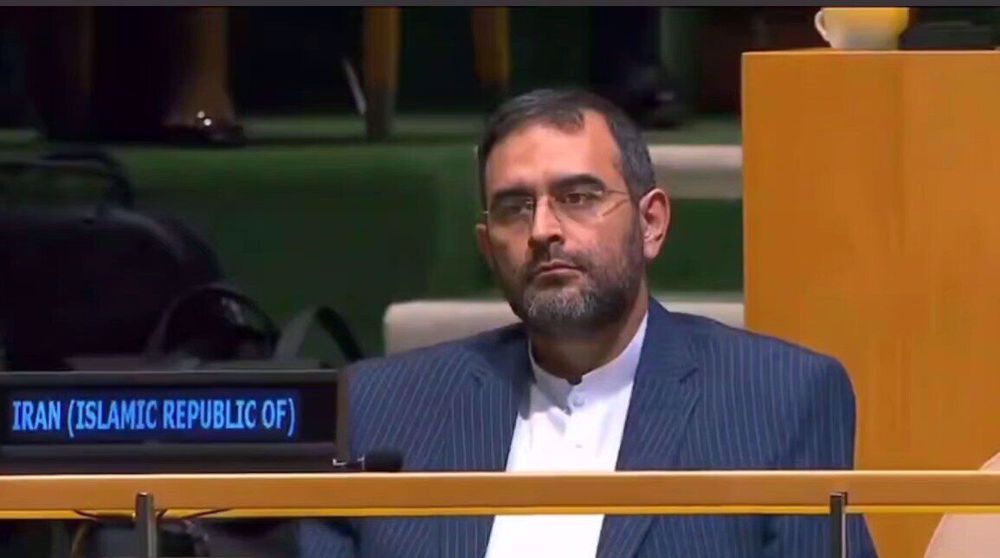
'Greatest affront to human conscience': Iran slams Netanyahu’s UN speech
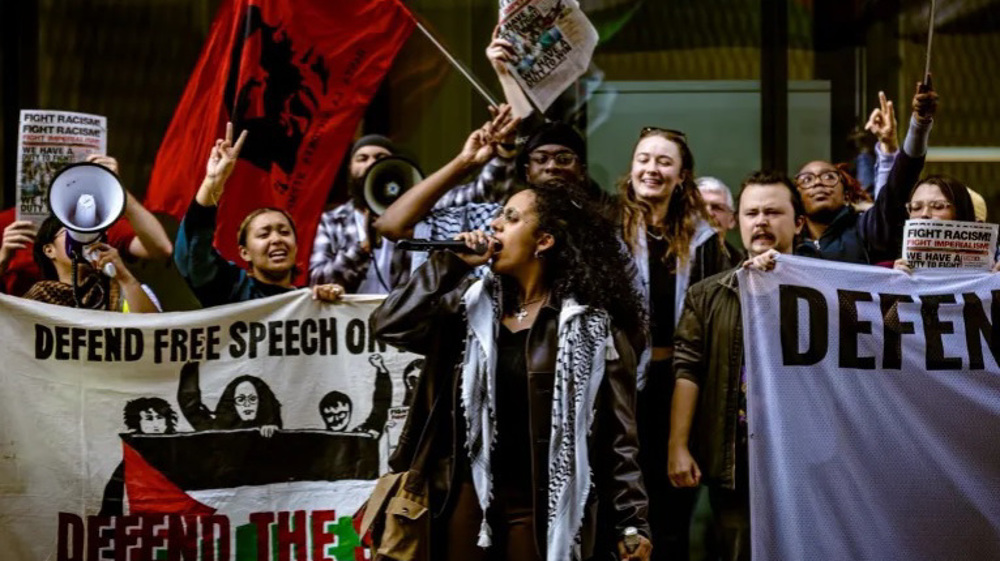
British universities work with Israel-linked arms giant to curb pro-Palestine protests: Report



Pezeshkian: Iran ‘no longer’ trusts US after being attacked twice during talks
Iran says it doesn’t plan to attack neighbors’ airports in response to US bans
Restrictions on Iranian flights impede Iraq’s economic recovery: Senior MP
Tayebi wins shot put gold as Iran takes three more silvers at Aichi-Nagoya Asian Games
VIDEO | Israel’s UN isolation: Netanyahu faces criticism
Blood on their hands: NATO chief’s confession proves Europe enabled US-Israeli war against Iran
Stories Beyond Numbers: Mahya Nami, six-year-old girl killed before she could return to school
Iraq in direct talks with US to resume Iran flights, gain airports exemptions: Officials


 PressTV NEWSLETTER
now
PressTV NEWSLETTER
now
 This makes it easy to access the Press TV website
