Israeli restrictions on Gaza aid network threaten to deepen famine: Euro-Med
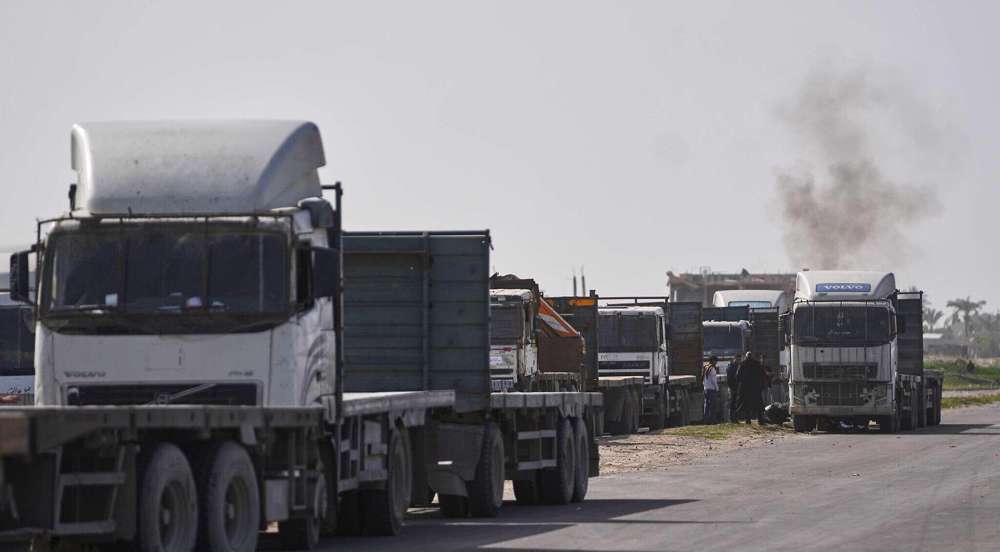
Gaza’s aid network is nearing collapse as Israeli restrictions disrupt food and medicine deliveries, increasing the risk of famine, Euro-Med Human Rights Monitor says.
Nahed Shuhibar, head of Gaza’s Private Transport Association, told the Swiss-based rights group that Gaza had about 1,200 trucks before the Israeli aggression. Only about 400 remain, with roughly 100 out of service because of shortages of spare parts, tyres, engine oil and batteries. About 300 trucks are currently operational.
Euro-Med Monitor said Israeli attacks have damaged or destroyed more than 150 trucks, mainly on roads leading to or near the Kerem Shalom crossing, killing more than 20 drivers and detaining 15 others.
It said some of the affected drivers were travelling in convoys coordinated with Israeli authorities through the UN and international aid organizations.
The destruction of about 150 transport offices and warehouses has further weakened Gaza’s logistics network, while shortages of storage and refrigeration facilities are causing delays of 24 to 72 hours.
The group warned that food, medicine and other perishable supplies can spoil before reaching civilians.
Maintenance costs have also surged. Shuhibar said changing a truck’s oil, which cost about 450 shekels ($150) before the war, can now cost around 100,000 shekels ($33,000). Workers have reportedly resorted to dismantling damaged trucks to keep other vehicles operating.
Euro-Med also reported that at least 23 newly imported trucks were seized after entering Gaza because they remained linked to Israeli owners or outstanding claims by Israeli banks. It said operators had stopped using some other trucks over fears of confiscation.
The transport crisis comes as Gaza faces severe food insecurity. Justin Brady, head of the UN Office for the Coordination of Humanitarian Affairs in Palestine, warned earlier this month that conditions could deteriorate to Phase 5 of the Integrated Food Security Phase Classification if aid flows decline.
An IPC analysis involving more than 60 experts from 20 organisations estimates that more than 1.4 million people, or 67 percent of Gaza’s population, will face Crisis-level food insecurity or worse between July and December 2026. About 212,000 people are projected to remain in Phase 4, an emergency level.
The analysis also estimates that 83 percent of households have no income and that about 1.9 million people, or 90 percent of the population, would face high levels of acute food insecurity without humanitarian food assistance.
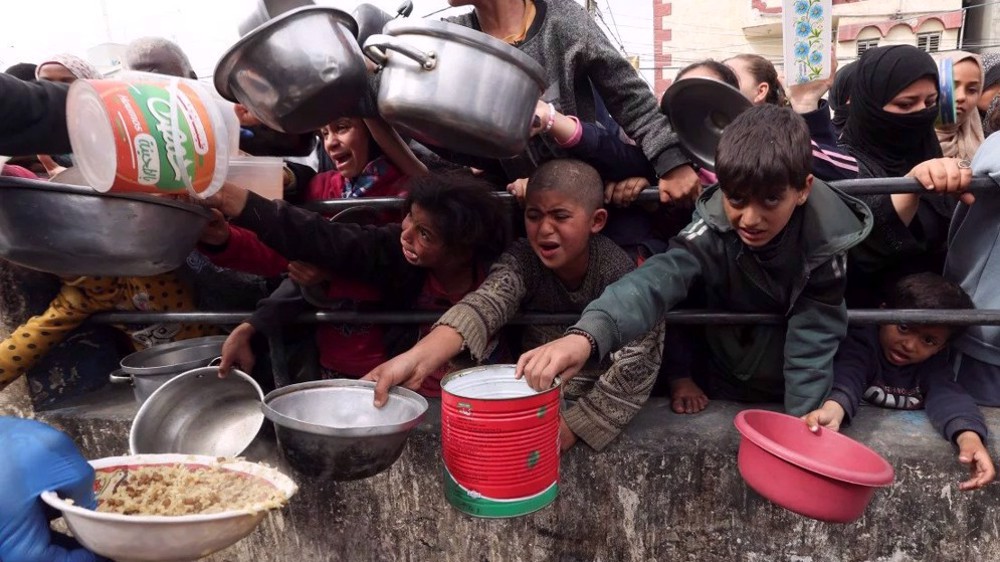
Euro-Med said Gaza’s limited improvement in food security depends largely on continued aid rather than a recovery in local food production or household purchasing power. Any disruption to aid entry, transport or distribution could therefore rapidly reverse those gains.
The rights organization stressed that the number of trucks entering Gaza alone does not measure effective relief. Food and medicine must reach civilians safely across the blockaded Palestinian territory. Supplies stranded at crossings, delayed, damaged or spoiled cannot alleviate hunger.
Euro-Med called for restrictions on trucks, spare parts, fuel and maintenance equipment to be lifted, crossings to operate regularly for humanitarian and commercial traffic, and an independent mechanism to monitor aid deliveries from entry points to their final destinations.
Without a functioning transport network, the group warned, Gaza’s already severe food crisis could rapidly deepen, pushing vulnerable communities back toward famine.
The Israeli genocide has already killed more than 73,375 Palestinians, wounded over 171,000, and destroyed around 90 percent of Gaza’s infrastructure, according to Gaza authorities.
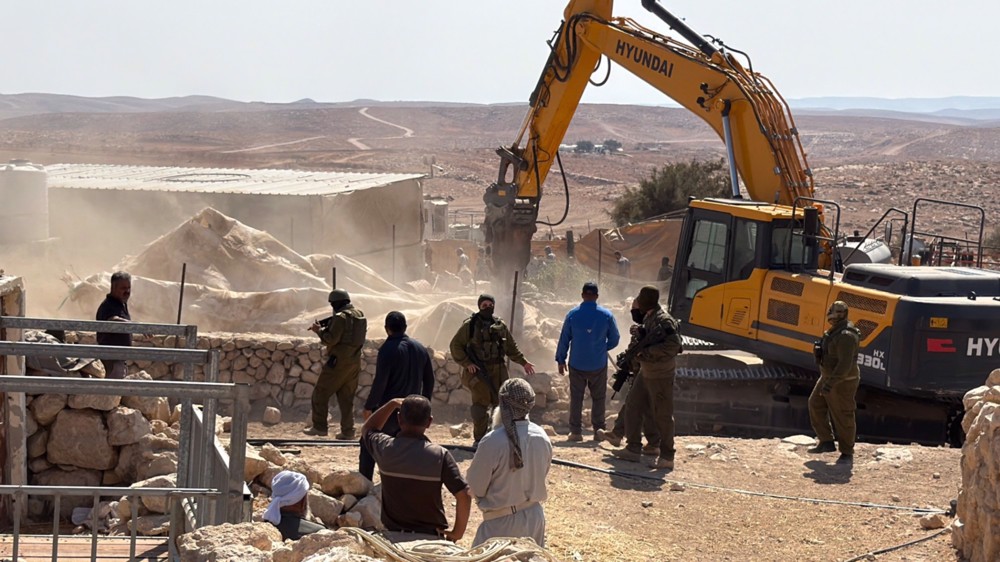
Israeli forces demolish homes in West Bank, displacing 176 Palestinians

Israel’s election body bars both main Arab parties from Knesset race
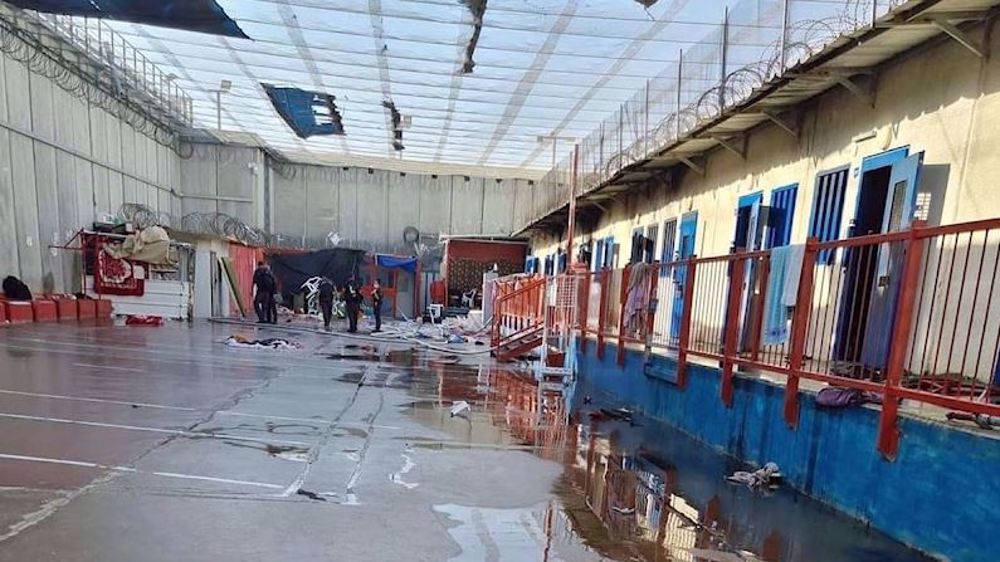
Gazans shot at, beaten, attacked by dogs in Israeli Al-Naqab prison: Prisoners' Media Office



President Pezeshkian UN speech
Saudi Mufti urges troops to attack Yemen as Macron announces deployment in Yanbu
Turkey agrees to pull out of key base in north Iraq, occupy others
Two Israeli soldiers killed after drone explodes in northern Gaza
Over 100 arrested in protests against Netanyahu’s UN speech
VIDEO | Probe shows Bucha was false flag event to demonize Russia: Russian envoy
Hormuz traffic falls to single digits despite US claims of increased transit
VIDEO | Iran honors leading figures for advances in science and technology


 PressTV NEWSLETTER
now
PressTV NEWSLETTER
now
 This makes it easy to access the Press TV website
