US emerged from war ‘desperate, defeated': Leader's advisor
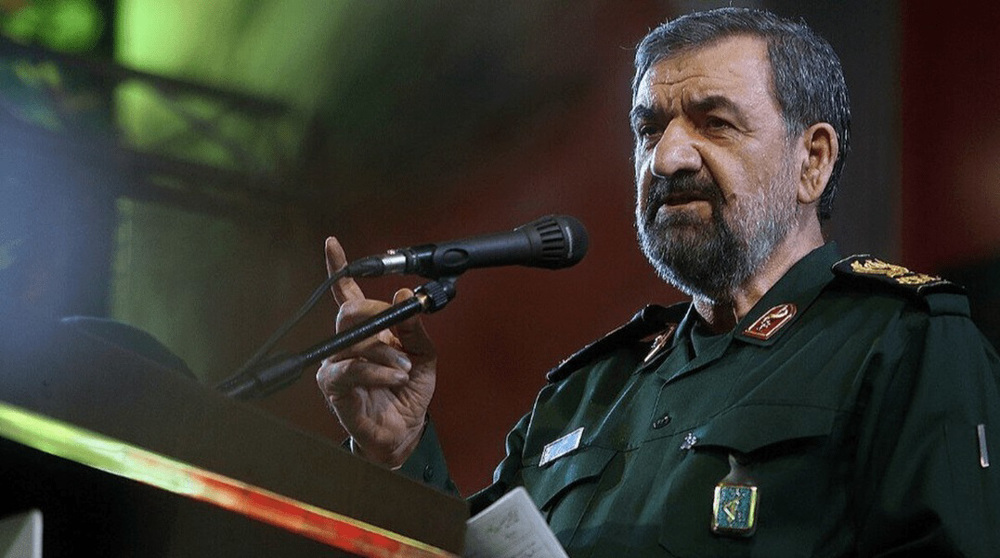
An advisor to Leader of the Islamic Revolution Ayatollah Seyyed Mojtaba Khamenei says the United States was recognized as "a desperate defeated criminal" during the latest unprovoked American-Israeli aggression against Iran, noting how Washington and Tel Aviv lost control of events as the war progressed.
Mohseh Rezaei, a former chief commander of the Islamic Revolution Guards Corps (IRGC), made the remarks during a televised interview on Friday.
The United States and the Israeli regime realized by the 15th day of the aggression that the situation was no longer under their control, he noted, adding that the outcome of the aggression left Washington in a weakened position.
The banner of battlefield victory today underpins Iran’s diplomacy of strength: Qalibafhttps://t.co/0YvHNywLvf
— Press TV 🔻 (@PressTV) June 17, 2026
The duo began their latest bout of unprovoked aggression targeting the Islamic Republic on February 28.
US President Donald Trump announced a ceasefire on April 7 after the aggression was faced with at least 100 waves of decisive and retaliatory Iranian strikes against sensitive and strategic American and Israeli targets throughout the region.
Factors behind the outcome
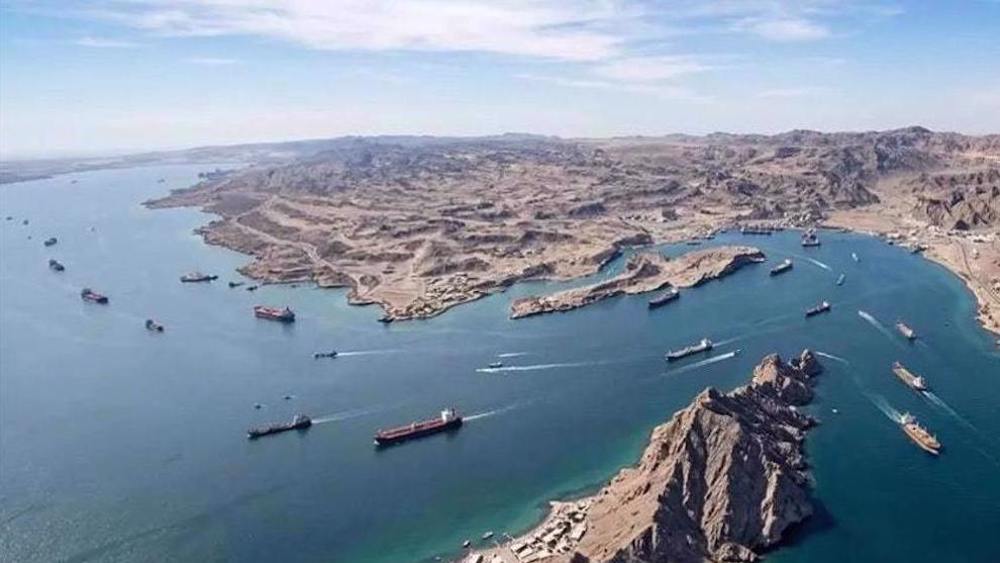
Rezaei, also a member of the Islamic Republic's Expediency Council, attributed the situation to a combination of factors, including the domestic turmoil in the United States, fatigue and lack of preparedness among American military forces, and the absence of a military solution regarding the Strait of Hormuz, which Tehran closed to enemies and their allies in retaliation for the aggression.
He also enumerated congressional obstacles, lack of support from US allies, and international pressure from countries including Spain as some other factors bringing about the outcome.
According to Rezaei, these factors contributed to a deadlock for the United States and the regime during the aggression.
Iran's military performance, regional position
The official said Iranian armed forces used the duration of the conflict to strike some of the US's most advanced technologies.
He said the Islamic Republic's performance enhanced its international standing and stressed that the country's strategic position must be preserved.
"[Iran's position regarding] the Strait of Hormuz and the country's regional influence must not be weakened… The rights of the Iranian nation and the resistance front must be consolidated."
Deterrence, public support
Rezaei said the aggression should conclusively end in a way that ensures deterrence on the part of the Islamic Republic for decades to come.
He also hailed the nationwide public participation in support of the country's sovereignty and its armed forces during the aggression, saying the public demonstrations made the adversaries abandon any ill intention against the nation's defensive capabilities.
"The massive public presence on the streets shook the enemy; the enemy realized that it could not deprive Iran of its missile capabilities."
The advisor added that Iran's armed forces would respond "far more forcefully than before" to enemy mistakes.
Turning to the issue of negotiations, Rezaei said any final agreement must be drafted with technical and legal precision and reflect Iran's demands.
He said particular care has to be taken in defining issues such as sanctions relief and removal of other restrictions.
As an example, he referred to a demand for US forces to leave areas surrounding Iran within 30 days of a final agreement, warning that "they may argue that the term 'areas surrounding Iran' refers only to Iran's 12-mile territorial waters, which would not be acceptable to us."
Rezaei also discussed the Leader's recent message regarding a memorandum of understanding signed between Iran and the United States.
Leader hails Iranian officials' efforts, says Trump desperate in reaching dealhttps://t.co/SyII3IRZ7N
— Press TV 🔻 (@PressTV) June 18, 2026
Ayatollah Khamenei authorized the signing, despite holding a different view, while emphasizing commitments made by President Masoud Pezeshkian and the Supreme National Security Council (SNSC) regarding protection of the rights of the Iranian nation and the regional resistance front during interactions with Washington, he said.
‘New tactics’ will crush any future aggression, Iran’s Army warns
Israel, US repeat Saddam’s miscalculation about Iran: Expediency Council chief
Trump can’t impose his power on Iran; we can withstand any war: Parliament speaker



VIDEO | Press TV's news headlines
VIDEO | Priests rally in Rome to honor Palestinian, Lebanese children murdered by Israel
Iran’s military warns of ‘unpredictable blows’ in response to US threats
VIDEO | US economic war on Iran
Iran FM meets with US envoy on UN meeting’s sidelines at American side’s insistence: Report
UN chief warns Israeli violence in West Bank raises ‘specter of ethnic cleansing’
VIDEO | ‘Korea gets nothing, loses everything, with Hormuz deployment’
Iran parliamentary commission approves penalties for violators of Hormuz laws


 PressTV NEWSLETTER
now
PressTV NEWSLETTER
now
 This makes it easy to access the Press TV website
