Trump can’t impose his power on Iran; we can withstand any war: Parliament speaker
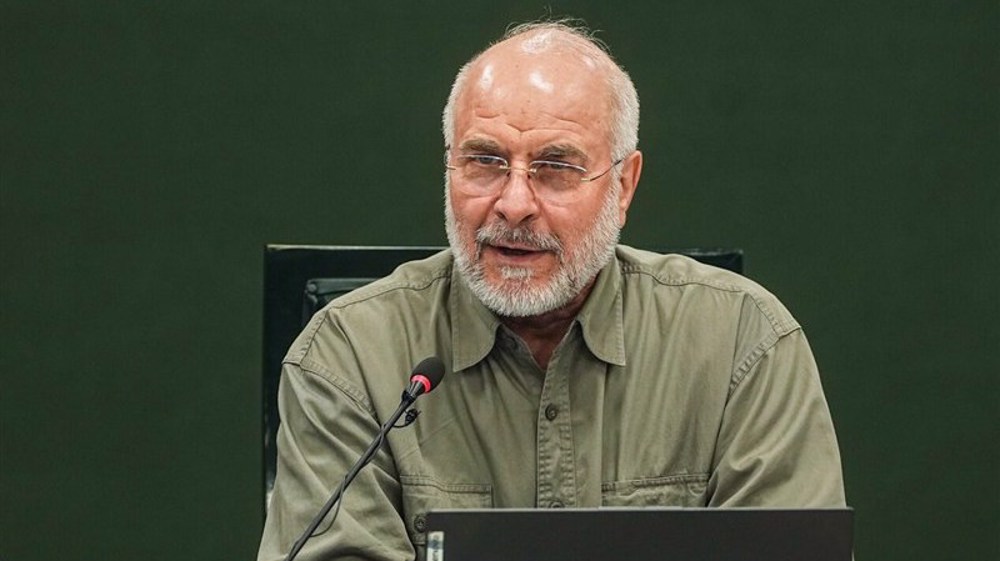
Parliament Speaker Mohammad-Baqer Qalibaf has asserted that US President Donald Trump cannot impose his power on Iran, pledging that the country would stand firm in the face of whatever instance of warfare the enemies were trying to impose on it.
The top legislator made the remarks on Tuesday, addressing a ceremony honoring veterans of Sacred Defense, a reference to the nation’s various bouts of sustained and successful resistance in the face of foreign aggression.
“Trump is facing a historic civilization and a national and religious resistance. He must understand that he cannot impose his power on the Iranian people and the Armed Forces,” he said.
“Today, in the hybrid, economic, military, diplomatic, and other forms of warfare, we will never surrender,” the official stated.
“We will respond with strength, just as we have done so far, and have rendered the enemy incapable of performing effectively on any arena.”
‘From wartime constraints to unrestricted missile capability’
Referring to the experience of the 1980-88 war imposed by Iraq’s former dictator Saddam Hussein, Qalibaf reminded how, back at the time, Iran was facing severe limitations, including restrictions on the supply of basic military equipment.
🔴 IRGC's Deputy Commander-in-Chief Major General Mostafa Izadi:
— Press TV 🔻 (@PressTV) September 21, 2026
🔺 In the recent war, the Iranian people stood against the enemy by relying on the same factors that shaped their resistance during the Iran-Iraq War, with “strategic patience” playing a key role. pic.twitter.com/ZgZPusscif
During those years, “they would not even sell us barbed wire, and our artillery fire could not reach targets more than 14-15 kilometers away, and even artillery shells were being rationed,” he noted.
He attributed Iran’s subsequent development of military capabilities to the culture of Sacred Defense being etched into the nation’s mentality.
✍️ Analysis - How Iran turned seven months of US military, economic aggression into strategic leverage to dictate terms
— Press TV 🔻 (@PressTV) September 21, 2026
By Press TV Strategic Analysis Desk
Read more: https://t.co/VycUpYHCXl pic.twitter.com/U8dbDkjsOc
“But this culture enabled us to reach a point today where we can strike any location we choose with our missiles, without limitation,” the official added.
Qalibaf also referred to the approaching Sacred Defense Week and honored the memory of the martyred Leader of the Islamic Revolution Ayatollah Seyyed Ali Khamenei, saying this year’s occasion marked the first one in which “our commander is no longer in our midst.”
“Had it not been for the martyr’s foresight and strategic vision, perhaps the culture of Sacred Defense would not be helping the country in the way it does today.”
Additionally, he credited founder of the Islamic Republic Imam Khomeini and the martyred Leader’s son and successor, Ayatollah Seyyed Mojtaba Khamenei, with institutionalizing “the rich culture of defense.”
Thanks to the culture, “we have stood firm” against the enemy’s war efforts, the Parliament speaker noted.
‘Negotiations also a field of struggle’
Qalibaf concluded by reemphasizing Iran’s deterrence capabilities and its position on negotiations.
“The country possesses sustainable deterrence capabilities, and we can stand up to them (the adversaries),” he said.
“The enemy should understand that negotiations are also a field of struggle; diplomacy is not surrender, but the conversion of power on the ground into political gains,” he said.
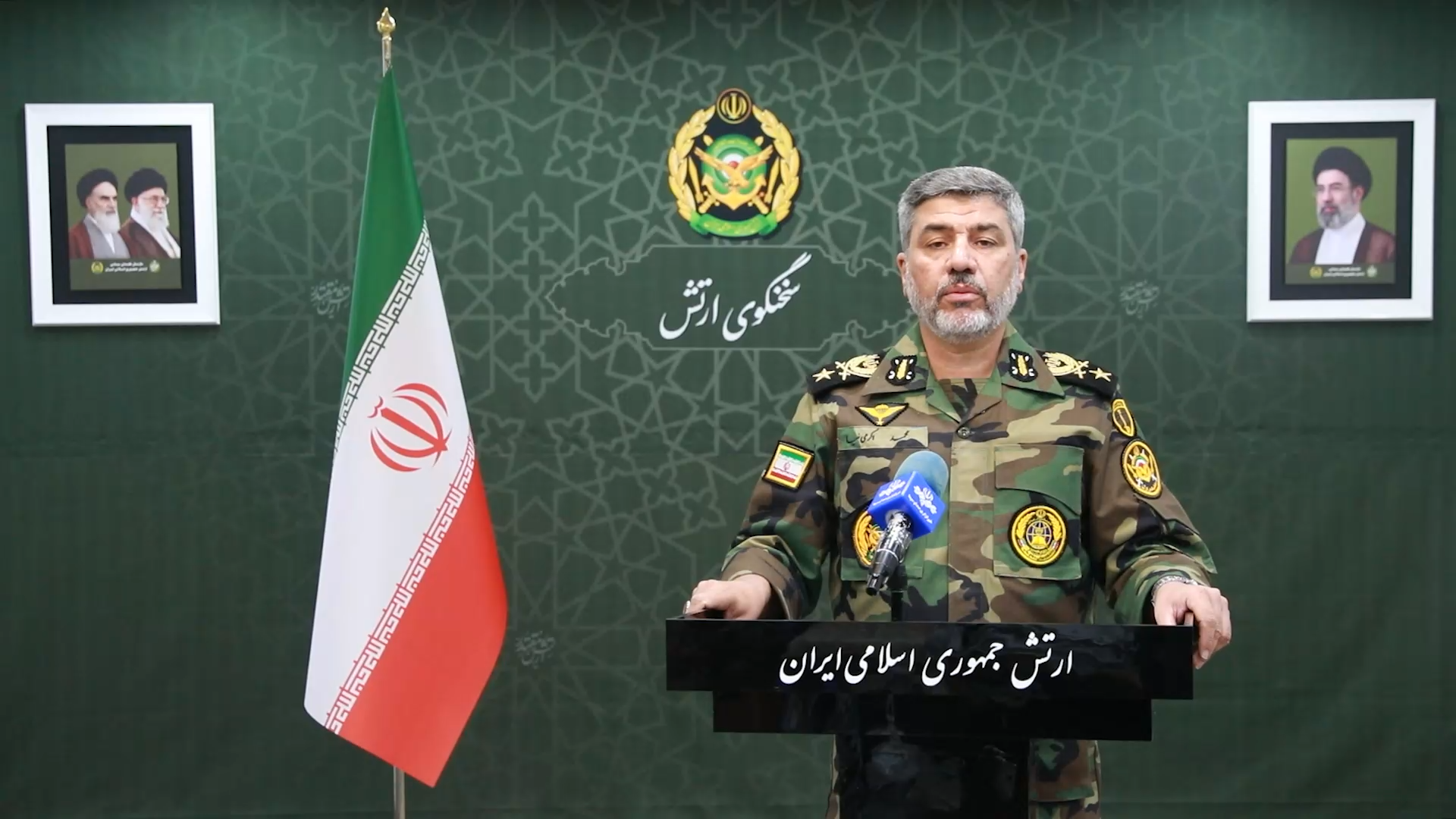
‘New tactics’ will crush any future aggression, Iran’s Army warns
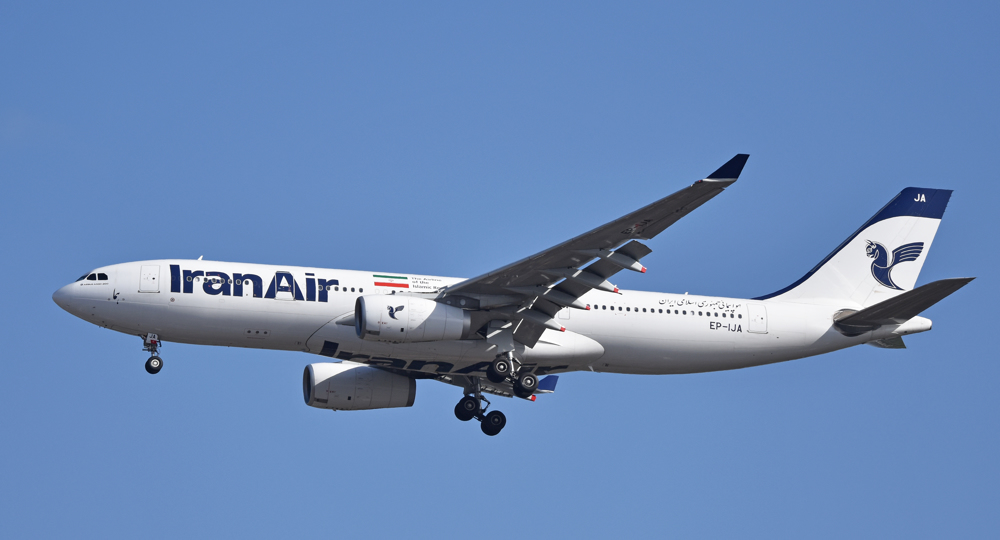
China condemns US extortion of Iranian airlines, rejects Washington’s ‘illegal’ sanctions threats
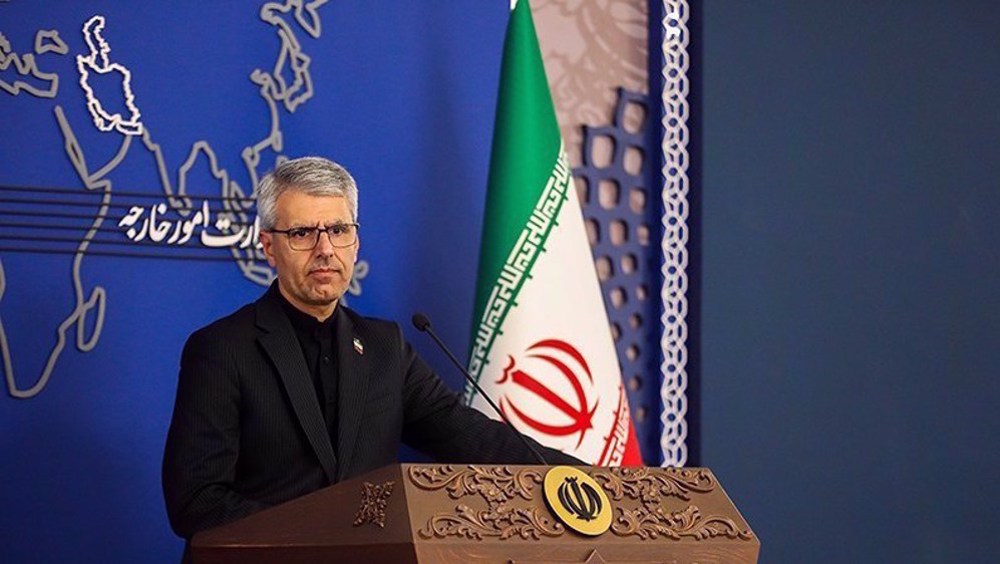
Iran slams US for blaming Tehran over rising fuel prices, Strait of Hormuz closure



Araghchi urges world to hold US accountable for ‘war crimes’ at UNGA
VIDEO | Press TV's news headlines
US F-16 fighter jet crashes at air base in Germany
Iran warns US against new attack, says Washington will gain ‘nothing but failure’
'Shameful': UK to provide refueling support for Saudi warplanes amid war on Yemen
‘Iron shield’: Knowledge, morality will ‘cut off’ hands of aggressors, Leader tells students
‘National dignity is our red line’: Iranian advisor warns enemies
Republican support for Trump’s war on Iran erodes amid deepening party divisions: Poll


 PressTV NEWSLETTER
now
PressTV NEWSLETTER
now
 This makes it easy to access the Press TV website
