Iran parliamentary commission approves penalties for violators of Hormuz laws
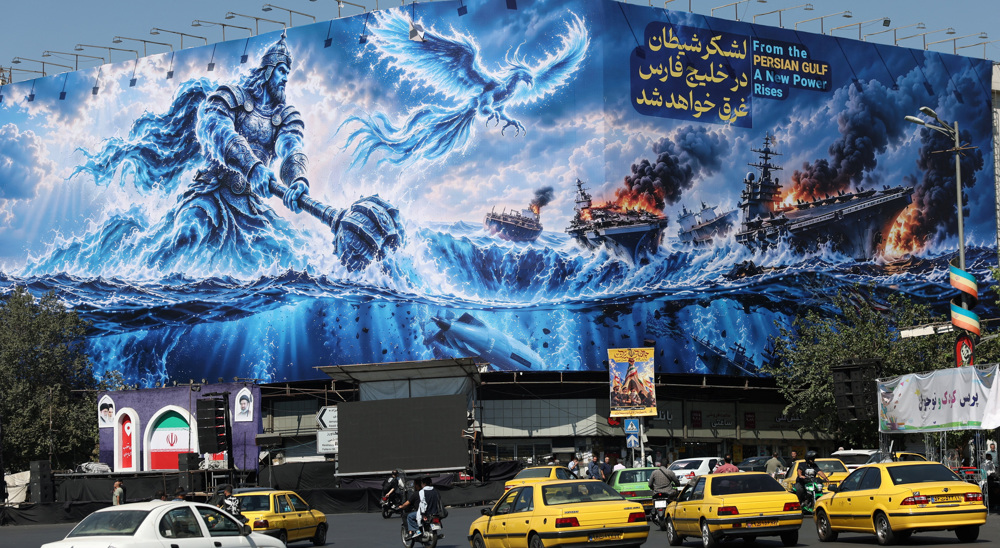
Iran Parliament’s National Security and Foreign Policy Commission has approved new penalties for vessels violating transit regulations in the Strait of Hormuz as part of legislative steps to consolidate Iran's sovereign control over the world’s most critical energy chokepoint.
Hassan Ghashghavi, spokesman for the commission, said on Tuesday that the commission has reviewed and approved Articles 13, 14, and 15 of the “Strategic Action to Ensure Security and Development of the Strait of Hormuz” bill.
The bill formalizes the rules of engagement and transit within the vital waterway, backing Iran’s military dominance with severe legal and economic deterrents, he said, adding that, under the newly approved Article 13, any vessel failing to comply with Iranian transit regulations will face immediate and heavy consequences.
In addition to the penalties outlined in Article 5 of the Islamic Penal Code, authorities now have permission to confiscate 20 percent of the violating vessel’s cargo or extract its equivalent financial value, said the spokesman.
Furthermore, the offending ship will be temporarily impounded by Iranian maritime forces until penalties and fines are fully paid, noted Ghashghavi.
To ensure the precise and professional enforcement of these regulations, the Judiciary has been mandated to establish specialized court branches, he said.
These tribunals will be staffed by judges and experts specializing in maritime law and the international law of the sea, ensuring that Iran’s legal framework aligns with its strategic enforcement capabilities, explained the lawmaker.
Article 14, he maintained, establishes strict domestic accountability, stipulating that any individual or legal entity whose actions or negligence lead to the failure, delay, or incomplete implementation of the law will face Grade 5 punishments under Article 19 of the Islamic Penal Code.
Crucially, a supplementary note to Article 14 asserts Iran’s absolute legal sovereignty over the Strait of Hormuz, added the Parliamentarian.
It dictates that any future bilateral or multilateral international agreements or binding documents regarding the Strait of Hormuz must strictly comply with Articles 77, 125, 176, and 57 of the Constitution of the Islamic Republic of Iran. This effectively nullifies any external attempts to impose foreign navigation frameworks on the Strait without Tehran’s explicit constitutional consent, he said.
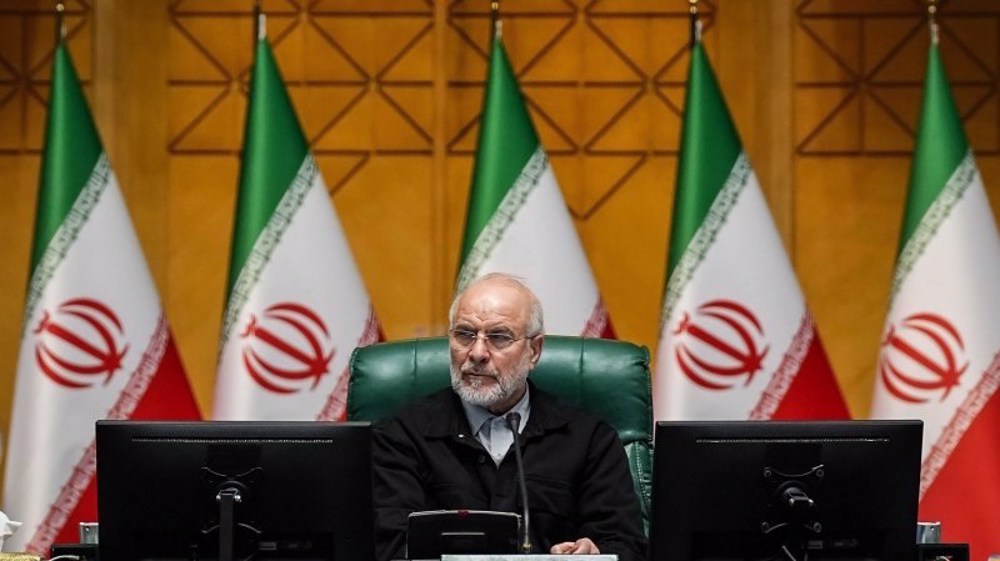
To maintain rigorous oversight of the waterway, Article 15 holds that the General Staff of the Armed Forces are to oversee the law’s execution, Ghashghavi said, adding that the military high command is required to submit comprehensive implementation reports to the National Security Commission every three months, either directly or through the Ministry of Defense.
For the bill to become law, the commission must finalize it, after which it must be sent to the full floor of Parliament for a final vote by all lawmakers, pending approval by the Constitutional Council.
The advancement of this bill comes as Iran continues to consolidate its unprecedented control over the Persian Gulf and the Strait of Hormuz in the wake of the illegal US-Israeli war of aggression in late February 2026.
The United States has kept a naval blockade of Iran in place over the past months in line with Washington’s policy of economic pressure on the Islamic Republic.
In response, the Iranian Armed Forces have executed a “siege for a siege” doctrine, effectively seizing operational control of the Strait of Hormuz.
By deploying advanced coastal defense systems, naval swarm tactics, and asymmetric warfare capabilities, Iran has neutralized the US naval advantage and began dictating the terms of maritime transit.
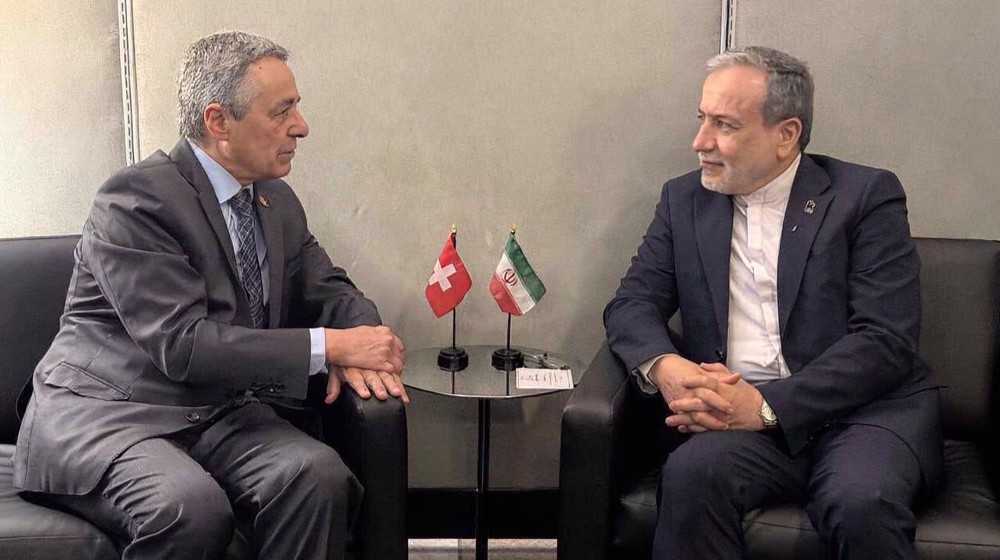
Araghchi urges world to hold US accountable for ‘war crimes’ at UNGA

‘Iron shield’: Knowledge, morality will ‘cut off’ hands of aggressors, Leader tells students
‘National dignity is our red line’: Iranian advisor warns enemies



VIDEO | Press TV's news headlines
VIDEO | Priests rally in Rome to honor Palestinian, Lebanese children murdered by Israel
Iran’s military warns of ‘unpredictable blows’ in response to US threats
VIDEO | US economic war on Iran
Iran FM meets with US envoy on UN meeting’s sidelines at American side’s insistence: Report
UN chief warns Israeli violence in West Bank raises ‘specter of ethnic cleansing’
VIDEO | ‘Korea gets nothing, loses everything, with Hormuz deployment’
Iran parliamentary commission approves penalties for violators of Hormuz laws


 PressTV NEWSLETTER
now
PressTV NEWSLETTER
now
 This makes it easy to access the Press TV website
