Qalibaf: No reopening of Hormuz until US meets Iran’s conditions
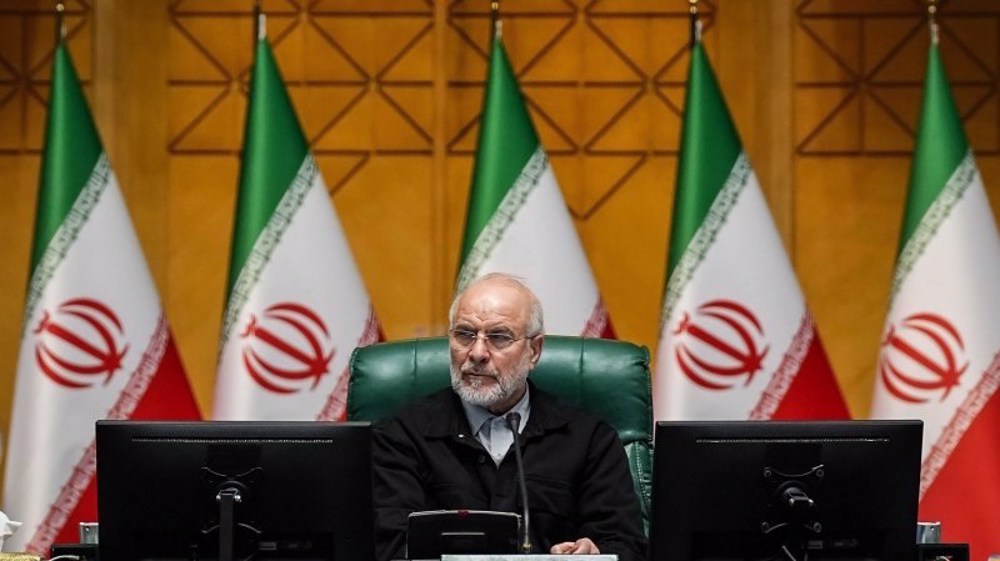
Iranian Parliament Speaker Mohammad Baqer Qalibaf says the Strait of Hormuz will remain closed until the United States recognizes the Islamic Republic’s rights and meets its conditions for ending the war.
He made the remarks during a parliamentary session on Sunday, commemorating the Sacred Defense Week, which marks the start of an eight-year war imposed on Iran in the 1980s by then-Iraqi dictator Saddam Hussein.
“Our messages have been conveyed clearly to the other side, and our conditions have been explained through mediators. The enemy knows full well that the path to deception and unilateral coercion is closed,” he said.
“Until these conditions are met, Iran’s legitimate rights are recognized, and the commitments made by the United States are fulfilled, there will be no prospect for returning to the previous negotiating framework and reopening the Strait of Hormuz.”
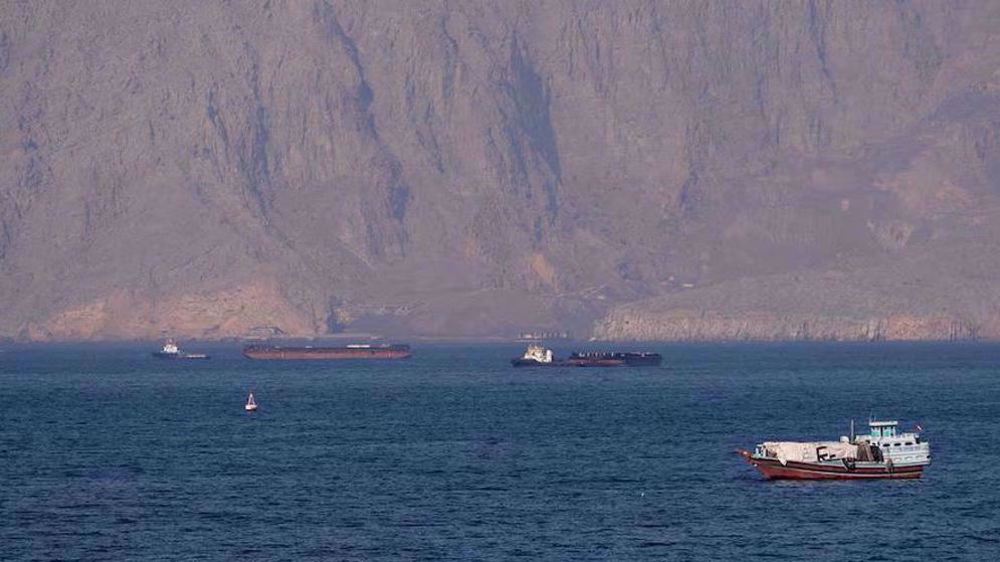
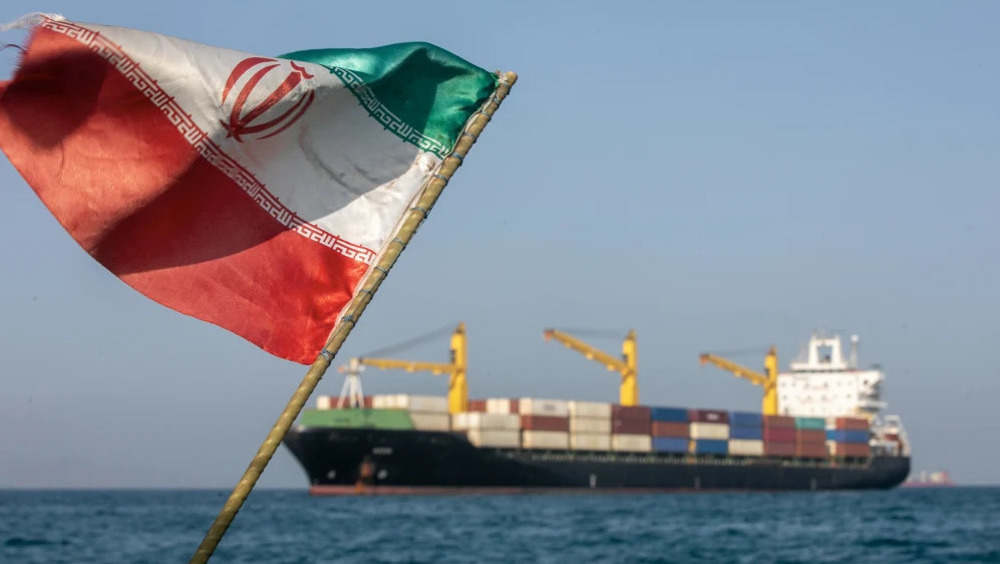
Iran restricted transit through the Strait of Hormuz, a strategic waterway responsible for a fifth of global oil demand, in response to the illegal US-Israeli aggression that began on February 28.
On June 17, Tehran and Washington signed the Pakistan-brokered Memorandum of Understanding (MoU), whose Article 5 places responsibility for reopening and managing the Strait squarely in Iran’s hands.
However, Washington attempted to undermine Iran’s sovereignty over the vital global energy chokepoint, resumed its airstrikes on Iran, and imposed a naval blockade in violation of the war-ending deal.
The unlawful US measures prompted Iran to declare the Strait of Hormuz closed to all traffic.
Qalibaf said that Iran’s strategy in dealing with the enemy could be summarized in strategic advancement and the imposition of the will of the nation.
He further highlighted two strategic miscalculations within the country’s political and intellectual circles that oversimplify the realities on the ground.
Both views, one of which advocates war and another surrender, serve the enemy’s objective of disrupting Iran’s unity, he added.
The top negotiator said, “We must fight rationally and from a position of strength, and negotiate with confidence and pragmatism when the time is right.”
“That means using our full military capabilities when necessary to push the enemy back and inflict serious blows on it. But once we have achieved significant gains on the battlefield and the enemy is weakened, we should use diplomacy to consolidate those gains, impose a defeat on the enemy, and strengthen the foundations of our national power until we reach a position of deterrence.”
Qalibaf emphasized that the old American order in West Asia has collapsed and that it is now up to the region’s Muslim countries to shape and implement a new order.
Top Iranian MP mocks US claims of fuel crisis, warns against miscalculation
Iran sets 7 conditions for US to escape war quagmire: Rezaei
China rejects unilateral sanctions as Trump signs bill targeting Russia, Iran



Iranian lawmakers push for NPT withdrawal, submit bill to Parliament's Presiding Board
Persian Gulf markets plunge as Yemeni forces strike Riyadh
VIDEO | Iran war will break America
Iran Open RoboCup brings together 700 teams and around 2,000 young robotics innovators
VIDEO | News Review: Trump’s move to ban several media outlets from WH draws condemnation
VIDEO | US uses threat of drug cartels to justify Venezuela invasion: Commentator
VIDEO | Police clash with far-right protesters in The Hague
How Iran turned US military and economic aggression into strategic leverage to dictate terms



 PressTV NEWSLETTER
now
PressTV NEWSLETTER
now
 This makes it easy to access the Press TV website
