Only 10% of Europeans see US as an ally as Trump drives trust to record low: Poll
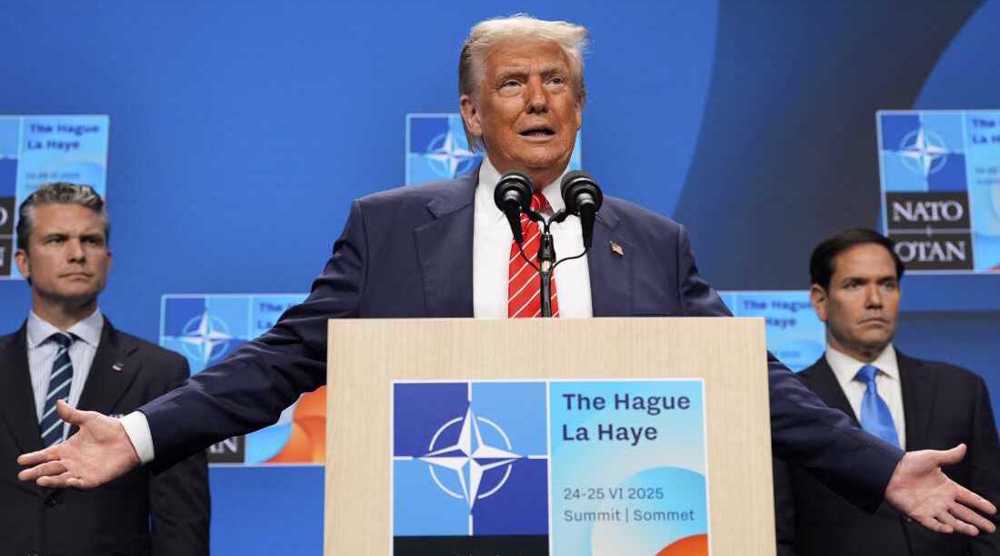
US President Donald Trump has driven European trust in Washington to an all-time low, with a survey showing that only one in 10 Europeans regard the United States as an ally.
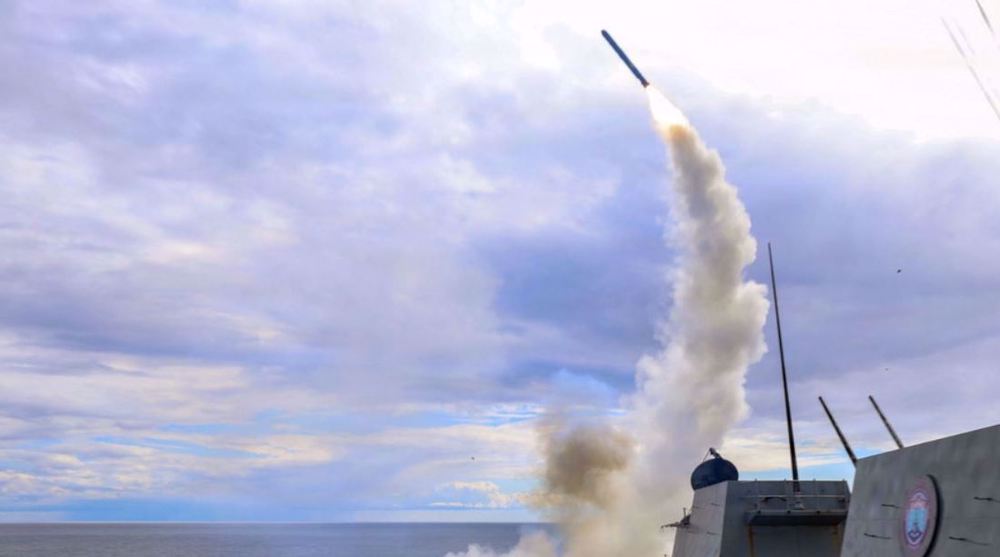
The survey, published by the European Council on Foreign Relations (ECFR) indicates that US military aggression in West Asia, threats against Greenland, threats to withdraw troops from US bases and skepticism on the future of NATO have prompted a growing European pragmatism.
The report also found widespread skepticism across the continent over whether the US would come to its defense in the event of a war.
It pointed to what researchers described as “deep European distrust” of Washington, with respondents increasingly viewing the US as a “necessary partner” rather than an ally sharing common interests and values.
According to the findings, only around 11% of respondents across 15 European countries described the US as an ally, down from 16% six months ago and 22% in November 2024.
Across all countries surveyed, a majority of respondents said they no longer trust the United States to come to their aid if they were attacked.
The poll, conducted in May across Austria, Bulgaria, Denmark, Estonia, France, Germany, Hungary, Italy, the Netherlands, Poland, Portugal, Spain, Sweden, Switzerland and the United Kingdom, also showed shifting attitudes towards European defense policy.
Researchers said growing uncertainty over US commitments was encouraging European leaders and publics to consider greater strategic autonomy, including increased military spending and reduced reliance on US military hardware.
“Across the continent, there is clear support for reducing dependence on Washington,” said Jana Kobzová, a senior policy fellow at ECFR and co-author of the report.
“Europeans are increasingly open to higher defense spending and show a striking degree of confidence that neighboring countries would come to their aid in a crisis,” she added.
Co-author Pawel Zerka said the findings reflected a growing political window for European leaders to accelerate efforts on defense cooperation and self-reliance.
The survey also found that, on average, 47% of respondents supported the idea of collective EU borrowing to fund higher military spending, while 35% opposed it.
Support for increased national military spending has also risen modestly, although opposition remains strong in several countries, including Italy, Austria, Germany, Spain and Denmark.
The poll, however, suggests that despite tensions, most respondents still believed relations between Europe and the US would improve once Trump leaves office.
The joint US–Israeli military aggression against Iran has raised concerns in Europe over energy security and price stability, as disruptions in the strategic Strait of Hormuz have contributed to instability in global oil and gas markets.
European Commission President Ursula von der Leyen recently said the consequences of this unprovoked war “may echo for months or even years to come.”
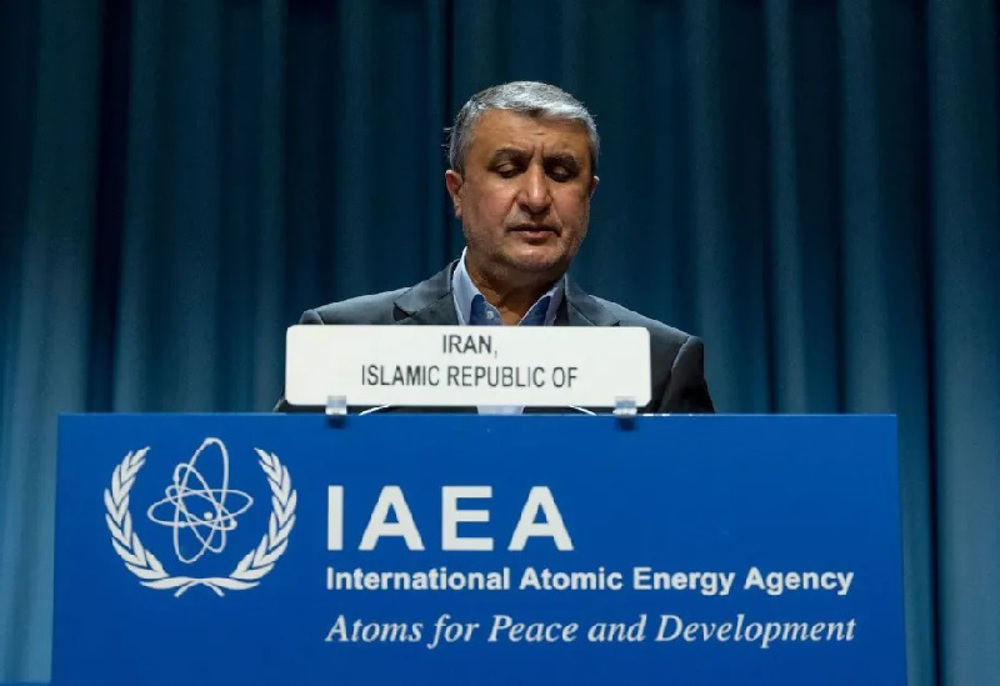
Iranian nuclear chief barred from IAEA conference
Irish, Scottish and Welsh leaders to meet to discuss UK break-up
Iraqi MP: US forces’ September 30 withdrawal certain; foreign troops no longer needed



VIDEO | Gaza journalists battle Israeli attacks, health crisis while documenting war
Israel blockade leaves 70% of Gaza hospital generators out of service: Health ministry
VIDEO | Press TV's news headlines
Pezeshkian hails 200 nights of rallies, reaffirms support for Iranian armed forces
Pezeshkian: Iran ready to resolve issues with neighbors through diplomacy
US narrative of pilot rescue ‘just fictional’: IRGC spokesman
Bodies recovered from Gaza rubble raise Israeli war crimes concerns: UN rights chief
VIDEO | Netanyahu’s wars drain Israeli economy



 PressTV NEWSLETTER
now
PressTV NEWSLETTER
now
 This makes it easy to access the Press TV website
