France, Germany scrap joint FCAS project amid uncertainty over US support for NATO
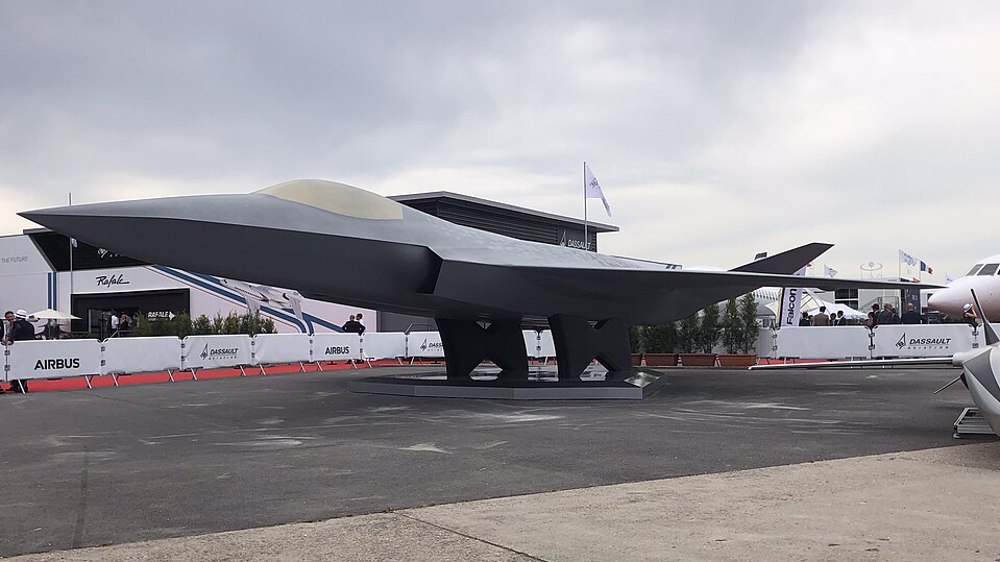
NATO allies France and Germany have scrapped their joint sixth-generation fighter jet project, dealing a major blow to European defense integration at a time of growing uncertainty over security commitments of the United States to the US-led military bloc.
France and Germany have formally abandoned the Future Combat Air System (FCAS), a flagship European project intended to develop a sixth-generation fighter jet to replace the French Rafale and the Eurofighter fleet operated by Germany, Spain, and others by around 2040.
The office of French President Emmanuel Macron confirmed the termination on Monday, saying efforts would now shift toward other European defense initiatives.
“The German authorities considered that it was not possible to put further pressure on the companies concerned,” the Elysee said in a statement.
“The French authorities will continue to encourage our companies and armed forces to explore ways and means of pursuing ambitious European projects that are consistent with our national security interests,” it added.
The program, launched in 2017 and later joined by Spain, was also planned to include advanced drones and a secure combat data cloud, with total costs estimated at about $116 billion.
The collapse follows a breakdown in cooperation between France’s Dassault Aviation and Airbus, which represented Germany and Spain, after the firms failed to agree on leadership and control of the project.
Rivalries between the companies were widely seen as a key factor in the failure of negotiations.
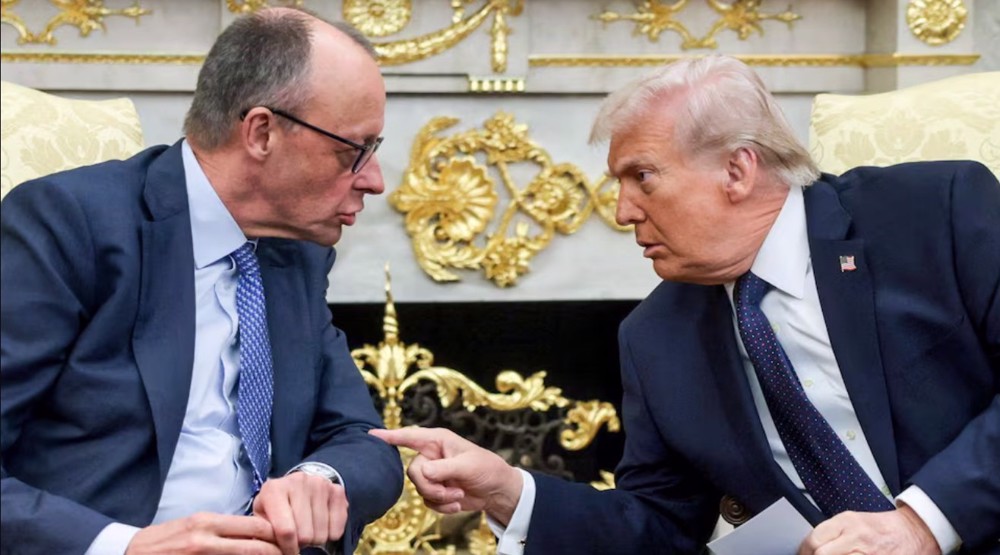
Despite repeated attempts by both Paris and Berlin to salvage the FCAS project, including discussions last week between Macron and German Chancellor Friedrich Merz, the program ultimately unraveled amid long-standing disagreements.
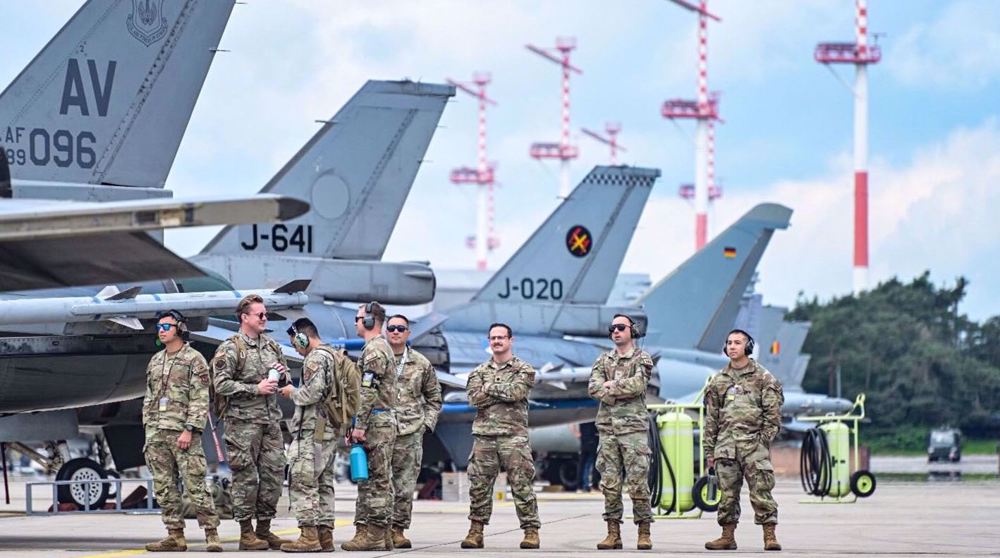
The failure underscores persistent difficulties in European Union defense cooperation, where industrial competition and national interests often clash with integration efforts.
The setback comes as European governments face renewed pressure to coordinate security policy more closely, especially amid uncertainty over the United States’ commitment to NATO under President Donald Trump.
Trump’s repeated questioning of NATO commitments, pressure on European allies to increase defense spending, and broader signals of a reduced US security role have intensified European concerns about strategic dependence.
His criticism has deepened in recent weeks amid European opposition to the US-Israeli unprovoked war of aggression on Iran, while his earlier threats toward NATO ally Denmark over Greenland have further alarmed European leaders.
Many in the EU fear that Washington’s shifting posture could weaken NATO cohesion, thus increasing urgency for Europe to develop independent military capabilities — efforts now complicated by the collapse of the FCAS program.
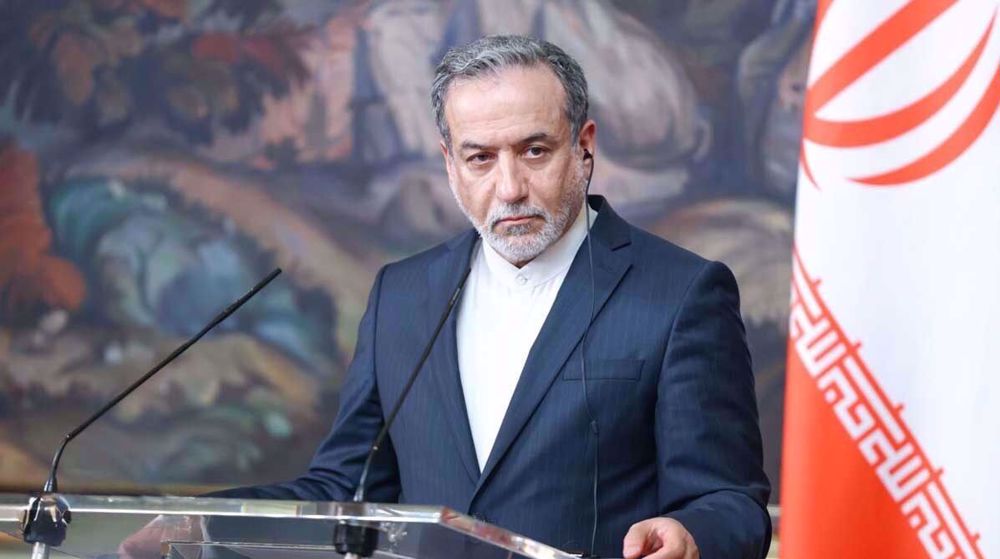
‘Stop your crocodile tears’: Araghchi hits back at French FM over human rights allegations

French broadcaster removes program replay after actress blasts Israeli genocide in Gaza
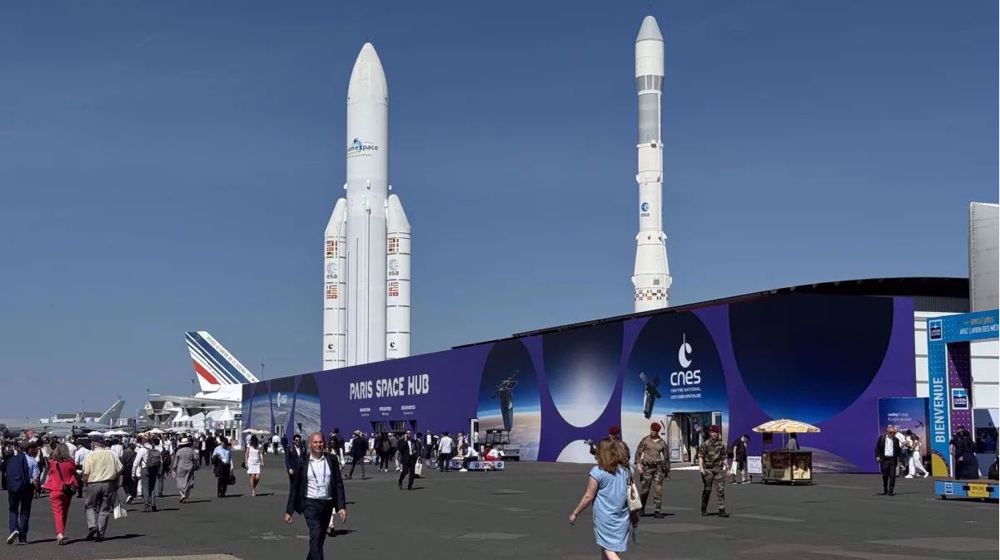
Trump pressure prompts four US space companies to ditch Macron’s Paris summit



VIDEO | Israeli siege forces Gaza hospitals to cut services
Grand Ayatollah Shobeiri Zanjani passes away at age of 98
Yemen pledges to escalate campaign to break Saudi blockade
VIDEO | Iran's warning to US, regional allies
Gaza health system nears collapse amid shortages and fuel crisis
Saudi Arabia bombs Yemen 760 times since escalating aggression
VIDEO | Press TV's news headlines
VIDEO | Saudi Arabia, UAE helping US, Israelis to fulfill their mission in region: Analyst



 PressTV NEWSLETTER
now
PressTV NEWSLETTER
now
 This makes it easy to access the Press TV website
