2026 FIFA World Cup: Asian and African teams 'offsided' in US even before kickoff
By Press TV Website Staff
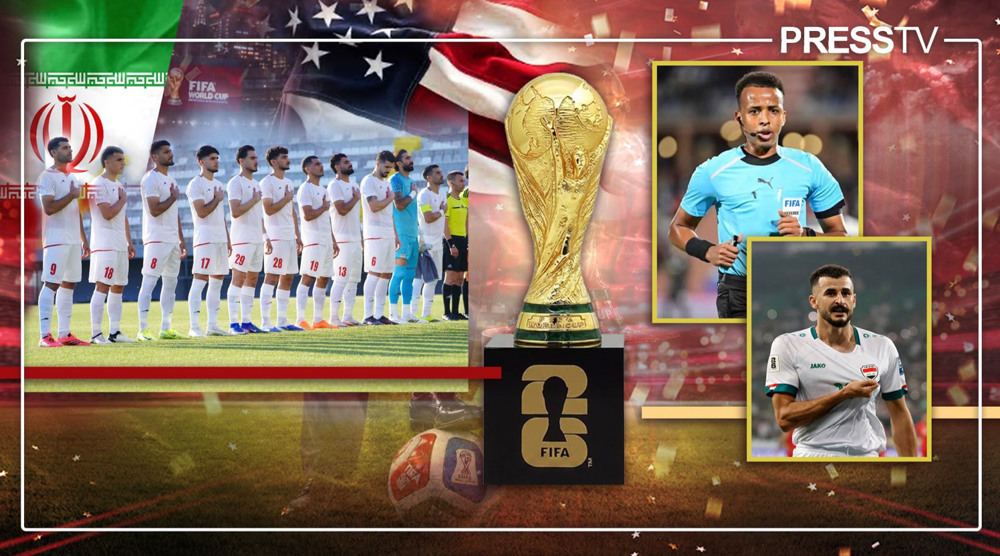
As the 2026 World Cup, co-hosted by the United States, Canada, and Mexico, prepares for kickoff in less than a week, a series of immigration and visa-related incidents involving Asian and African teams, match officials, and fans has raised serious questions about the US's capacity to serve as a neutral and welcoming host.
Over the past 48 hours alone, a disturbing pattern of visa delays, denials, and intrusive security procedures has emerged, disproportionately affecting teams from Muslim-majority Asian and African countries, and other teams outside the Western alliance system.
These incidents reflect systemic issues and policies that discriminate on the basis of nationality, race, and political affiliation, in violation of the spirit of the FIFA World Cup.
Swiss player faces visa delay
In the most recent case, Breel Embolo, a forward for the Swiss national team, had his visa placed under administrative review upon arrival in the United States.
The review process prevented him from joining his teammates for several days, disrupting his preparation for the tournament that will begin in less than a week.
While Embolo was eventually admitted, the delay imposed on a high-profile European footballer with no criminal or security background suggests inconsistent and unpredictable application of US entry procedures that go against the spirit of the gentleman’s game.
⚽ NEWS: Iran’s Football Federation slams abrupt US decision to cancel its ticket quota@presstvsports https://t.co/0j1Sw26njN
— Press TV Sports (@presstvsports) June 9, 2026
Iranian players and staff face discriminatory treatment
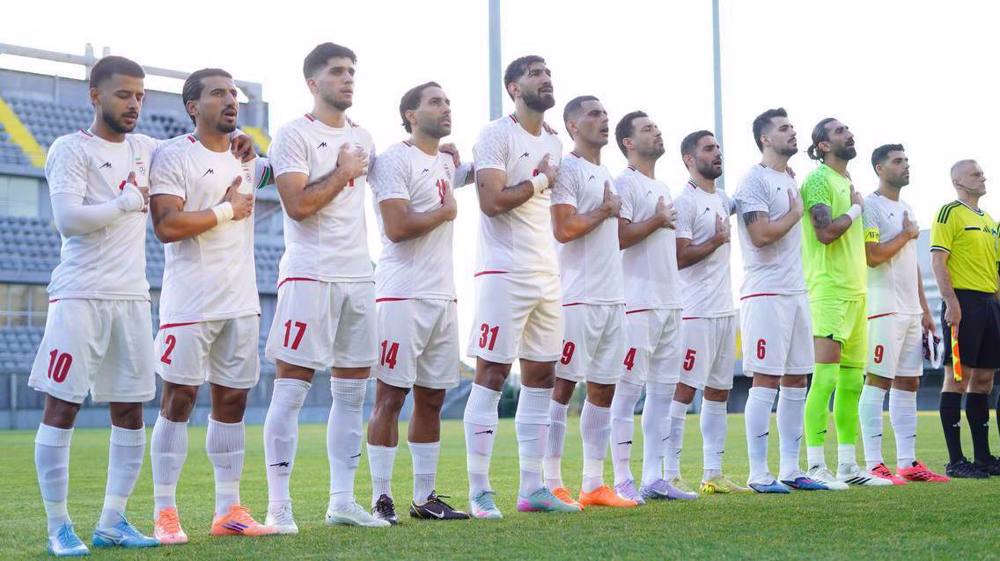
The Iranian national team faced even more severe difficulties. The delegation spent multiple days completing visa procedures at the US Consulate in Türkiye.
The team finally received the visa, but fifteen members of the Iranian delegation, including coaching and support staff and team manager Mohammad Nabi, were denied visas outright, forcing the team to operate with a reduced contingent.
More scandalously, Iranian players were granted entry only on match days, effectively preventing them from establishing a normal pre-tournament training schedule.
On Tuesday, with only three days left before the inauguration of the FIFA World Cup 2026, US authorities obstructed the presence of Iranian football fans at stadiums where Team Melli will play three matches in the group stage.
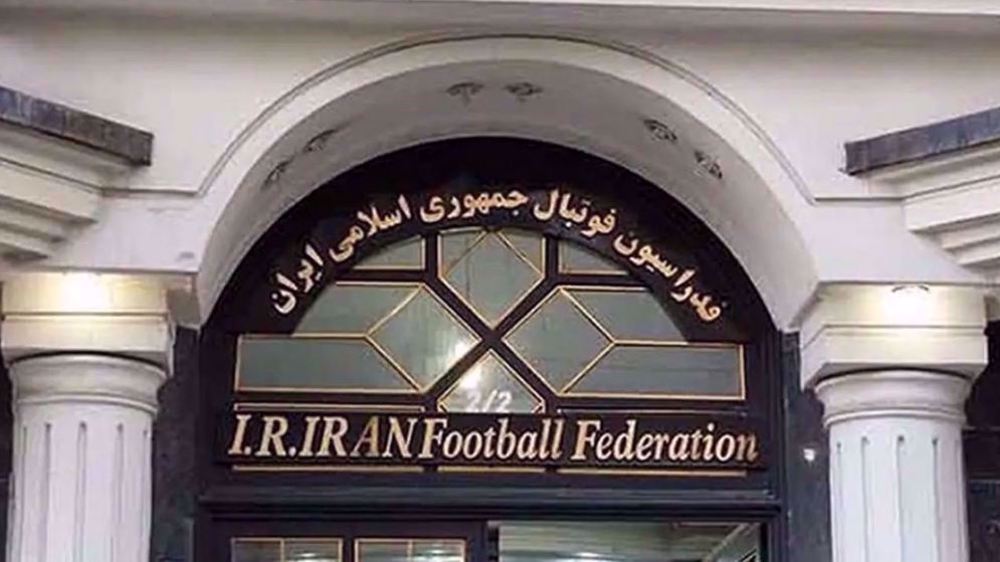
Iran’s football federation strongly condemned the abrupt decision by US authorities to cancel its ticket quota. According to the regulations and common procedures set by FIFA, 8 percent of the ticket capacity for each match is allocated to the federations.
⚽️ Iraq’s football star Aymen Hussein was detained and interrogated for seven hours upon arrival at Chicago O’Hare Airport with the national team.
— Press TV Sports (@presstvsports) June 7, 2026
He was later allowed entry, while team photographer Talal Salah was held for over 10 hours and ultimately deported.@presstvsports pic.twitter.com/j8CuSUOFrs
Iraqi team subjected to extended scrutiny
Aymen Hussein, a player for the Iraqi national team and the highest goal-scorer for the team, was detained and interrogated for nearly seven hours upon entry for questioning.
No formal charges or public justification for the extended detention were provided.
An official photographer for the Iraqi national team was also detained and interrogated for nearly 10 hours at the airport and eventually refused entry and forced to go back.
Top African referee denied entry
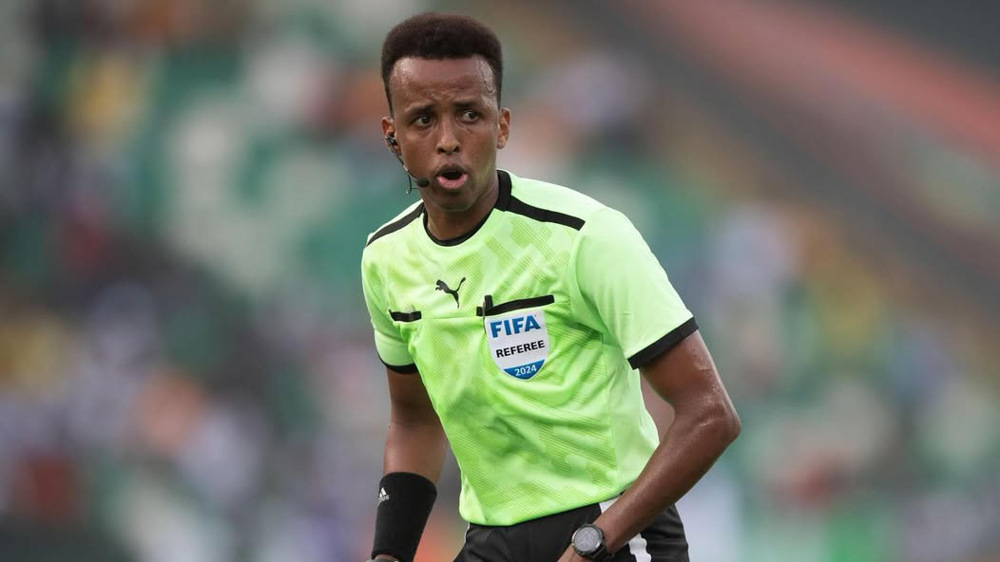
Omar Abdulkadir Artan, who was named CAF's Best African Referee of 2025, was denied entry to the United States despite traveling with a diplomatic passport.
Following his refusal at the Miami Airport, FIFA officially announced that Artan would not be permitted to officiate at the tournament, without providing any plausible explanation.
The rejection of a referee of his caliber, selected by FIFA as one of the world's best, has raised many questions about whether US entry policies are overriding the international sporting body's authority and judgment.
⚽️ Africa’s best referee denied entry to US despite being picked by FIFA for World Cup@presstvsports https://t.co/4hxqPAG79P
— Press TV Sports (@presstvsports) June 8, 2026
South African and Senegalese delegations face delays and invasive searches
The South African national team arrived in the United States significantly later than planned because a part of its delegation was not granted visas in time.
The unnecessary delays disrupted the team's preparation and travel logistics.
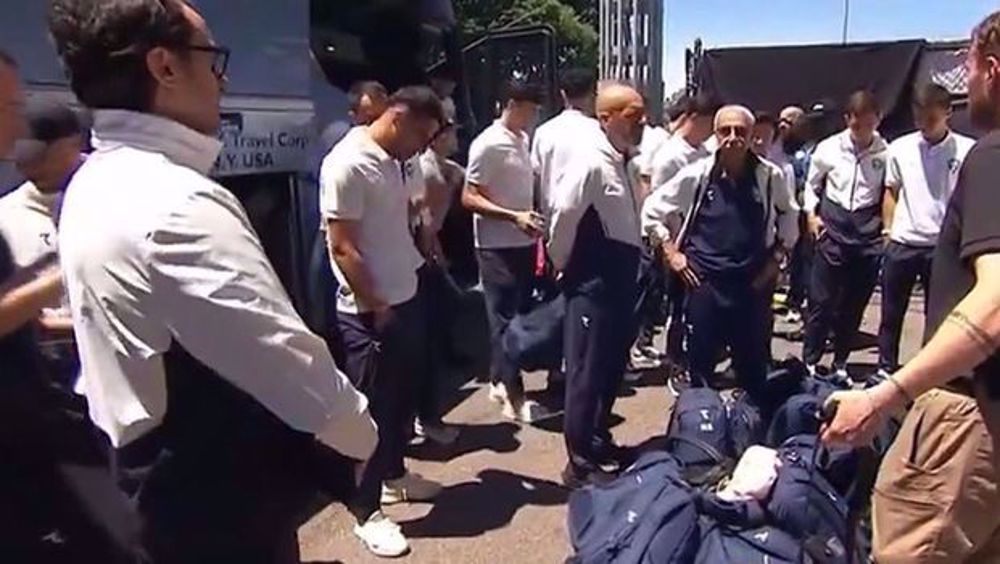
Members of the Senegalese national team staff were required to remove their shoes and clothes and submit to lengthy security searches upon entry.
Staff members and observers characterized these measures as excessive and discriminatory, particularly given that similar procedures were not visibly applied to European or North American delegations, sparking concerns of racial profiling.
Uzbekistan team searched with bomb-sniffing dogs
The Uzbekistan national team was subjected to extensive security screening that included bomb-sniffing dogs upon arrival in the United States, as videos showed.
Footage of the search circulated widely on social media, drawing scathing criticism for the treatment of a national delegation from a Central Asian country with no history of hostility toward the United States.
The use of explosive-detection canines on professional athletes and officials, absent any credible threat, has been cited as evidence of a security posture that presumes guilt based on national origin and goes against the spirit of the World Cup.
⚽️ World Cup in US: Uzbekistan, Senegal teams undergo sniffer dog searches@presstvsports #WorldCup2026https://t.co/JfV5t85J9V
— Press TV Sports (@presstvsports) June 9, 2026
Scottish supporters denied entry under ESTA program
Several Scottish supporters who were eligible to enter the United States without a visa under the ESTA (Electronic System for Travel Authorization) program had their travel authorizations revoked just days before departure.
These revocations occurred after the supporters had already purchased match tickets and booked accommodation, resulting in significant financial losses.
No public explanation for the revocations has been provided so far.
Widespread visa rejections for ticket-holding fans
Across multiple countries, fans who had purchased World Cup tickets and arranged travel were notified that their US visa applications had been rejected.
Most Moroccan fans who had already purchased expensive tickets for their national team’s matches in the US had their visa applications denied, costing them huge amounts of money.
In many cases, these rejections came after non-refundable expenses had been incurred.
The absence of a transparent or expedited appeal process for sporting events has left thousands of supporters unable to attend a tournament for which they had already paid.
⚽️ Growing backlash over US visa issues ahead of the 2026 World Cup
— Press TV Sports (@presstvsports) June 7, 2026
Iran’s embassy in Sierra Leone slammed Washington after several members of Iran’s football delegation were denied visas, calling it “shameful” that FIFA awarded hosting rights to US.@presstvsports pic.twitter.com/heAHJnn0rZ
Systemic issues in US hosting capacity
The pattern of incidents over the past 48 hours points to several structural problems with the United States as a main World Cup host, angering football fans across the world.
First, US visa and border policies do not distinguish adequately between ordinary travelers and accredited participants in major international sporting events.
Despite FIFA's credentialing systems and the diplomatic status of football delegates, US authorities have repeatedly overridden these protocols.
Second, there is a demonstrable disparity in how teams from different regions are treated. European delegations have not reported delays, denials, or intrusive searches. Teams from Muslim-majority nations (Iran, Iraq), African nations (Senegal, South Africa), and Central Asia (Uzbekistan) have borne the brunt of the most severe, discriminatory measures.
Third, the denial of entry to someone like Artan, a FIFA-selected referee traveling on a diplomatic passport, suggests that US border authorities are willing to contradict FIFA's own rules and judgments, undermining the tournament's integrity.
Finally, the financial harm inflicted on fans whose visas were rejected after purchasing tickets and accommodation indicates a lack of coordination between US immigration authorities and FIFA's ticketing and logistics systems.
Iran claim basketball bronze at 2026 Asian Games, win delegation’s first medal
Barzegari’s silver lifts Iran to five medals at 2026 World Poomsae Championships

Iran tops Asian Youth Karate Championships with 31-medal haul



US aggression, economic warfare amount to crimes against humanity: Iran's UN envoy
Protests erupt in US as ICE agent shoots Venezuelan driver
US pressure fuels cooperation among Muslim states: Pezeshkian
Major TV networks suspend White House pool coverage after Trump ban
US visa ban on Palestinian UN delegation violates international agreements: Hamas
VIDEO | Press TV's news headlines
Iran calls on France to respect law after suspending French cultural institute in Tehran
Israel lobby no longer shy about its grip on US policy on Iran: Araghchi


 PressTV NEWSLETTER
now
PressTV NEWSLETTER
now
 This makes it easy to access the Press TV website
