US-Israeli retreat from bombing Beirut suburb after Iran's warning marks their greatest humiliation
By Ali Hammoud
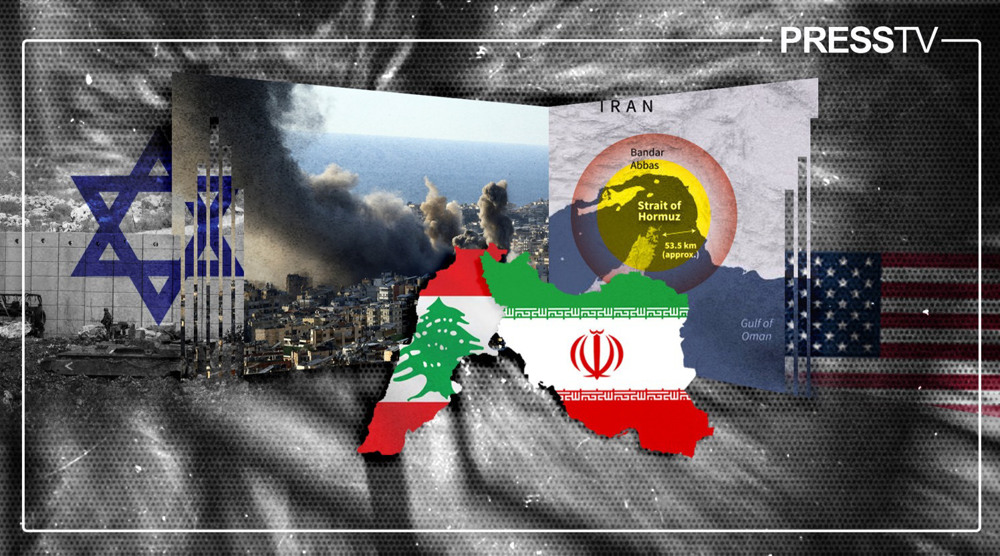
The targets were marked, the coordinates were locked, and the US president had approved what was supposed to be a large-scale attack.
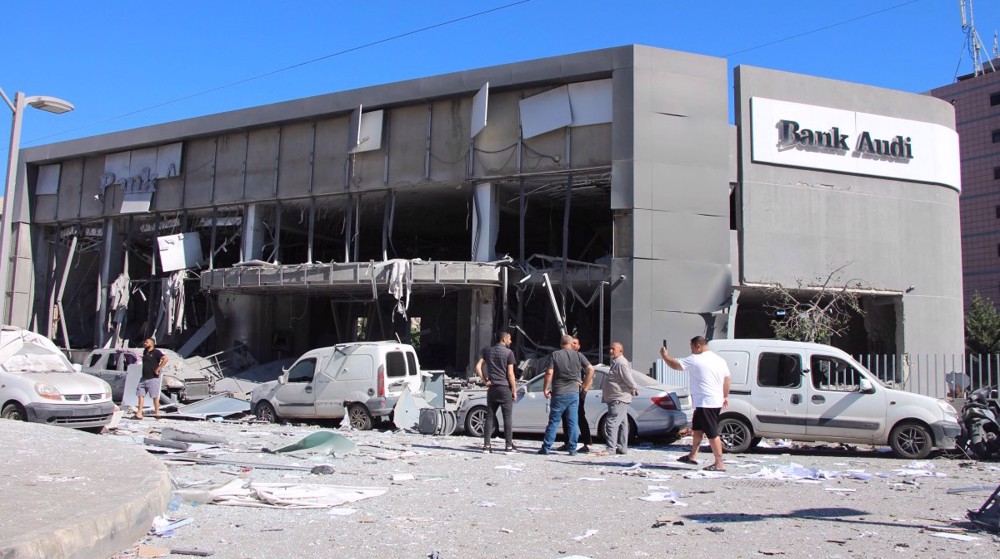
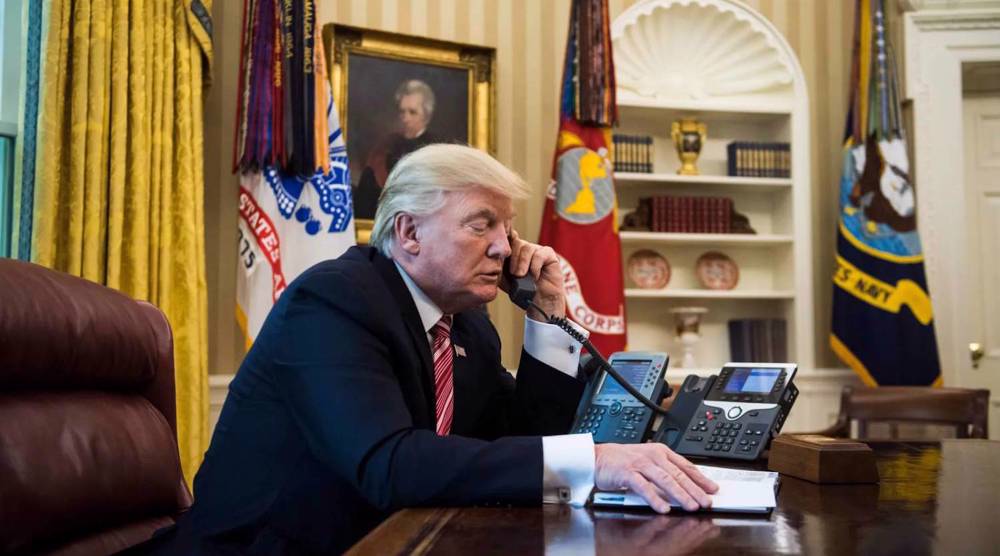
Donald Trump had personally greenlit the act of aggression against Beirut’s southern suburb, Dahiyeh, the kind of blow meant to decapitate the resistance and shatter people’s morale.
Suddenly, leaks to American and Israeli media were uncovered, preparing the public for a classic cover story: an enraged Trump “yelling at a crazy Netanyahu,” supposedly forcing him to stand down out of pure presidential fury.
It was a play scripted to make Washington look like a peacemaker restraining its rogue ally.
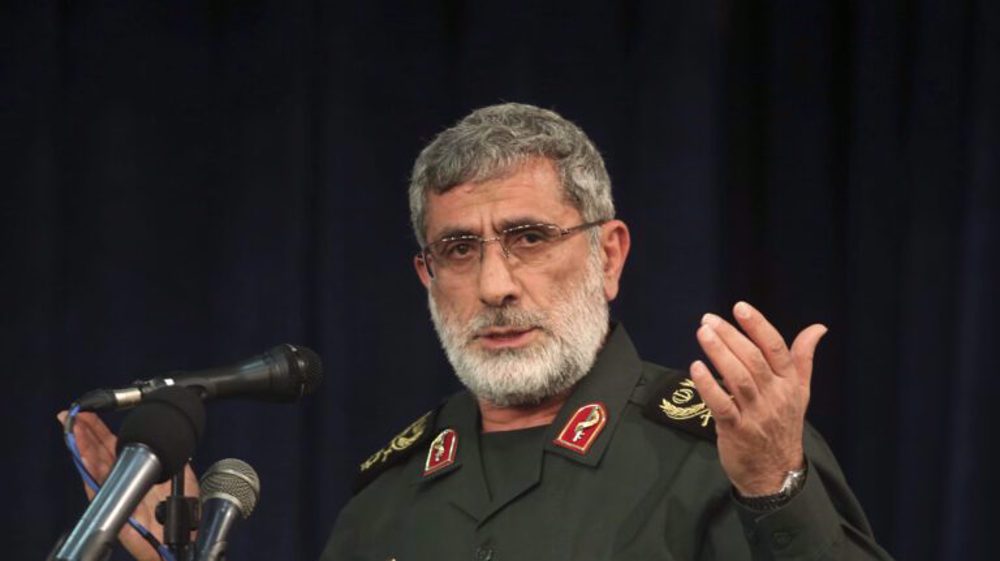
Then reality struck. Iran did not issue a press release but a battle order. The message was clear: if Dahiyeh burns, northern occupied Palestine will burn too, and the fire may not stop there.
Within hours, Trump’s approval evaporated and the strike was cancelled. The great “freeze on Dahiyeh” was not a diplomatic breakthrough but a humiliating retreat.
This theatrical climbdown marks one of the most profound strategic humiliations the United States and Israel have suffered in years. A so-called “superpower” president was forced to swallow a direct threat, call off an operation, and then pretend it was his idea.
Right now, the White House falsely believes its economic war on Iran – the illegal and crippling sanctions, the naval blockade, the systematic strangulation of Iran’s economy – is more fruitful. A direct Iranian strike on northern occupied territories would have forced the US war machine to intervene militarily, setting the region ablaze and instantly destroying the expected “fruits” of that economic pressure campaign.
However, Washington has not canceled the option of another military aggression against Iran; it has just placed it on the shelf, waiting for more favorable circumstances. So do not mistake retreat for peace. Trump backed off from Dahiyeh not out of mercy, but to protect the siege. The bombs were put on hold so the blockade could keep tightening without interruption.
Yet as the dust settled on this humiliation, a coordinated campaign erupted, flooding social media and creeping through displaced communities, all pushing the same loaded question: Where was Iran? Why did Tehran move heaven and earth to shield Dahiyeh yet stand by as the South Lebanon burns?
✍️ Analysis: Israeli escalation in Lebanon and US adventurism in Persian Gulf test Iran's ceasefire red lines
— Press TV 🔻 (@PressTV) June 1, 2026
By Press TV Strategic Analysis Deskhttps://t.co/StXHpttO4C pic.twitter.com/KHsbbkfYMl
This is not the spontaneous anguish of the bereaved but a deliberate psychological operation, manufactured to drive a wedge between the Lebanese people and the only power standing with them.
The answer to this manufactured doubt demands the kind of honesty that shatters propaganda.
First, the official Lebanese position tied Iran’s hands from the very beginning. Tehran pushed for a comprehensive ceasefire covering all of Lebanon from the very first hours of its indirect talks with the US. The obstacle was not Iranian hesitation but the Lebanese president and the government, who worked actively to prevent a total halt to hostilities. You cannot demand that Iran alone achieve what Lebanese officials themselves sabotaged.
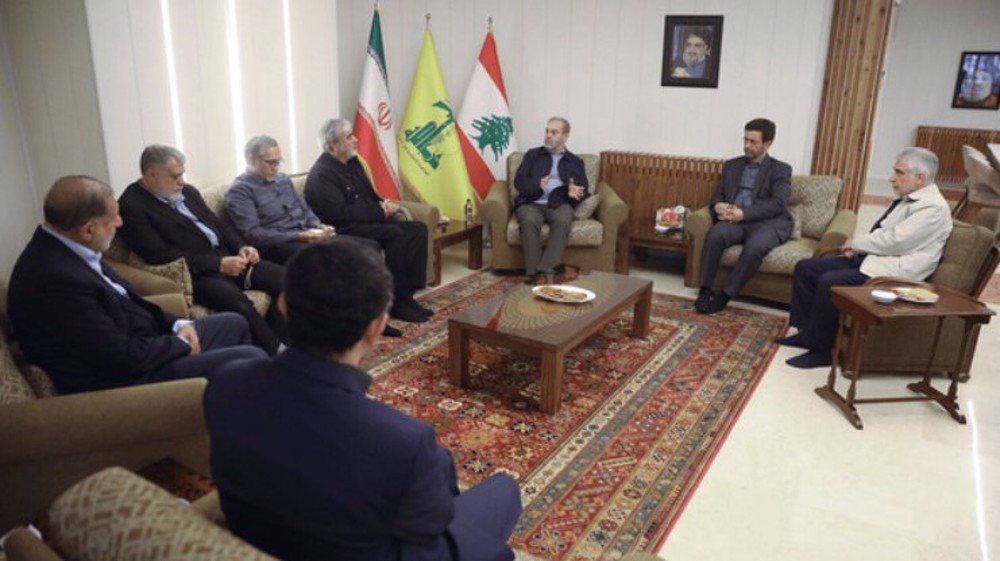
Second, Iran is fighting with its sharpest and quietest weapon: diplomacy. Behind closed doors, Tehran is waging the fiercest diplomatic battle imaginable. It has placed a comprehensive ceasefire in the region, especially in Lebanon, as the first article in its indirect talks with the US, refusing a single concession until the bombing of Lebanon stops.
Third, and perhaps most telling of all, Iran has quite literally linked the opening of the world’s most vital oil artery to a definitive ceasefire in Lebanon. The Strait of Hormuz has been shut since the third imposed war on Iran began, a chokehold on global energy that Tehran refuses to loosen. The condition for reopening is unambiguous: a strong, full, and true ceasefire must be declared in Lebanon.
Iran is holding the global economy’s lifeline, not merely for its own direct gain, but to force the West to stop the bloodshed in South Lebanon. That single fact speaks louder than any airstrike ever could about where Lebanon stands in Tehran’s calculus.
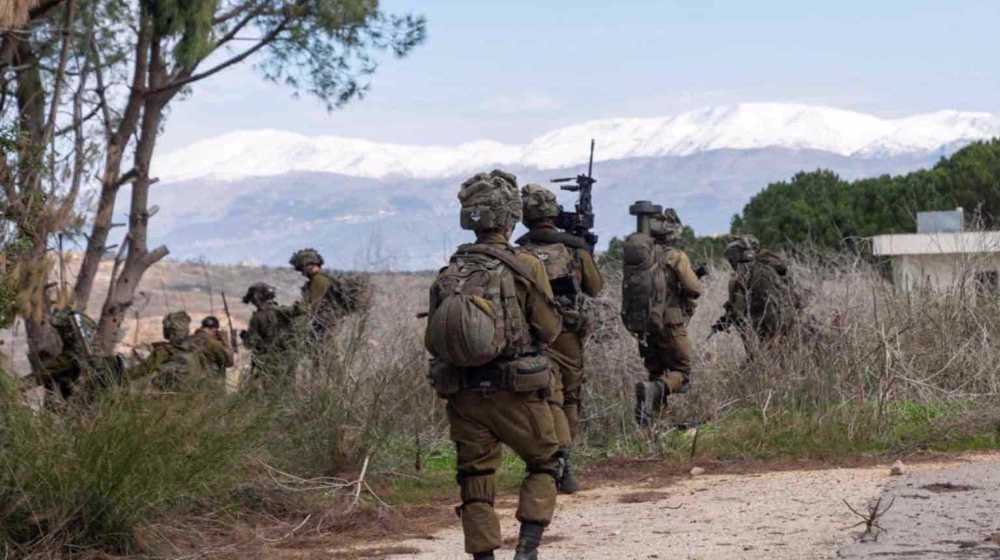
Fourth, look at the battlefield results and ask yourself whether this is a front that has been abandoned. Israel is walking into a meat grinder of its own making. Fiber-optic drones, invisible to radar and immune to jamming, hunt Israeli troops and armors daily. The enemy’s own officers admit they have no solution.
✍️ Analysis - Beirut retreat: Credible Iranian deterrence ends US-Israeli impunity to escalate unchecked
— Press TV 🔻 (@PressTV) June 2, 2026
By Press TV Strategic Analysis Deskhttps://t.co/S154GN9KYJ
Two hundred and eighty-six Merkavas have been reduced to charred steel. Every new soldier Israel pushes into South Lebanon becomes another target. This is not an army racing toward victory but an army expanding its own graveyard.
The South’s resilience is living proof that the axis strategy – local empowerment, technological adaptation – is working. Iran does not need to fire missiles to demonstrate commitment when the South is already thwarting the most advanced ground invasion the world has ever seen.
Fifth, the formula now in place is deliberate and devastatingly effective: a strike on Dahiyeh triggers an Iranian response; the bombing of the South triggers Hezbollah’s retaliation against the occupied north. This division of labor is not abandonment but a calibrated chain of deterrence that has already been tested.
The enemy tried to break it and failed. Even the Lebanese president tried to outmaneuver it and failed. The South’s agony is answered by fire on northern settlements, and the enemy’s command knows that widening the war on Beirut brings Iran’s weight directly onto the scales.
Trump’s blinking over Dahiyeh is proof that the new rules of engagement set by Iran and Hezbollah are working. A dying “superpower” that could flatten cities was reduced to canceling a strike and marketing the climbdown as diplomacy.
The South’s unbroken resistance has been expanding the enemy’s graveyard day after day. The question “Where is Iran?” will be answered fully when historians write that the South held, not despite Tehran’s strategy, but because of it.
Until that day, the humiliation of the Empire offers a truth the rubble cannot erase: the biggest bombs in the world can still be stopped by the mere possibility of a determined response.
Ali Hammoud is a Lebanese writer and researcher.
(The views expressed in this article do not necessarily reflect those of Press TV)
IRGC intelligence forces eliminate two terrorists in southeast Iran
‘Nightmare for enemies’: Iran launches mass ‘Sacrifice for Iran’ drill
IRGC Navy strikes Togo-flagged tanker after illegal attempt to transit Strait of Hormuz



Iran, Pakistan FMs discuss regional developments, energy supplies
VIDEO | Black smoke, flames rise near Riyadh airport amin Yemen strikes
VIDEO | Hundreds of thousands of people in Tehran attend rally, parade dubbed 'Sacrifice for Iran'
Remembering Sabra and Shatila massacre: Why memory is the ultimate shield against erasure
Syria’s HTS declines Saudi bid for militants against Yemeni forces: Report
VIDEO | Pentagon criticized for failing to release real number of US troops casualties
Araghchi: Military intervention cannot create security; coercion cannot bring peace
VIDEO | US president using Greenland as foreign policy success


 PressTV NEWSLETTER
now
PressTV NEWSLETTER
now
 This makes it easy to access the Press TV website
