Iraqi resistance groups caused collision of US KC-135 tankers during war on Iran: Report
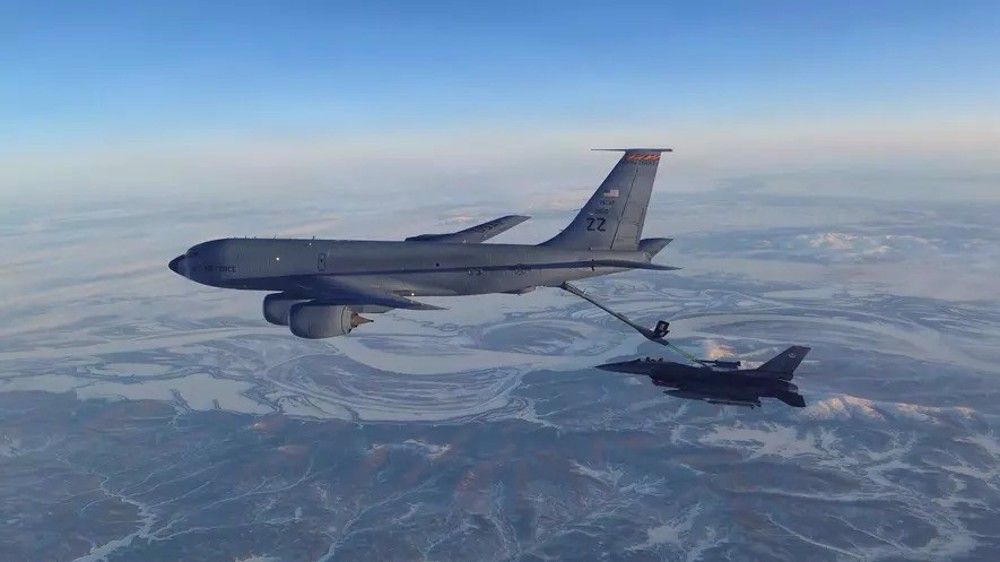
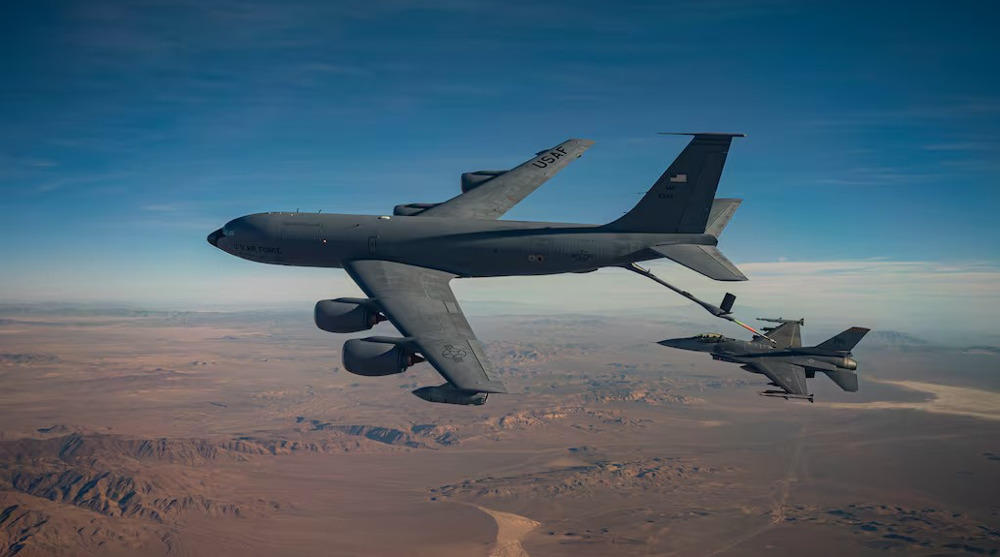
Iraqi resistance groups caused the collision of two KC-135 Stratotankers on Iraqi airspace during the recent US-Israeli aggression against Iran, a report says.
A report published by the news outlet the Atlantic on Wednesday said the collision of two US KC-135 Stratotankers over Iraqi airspace on March 12, 2026 during the US-Israeli aggression against Iran, which resulted in the destruction of the one of the tankers and the death of six crewmen, was not an accident as the Pentagon had claimed, but the result of Iraqi resistance groups firing on the aircrafts.
US Central Command (CENTCOM) was aware that Iraqi resistance group had fired ground-to-air missiles forcing the aircrafts to take evasive actions but decided to ignore this fact in favor more highly classified information that considered the incident the result of human error, the report explained.
Soon after the crash, a coalition of Iraqi resistance groups known as the Islamic Resistance in Iraq, which includes Kata’ib Hezbollah, took responsibility, saying that it had used "appropriate weaponry" to shoot down the tanker "in defense of our country's sovereignty and its airspace violated by the aircraft of the occupation forces."
CENTCOM’s quick and definitive public assessment of the incident, despite intelligence suggesting a more complicated picture, fits a Trump-administration pattern of omitting from its public statements important details about the conduct of the aggression against Iran, according to the report.
“Senior officials have trumpeted military successes—two days before the crash, Secretary of Defense Pete Hegseth said the US had ‘total air dominance,’ and have downplayed the resilience of Iranian armed forces” and Islamic resistance movements across West Asia, the report said.
The contrasting accounts of what preceded the crash point to the confusion of a crowded battlefield, as well as to the “serious threat” that Iranian armed forces and Islamic resistance movements pose to the US and Israeli war efforts, the report emphasized.
According to the report, Islamic resistance groups remain a “potent force” as they have “pounded US facilities across Iraq with relentless rocket and drone attacks since the war began, forcing a near-total evacuation of the US embassy in Baghdad.”
Islamic resistance groups possess advanced arsenals, including ballistic missiles and anti-aircraft weapons, the report added.
During the aggression, “they struck US sites in Iraq more than 600 times with drone and missile attacks, and their targets have included bases, diplomatic facilities, and aircraft on the ground,” it noted.
Iraqi resistance movements have forced the US to expend costly air-defense munitions to protect personnel and facilities, the report further stated.
The report also pointed to rifts within the US ruling system, citing contradictorily remarks about depletion of munitions.
“Hegseth and General John Daniel Caine, chairman of the Joint Chiefs of Staff, have publicly minimized any concerns about the depletion of US munitions but not everyone in the administration trusts those assurances. In White House meetings, Vice President Vance has repeatedly questioned the Pentagon about the accuracy of such claims,” the report noted.
According to several US officials, the tankers were on a mission that involved refueling Israeli aircraft. Both CENTCOM and the Israel armed forces declined to comment, the report concluded.
The criminal US-Israeli aggression against Iran began on February 28 with airstrikes that assassinated senior Iranian officials and commanders, including Leader of the Islamic Revolution Ayatollah Seyyed Ali Khamenei.
Iranian armed forces and Islamic resistance movements across the regions responded by launching daily missile and drone operations targeting locations in the Israeli-occupied territories as well as US military bases and assets across the region.
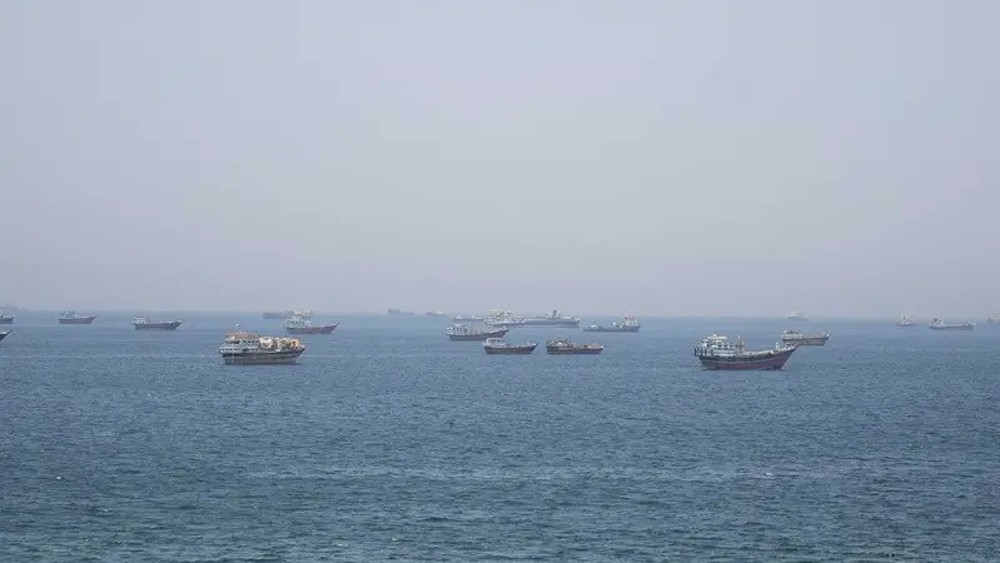
Furthermore, Iran retaliated against the strikes by closing the Strait of Hormuz, which resulted in a significant increase in oil prices and its by-products.
US uses commercial ships in Strait of Hormuz for military purposes: Iran
Iran deputy speaker warns Ukraine of ‘regret-inducing’ response to any mischief
Iran says ‘will not allow’ US to dictate timing of war and peace



Russia warns Ukraine expanding 'terrorist activities' beyond Europe
Israel kills four more Palestinians in Gaza, steps up West Bank raids
Canadian travel to US falls 25% amid Trump tariffs, '51st state' remarks
Yemen vows relentless strikes on Saudi Arabia until siege lifted
No Hormuz passage for those taking payouts from Iran’s frozen assets: Top military command
Iranian women have given new meaning to womanhood through their active role amid war: Alamolhoda
VIDEO | As unified as Axis of Resistance
Karim Khan’s ouster tied to Netanyahu arrest warrant lays bare Western manipulation of ICC




 PressTV NEWSLETTER
now
PressTV NEWSLETTER
now
 This makes it easy to access the Press TV website
