Bahraini regime seeks to dismantle Shia social fabric with war-related crackdown: Lawyer
By Press TV Website Staff
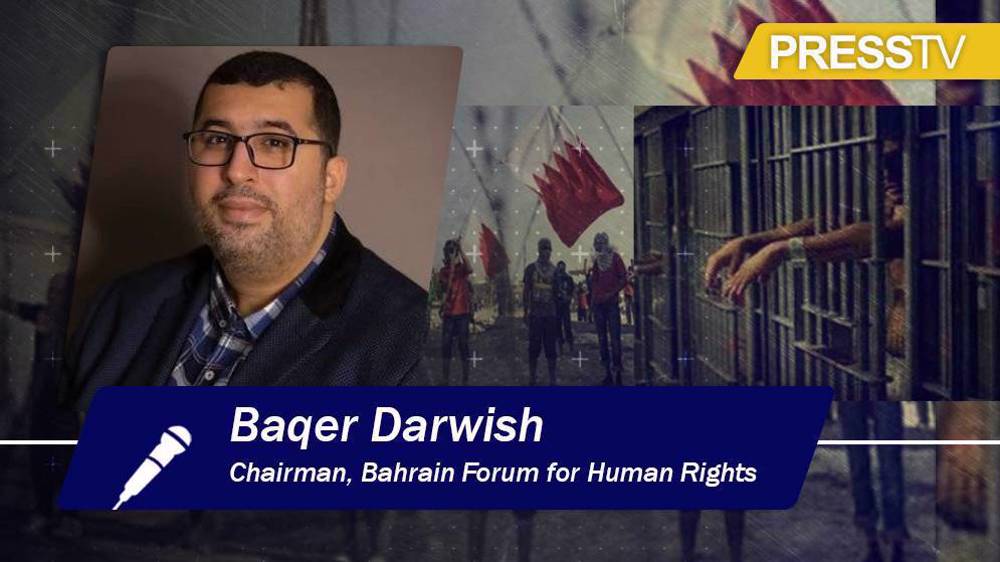
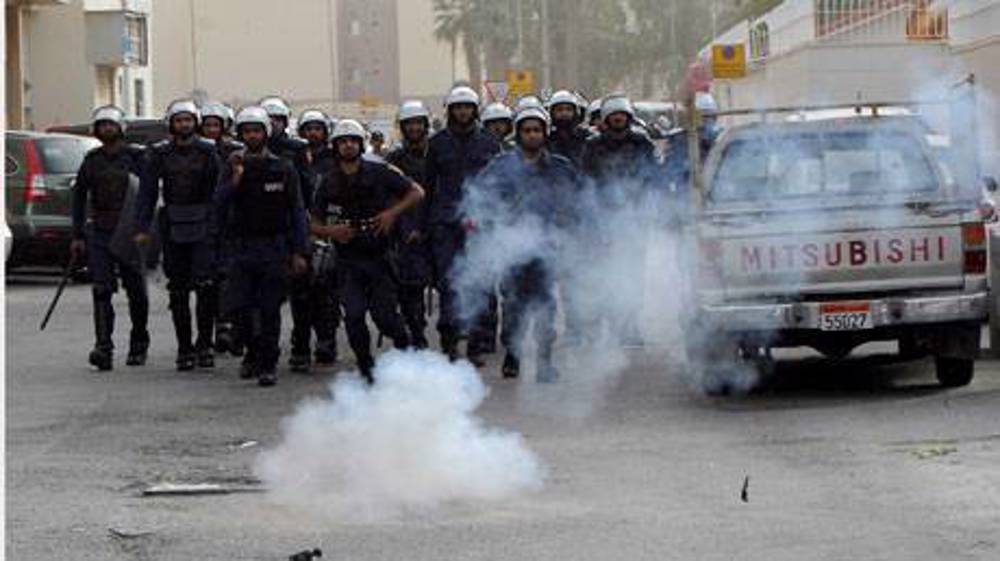
As the Al Khalifa regime in Bahrain intensifies its crackdown on Shia citizens following the recent US-Israeli war against Iran, a human rights lawyer says the campaign goes far beyond punishing dissent as it aims to dismantle an entire community's religious and social infrastructure.
Speaking in an interview with the Press TV website, Baqer Darwish, Chairman of Bahrain Forum for Human Rights, noted that Manama has launched a systematic campaign against the Arab country's Shia community.
"The current government strategy appears to be the systematic uprooting of the Shia community's social and institutional foundations," he said.
Darwish described a sweeping campaign that began with the launch of US-Israeli aggression against Iran in late February and has continued even after the fragile ceasefire in April.
More than 200 individuals have been detained, he said, including Sayed Mohammad al-Mousawi, a torture victim killed under torture following accusations of sympathizing with Iran.
Citizens who posted video content on social media condemning the unprovoked and illegal war against Iran were arrested and subjected to "politically motivated trials, resulting in the issuance of malicious sentences," added the lawyer.
But the most dramatic escalation came after the truce, according to Darwish. Following the UAE's announcement of a "terror cell"—which Darwish dismisses as "a staged fabrication with baseless allegations"—Bahraini authorities conducted a wave of arrests in a single day, targeting more than 40 Shia religious scholars.
Bahrain reportedly handed prison sentences of up to 10 years to a number of people charged with supporting Iran's retaliatory attacks against US positions in the Persian Gulf country.
— Press TV 🔻 (@PressTV) May 12, 2026
Follow: https://t.co/mLGcUTS2ei pic.twitter.com/dqcHppozzG
Among those detained were seminary lecturers, senior clerics, directors of religious institutions, and the official representatives of the supreme religious authorities in the holy cities of Najaf and Qom.
The targets reveal the scope of the campaign. "By targeting religious seminaries, funeral processions (Mo'wakib), social organizations, and even kindergartens, the authorities seek to dismantle any sphere of independent Shia activity," Darwish pointed out.
The ultimate objective, he added, is to "engineer a new sectarian landscape that serves the state's political interests by stripping religious affairs of the independence guaranteed under international law."
Darwish framed the crackdown as an existential threat. "This campaign represents an existential threat to the entire Shia component of Bahraini society," he highlighted.
One objective of the crackdown, Darwish noted, is retaliation for the Shia community's refusal to support Bahrain's official involvement in the war, specifically the lack of public endorsement for logistical support provided to US military bases during the war against Iran.
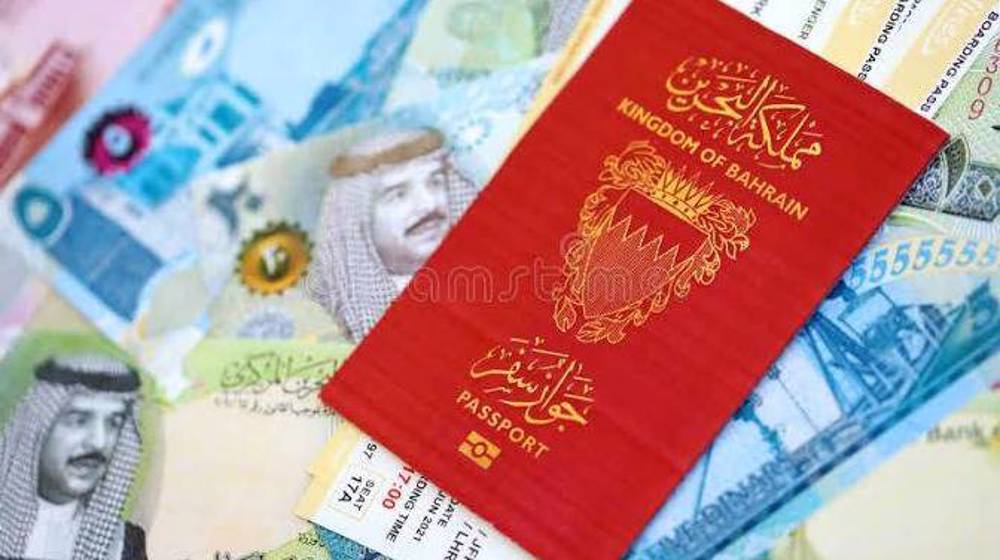
Last month, Bahraini authorities revoked the citizenship of 69 nationals, including clerics, social activists, women, men, and even infants. The Interior Ministry accused them of "expressing support for Iran (retaliatory) attacks" against American and Israeli military assets.
Bahrain, home to the US Fifth Naval Fleet, allowed the United States and Israel to use its soil and airspace to launch attacks against Iran during the war that began on February 28 and halted on April 8 with a ceasefire that remains fragile.
Bahraini scholars have called on Islamic authorities and organizations worldwide to intervene amid the ruling regime’s crackdown on the country’s Shia community. pic.twitter.com/0h26XmvdxN
— Press TV 🔻 (@PressTV) May 17, 2026
Public sentiment in Bahrain runs counter to the government's position, according to Darwish.
"The Bahraini people believe that Iran acted within its legitimate right to self-defense under international humanitarian law," he noted.
Moreover, Bahrainis demand the withdrawal of US military forces from Bahrain and the closure of the US Fifth Fleet, "which is being utilized to launch aggression against a neighboring Muslim country and to sustain political tyranny in the region."
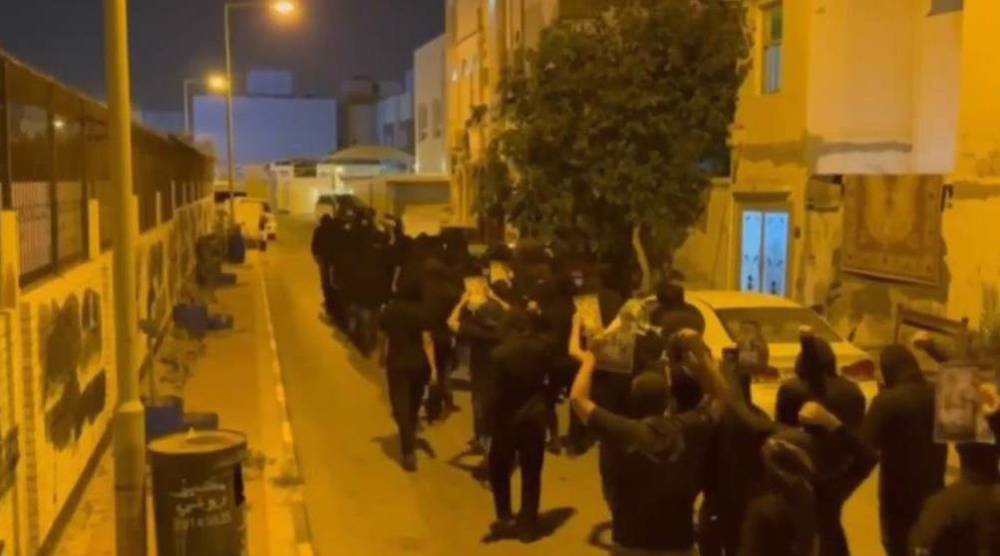
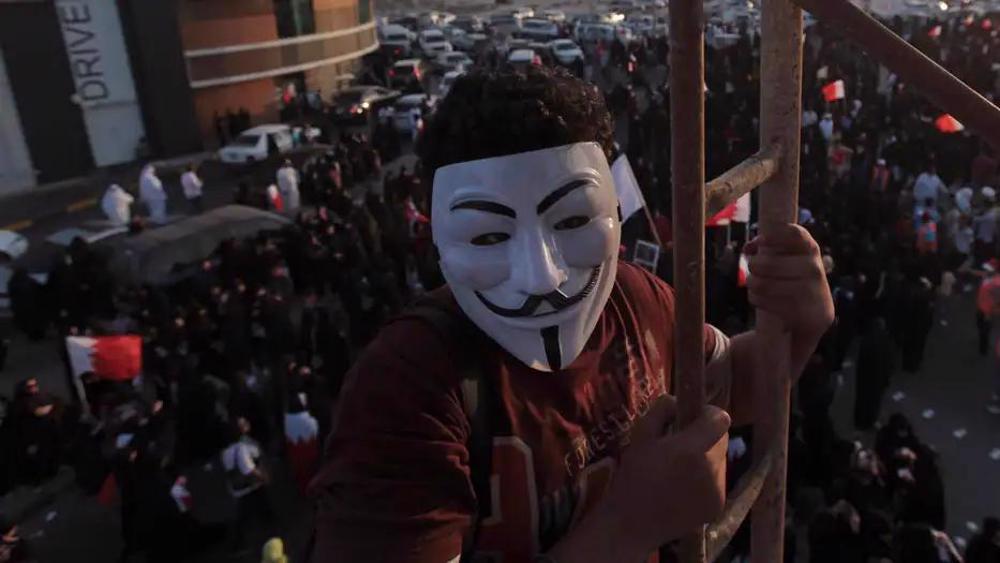
Nationwide protests erupted on Saturday in Sitra, Bilad al-Qadeem, Maqabah, Sanabis, Abu Saiba, and Bani Jamra, with participants condemning the suppression of Shia ceremonies and the arrest of clerics.
Meanwhile, Bahraini scholars have issued an urgent appeal to Islamic authorities worldwide, warning that the arrest campaign seeks to "paralyze Islamic outreach, disrupt the religious infrastructure, and create a spiritual vacuum within society."
The abductions, they said, are part of a pre-planned project to "marginalize, weaken, and dismantle the scientific and social structures" of the Shia community.
The timing of the crackdown is no coincidence, according to the rights lawyer.
"This political escalation coincides with the deepening political and security rapprochement between Bahrain and Israel following the 2020 normalization agreements," he said, referring to the so-called "Abraham Accords" that Bahrain and the UAE inked under US pressure.
As Bahrain has integrated into a strategic axis coordinating with Israel, Darwish continued, "this campaign of political repression and sectarian persecution against the Shia serves broader US and Israeli interests in the region."

BRICS paving way for alternative world order, not a war machine against West: Analyst

Iran’s strategic location, energy resources position it as a key player in BRICS alliance: Analyst
Yemeni military advance along Red Sea alters balance of power amid Saudi siege, aggression: Analyst



Iran’s military warns of ‘unpredictable blows’ in response to US threats
VIDEO | US economic war on Iran
Iran FM meets with US envoy on UN meeting’s sidelines at American side’s insistence: Report
UN chief warns Israeli violence in West Bank raises ‘specter of ethnic cleansing’
VIDEO | ‘Korea gets nothing, loses everything, with Hormuz deployment’
Iran parliamentary commission approves penalties for violators of Hormuz laws
VIDEO | Trump’s war disrupts the world
Araghchi urges world to hold US accountable for ‘war crimes’ at UNGA


 PressTV NEWSLETTER
now
PressTV NEWSLETTER
now
 This makes it easy to access the Press TV website
