Modi warns Iran war poses great risks to India, urges reductions in fuel use
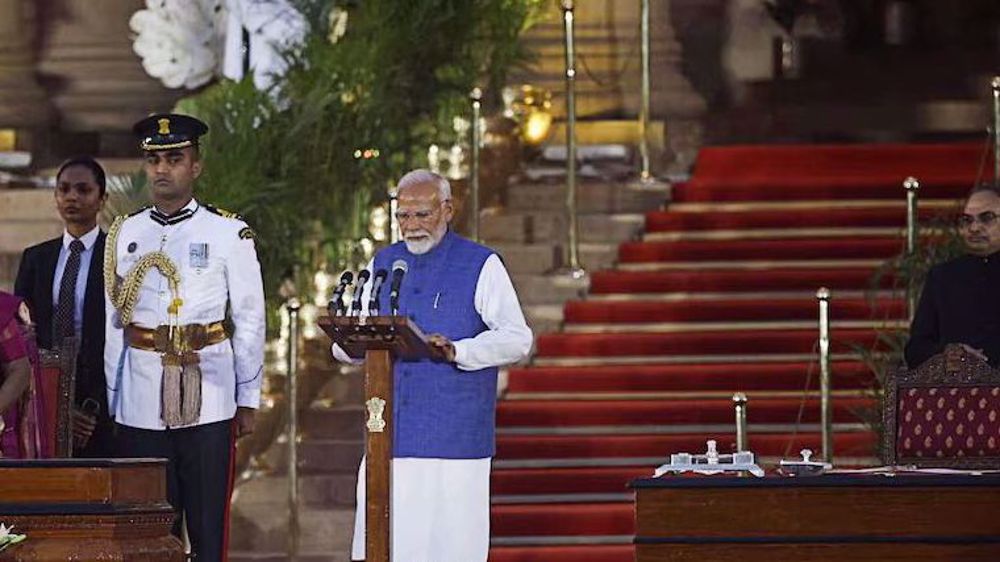
Indian Prime Minister Narendra Modi warns that the US-Israeli aggression against Iran poses great risks for India, urging citizens to curb fuel use, reduce overseas travel, and pause gold purchases.
Global fuel costs have surged, Modi said in a public address in the southern city of Hyderabad on Sunday, appealing to Indians to use public transport, work from home, and carpool to conserve fuel.
India is the latest among the growing number of Asian countries encouraging lower fuel consumption as energy costs increase amid tensions in West Asia.
India imports nearly 85% of its fuel needs and relies on the Strait of Hormuz for about 50% of its crude imports, 60% of its liquefied natural gas, and almost all of its liquefied petroleum gas (LPG) supplies.
Higher energy costs are expected to significantly widen India’s trade deficit and current account deficit.
India’s currency, the rupee, has also come under strain and is trading near an all-time low against the dollar.
Modi said reducing foreign travel and gold imports would help conserve foreign currency reserves as higher oil prices increase pressure on India’s import bill.
India spent $174.9 billion on crude and petroleum products, or 22% of its total imports in the financial year that ended in March 2026, highlighting the economy’s dependence on overseas commodities.
“The Middle East conflict represents a historically large energy shock with asymmetric macro risks,” said global brokerage UBS Securities in a May 4 note, lowering its forecast for India’s economic growth in the financial year ending March 2027 to 6.2% from 6.7% earlier.
The current crisis in West Asia began on February 28 when the US and Israel began their illegal aggression against Iran.
Iranian armed forces responded by launching daily missile and drone operations targeting locations in the Israeli-occupied territories as well as US military bases and assets across the region.
Furthermore, Iran retaliated against the strikes by closing the Strait of Hormuz, which resulted in a significant increase in oil prices and its by-products.
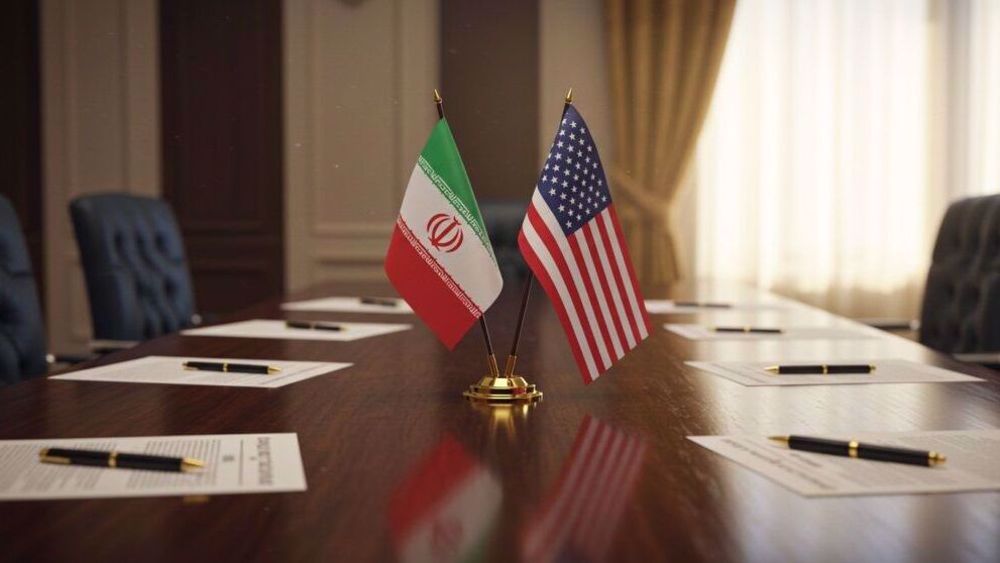
US President Donald Trump has rejected Iran’s counterproposal to end the aggression, pushing global oil prices higher.
Iran’s official news agency, IRNA, said in a Sunday report that the country had submitted its reply to the US proposal to Pakistan, which has mediated efforts aimed at ending the war of aggression.
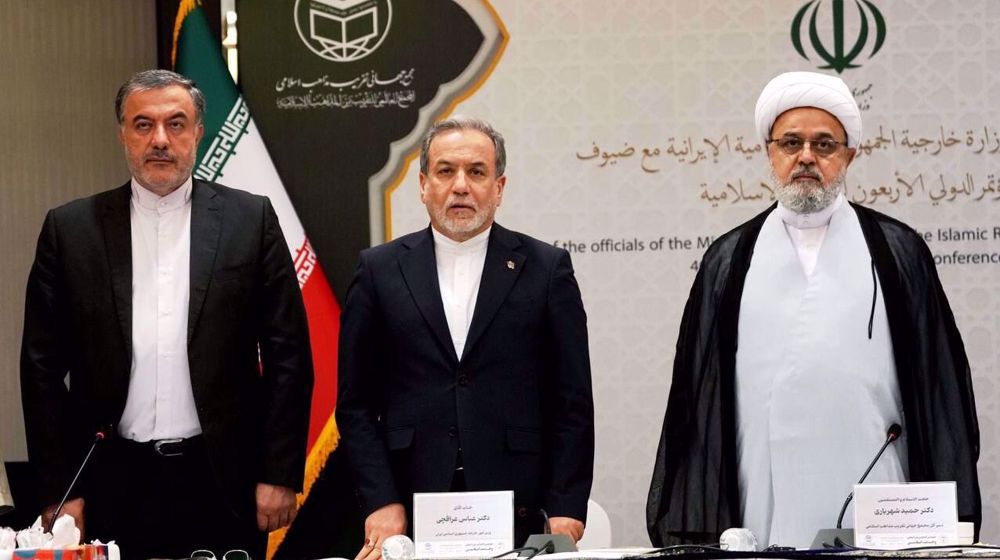
Iran not joking about its national security, will fight fire with fire: Araghchi
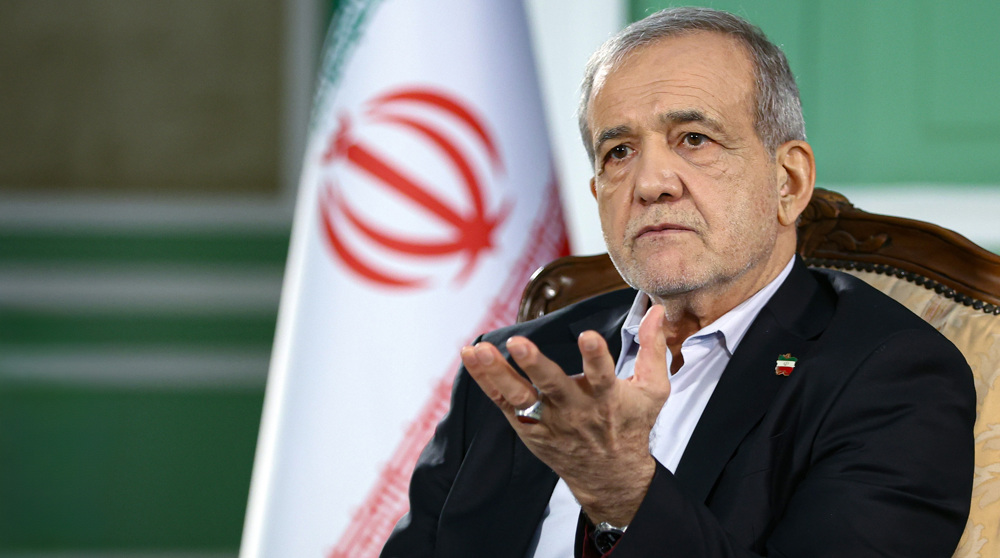
Iran withstood war thanks to national unity, its wise leadership: President Pezeshkian
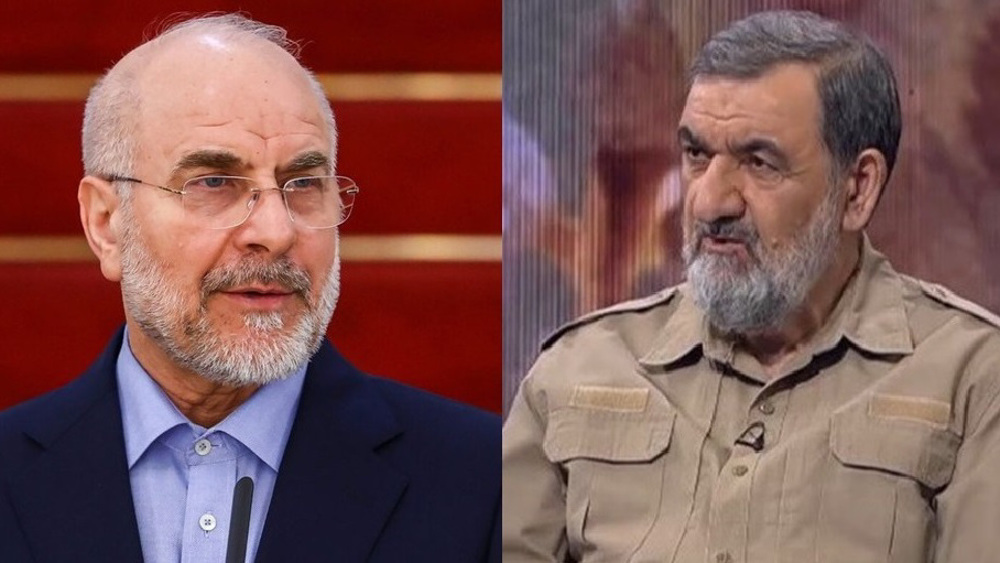
Iran’s security chief, parliament speaker hail Leader’s remarks on national unity, social cohesion



Iran not joking about its national security, will fight fire with fire: Araghchi
VIDEO | Israeli troops forcibly evacuate UNRWA training center in West Bank
Iran withstood war thanks to national unity, its wise leadership: President Pezeshkian
VIDEO | Hezbollah weapons seen as key to Lebanon’s sovereignty: Analysts
IRGC Navy says Strait of Hormuz under Iran’s ‘complete and decisive’ control
Iran’s security chief, parliament speaker hail Leader’s remarks on national unity, social cohesion
Islamic Jihad says three members martyred in Israeli attack in West Bank
Human rights turned into political tool in hands of West: Iran FM


 PressTV NEWSLETTER
now
PressTV NEWSLETTER
now
 This makes it easy to access the Press TV website
