One Israeli soldier killed in Hezbollah drone attack on military base
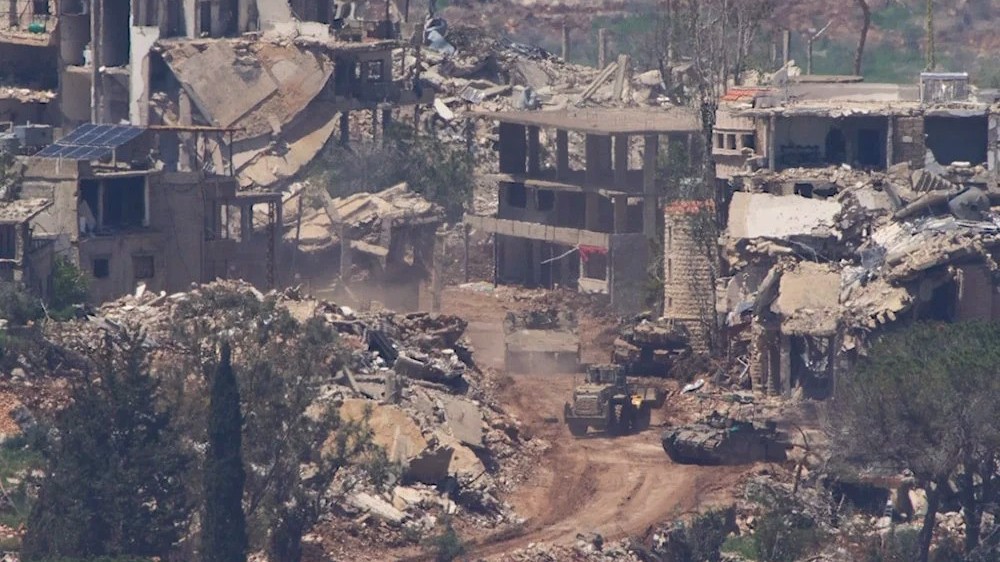
A Hezbollah drone strike on a military base in the northern Israeli-occupied territories has killed one Israeli soldier, amid raising fears among Israeli authorities over the resistance movement’s warfare capabilities.
The fatality took place while the Israeli Health Ministry on Sunday said that eight people sustained injuries from a Hezbollah drone attack.
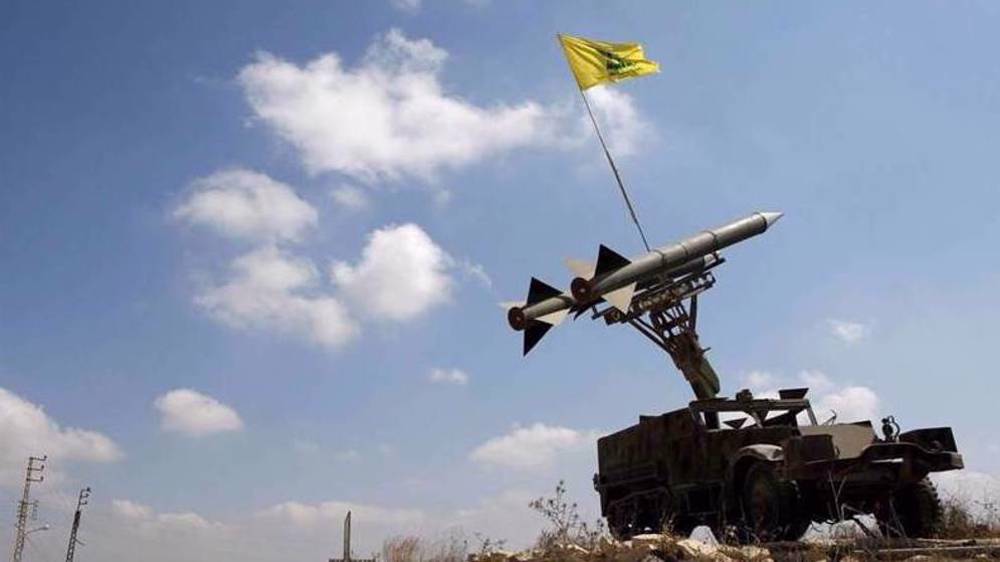
The attack comes as fears mount within the Israeli regime over Hezbollah's increasing deployment of unmanned aerial vehicles against targets in the northern occupied territories.
Israeli channel i24 pointed to growing confusion and fear among occupation authorities over Hezbollah’s steadily improving aerial warfare capabilities and labeled the resistance's drone operations an "Israeli nightmare."
According to the channel, Hezbollah continues to dictate the operational initiative through its heavy reliance on drones, a factor that Israeli media now say presents a major hurdle for the regime forces active in the north.
For the first time ever, the Israeli 24NEWS channel's correspondent claimed Hezbollah has conducted large-scale unmanned aerial systems (UAS/drones) in sustained strikes against settlements in the north and designated military targets inside the occupied Palestinian territories, representing a noticeable increase in both how far the group can reach and how often it attacks.
Three such operations carried out just over the recent weekend have raised concern within the so-called Israeli security establishment, the military correspondent further added.
A spokesperson for the Israeli occupation forces said that three soldiers, one of whom holds an officer's rank, were injured in Hezbollah's operational attacks, underscoring the continued exchange of fire and attrition on the battlefield.
In a related development, former Israeli prime minister Ehud Barak described the situation along the northern front as a "strategic failure" directly attributable to current prime minister Benjamin Netanyahu, framing recent events as proof of both operational incompetence and political shortcomings when it comes to handling escalating threats.
Top-ranking officials within “Israel's security and military establishments” have characterized conditions along the Lebanese border as "deadlocked" and conceded that the army currently possesses no viable solution to neutralize the threat posed by Hezbollah's explosive-laden drones.
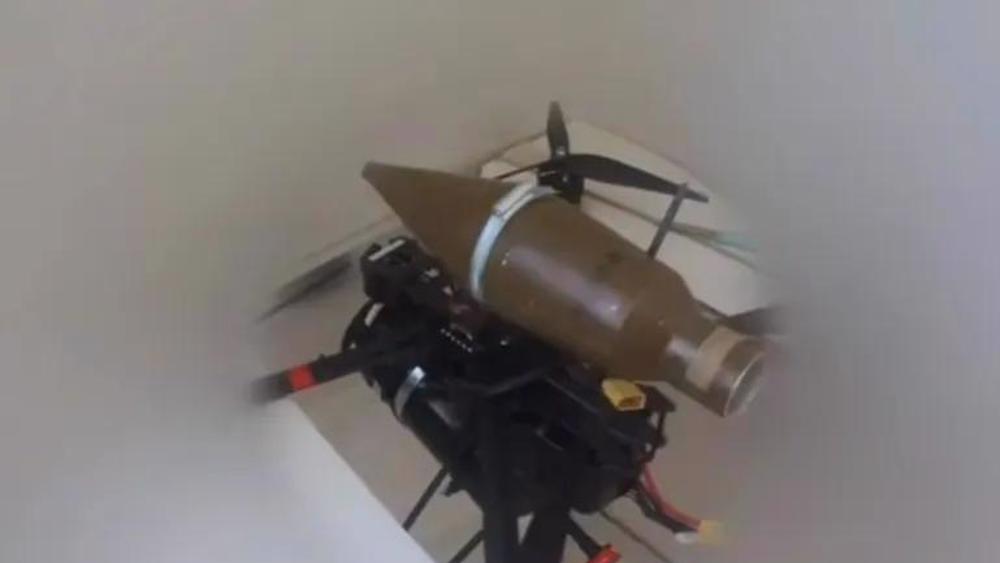
Channel 13 quoted a high-ranking military officer who admitted that Israeli forces are struggling to respond effectively to the evolving threat, as the army’s flexibility to maneuver operationally has become noticeably more restricted. The assessment reveals deepening worry within the "security establishment" over an exceptionally complex and persistent threat from Lebanese borders.
According to reports, senior officers describe the present domestic situation in Lebanon as "deadlocked," adding that there exists a "clear admission" that the army’s hands are largely tied.
Commanders reportedly continue to grapple with maintaining a "ceasefire-like situation," despite the fact that fire is exchanged on a daily basis.
Meanwhile, Channel 12 highlighted spiraling concern across the northern part of Israeli-occupied territories over the widening reach of explosive drone threats.
According to the report, the danger is no longer restricted to Lebanese territory alone as such drones have already penetrated Israeli airspace, triggering alarm both among local inhabitants and municipal authorities in the north.

Ansarullah hails martyr Mohammed al-Deif, vows to continue Al-Aqsa Flood battle
Israeli settlement expansion plot 'dangerous and criminal' step toward annexation: Hamas
Israel finalizes $2.3bn deal to expand West Bank settlements by 12,000 units



VIDEO | 'Are strategic chokepoints becoming the region's most powerful leverage?'
VIDEO | 'Strategic waterways could shape regional tensions outcome'
US resumes naval blockade of Iranian ports and vessels, despite Tehran’s warnings
From Strait of Hormuz to Bab al-Mandeb: Iran’s blueprint for new regional order after US breaks MoU
IRGC pounds US military facilities in Bahrain and Kuwait, warns oil exports at risk
Yemen warns airlines to avoid Saudi airspace until Sana'a blockade is lifted
Pezeshkian slams Trump’s rhetoric, says insults demean their authors, not Iran
EU backs ICC, rejects Trump's campaign to dismantle war crimes court


 PressTV NEWSLETTER
now
PressTV NEWSLETTER
now
 This makes it easy to access the Press TV website
