Qolqoleh: The orogenic gold mine transforming western Iran's rich mining landscape
By Ivan Kesic
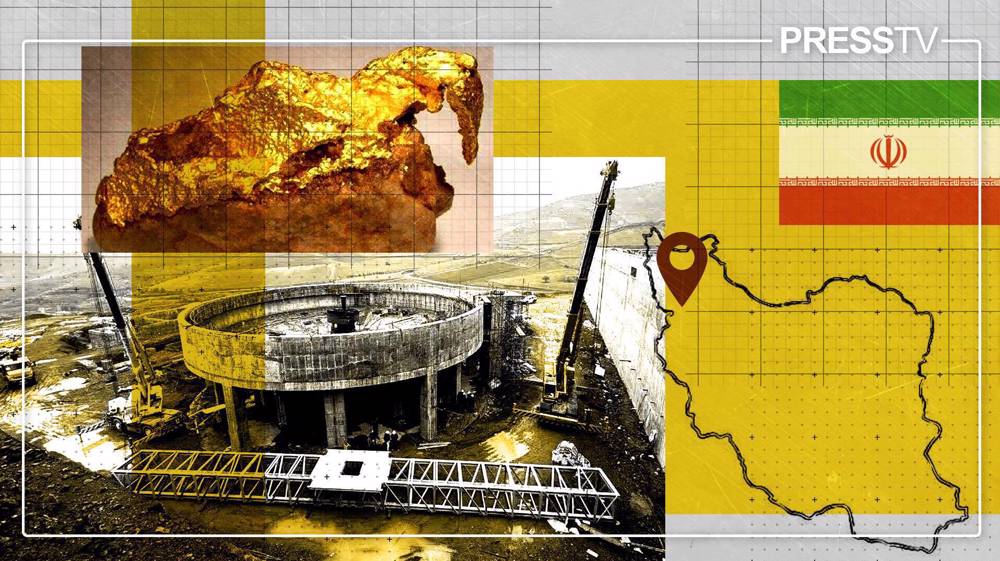
Located approximately 15 kilometers southwest of Saqqez in Kurdistan province, the Qolqoleh gold deposit has emerged as one of Iran’s most significant mining developments in recent years, transforming a geologically rich but long-dormant asset into a cornerstone of the nation’s domestic gold production capacity.
The journey of the Qolqoleh mine, from its discovery in the mid-1990s to its current operational status within the Sanandaj-Sirjan metamorphic belt, encompasses a detailed examination of its geological characteristics, exploration history, environmental considerations, the construction of the Saqqez gold extraction plant, and the strategic vision of the Kurdistan Gold Mines Development Company.
Overcoming technical challenges, sanctions-related equipment shortages, and environmental concerns, Iranian engineers and mining experts have established a facility capable of producing 500 kilograms of gold bullion annually.
In doing so, they have also fulfilled social responsibilities toward local villages and contributed to balanced regional development in one of the country’s western provinces.
Qolqoleh deposit and Sanandaj-Sirjan belt
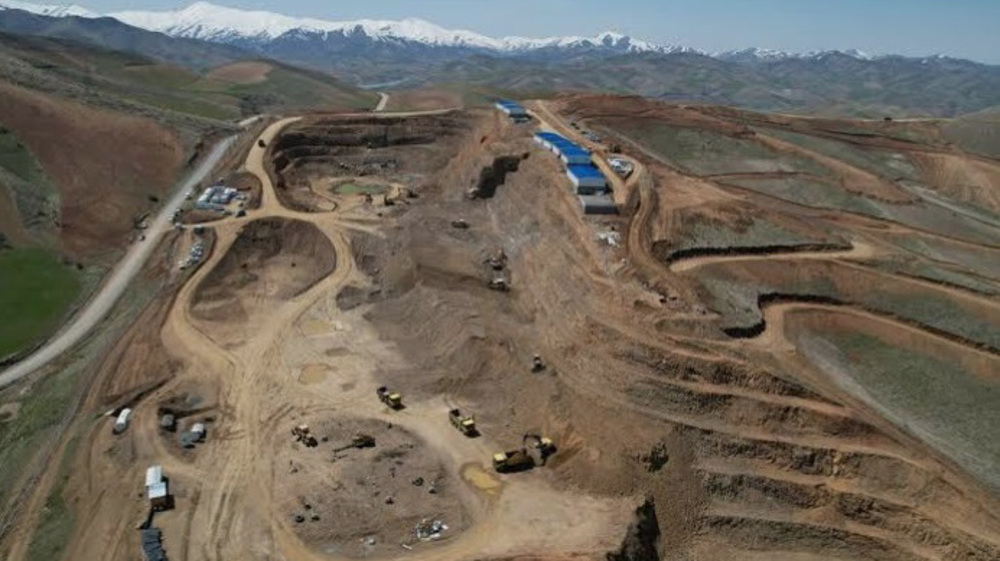
The Qolqoleh gold deposit is situated within the northern section of the Sanandaj-Sirjan metamorphic belt in northwestern Iran, a mineral-rich province renowned for its orogenic gold mineralization.
This belt formed during the Late Cretaceous to Tertiary continental collision between the Arabian plate and the Iranian subplate, creating the compressional tectonic environment favorable for gold deposition.
The deposit is hosted by a steeply dipping sequence of greenschist facies Cretaceous volcano-sedimentary rocks, including mafic to intermediate metavolcanic rocks, sericite schist, chlorite schist, phyllite, and marble with intercalations of limestone.
The style of mineralization at Qolqoleh is classified as orogenic, characterized by narrow quartz-gold-sulfide zones extending approximately 250 meters in width, 2,500 meters in length, and 280 meters down-dip.
The gold mineralization is almost entirely confined to a series of steeply dipping ductile-brittle shear zones, where highly strained host rocks show a combination of mylonitic and cataclastic microstructures.
The ore-controlling structure is a northeast-southwest trending oblique thrust with vergence toward the south, representing a ductile-brittle shear zone that channelized gold-bearing hydrothermal fluids.
According to scholarly estimates from the late 2000s, the deposit contains main ore materials including gold, silver, pyrite, hessite, petzite, arsenopyrite, chalcopyrite, sphalerite, magnetite, titanomagnetite, ilmenite, and various cobaltite minerals.
Alteration minerals surrounding the mineralized zones comprise quartz, sericite, chlorite, kaolinite, tourmaline, and carbonates.
The average gold grade reported in academic literature ranges from 1.5 to 1.6 grams per ton, with an overall average of approximately 3.5 grams per ton, and individual samples ranging as high as 16 grams per ton.
Exploration history and reserve estimates
Mineral exploration in the Qolqoleh area began during 1994-1995 under the auspices of the Geological Survey of Iran, which initially discovered the deposit in the mid-1990s.
By 2008, these explorations were completed, and reserves of 7.3 million tons of gold ore were confirmed. More recent assessments by Kurdistan Gold Mines Development Company have substantially increased these figures.
Current definitive reserves stand at 10.29 million tons, with probable reserves estimated at 25 million tons and an average grade of 1.2 grams per ton according to company data.
In a significant development reported during a January 2025 performance evaluation meeting, Seyyed Zanyar Seyyed Mousavi, Director of Mines Affairs, announced that the definitive reserve of the Qolqoleh gold mine had increased by 25 percent.
This increase represents a major achievement for the company’s exploration efforts. Further increases are expected as exploratory drilling data continues to be analyzed.
The host rocks at Qolqoleh have undergone greenschist facies metamorphism with the gold mineralization associated with both foliation-parallel and cross-cutting quartz-sulfide veins.
Three main stages of mineralization have been identified based on paragenetic relationships. Stage I encompasses deposition of large volumes of milky quartz and pyrite.
Stage II includes gray and buck quartz, pyrite and minor calcite, sphalerite, subordinate chalcopyrite, and gold ores. Stage III consists of comb quartz and calcite, magnetite, sphalerite, chalcopyrite, arsenopyrite, pyrrhotite, and additional gold ores.
Approximately half of the mineralization exists as dissemination in mylonite, while the remainder was emplaced through brittle deformation in quartz-sulfide microfractures, microveins, and veins.
Role of Kurdistan Gold Mines Development Company
Kurdistan Gold Mines Development Company was established in 2013 with registered capital of one billion rials under the umbrella of Sadr Tamin Holding, a subsidiary of the Social Security Investment Company (Shasta).
The company operates as a specialized entity in the field of metal industries in the form of a private joint stock company, with the explicit aim of exploring, extracting, and processing gold and precious metals from mines in Saqqez County.
The main activity focuses on exploiting reserves in gold mines along the Saqqez-Baneh axis.
According to the vision document of Shasta, Sadr Tamin Holding entered the field of metallic and non-metallic minerals industry as a strategic direction, recognizing mining industries alongside petrochemicals as among the country’s strategic sectors.
Given Iran’s comparative advantage in mineral reserves, this industry ranks among the top and leading sectors in the national economy.
The company’s vision statement articulates the ambition to become a leading entity in mineral exploration, extraction, and processing nationwide, while its mission emphasizes creating sustainable value in the mining and mineral industry chain through reliance on the three stages of mining, while respecting environmental laws and social responsibilities.
Strengths identified by the company include the management experience of Sadr Tamin Investment Company as the main shareholder, utilization of technical knowledge from domestic experts, particularly from Kurdistan province, and the significant mineral potential within the wider Kurdistan region.
Challenges include insufficient attention to updating basic geological and geochemical information, a lack of internationally standardized mine databases, sanctions-related difficulties in providing equipment and consumables, water resource concerns, and the negative impact of exchange rate stabilization policies on profit margins.
Construction of the Saqqez gold extraction plant
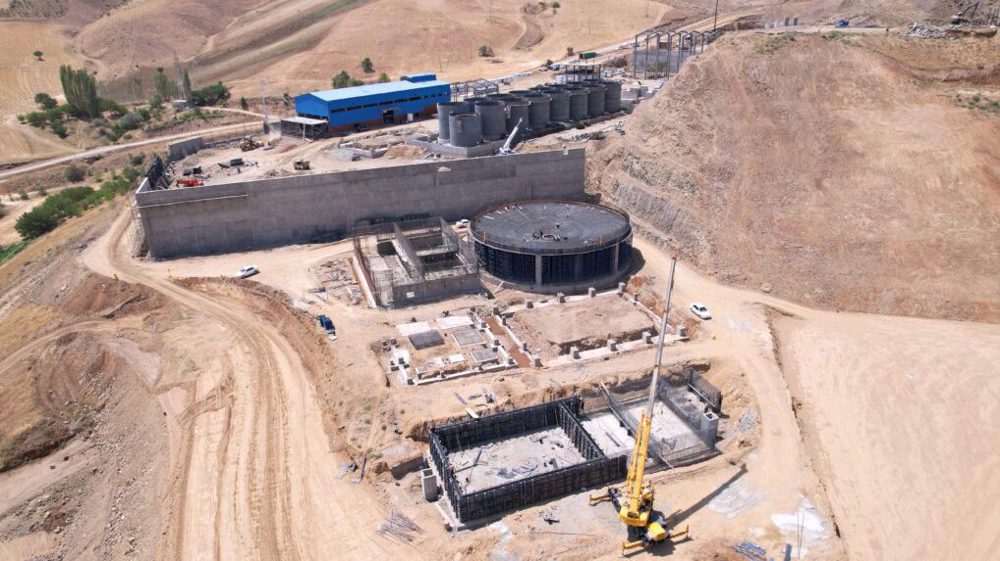
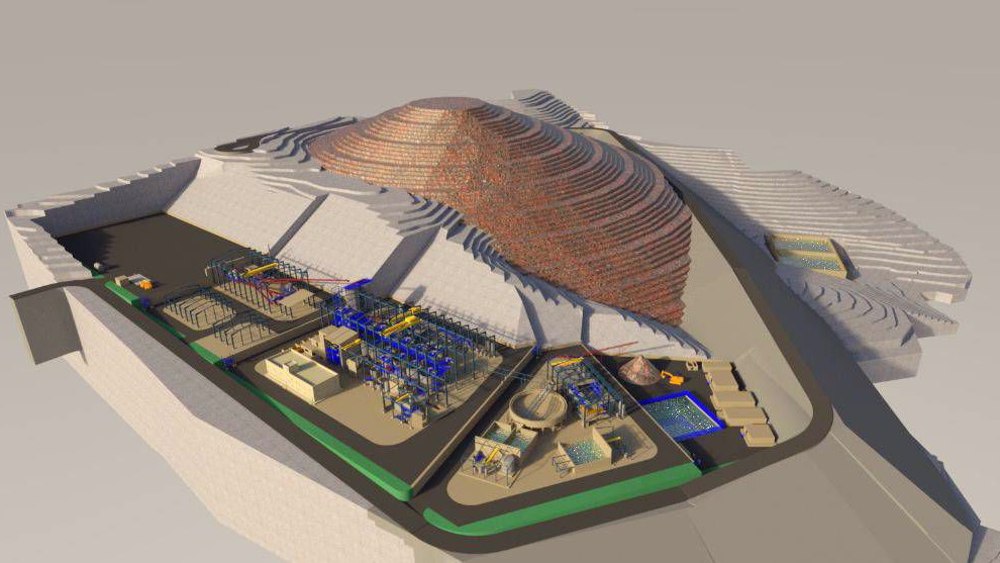
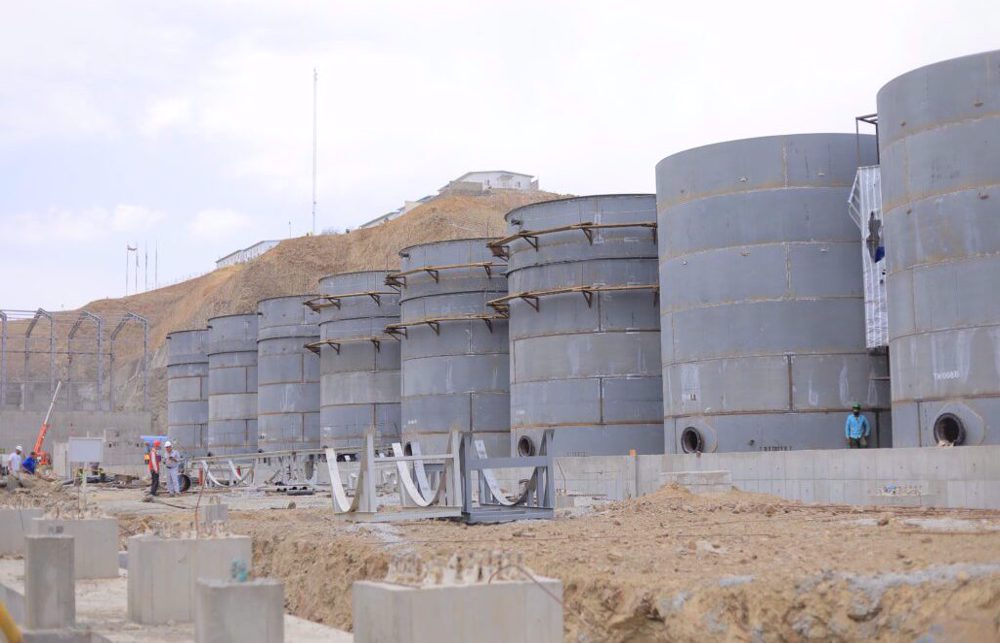
The centerpiece of the Qolqoleh development is the Saqqez gold extraction plant, a state-of-the-art facility designed to produce 99.99 percent pure gold bullion using the carbon-in-leach method.
The project officially commenced on March 11, 2023, under an EPC contract with Iran International Engineering Company (IRITEC) as the contractor, while Amatis Robin Consulting Engineers Company provides consulting services.
The plant has an annual processing capacity of 500,000 tons of ore, with the technical capability to produce 500 kilograms of gold bars per year.
The groundbreaking ceremony for the exploitation of the Qolqoleh gold mine was held in December 2017 in the presence of Ali Rabiei, the then-Minister of Cooperatives, Labor and Social Welfare, Bahman Moradnia, the then-Governor of Kurdistan, and provincial representatives in the Islamic Consultative Assembly.
However, the project experienced significant delays for several years, primarily due to environmental permitting concerns.
The Environmental Protection Organization had reservations regarding potential pollution of the Cheragh Veys Dam from gold extraction using cyanide, a legitimate concern requiring a comprehensive technical assessment.
Specifically, this dam is located on a tributary of the Saqqez River, which flows downstream towards the namesake city, and later flows into the Zarrineh River, a tributary of Lake Urmia, which is why potential pollution would represent a major national problem.
Behnam Mirzaei, head of the Saqqez Industry and Mining Department, explained that after the Ministry of Energy and the Environmental Protection Agency opposed locating the factory above the Cheragh Veis Dam, specialized companies conducted further studies.
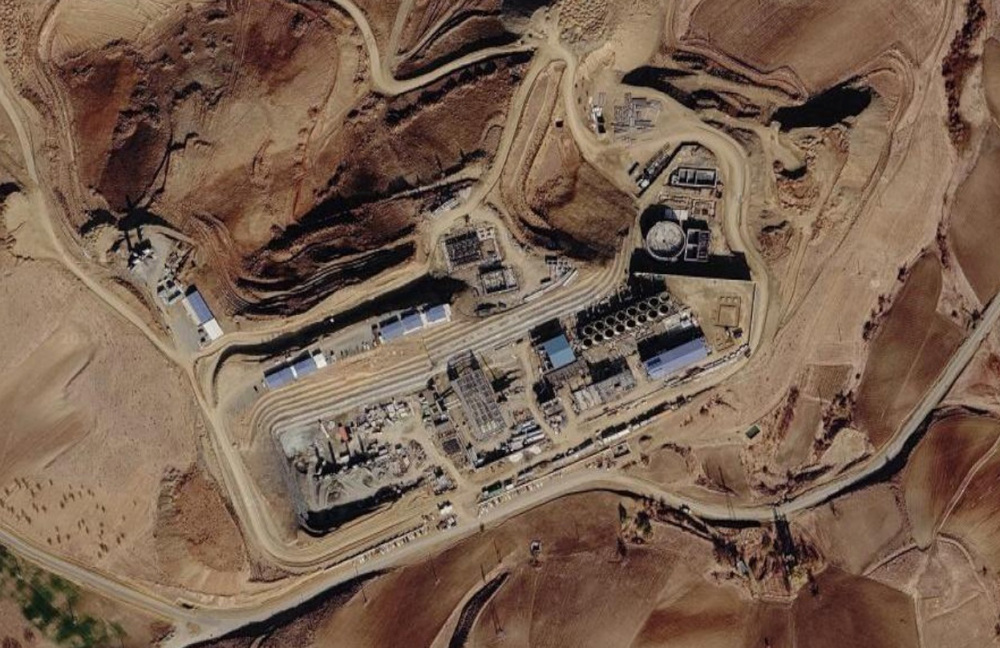
Ultimately, the location that would cause the least environmental damage was approved at the current site near the village of Mazujdar.
The implementation uses state-of-the-art systems in the processing unit with a very low probability of leakage, addressing environmental concerns while allowing the project to proceed.
According to a January 2024 report, the investment for the Saqqez gold extraction plant exceeded $65 million.
By August 2025, mining operations officially began at the Qolqoleh gold mine in the presence of Seyyed Alireza Siasirad, CEO of Sadr Tamin Investment Company, ending an eight-year hiatus in activity at the site.
The project was described as the largest gold project in the Kurdistan region, designated as the “Kurdistan Province Economic Driving Project.”
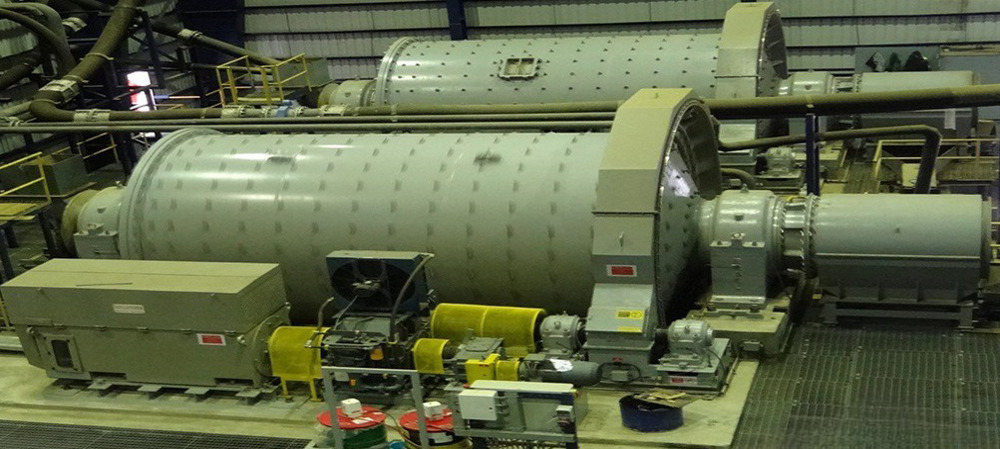
By early summer 2025, the production line of the Saqqez gold extraction plant was scheduled for its initial launch, with a cold start-up planned following a January 2025 announcement that equipment for key departments, including crushing, grinding, thickener, and filter press packages, had completed manufacturing and were being transported to the project site.
In parallel with plant construction, extensive exploration activities have been underway to expand known reserves and identify new mineral resources.
A key project initiated on June 15, 2023, involves completing exploration data in four zones of the Qolqoleh gold mine through 10,000 meters of core and reverse circulation powder drilling.
The quantitative goals set by Kurdistan Gold Mines Development Company for a five-year horizon beginning in 2027 include producing 500 kilograms of gold bars annually, identifying new mineral resources and reserves to expand the factory’s production line capacity, implementing various ISO standards across all company departments, and achieving the National Organizational Excellence Award.
Environmental, social, and economic dimensions
The development of the Qolqoleh mine has required careful attention to environmental safeguards and community relations. Local residents of Mazujdar village, near the plant site, expressed legitimate concerns about potential environmental impacts.
The governor of Saqqez addressed these by inviting project executives from Tehran, along with general managers of Industry and Mining, Environmental Protection, and provincial Water Affairs, to explain the working methods, including the use of advanced systems and the very low probability of leakage.
Village representatives ultimately became convinced of the project’s safety while continuing to make requests, including hiring priority for local residents, asphalting the village’s dirt road, and participation by the company in building a school or other public utility works needed by the village.
The plant is expected to provide feed from the Qolqoleh gold mine with definitive reserves of 30 million tons of ore, according to statements from Amir Hossein Naderi, former CEO of Sadr Tamin Investment Company.
Annual extraction is forecast at 200,000 tons of gold ore. The project will bring more than 500 direct and indirect jobs to the people of the region, a significant economic benefit for Kurdistan Province.
Another valuable measure announced is the transfer of the company’s headquarters from Tehran to Saqqez in the near future, ensuring that a portion of the company’s income will be taxed in the city, benefiting local finances.
Kurdistan Governor Esmail Zareikosha, speaking at a January 2024 meeting, emphasized that, following the agricultural sector, where the province ranks among the leading hubs in the country, fundamental changes must be created in the industrial sector as well.
He noted the special attention of the 13th government and the late President Ebrahim Raeisi to projects like the Saqqez gold extraction plant.
The governor called for special attention to downstream industries, including jewelry manufacturing, as a demand market for the company’s gold production, which would expand employment scope and create added value.
Iran says international flights continue despite US sanctions pressure
Iran slams US for blaming Tehran over rising fuel prices, Strait of Hormuz closure
Iranian engineers develop indigenous engine control units, advancing automotive electronics



IRGC dismantles terrorist team in southeastern Iran, killing five
Iran’s top security official says no return to pre-war diplomacy with US
‘We don’t seek permission to defend our country’: Snippets from President Pezeshkian’s UNGA address
VIDEO | Kargil protest demands justice, constitutional safeguards for Ladakh
Pezeshkian spoke for Iran’s 3,000-year-old civilization at UN: Qalibaf
Araghchi conveyed Iran’s ‘clear, transparent’ conditions to US: Spokesman
Switzerland urges Israel to end 'unlawful occupation' of Palestinian territories
VIDEO | Moscow hosts international forum on how to combat misinformation, fake news


 PressTV NEWSLETTER
now
PressTV NEWSLETTER
now
 This makes it easy to access the Press TV website
