Iran says ‘ball is in US court’ after submitting proposal to mediators
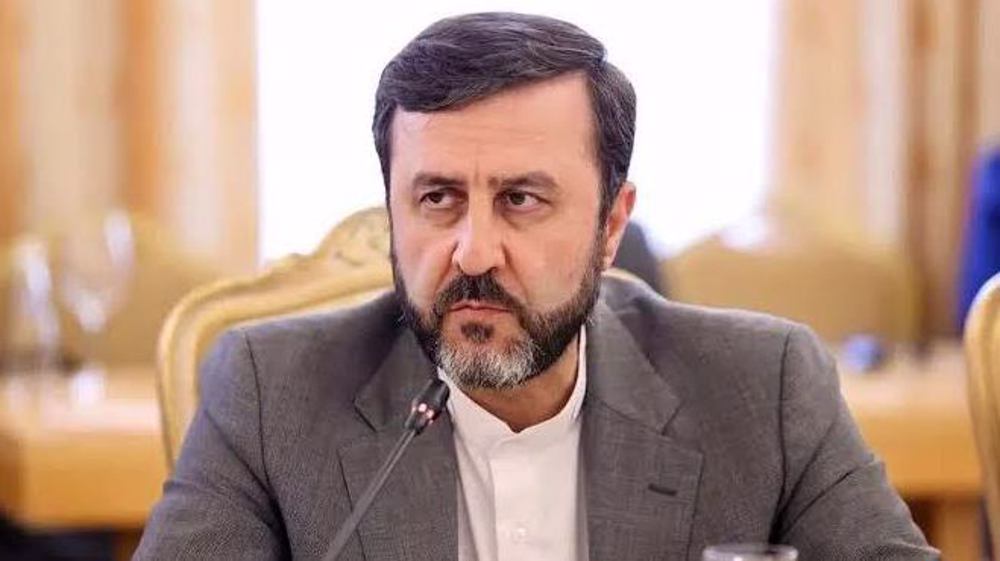
Iran says it has submitted a comprehensive proposal to bring about a permanent end to the US-Israeli aggression against the country, insisting that it is now up to the United States to decide whether it wants a deal or confrontation.
Deputy Foreign Minister for Legal and International Affairs, Kazem Gharibabadi, shared the country's official stance on the ongoing efforts to negotiate a deal with the US during a meeting with a number of foreign ambassadors in Tehran.
Gharibabadi said that Iran is fully and resolutely prepared to repel any renewed act of aggression against the country, although it also believes in interest-based diplomacy to resolve existing issues.
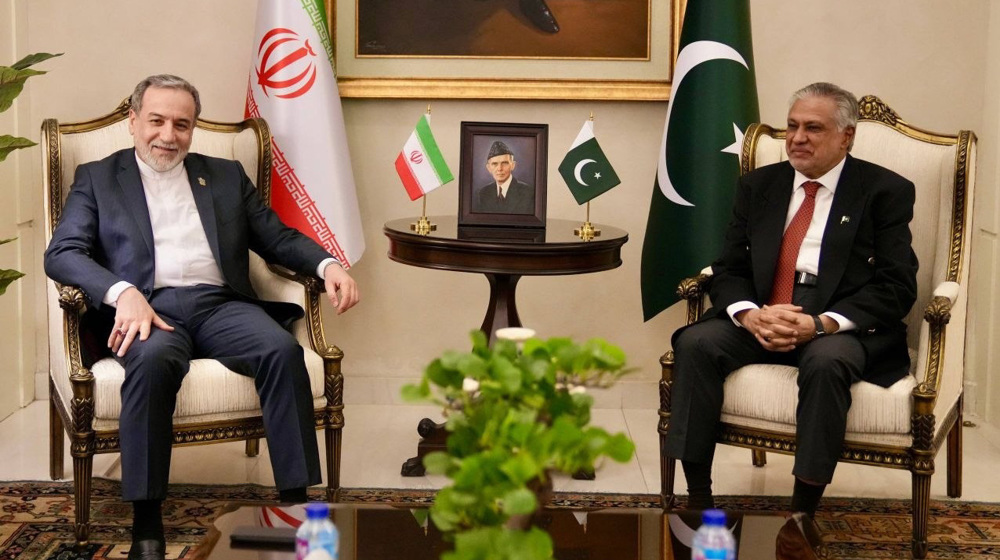
“The Islamic Republic of Iran has submitted its plan to Pakistan as the mediator with the aim of permanently ending the imposed war, and now the ball is in the US court to choose between a diplomatic solution or a continuation of the confrontational approach,” he said.
The diplomat said, however, that Iran has always approached talks with the US with a sense of distrust because of Washington's track record in previous rounds of negotiations.
Gharibabadi's comments came after he held a trilateral meeting with the ambassadors of China and Russia to Iran.
Iran and the US held a first round of talks in Islamabad on April 11, days after Pakistan mediated a ceasefire to allow a halt to the 39-day US-Israeli aggression against the country.
🔹Kazem Gharibabadi adds that Iran is ready for both paths with the aim of securing its national interests and security, and in any case, it will always maintain its pessimism and distrust of America and its honesty in the path of diplomacy.
— Press TV 🔻 (@PressTV) May 2, 2026
The talks failed, with Iranian authorities accusing the US delegation of making maximalist demands.
Pakistan's efforts to arrange a second round of talks between Iran and the US have also faltered, as Iran has refused to accept US demands.
Reports earlier this week suggested Iran had submitted a plan containing its conditions for negotiating a deal that could allow the reopening of the Strait of Hormuz in the Persian Gulf, which Iran has closed since the early days of the war of aggression, in return for a permanent end to US-Israeli attacks.
Source: Netanyahu plotted false-flag aircraft hijacking to drag Trump into new war against Iran
Iran slams US over lasting fallout of nuclear tests in Marshall Islands

Iran warns over Trump’s 'We all die anyway' nihilism to justify mass killing



Zionist settlers murder 19-year-old in West Bank amid record surge in violence
Saudi airstrikes intensify as Yemeni army advances toward Taiz
VIDEO | On Non-Violence Day, Gazans still suffer Israeli brutality
Iraqi resistance official hails public defiance that broke US siege on Najaf-Iran flights
Iraq allows 40 daily Iranian flights to and from Najaf after protests over US sanctions
Israel intensifies al-Aqsa incursions as over 11,400 settlers storm holy site
China calls for respecting Iran's right to peaceful use of nuclear energy
Seoul demands Ukraine apology after Zelensky discloses North Korean POW transfer



 PressTV NEWSLETTER
now
PressTV NEWSLETTER
now
 This makes it easy to access the Press TV website
