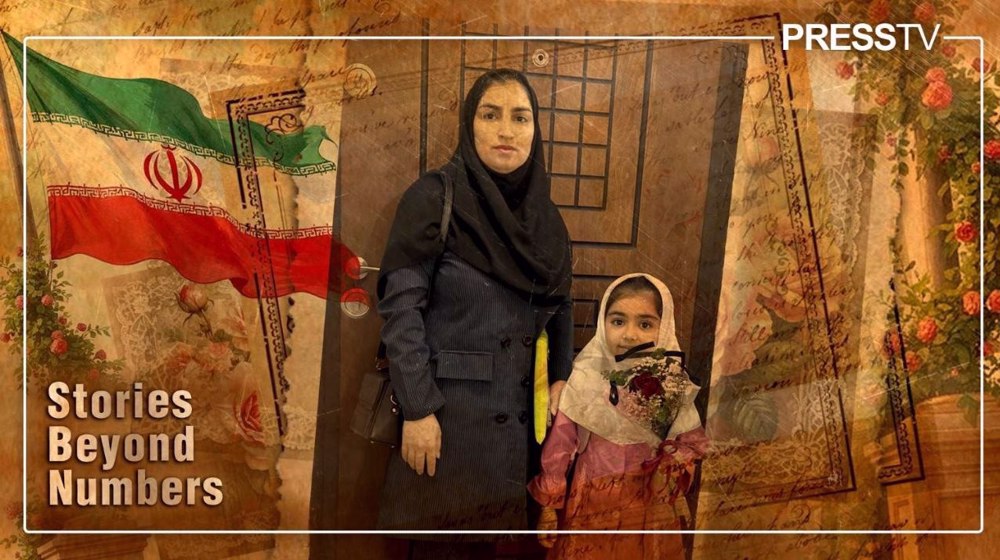
Stories Beyond Numbers: A teacher who died embracing her students as missiles struck Minab school
By Press TV Staff Writer
Today is Teachers' Day in the Islamic Republic of Iran, marking the martyrdom anniversary of Ayatollah Morteza Motahhari, a distinguished scholar, philosopher, author and thinker.
It is a day for the candles that burned so that others, in the light of their radiance, might see the world better and envision a "better world."
Among the thousands of teachers whose names are inscribed on the calendar of this day, the name of Mandana Salari is intertwined with the smell of gunpowder and blood – a teacher whose life American-Israeli missiles would not allow to remain a beacon for the innocent children of the "Shajareh Tayyebeh" school in Minab.
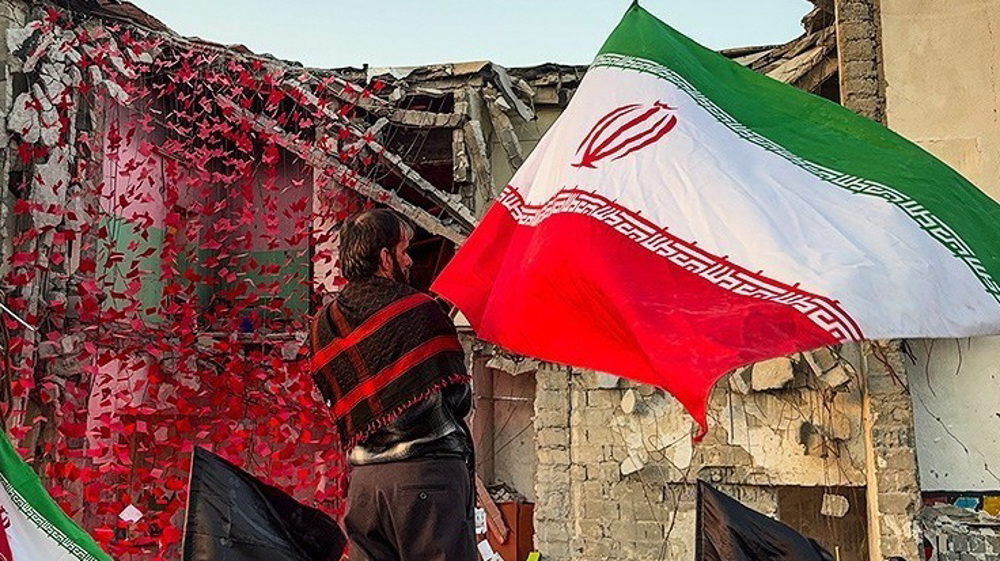
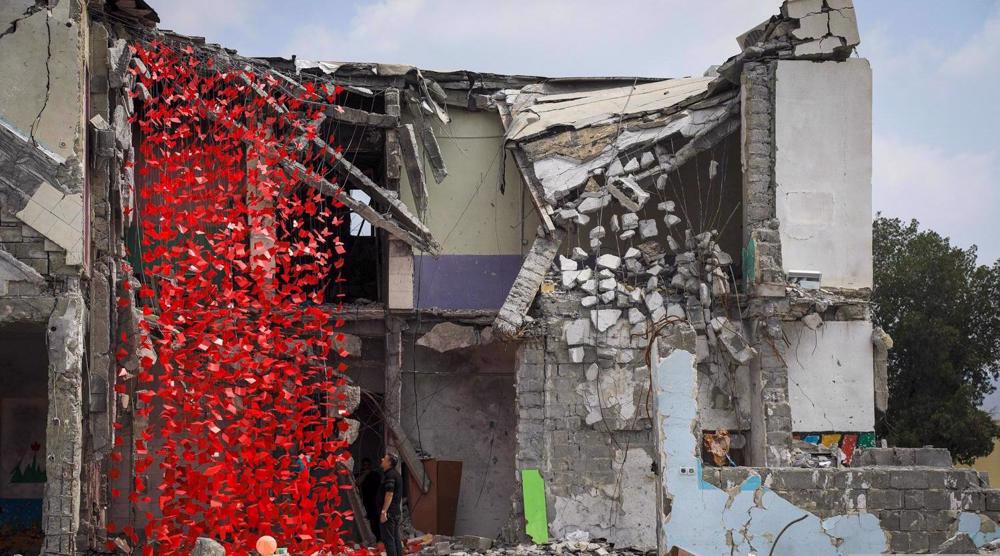
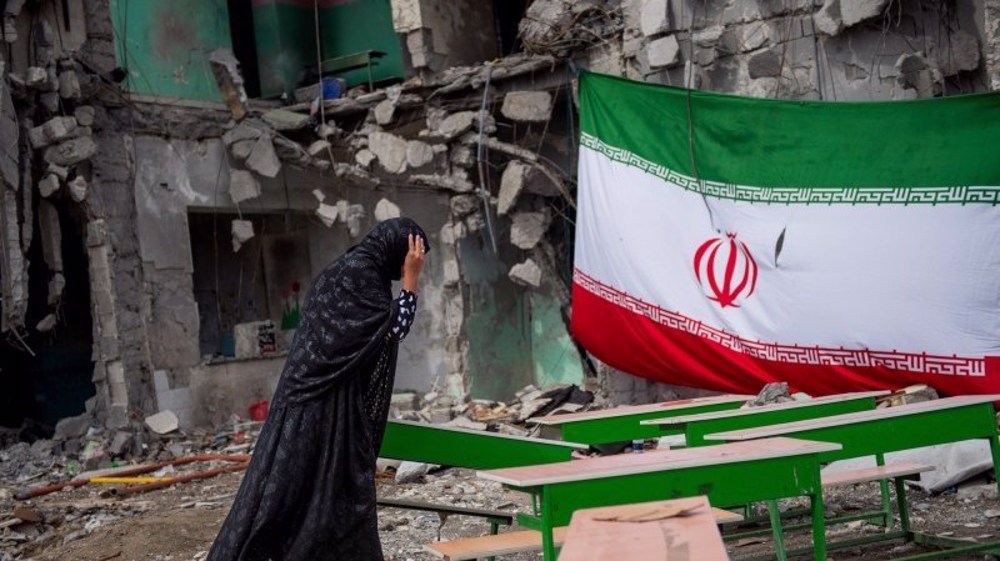
On February 28, 2026, the "Shajareh Tayyebeh" elementary school in Minab – a warm, desert town near the Persian Gulf – was targeted by American-Israeli missile strikes.
An hour before noon, the clear sky was suddenly split by a white trail. The first explosion brought down the courtyard wall. The second explosion set the classroom ceiling ablaze. And the third explosion extinguished childish laughter forever.
But amidst the rubble and smoke, a woman covered in dust, her eyes always brimming with kindness, did not scream her final breaths.
Instead, she opened her arms to give the world her last lesson.
Mandana was 29 years old. She had two children: Liana, a beautiful seven-year-old daughter who studied on the ground floor of the same school, and Youna, a one-and-a-half-year-old son who waited at home for his mother's embrace.
But every morning, Mandana would hug her first-grade boys even more than she hugged her own Youna. For her, teaching was an art – not with dry chalk and a board, but with life itself.
To teach the Persian alphabet, one day she would wear her brother's army uniform so the children could learn the meaning of protecting the homeland alongside the letters.
Another day, she would bake fresh bread and bring it to class so the letters tasted sweet on their tongues. Another day, she would put cotton in her ears, wear glasses, and dress up as a grandmother so that learning the alphabet was intertwined with respect for elders.
On the occasion of National Teacher's Day, Iran's Foreign Ministry spokesman pays tribute to the 26 teachers killed in the US-Israeli attack on an elementary school in Minab.
— Press TV 🔻 (@PressTV) May 2, 2026
Follow Press TV on Telegram: https://t.co/LWoNSpkc2J pic.twitter.com/Turzt0E3wh
And when it came to Iran, she asked each child to wear the traditional clothing of one of the country's ethnic groups – Kurdish, Lor, Baloch, Persian – so that they could feel with their very skin that the identity of "Iran" is formed from this diversity and kindness among its peoples. For Mandana, life was summed up in kindness.
The night before the terrorist attack, she stayed late working on a lesson plan with her colleague, Rahileh. She dreamed that her lesson plan would be selected as the best in the country this year.
At home, her mother would sometimes say, "If every teacher put as much effort and passion into teaching as you do, no one would have any life left for themselves."
Mandana would laugh and reply, "Mother, these little boys are like my own, Youna. Teaching is not just a job for me, it is a second motherhood."
She even took a student who was afraid of crowds into her own home and worked with him until he was able to sit in class and learn. She did not need the school salary; her family was well-off. But her love for these children drove her to school earlier than any other teacher.
On the day of the incident, it was close to noon. Mandana was busy handing the children over to their parents. Makaan Nasiri, one of her students, whose small body had nothing remaining except one shoe and a piece of his clothing, she had prepared and had called his mother to come pick him up.
She was so engrossed in her work that she forgot to send someone to bring her own Liana. The little girl was still waiting on the ground floor. Then came the sound of missiles, and death rained down on 73 young boys, 47 little girls, 26 teachers, and several parents and the school bus driver.
✍️ Feature -Global outrage grows over Trump’s massacre of over 170 schoolchildren in Minab
— Press TV 🔻 (@PressTV) March 26, 2026
By Mina Mosallanejadhttps://t.co/AMnDyELmxa
In the seconds between life and death, however, Mandana did not flee. Later reports revealed that she had pressed four of her students tightly in her embrace – so tightly, so tenderly, so motherly, that when her body was pulled from the rubble at midnight, her arms were still locked around their small shoulders.
And the body of her own seven-year-old daughter, Liana, lay on the ground two meters behind her. The mother had remained until her last moment, in the absence of the mothers of those innocent boys, to hold their children to her chest and keep them from being afraid in that final, terrifying moment.
Today is Teachers' Day. In Iran's official calendar, the 12th of Ordibehesht (May 2) each year is designated as a day to honor the station of the teacher.
This year, however, thousands of Iranian mothers are whispering in their children's ears: "A teacher means someone who, even in the face of bombs and missiles, can offer an embrace more loving than that of a father or mother."
In the third imposed war – the unprovoked American-Israeli aggression against Iran that began on February 28 – in violation of the most basic principles of humanity and the simplest international rules, 346 students, teachers, and other educational staff of Iran were martyred, of whom 279 were students. In addition, 1,200 educational spaces were damaged, and 20 educational units were completely destroyed.
Now Mandana no longer writes lesson plans on paper. Her final lesson – showing how to live, at the cost of her life – is inscribed in the heart of history.
Forever, in every classroom where a boy learns the alphabet and a girl learns the lessons of life, her name will be repeated: Martyr Teacher Mandana Salari; a woman who proved that one can live nobly, die nobly, and think of humanity until the very last moment, a concept known to nothing by child-killers.
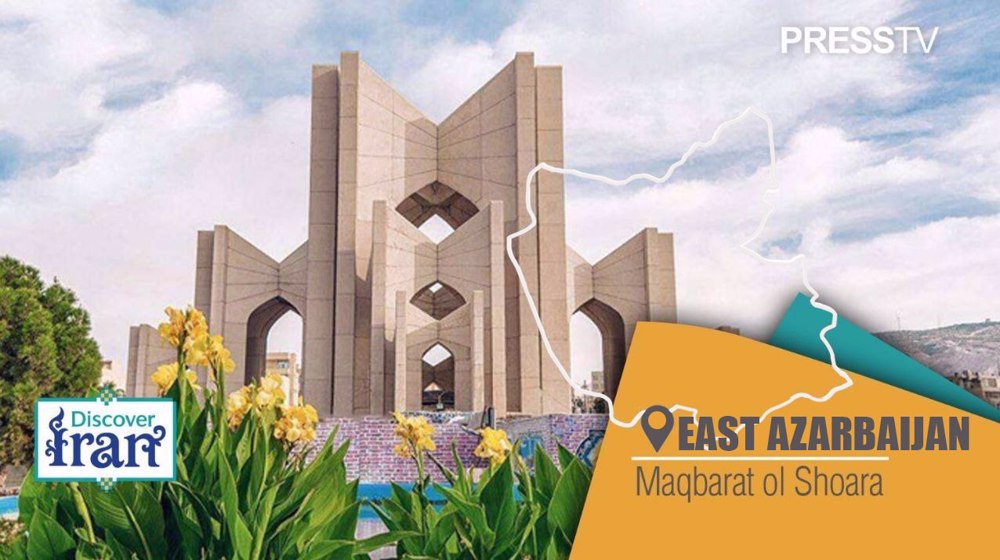
Discover Iran: Tabriz’s ‘Mausoleum of Poets,’ where centuries of Persian literary history live on
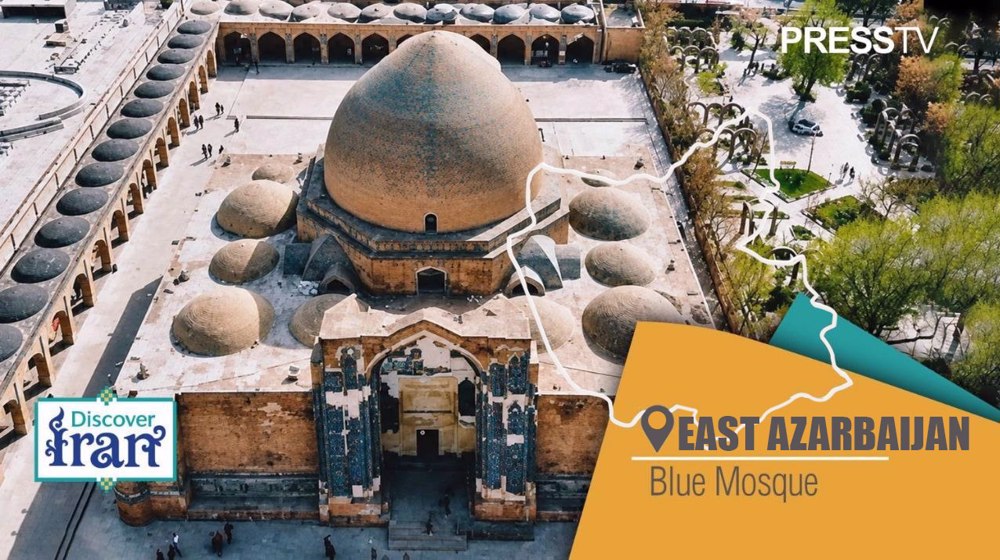
Discover Iran: Tabriz’s Blue Mosque, where glorious history meets timeless Iranian architecture
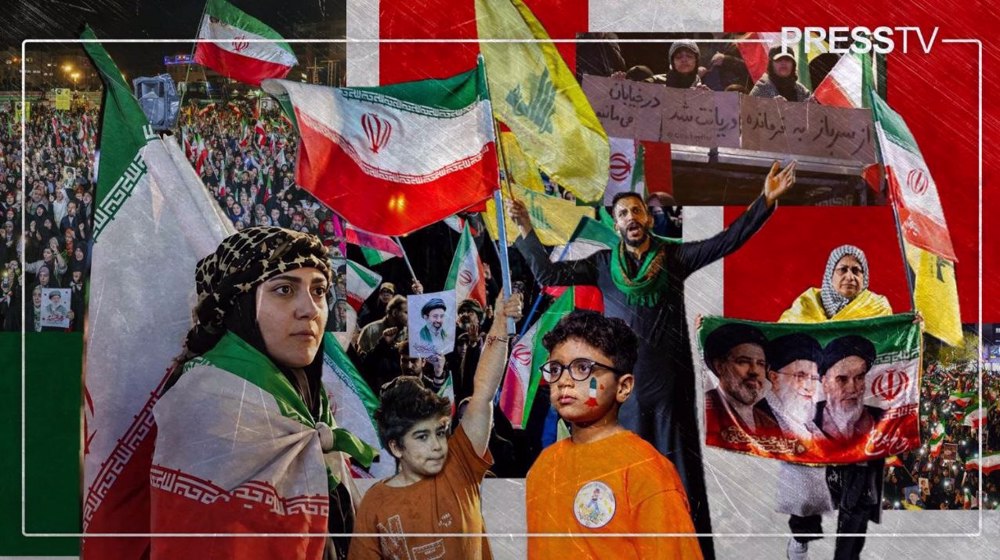
200 nights, one resilient nation: Iranian people’s epic in defense of homeland and Revolution



Iran FM: Our first task in New York is to defend the just cause of Iranian people
US lawmaker admits American people footing bill for Trump’s failed aggression against Iran
VIDEO | Trump's America is dying for Israel
US visa ban on Iranian president’s media team is bid to hide the truth: FM spokesman
VIDEO | Iran fully prepared to respond to new aggression
US aggression, economic warfare amount to crimes against humanity: Iran's UN envoy
Protests erupt in US as ICE agent shoots Venezuelan driver
US pressure fuels cooperation among Muslim states: Pezeshkian



 PressTV NEWSLETTER
now
PressTV NEWSLETTER
now
 This makes it easy to access the Press TV website
