Iran Judiciary chief: US cannot impose will at talks after failing on battlefield
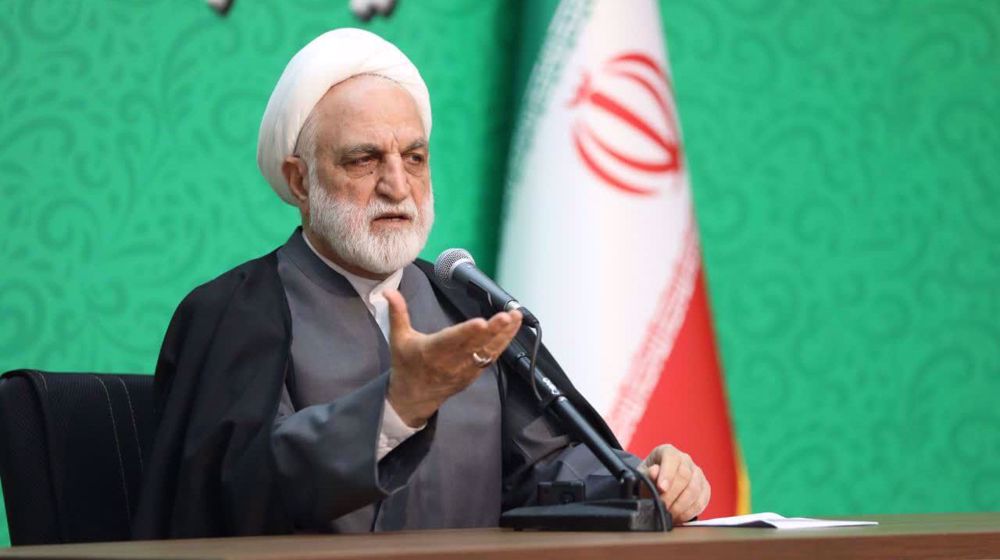
Iran’s Judiciary chief said that the United States cannot impose its demands at the negotiating table after failing to achieve its objectives through military aggression and threats.
Gholam-Hossein Mohseni Ejei made the remarks during a meeting with judicial officials on Friday as Washington’s renewed threats and excessive demands derailed Pakistan-brokered talks with Tehran aimed at bringing a lasting end to the illegal US-Israeli war of aggression against Iran.
“An enemy that has not achieved any of its goals and objectives through aggression and threats, cannot impose its will or make excessive demands at the negotiating table,” he said.
“This is our establishment’s decisive and dominant position, and we all stress - under the guidelines of the Leader of the Islamic Revolution - that our diplomacy is in line with the field.”
Ejei also noted that Iran has never left the negotiating table while it has always welcomed negotiations based on logic and rationality, not on imposition.
“We do not welcome a war, but we are not afraid of it. If our honor is threatened, we will fight for our honor,” he asserted.
Iran’s judiciary chief further cited a growing 30-million-strong campaign of Iranians who have pledged to sacrifice their lives to defend their homeland against the US-Israeli aggression.
Meanwhile, he underlined Iran’s domestic and international efforts seeking to punish war criminals and make them pay compensation to the nation.
“Undoubtedly, the defeated and wounded enemy will not sit idly by and will expand its plots day by day. There is also a possibility of the enemy’s new aggression. We are obliged not to ignore the enemy and its conspiracies for a moment.”
The unprovoked US-Israeli aggression on Iran began on February 28 with airstrikes that assassinated senior Iranian officials and commanders.
The Iranian armed forces unleashed 100 waves of successful retaliatory strikes against sensitive and strategic American and Israeli targets throughout the region.
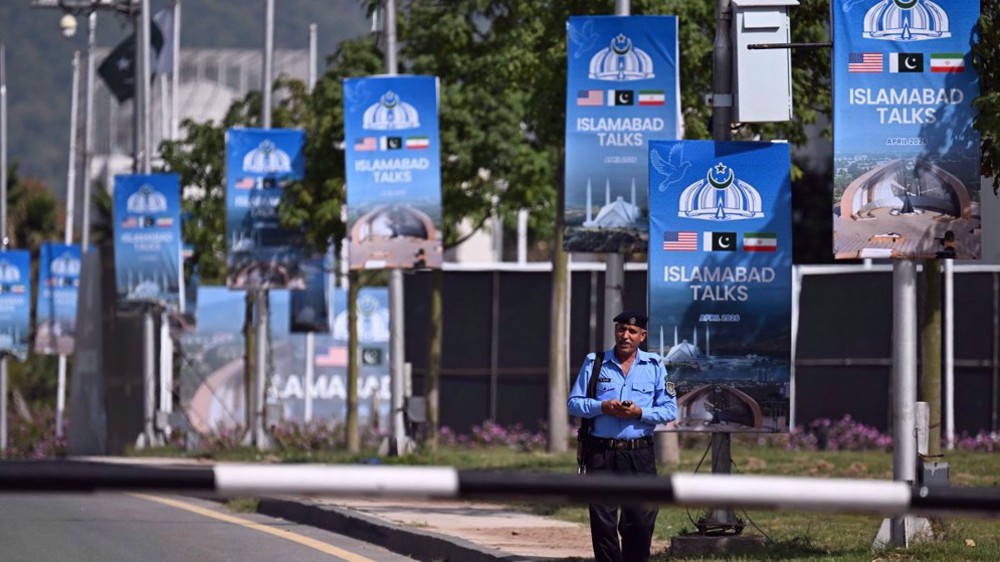
On April 8, forty days into the war, an Islamabad-brokered temporary ceasefire went into effect but the first round of Tehran-Washington negotiations failed to reach an agreement.
US President Donald Trump unilaterally extended the truce, saying his administration will wait for an Iranian proposal for a second round of talks.
However, Tehran has refrained from committing to a second round of negotiations, with authorities citing Washington’s excessive demands and “naval blockade” of Iran as two main impediments to concluding the war.
US, allies ‘playing mind games amid aggression on Iran: Basij chief
Pezeshkian: Iran’s strong maritime presence in Hormuz kept vital national lifelines moving
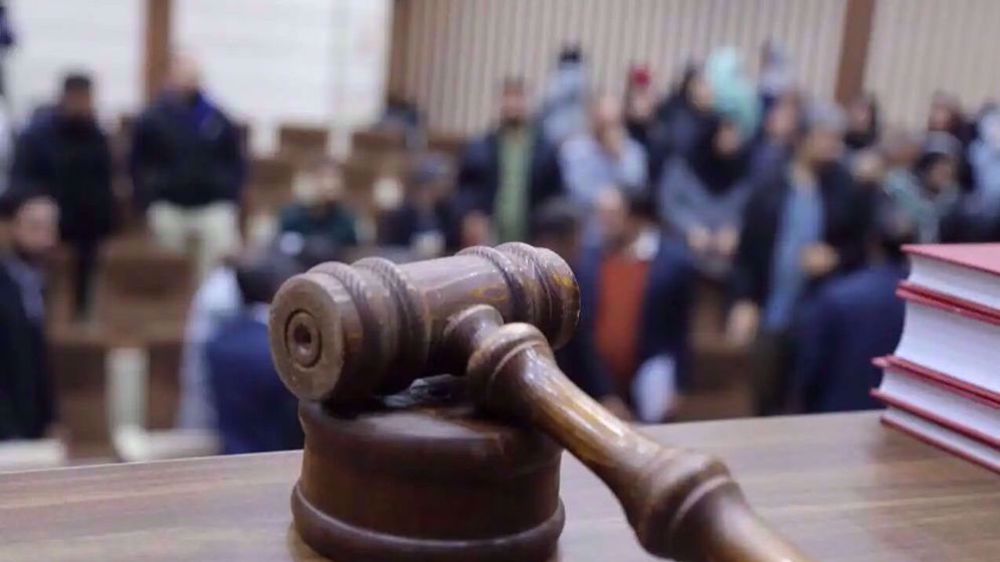
Two men involved in killing security forces during January riots executed in Iran



US, allies ‘playing mind games amid aggression on Iran: Basij chief
VIDEO | UK feels economic impact of war on Iran as diesel prices hit record high
Iraqi resistance group urges stronger air defenses amid US withdrawal
VIDEO | Iraqis celebrate US troop withdrawal as country marks National Sovereignty Day
Iran’s Mirzazadeh defends Asian Games Greco-Roman 130kg gold in Nagoya
US losing response capability as Iran maintains control of Strait of Hormuz: IRGC
VIDEO | Iran-US conflict
VIDEO | Restricting Chinese firms is own goal against Europe's economy: Analyst





 PressTV NEWSLETTER
now
PressTV NEWSLETTER
now
 This makes it easy to access the Press TV website
