Iran: Saudi-Turkey-Pakistan pact shows region’s growing distrust of US security promises

The spokesman for Iran’s Foreign Ministry says a recently-signed defense agreement among Saudi Arabia, Pakistan, and Turkey shows regional states’ perception of US “deception” when it comes to security issues.
Esmaeil Baghaei made the remarks during his weekly press conference in Tehran on Monday in response to a question about Iran’s stance vis-à-vis the trilateral pact, known as the Mecca Joint Defense Agreement.
He said the development shows a change in the perception of regional countries when it comes to the issue of security.
“Given developments over the past two or three years, regional countries have realized that security is not a commodity that can be purchased from false security brokers,” Baghaei added.

Saudi Arabia, Turkey and Pakistan signed the Mecca Joint Defense Agreement on Friday with the purpose of strengthening collective deterrence against any act of aggression.
In a joint statement, the signatories said the pact stipulates that an armed attack against any one of the three countries will be regarded as an attack on all.
It aims to strengthen collective security and promote peace, security and stability in the region and beyond, the statement added.
Baghaei dismissed concerns over the defense agreement, emphasizing that Tehran has “deeply rooted bonds” with the three countries.
"We maintain deep bonds with Pakistan, Turkey, and even Saudi Arabia and there is no reason for Iran to be concerned about the pact,” he said.
He reiterated that the deeply rooted cultural ties between the peoples of Iran, Pakistan and Turkey are “crystal clear.”
“This development shows that regional countries cannot trust the claim by the United States and other extra-regional countries to provide security,” Baghaei pointed out.
Hormuz Strait will not be safe passage if US maintains blockade policy
The Iranian spokesperson further said Tehran and Muscat have agreed on a navigation route through the Strait of Hormuz and are examining some technical aspects related to the arrangement.
Baghaei added that Iran would establish mechanisms to monitor shipping in the strategic waterway and would also provide services to vessels using the route as part of efforts to ensure safe navigation.
Therefore, he emphasized, charging service fees for ships passing through the strait was totally natural.
"If the United States continues its policies and naval blockade, the Strait of Hormuz will not be a safe passage," Baghaei further warned.

Judiciary chief congratulates new secretary of Supreme National Security Council
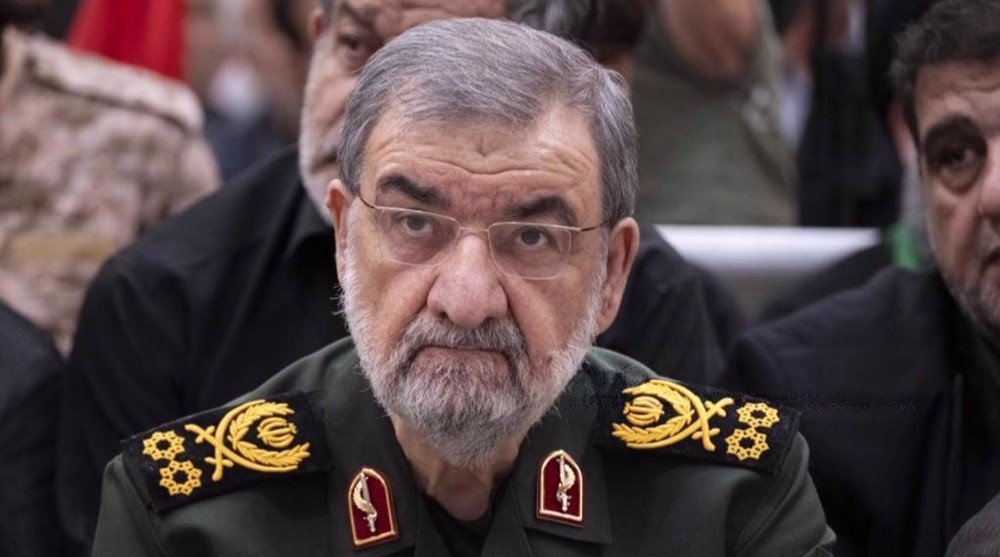
Parliament speaker Qalibaf congratulates Mohsen Rezaei on appointment as SNSC Secretary
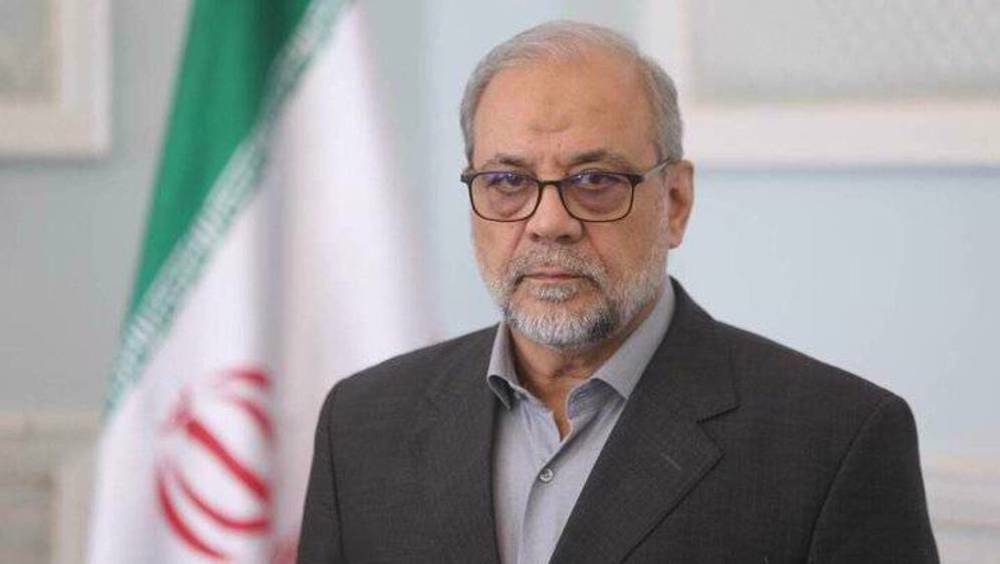
Leader appoints outgoing top security official Zolqadr as his political adviser



Israeli cadet in flight training course commits suicide at military base
Israeli forces invade Syria’s Quneitra countryside with tanks, military vehicles
Iran: Saudi-Turkey-Pakistan pact shows region’s growing distrust of US security promises
Fire at factory in Riyadh kills16 Bangladeshi migrant workers
Israeli forces, settlers carried out 108 attacks on Palestinian journalists in July
Rights group urges disclosure of Gaza detainees’ fate, probe into Israeli abuses
Judiciary chief congratulates new secretary of Supreme National Security Council
One year on, Gaza journalist Anas Al-Sharif remembered as brave chronicler of Israel’s genocidal war


 PressTV NEWSLETTER now
  This makes it easy to access the Press TV website