'There's not much you can do': Israel confirms Hezbollah drone nightmare in Lebanon
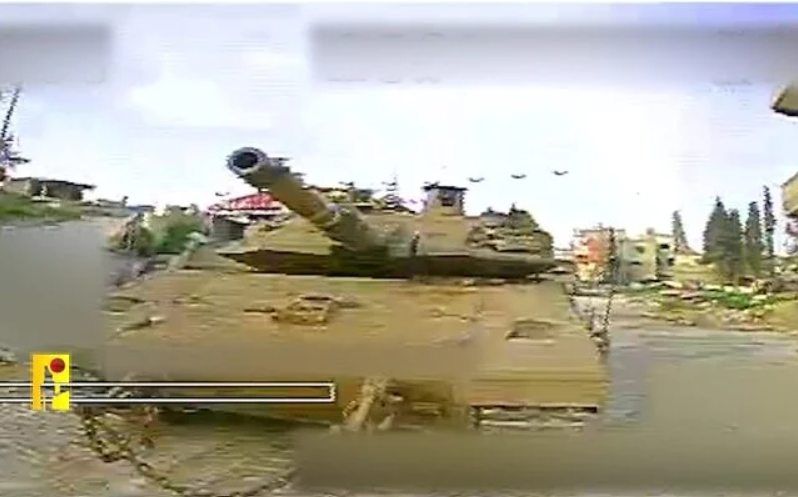
Israel has admitted its failure to counter Hezbollah’s drones, stressing that the aircraft has become one of the most significant challenges facing invading Israeli troops in southern Lebanon.
The military affairs correspondent for Israel’s newspaper Haaretz, Yaniv Kubovich, reported that the Israeli army has acknowledged that the drones pose a complex threat to its invading troops.
“The drone threat has evolved. Over the past two months, we’ve been dealing with hundreds of them,” a senior Israeli officer stationed in Lebanon as part of the ongoing Israeli occupation of the country said.
“The situation is worse than before. In previous rounds, the Israeli army had freedom to operate and launch attacks anywhere in southern Lebanon,” an Israeli soldier on his third deployment to Lebanon since October 2023 admitted. “Hezbollah is firing intensively.”
Hezbollah has been reportedly using one-way attack drones against Israel for years. However, in recent weeks, the resistance movement has unveiled more small first-person-view (FPV) drones as well as drones attached to fiber-optic cables.
A senior Israeli officer described the drone threat as “a very significant challenge,” noting that there is “a clear gap between recognizing the threat and effectively responding to it.”
Kubovich stressed that “the threat is not theoretical, as evidenced by casualties among troops”, referring to the killing of an employee of the Israeli ministry of war while he was demolishing homes in southern Lebanon with a bulldozer.
According to the Haaretz correspondent, the drone is small, silent, and readily available.
Kubovich emphasized that Hezbollah has drawn lessons from previous wars and identified vulnerabilities in Israeli forces deployed in combat zones.
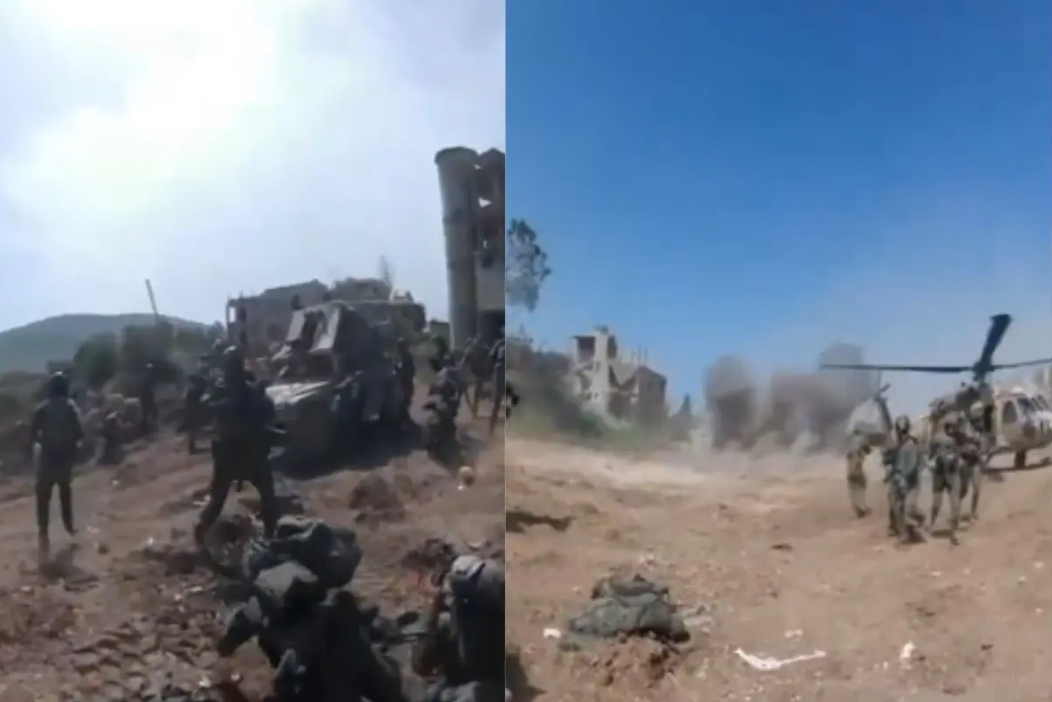
One key lesson now being applied is targeting fortifications and troop gathering areas using remotely operated suicide drones that wait for the right moment to strike.
“They hover in the air or wait on rooftops. The moment there’s movement, they detonate over the troops. They’re extremely difficult to detect- small, silent, and fast,” an Israeli soldier explained.
According to the Haaretz correspondent, drones connected via fiber optics are silent and emit no signals, making them hard to detect or intercept.
Their small size enables them to reach locations where fixed surveillance systems are difficult to deploy -- on rooftops, between mountains, or inside dense urban areas. They also provide real-time imaging and intelligence-gathering, helping identify targets.
This has sparked concern among Hebrew media and commentators.
Israel’s Ynet newspaper and website said, “Hezbollah has increasingly relied on cheap, upgraded drones fitted with explosives and fiber-optic cables, a battlefield adaptation from Ukraine that helps them evade IDF [the Israeli military’s] electronic warfare and reach targets up to 10 kilometers away in southern Lebanon.”
Israel’s Army Radio reporter Doron Kadosh said Israeli commanders in Lebanon express frustration at the few tools available to confront the drones, citing a commander as saying, “There’s not much you can do about it.”
On March 2, Hezbollah launched military operations against the Israeli regime in response to its aggression against Iran, its repeated violations of the 2024 ceasefire, and its continued occupation of Lebanese territory in the country’s south.
Following the Iran-US ceasefire on 8 April, Tel Aviv was compelled to accept a ceasefire in Lebanon as well, after Tehran demanded an end to Israeli attacks on Lebanese soil as one of its primary conditions in indirect negotiations with Washington.
The Israeli military, however, quickly resumed its assaults on southern Lebanon, issuing evacuation threats for several areas even after the initial ten-day truce between Tel Aviv and Beirut was extended for an additional three weeks.
Israeli occupation forces also continue to occupy parts of southern Lebanon, where they have imposed a so-called “Yellow Line” — a coercive military buffer resembling the regime’s notorious control measures in the besieged Gaza Strip.
According to Lebanese authorities, nearly 2,500 people have been killed in Lebanon since the Israeli regime launched its renewed offensive early in March.

Hezbollah leader: Iran thwarted US-Israeli war goals; ultimate victory belongs to resistance
Remembering Sabra and Shatila massacre: Why memory is the ultimate shield against erasure
Two years after Israel’s pager terrorism in Lebanon: Scars, loss, and the will to carry on



US aggression, economic warfare amount to crimes against humanity: Iran's UN envoy
Protests erupt in US as ICE agent shoots Venezuelan driver
US pressure fuels cooperation among Muslim states: Pezeshkian
Major TV networks suspend White House pool coverage after Trump ban
US visa ban on Palestinian UN delegation violates international agreements: Hamas
VIDEO | Press TV's news headlines
Iran calls on France to respect law after suspending French cultural institute in Tehran
Israel lobby no longer shy about its grip on US policy on Iran: Araghchi


 PressTV NEWSLETTER
now
PressTV NEWSLETTER
now
 This makes it easy to access the Press TV website
