Israel suffers heavy toll from Hezbollah drone strikes, faces operational collapse
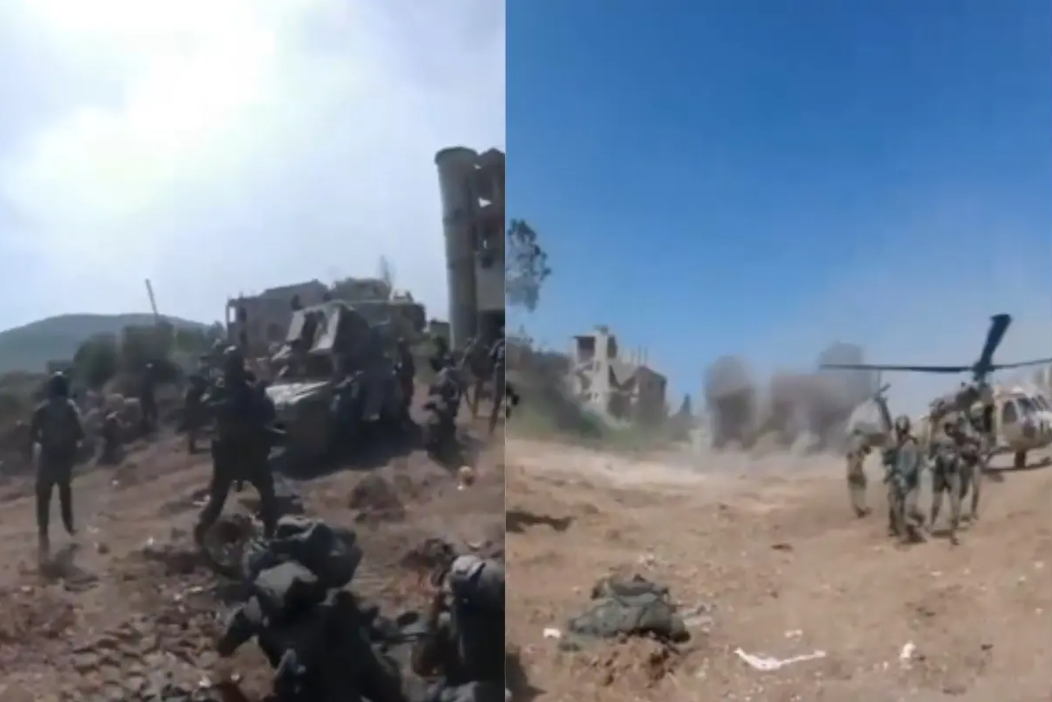
At least two Israeli soldiers have been killed and more than 27 others wounded in multiple Hezbollah drone attacks across southern Lebanon, as Israel warned Washington that its deterrence capability against the Lebanese resistance movement is nearing collapse.
Israeli sources confirmed that a soldier was killed and a number of others wounded when Hezbollah attacked a military group using an explosive drone in southern Lebanon Thursday, adding that two of the wounded were in critical condition.
According to the reports, this marks the third Israeli soldier killed by Hezbollah drones in southern Lebanon over the past several days.
In a separate incident, Israeli sources acknowledged that a soldier was killed and 15 others wounded in Hezbollah drone attacks on Thursday. Israeli media quoted analysts as saying that Thursday was "another difficult day" for Israeli forces on the northern front.
Channel 13, citing a former deputy commander of Israel's Northern Command, reported that what is happening on the northern front is "a real war" that could be described as a "war of attrition."
Earlier on Thursday, Israeli sources acknowledged that 12 soldiers were wounded in a morning Hezbollah attack using an explosive drone targeting an armored personnel carrier in the town of Shomera in the Western Galilee.
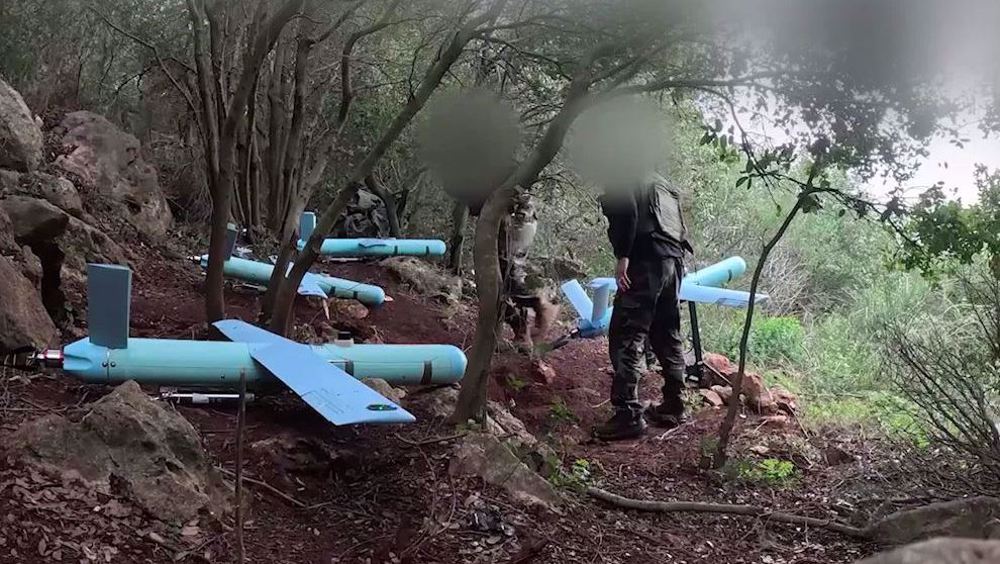
Hezbollah announced that it had targeted two Merkava tanks in the town of Bint Jbeil using two attack drones, scoring direct hits.
The movement also said it struck a gathering of Israeli soldiers at the newly established Balat military post in southern Lebanon with a swarm of attack drones.
US President Donald Trump announced last Thursday a three-week extension of the ceasefire that began on April 17.
That ceasefire was established following a heavy wave of Israeli attacks that began on March 2. However, field evidence indicates that the agreement continues to be repeatedly violated by Israeli forces.
Meanwhile, Israeli media reported that the Israeli regime has formally informed the US government that its deterrence capability against Hezbollah is nearing collapse.
Amid ongoing and intensified Hezbollah responses to Israeli aggression against Lebanese civilians and ceasefire violations, Hebrew-language media said Israel has notified Washington that the current policy of "restraint" in Lebanon is undermining Israeli deterrence and benefiting Hezbollah.
Channel 12 reported that prime minister Benjamin Netanyahu discussed the matter with President Trump during a phone call, emphasizing that relying on responses without taking initiative allows Hezbollah time to recover and strengthen its ideological position, while putting Israeli field forces at increasing risk.
Israel has reportedly stressed that continuing limited operations in Lebanon will gradually erode its deterrence, negatively affecting the security of northern settlers and the military's operational readiness.
Channel 12 further reported that Netanyahu urgently requested Trump to shorten the diplomatic timeline with Lebanon to a period not exceeding mid-May — approximately two to three weeks.
Given the uncertainty over how long this policy will continue, Israel's decisions largely depend on Washington's willingness to maintain a broader negotiation track with Iran, placing Tel Aviv in a complex equation between adhering to US strategic calculations and addressing field security requirements.
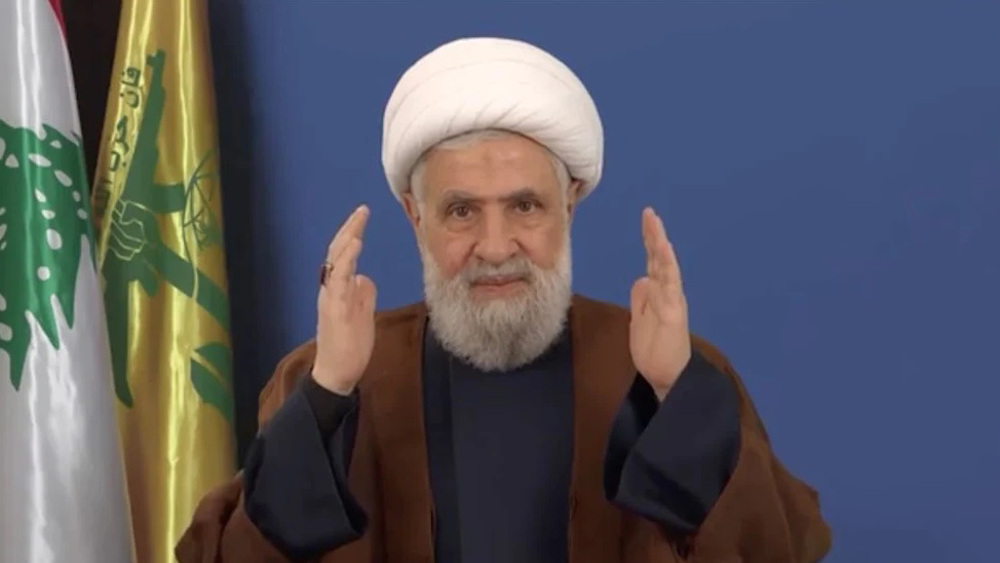
Hezbollah leader: Iran thwarted US-Israeli war goals; ultimate victory belongs to resistance
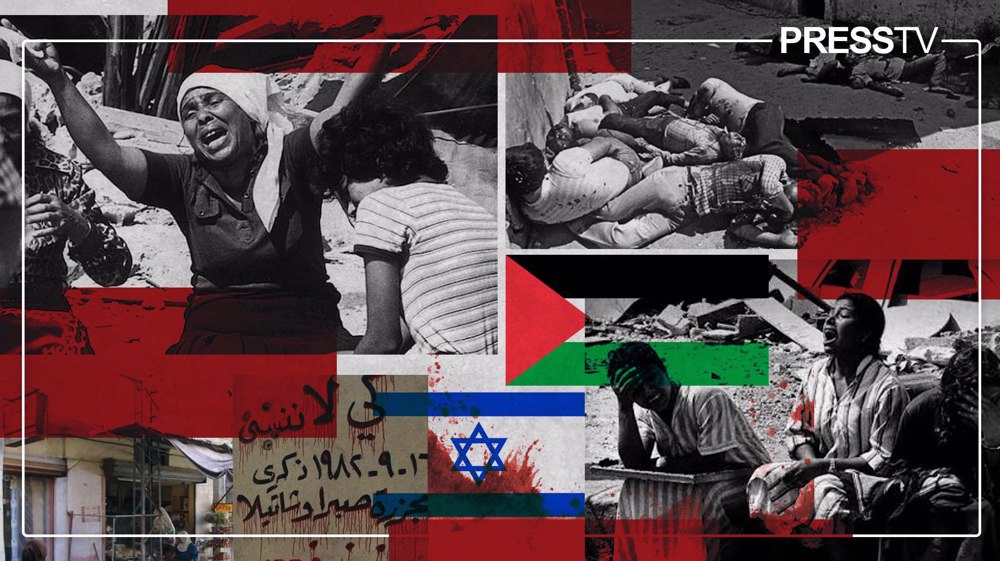
Remembering Sabra and Shatila massacre: Why memory is the ultimate shield against erasure
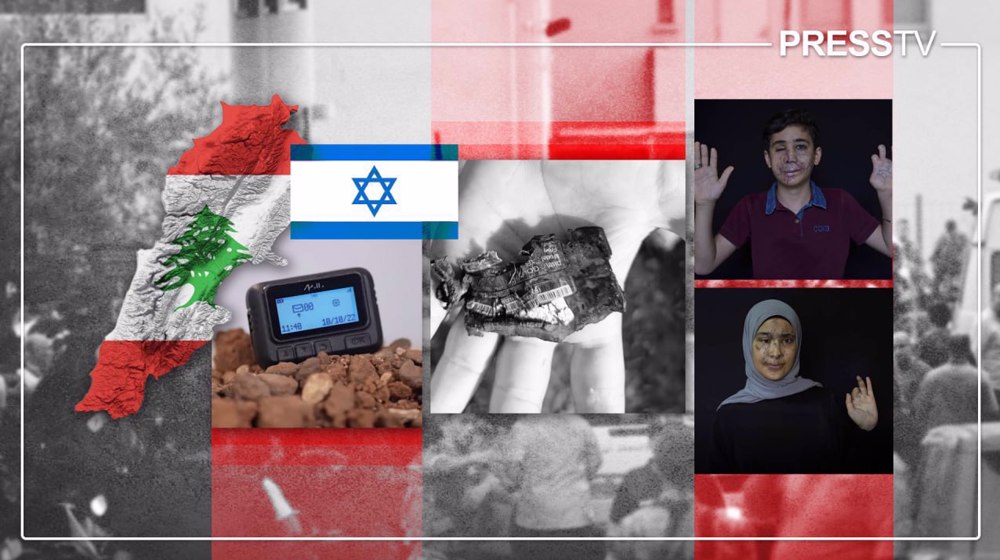
Two years after Israel’s pager terrorism in Lebanon: Scars, loss, and the will to carry on



Yemen shoots down Saudi UAV after deadly airstrikes by Riyadh
Iran says international flights continue despite US sanctions pressure
Araghchi presses neighbors, Europe on Iran’s security concerns at UN
313,000-strong ‘Jan-Fada’ drill signifies Iran’s popular mobilization and social readiness amid war
VIDEO | Algeria-UAE rupture: From electoral interference claims to broader regional dispute
Leader’s advisor: Any foreign forces attempting to land in Iran ‘will certainly be destroyed’
VIDEO | Press TV's news headlines
VIDEO | Priests rally in Rome to honor Palestinian, Lebanese children murdered by Israel


 PressTV NEWSLETTER
now
PressTV NEWSLETTER
now
 This makes it easy to access the Press TV website
