Ex-CIA officer: Reza Pahlavi 'a playboy not qualified to lead anything'
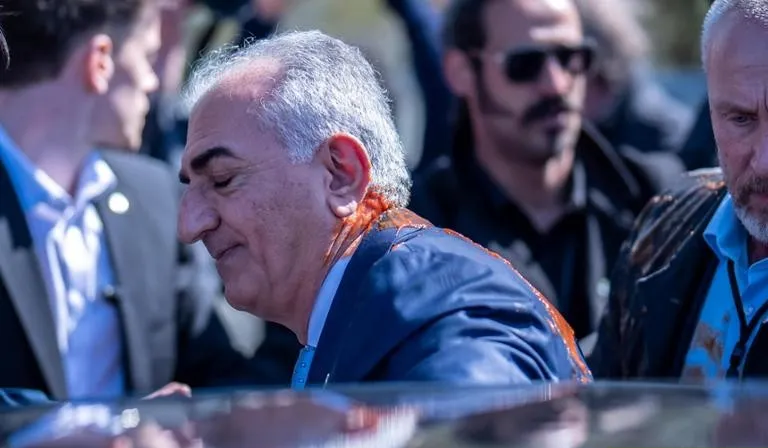
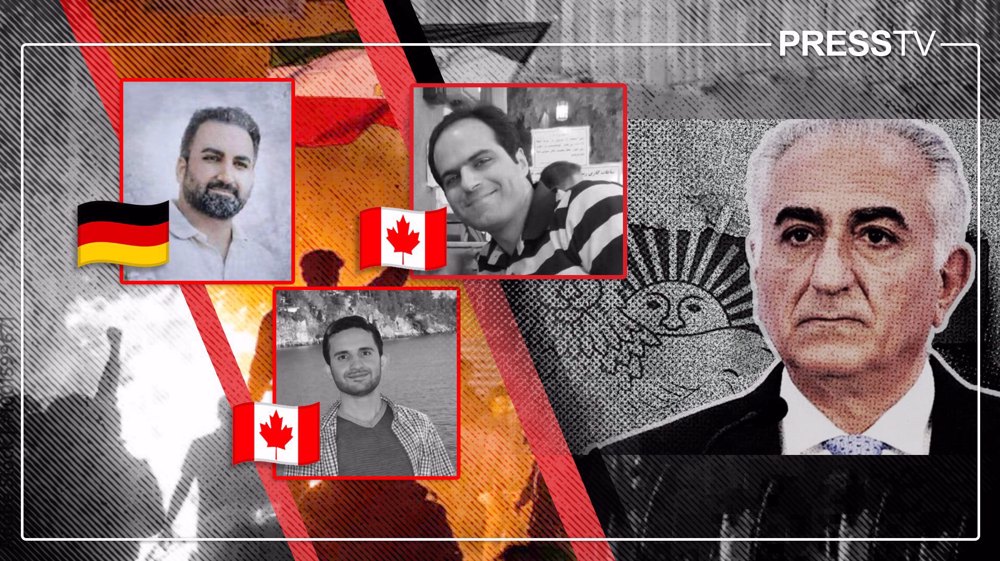
A former CIA officer has publicly dismissed Reza Pahlavi, the son of Iran's deposed shah, as "a playboy" who is "not qualified to lead anything".
Speaking on the Tucker Carlson Show, John Kiriakou stated openly, “Reza Pahlavi is not qualified to lead anything.”
“He is a playboy. He had an affair with his brother's wife," he said, as Kiriakou interjected, "Actually?"
"Actually. His brother turned to drugs and committed suicide,” Kiriaku said, referring to Alireza Pahlavi, the younger brother of Reza, who killed himself in the US in January 2011 at the age of 44 after a long battle with depression, his family said at the time.
Leila Pahlavi, Reza's sister, reportedly died from an overdose in 2001 in a London hotel room at the age of 31.
Kiriakou noted that Reza Pahlavi’s own wife "is having a very public affair right now with her personal trainer."
“The Parisian press is just crazy over it and they've published pictures of two of them all the time,” he said.
"It's humiliating in anybody's culture, let alone in an Iranian culture which is supposed to by very pious, very Muslim," Kiriakou said.
"On top of that he has said repeatedly - most recently on the Patrick Bet-David podcast that he does not think to go back to Iran. He's made a life here, he's very wealthy, his kids are Americans and there is no reason to go back to Iran.
"Ok, so why are we talking about you then in the first place?" the former CIA officer asked.

Reza Pahlavi has lived outside Iran for nearly five decades, with critics mocking the very idea of him seriously positioning himself as future leader.
In his recent video addressed to Iran's ethnic groups, he referred to Baluchestan and Kurdistan and then to "West Azerbaijan," demonstrating his ignorance of Iran's population makeup, where West Azerbaijan province is only a fraction of the Azeri-speaking provinces.
In recent years, he has called for foreign intervention in the country, but after facing significant public backlash, he has attempted to downplay or reframe his previous statements—despite the existence of video recordings showing him clearly advocating for foreign military action.
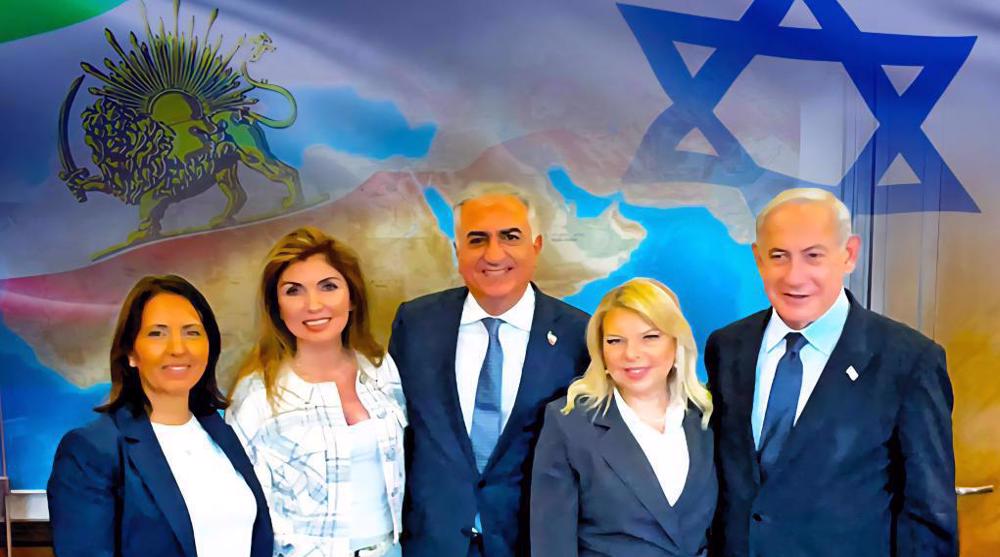
According to a New York Times report earlier this month, top US officials informed President Donald Trump that Israeli prime minister Benjamin Netanyahu's "regime change" plan for Iran—which included Reza Pahlavi as a presumed shoo-in—was "farcical."
The report revealed that the violent riots which hit Iran last December—during which Trump made his infamous promise of "Help is coming" to pro-Pahlavi protesters—were in fact part of the military attack plan.
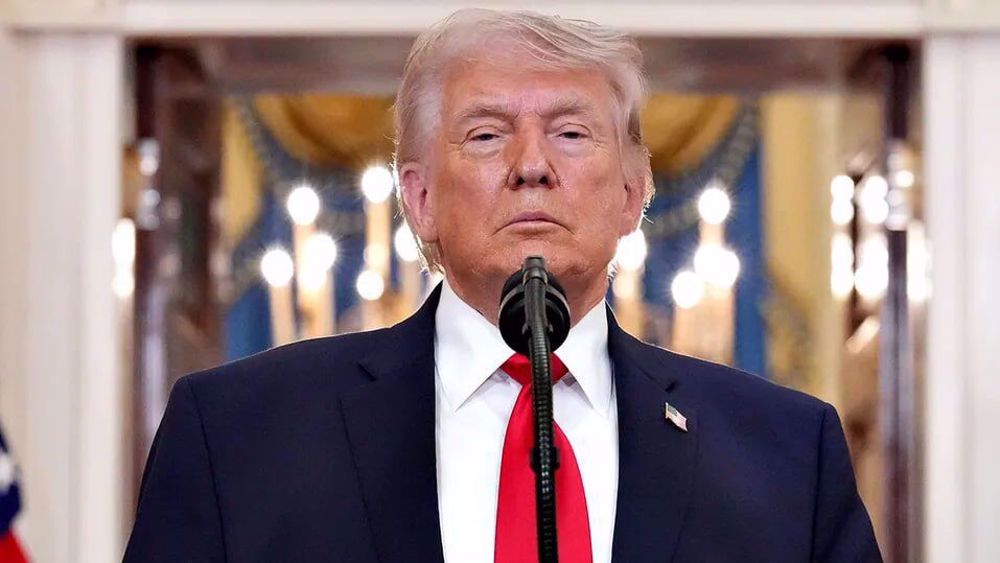
Turning to the broader foreign policy discussion, Carlson asked Kiriakou how a president typically determines the consequences of declaring war on another country, referring to US President Donald Trump’s unprovoked aggression against Iran starting on February 28.
Kiriakou noted that he had heard complaints in the Persian Gulf and in Europe that US allies were not consulted.
“They were just sort of brought along,” he said. “The only apparent consultation that was taking place was with the Israelis, and the Israelis really, really wanted this to get done.”
Carlson then asked whether the administration’s failure to bring European allies into the conversation reflected Israel’s priorities.
Kiriakou responded, “I hate to say it, but I do actually.” While acknowledging that Israel is a close friend and ally, he added, “I feel like sometimes we act in Israel’s best interests rather than in our own best interests. I think this is one of those cases.”
He said Israelis will naturally “jump up and down and yell about the Irish and the Spanish and the Italians,” but the United States should let them vent and then do what is in its own best interest. “I feel like we’re not really doing that,” Kiriakou concluded. “We’re doing Israel’s bidding for it.”
On February 28, the United States and Israel launched a large-scale and unprovoked war against Iran, assassinating Leader of the Islamic Revolution Ayatollah Seyyed Ali Khamenei and several high-ranking military commanders.
In response, the Iranian Armed Forces conducted 100 waves of retaliatory missile and drone operations against US and Israeli military assets for 40 days, resulting in significant damage.
On April 8, forty days into the war, a Pakistan-brokered two-week ceasefire went into effect, which was later unilaterally extended by Washington.

Omani foreign minister to visit Iran to discuss Strait of Hormuz shipping
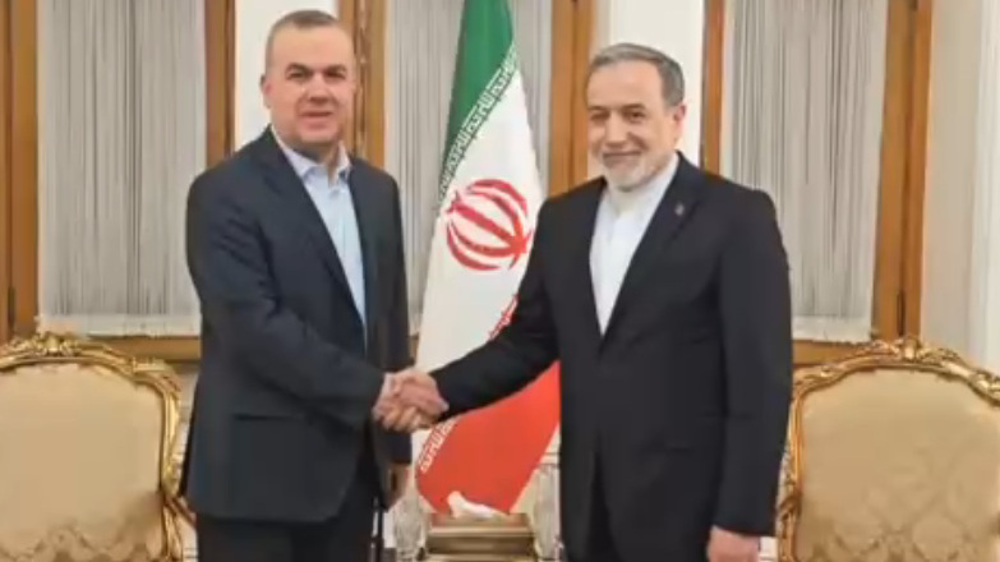
Iran’s heroic defense, assertive diplomacy source of pride for allies: Lebanese MP
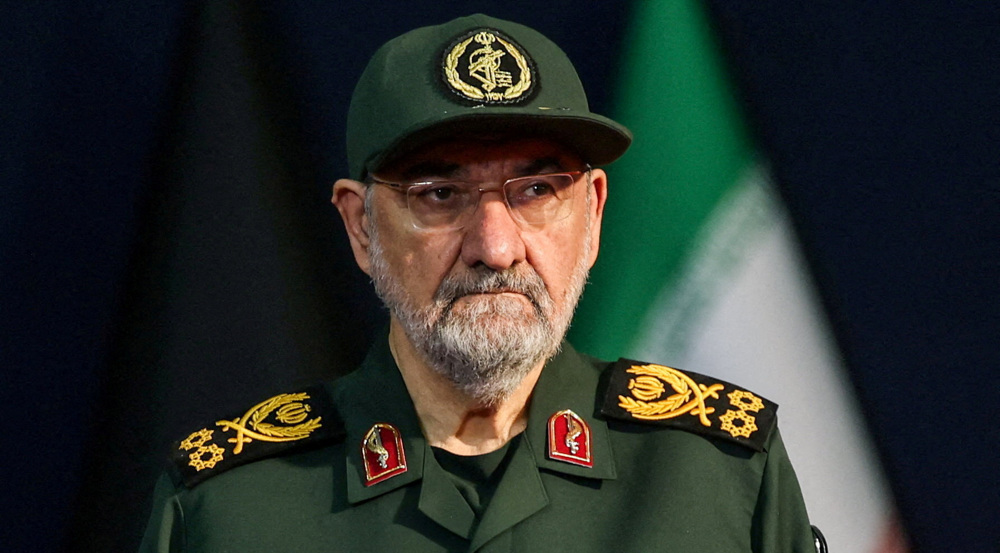
Supporting US economic war is an 'act of war': Iran’s top security official warns



US launches new ‘economic terrorism’ campaign against Iran
VIDEO | Press TV's news headlines
VIDEO | Guardian-reported letter seeks Western support for war on Iran: Analyst
Hamas: Israel systematically destroying all means of life in Gaza
VIDEO | From Hormuz to Gaza
Pezeshkian to US: Drop the bullying, force won’t solve anything
VIDEO | Desperate US ‘Economic D-Day’
Bolivia’s former president hails Iran as ‘model of sovereign resistance against US empire’


 PressTV NEWSLETTER
now
PressTV NEWSLETTER
now
 This makes it easy to access the Press TV website
